


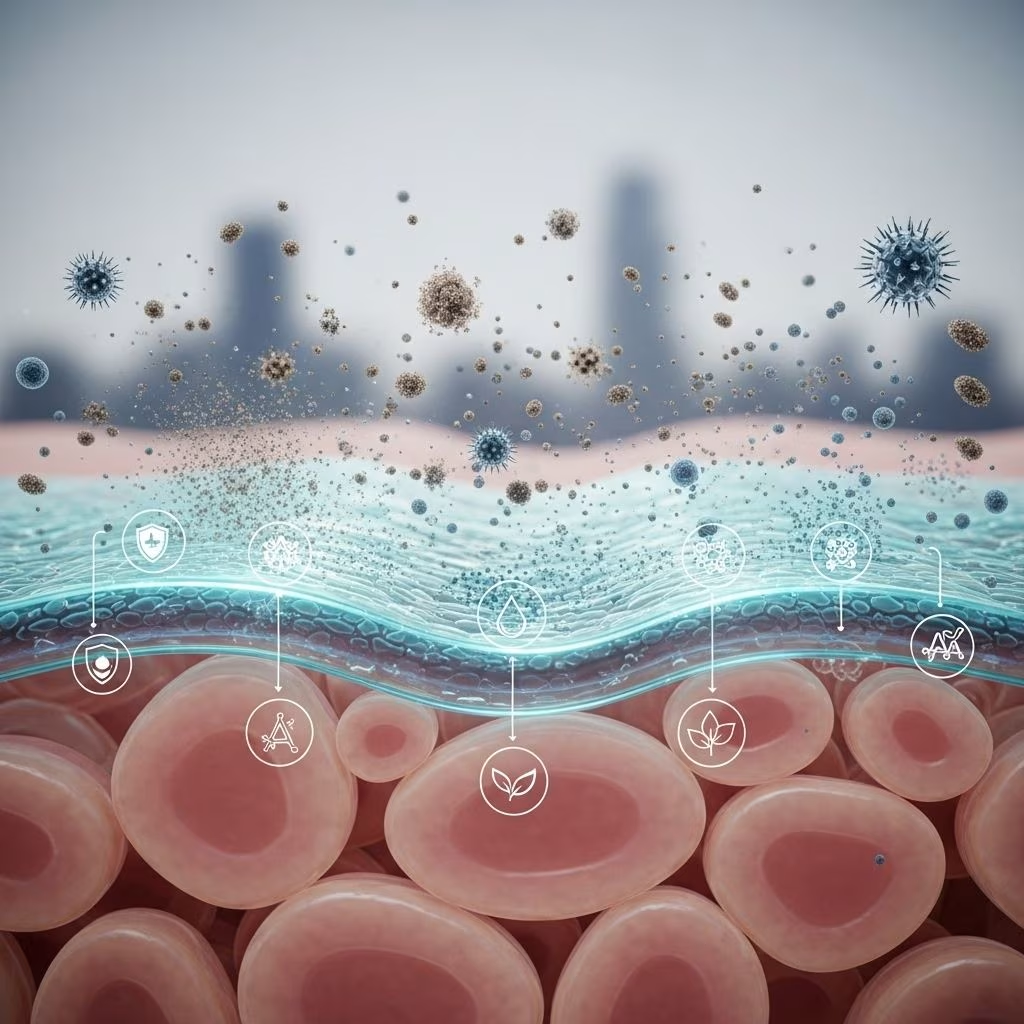
Acid Mantle pH: Pollution & Microparticle Impact Analysis
The human skin is the body’s first line of defense against environmental aggressors, and the acid mantle—a delicate, slightly acidic film on the skin’s surface—plays a pivotal role in preserving this barrier. With global pollution and exposure to minute particles reaching unprecedented levels, understanding how pollutants and microparticles impact acid mantle pH, barrier integrity, and microbiome health is crucial for dermatological science and everyday skin care.
Acid Mantle Physiology and pH
The acid mantle is a thin, slightly acidic layer composed of sebum, sweat, and cellular material covering the skin’s surface. Its pH averages between 4.5 and 5.5; recent research suggests healthy skin often returns to a pH closer to 4.7 when undisturbed by products or excessive washing. This slightly acidic environment arises from:
- Sebum—free fatty acids and amino acids
- Sweat—alpha-hydroxy acids, lactic acid, and free amino acids
- Metabolic byproducts—urocanic and pyroglutamic acid
While the stratum corneum (skin’s outermost layer) retains this acidic pH, layers beneath (viable epidermis) tend towards neutrality. This acid-alkaline gradient is essential for skin homeostasis and various biological processes required for an effective epidermal barrier.
Functions of the Acid Mantle
The acid mantle is involved in several key protective and regulatory roles:
- Barrier against pathogens: Its acidity inhibits the growth of opportunistic bacteria and fungi, supporting the skin’s innate immunity.
- Preservation of hydration: Acidic pH limits excessive water loss and maintains optimal hydration by supporting lipid and protein structures in the stratum corneum.
- Microbiome homeostasis: The acid mantle fosters beneficial microbial populations responsible for skin health and defense.
- Enzymatic regulation: Key enzymes controlling lipid synthesis, desquamation, and antimicrobial peptide activity perform optimally within the acid mantle’s pH range.
Table 1: Acid Mantle pH Ranges and Function
| pH Range | Main Functions |
|---|---|
| 4.3–4.7 | Optimal microbiome support, minimal scaling, maximal hydration |
| 4.5–5.5 | Enzymatic activity for barrier repair, antimicrobial defense, healthy desquamation |
| 5.6–6.5 | Reduced microbiome resilience, increased risk of infection/inflammation |
| Above 7 | Barrier dysfunction, increased TEWL, vulnerability to irritants/pathogens |
Pollution and Microparticles: An Overview
Environmental pollution includes airborne particles, chemical pollutants, heavy metals, and volatile organic compounds (VOCs). These pollutants may originate from:
- Urban air pollution (particulate matter, nitrogen oxides, sulfur dioxide)
- Tobacco smoke residue
- Industrial emissions and vehicle exhaust
- Microparticles from household and cosmetic products
Microparticles—particles less than 100 micrometers in diameter—are particularly concerning. They penetrate the stratum corneum, reach deeper layers, and may contain toxic agents that disrupt skin integrity, exacerbated by the acid mantle’s pH imbalance.
How Pollution and Microparticles Affect Acid Mantle pH
Ongoing exposure to pollution and microparticles impacts the acid mantle pH and disrupts its protective qualities in various ways:
- Alkalinizing effect: Pollutants and harsh particles often raise skin pH, compromising barrier function. Soaps and cleansers with a high pH compound the effect, reducing the acid mantle’s natural resilience.
- Direct physical damage: Microparticles physically abrade the skin, weakening the stratum corneum and facilitating pH imbalance.
- Oxidative stress: Pollutants generate free radicals, which damage lipids, proteins, and cell membranes, exacerbating disruptions to the acid mantle’s biochemistry.
- Chemical interference: Certain heavy metals and VOCs directly inhibit enzymes dependent on acid mantle pH, slowing repair, and recovery mechanisms.
- Impact on microbiome: Pollutant-induced pH changes disrupt symbiotic microbial populations, decreasing beneficial bacteria and promoting colonization by pathogens.
Table 2: Typical Skin Disruptors and Their Effects
| Agent | Main Effect | Disruption Mechanism |
|---|---|---|
| Alkaline soaps/cleansers | Increase surface pH | Strips natural oils, alters enzyme activity, disperses microbiota |
| Urban particulates | Physical barrier damage, increased TEWL | Pigment adherence; oxidative stress |
| Heavy metals/VOCs | Toxicity, enzyme inhibition | Binds proteins/lipids; chronic inflammation |
| Microplastics | Abrasive/desiccant effect | Physical intrusion, maintains elevated pH |
Consequences for Skin Barrier and Microbiome
When the acid mantle is compromised by pollutants or microparticles, the ramifications for the skin barrier and microbiome health can be severe:
- Increased Transepidermal Water Loss (TEWL): Higher pH levels accelerate dehydration and reduce skin elasticity.
- Barrier breakdown: Lipid and protein processing enzymes fail to function optimally, leading to cracks, scaling, and vulnerability to toxins and pathogens.
- Altered microbiome composition: Beneficial bacteria struggle to thrive at higher pH, paving the way for pathogenic species and biofilm formation.
- Reduced AMP activity: Antimicrobial peptides (AMPs), key immune defense proteins, display reduced effectiveness when pH rises above optimal acidic ranges.
- Chronic inflammation: Unchecked pollutant exposure initiates inflammatory signaling, which further impairs skin recovery and accelerates aging.
Dermatological Conditions Linked to pH Disruption
Disruption of acid mantle pH—particularly shifts towards alkalinity—has been associated with a range of dermatological disorders:
- Atopic dermatitis (eczema)—characterized by impaired barrier function, infections, and intermittent flare-ups due to elevated stratum corneum pH.
- Acne—alkaline pH favors colonization by Propionibacterium acnes and increases inflammation and sebum production.
- Contact dermatitis—occurs more frequently in individuals exposed to industrial pollutants and irritants that compromise pH balance.
- Candidal intertrigo—yeast infections thrive under higher pH conditions, proliferating in areas where acid mantle is deficient.
- Ichthyosis—scaly skin conditions worsen as enzymatic activities responsible for normal desquamation decline at higher pH.
Case Study: Skin Cleansers and pH Disruption
Powerful antibacterial cleansers such as chlorhexidine or benzoyl peroxide are frequently prescribed for chronic skin conditions. However, both may increase surface pH and compromise acid mantle function. While short-term benefits include pathogen elimination, long-term use risks dehydration, microbial imbalance, and heightened sensitivity to pollutants.
Protective Strategies Against Environmental Stressors
Dermatologists, researchers, and cosmetic scientists recommend a multifaceted approach to preserve acid mantle integrity in polluted environments:
- Use pH-balanced cleansers: Select products formulated within the pH range of 4.5–5.5 to support natural acid mantle regeneration. Avoid harsh soaps and surfactants.
- Barrier-enhancing moisturizers: Look for creams containing ceramides, fatty acids, and humectants to repair and reinforce skin’s extracellular matrix.
- Topical antioxidants: Agents like Vitamin E, Vitamin C, and polyphenols help neutralize free radicals generated by pollutant exposure.
- Physical UV and particulate barriers: Use mineral-based sunscreens and antipollution shields to defend against both UV radiation and airborne toxins.
- Minimize unnecessary cleansing: Over-washing strips away protective oils and acid mantle. Opt for gentle cleansing, especially in highly polluted conditions.
- Support the microbiome: Probiotic skincare products and formulations rich in prebiotics can foster resilient, beneficial bacteria even amid environmental stress.
- Lifestyle factors: A balanced diet, hydration, and stress management contribute to optimal skin pH and overall health.
Innovations in Skin Protection
- Development of biomimetic acid mantle formulations—using synthetic analogs of sebum and sweat components to restore acidic pH post-pollution.
- Advanced diagnostic tools—non-invasive sensors and imaging to monitor acid mantle pH fluctuations over time.
- Smart textiles—clothing materials with antipollution coatings aiding skin barrier defense in urban environments.
Frequently Asked Questions (FAQs)
Why is the skin’s acid mantle so acidic compared to internal tissues?
The acidity is vital for its barrier function—slightly acidic pH suppresses pathogen growth, supports beneficial microbiota, and regulates essential enzymes. Internal tissues require neutrality for cellular function, but the skin’s external environment makes acidity advantageous.
How do environmental pollutants physically and chemically disrupt acid mantle pH?
Pollutants can raise skin surface pH directly by interacting with sebum, sweat, and amino acids, stripping acidic components and damaging lipid layers. Particulates can physically abrade the skin, compromising its structure, while chemicals in pollution modulate enzyme activity and microbiota composition.
Are there skin types more vulnerable to pollution-induced acid mantle disruption?
Yes. Individuals with naturally dry, sensitive, or compromised skin barriers (such as those with eczema or rosacea) show greater vulnerability to pH elevation caused by external stressors. Urban populations and those working in industrial settings also have increased risk due to pollutant load.
Can restoring acid mantle pH reverse pollution-induced damage?
Regular pH-balanced skin care can facilitate repair, support microbiome health, and enhance barrier recovery. However, severe or chronic exposure to pollutants may cause cumulative damage that requires targeted medical approaches as well as lifestyle interventions.
Does diet affect acid mantle pH?
Emerging evidence suggests diet can influence skin health indirectly. Antioxidant-rich foods help combat the oxidative stress from pollutants, while hydration supports stratum corneum function. However, topical factors and environmental exposure remain primary determinants of acid mantle pH.
Key Takeaways
- Maintaining an optimal acid mantle pH (4.5–5.5) is critical for barrier integrity and microbiome health.
- Pollution and microparticles often disturb this balance, leading to increased skin problems and disease susceptibility.
- pH-balanced products, antioxidants, physical barriers, and microbiome-supportive formulations are the best defense against environmental threats.
- Regular monitoring and targeted interventions are essential for individuals in highly polluted environments or with sensitive skin types.
References
- https://jintegrativederm.org/doi/10.64550/joid.pemwha98
- https://en.wikipedia.org/wiki/Acid_mantle
- https://marmurmedical.com/your-bff-you-never-knew-you-had-the-acid-mantle/
- https://ijdvl.com/acid-mantle-what-we-need-to-know/
- https://www.cosmedocs.com/skin-education-guide/skin-ph-acid-mantle/
- https://www.ucc-today.com/journals/issue/launch-edition/article/skin-ph-and-barrier-function
- https://www.marieveronique.com/blogs/science-research/the-acid-advantage-how-balanced-ph-promotes-radiant-skin-and-slows-aging
- https://dermavidualsny.com/beyond-balance-a-glimpse-into-the-acid-mantle-your-skins-ph/


