


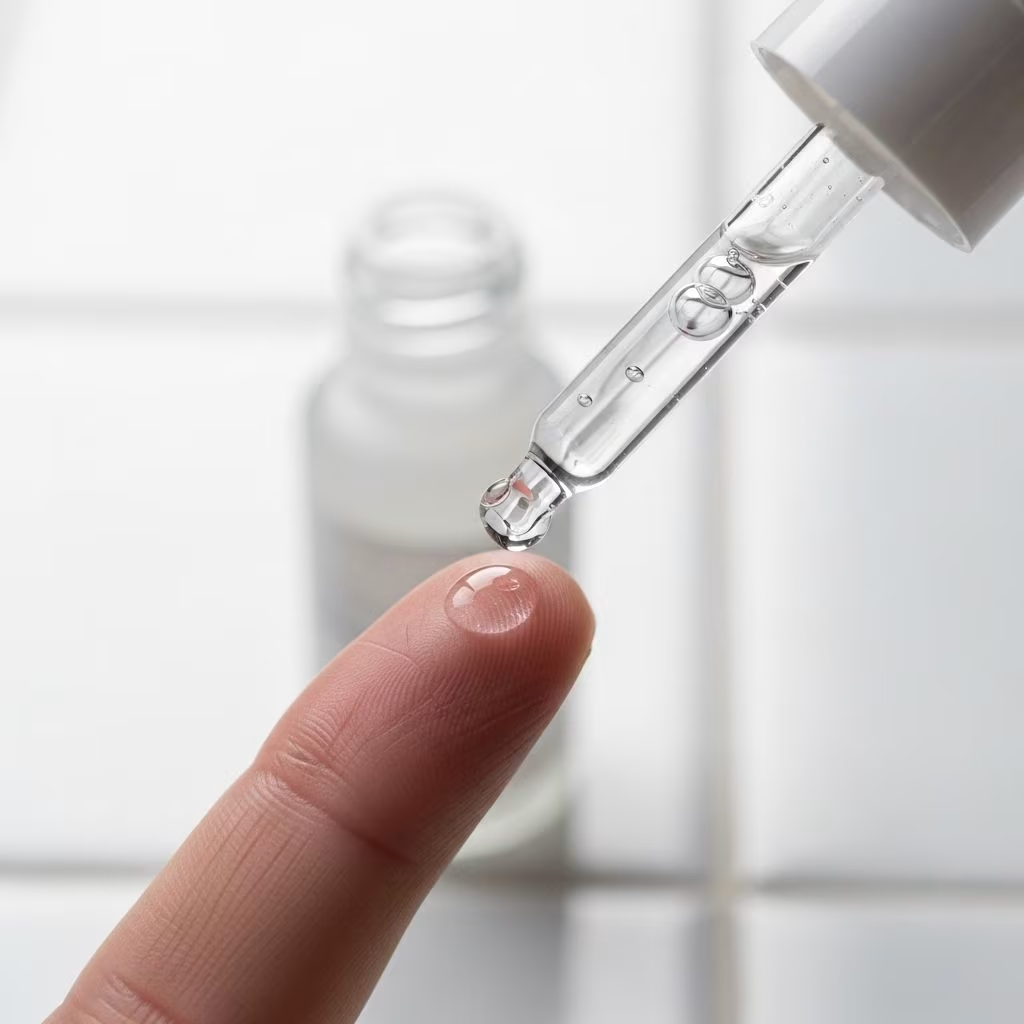
Acne remains one of the most common skin concerns globally, affecting individuals of all ages and backgrounds. Despite the prevalence, the quest for clear skin is often complicated by the breadth of treatment options available. Acne spot treatments—products applied directly to individual pimples or breakouts—offer rapid, targeted relief and are an essential tool for anyone aiming to address blemishes efficiently. This guide explores the science, types, ingredients, and best practices for using acne spot treatments tailored to different skin and acne types.
What is Acne and Why Spot Treating Matters?
Acne vulgaris is a multifactorial skin disorder characterized by inflammation of the pilosebaceous unit (hair follicle and sebaceous gland), commonly presenting as pimples, blackheads, whiteheads, papules, pustules, and sometimes cysts or nodules. Acne can be triggered or worsened by hormones, genetics, stress, diet, and skincare habits.
Spot treatments differ from all-over therapies by targeting only individual blemishes. They deliver high concentrations of active ingredients directly to problem areas, providing rapid, localized therapy while minimizing irritation to surrounding skin.
Common Types of Acne
Understanding your acne type is the first step in choosing the correct spot treatment:
- Comedonal acne: Presents as whiteheads (closed comedones) and blackheads (open comedones), usually non-inflamed and caused by clogged pores from excess oil and skin cells.
- Inflammatory acne: Characterized by red, swollen pimples—including papules (small, red bumps) and pustules (bumps with pus).
- Cystic and nodular acne: Severe forms involving large, painful, deep nodules and cysts beneath the skin’s surface.
- Hormonal acne: Often flares up in response to hormonal changes (e.g., menstrual cycle, puberty), typically found on the lower face.
- Fungal acne (Malassezia folliculitis): Caused by yeast overgrowth, resembling itchy, uniform red bumps.
Overview of Acne Spot Treatments
Acne spot treatments can be broadly grouped as:
- Over-the-counter (OTC) actives: Creams, gels, and liquids with active ingredients targeting bacteria, excess oil, or skin cell turnover.
- Prescription medications: Stronger topicals or oral drugs for stubborn or severe breakouts.
- Pimple patches: Hydrocolloid, medicated, and microneedle patches providing physical protection and ingredient delivery.
- Natural remedies: Botanicals and non-drug options, used with varying degrees of efficacy and safety.
Over-the-Counter (OTC) Active Ingredient Spot Treatments
Most mild to moderate acne responds well to topical actives in non-prescription spot treatments.
| Ingredient | Mechanism | Best For | Common Side Effects |
|---|---|---|---|
| Benzoyl Peroxide | Kills acne-causing bacteria, reduces inflammation, helps remove dead skin | Inflammatory pimples, pustules, papules | Dryness, irritation, bleaching of fabrics |
| Salicylic Acid | Unclogs pores by dissolving oil/debris, anti-inflammatory | Blackheads, whiteheads, mild inflammatory acne | Mild stinging, dryness, irritation |
| Adapalene (Retinoid) | Regulates cell turnover, prevents clogged pores | Comedonal and inflammatory acne | Redness, peeling, sensitivity |
| Azelaic Acid | Kills bacteria, clears pores, brightens dark spots | Mild acne, post-inflammatory hyperpigmentation | Itching, dryness |
| Alpha Hydroxy Acids (AHAs) (glycolic, lactic acid) | Chemical exfoliation, anti-inflammatory, lightens marks/scars | Mild surface acne, hyperpigmentation | Stinging, mild irritation |
Prescription Spot Treatments
Prescription acne medications are recommended for moderate-to-severe or treatment-resistant cases, and for certain forms such as cystic, nodular, and hormonal acne.
- Topical antibiotics: Kill bacteria and reduce redness; often combined with benzoyl peroxide to minimize resistance. Examples include clindamycin and erythromycin gels.
- Stronger topical retinoids: Such as tretinoin and tazarotene, help clear pores and prevent scarring; can be irritating at first.
- Oral antibiotics: Used for widespread inflammatory or cystic acne. Examples: doxycycline, minocycline.
- Isotretinoin (Accutane): An oral vitamin A derivative reserved for severe, cystic, or scarring acne when other treatments fail. It targets all major acne causes but comes with significant potential side effects and requires close medical supervision.
- Hormonal treatments: Such as anti-androgens (spironolactone) and some oral contraceptives target hormone-driven acne, most often in females.
- Corticosteroid injections: For painful, deep cysts; rapidly reduce swelling and resolve flare-ups when administered by a professional.
- Antifungal medications: Reserved for cases of fungal acne (Malassezia folliculitis), with topical or oral agents like ketoconazole for targeted fungal control.
Pimple and Microneedle Patches
Pimple patches are a modern approach to spot treatment, combining a physical barrier with ingredient delivery, and are available in various forms:
- Hydrocolloid Patches: Non-medicated patches that absorb pus and oil, flatten pimples, shield against bacteria, and discourage picking. Best for surface-level pimples and whiteheads that have come to a head.
- Medicated Patches: Contain actives like salicylic acid, benzoyl peroxide, or tea tree oil. They target the underlying cause while protecting the lesion from contamination and friction.
- Microneedle Patches: Use tiny needles that painlessly penetrate skin to deliver ingredients like hyaluronic acid, niacinamide, or peptides directly to deeper pimples or cysts. These are ideal for deeper, stubborn pimples but not recommended for very sensitive skin or open wounds.
Pimple patches serve as both a treatment and a protective barrier, minimizing the urge to touch or pick at acne—behavior that can lead to scarring and infection. For best results, they are typically left on for several hours or overnight.
Natural and DIY Spot Treatments
Some individuals opt for natural solutions, but caution is advised as efficacy may be lower and risk of irritation higher than evidence-based products. Common natural options include:
- Tea Tree Oil: Natural antibacterial and anti-inflammatory properties, sometimes included in pimple patches. May trigger allergic reactions or dryness in some users.
- Aloe Vera: Calming and moisturizing, helps soothe redness and irritation rather than clear acne itself.
- Honey: Mildly antibacterial and soothing, can be dabbed onto minor pimples.
- Zinc: Topical zinc formulations may help reduce inflammation in some cases.
Natural treatments work best for mild and early lesions and should be patch-tested first to avoid adverse reactions.
How to Choose the Right Spot Treatment
Choosing the best spot treatment depends on several factors:
- Type of acne: Whiteheads and blackheads respond best to exfoliating agents (like salicylic acid or retinoids), while inflamed spots require antibacterial and anti-inflammatory actives (like benzoyl peroxide).
- Severity and depth: Surface-level blemishes are treatable with OTC actives and hydrocolloid patches. Deeper, cystic or nodular acne may need microneedle patches or prescription medications.
- Skin sensitivity: Sensitive, dry, or eczema-prone skin fares better with low-concentration actives or non-medicated patches. Avoid alcohol and harsh astringents.
- History of allergies or irritation: Always patch test new treatments and avoid known irritants.
If acne does not respond after 6–8 weeks of OTC treatment, consult a dermatologist for personalized advice and possible prescription options.
Tips and Best Practices for Spot Treatments
- Always cleanse skin before applying spot treatments for better absorption and efficacy.
- Apply only a pea-sized amount to the affected area to avoid irritation.
- Pair harsh actives (retinoids, AHAs, benzoyl peroxide) with a gentle, non-comedogenic moisturizer to minimize dryness and peeling.
- Use sunscreen in the morning, especially when using treatments that make skin more sensitive to sunlight (like retinoids or AHAs).
- Never use multiple treatments at once without professional guidance; combining actives can lead to increased side effects.
- Avoid picking, squeezing, or popping pimples—even with patches—to reduce the risk of scarring and infection.
- Hydrocolloid patches can be used after actives if skin is not irritated, but always follow the product’s instructions.
Frequently Asked Questions (FAQs)
Q: How fast do acne spot treatments work?
Some spot treatments, such as benzoyl peroxide or medicated patches, can visibly reduce pimple size and redness within 24–48 hours, but complete healing often takes 3–7 days. Improvement with retinoids and salicylic acid is typically gradual over several weeks. Results vary by acne type and severity.
Q: Can I use spot treatments every day?
Most OTC spot treatments are safe for daily use, but overuse can cause dryness, peeling, and irritation. Start with once daily and increase to twice if tolerated. For particularly sensitive skin, use every other day.
Q: Are pimple patches safe for all skin types?
Hydrocolloid pimple patches are generally safe for all skin types and are less likely to irritate than medicated treatments. However, medicated and microneedle patches may cause sensitivity in eczema- or rosacea-prone skin, and users should patch test whenever possible.
Q: Should I use ice or heat on pimples?
Ice can help reduce swelling and redness in inflamed pimples. Heat is sometimes used for cysts to promote drainage, but should be approached with caution to avoid burns. Neither replaces scientifically proven spot treatments.
Q: Can spot treatments help prevent acne scarring?
By reducing inflammation and the duration of active pimples, spot treatments may lower the risk of post-inflammatory pigmentation and scarring, especially when paired with good skin care practices and by avoiding picking or squeezing acne lesions.
Conclusion
Acne spot treatments have evolved significantly, offering a range of options from traditional ingredients such as benzoyl peroxide and retinoids to modern innovations like medicated and microneedle patches. Matching your spot treatment to your skin’s needs and your specific type of acne is key to seeing clearer, healthier skin. Consult a dermatologist if you’re unsure or if over-the-counter solutions fall short. With patience and the right approach, clearer skin is achievable for almost everyone.
References
- https://www.tru-skin.com/blog/understanding-and-treating-different-types-of-acne
- https://bhskin.com/blog/understanding-pimple-patches-a-comprehensive-guide/
- https://www.aad.org/public/diseases/acne/diy/types-breakouts
- https://www.mayoclinic.org/diseases-conditions/acne/in-depth/acne-treatments/art-20045814
- https://www.webmd.com/skin-problems-and-treatments/acne/ss/slideshow-acne-dictionary
- https://www.youtube.com/watch?v=ys_R4KZYj24
- https://www.nhs.uk/conditions/acne/
- https://www.cerave.com/skin-smarts/skincare-tips-advice/understanding-and-treating-different-types-of-acne
- https://www.goodrx.com/conditions/acne/acne-types-how-to-treat


