


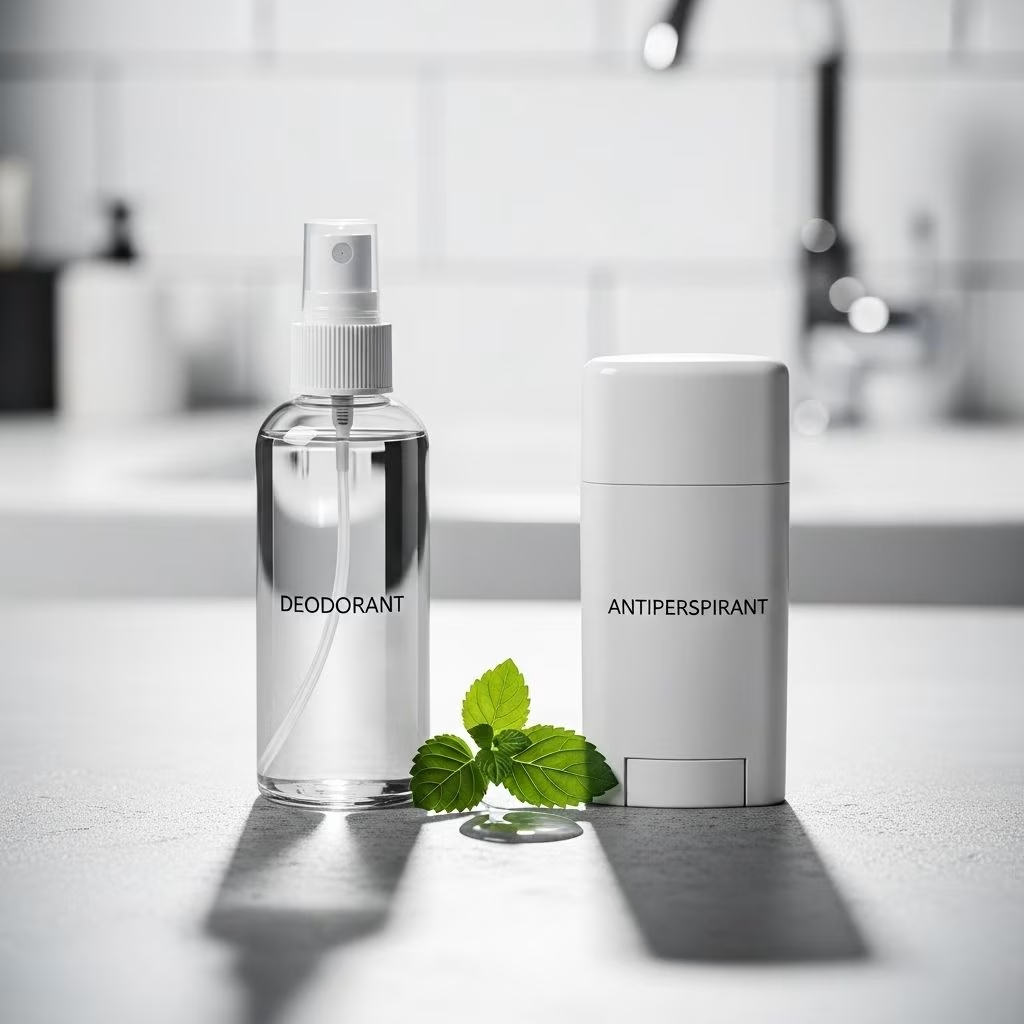
Every day, millions of people apply products to their underarms without fully understanding what these products do or how they affect their skin. The choice between antiperspirant and deodorant is more than just a matter of preference—it involves understanding the science behind sweat, odor, and skin health. This comprehensive guide explores the critical differences between these two products and their impact on your underarm skincare.
Understanding the Fundamentals
The confusion between antiperspirants and deodorants is widespread, yet these products serve distinctly different purposes. While both are applied to the underarm area and aim to keep you feeling fresh, their mechanisms of action and regulatory classifications differ significantly.
Deodorants are cosmetic products designed to mask or eliminate body odor. They work by targeting the bacteria on your skin that create unpleasant smells when they interact with sweat. Classified as cosmetics, deodorants do not require FDA premarket approval, though manufacturers remain legally responsible for ingredient safety and product quality. These products typically contain antimicrobial agents that reduce odor-causing bacteria and fragrances that mask any remaining odor.
Antiperspirants, on the other hand, are classified as over-the-counter drugs by the FDA because they alter a bodily function—specifically, they reduce sweat production. This regulatory distinction means antiperspirants undergo more rigorous testing and may carry expiration dates on their packaging. The fundamental difference lies in their active ingredients: antiperspirants contain aluminum-based compounds, while deodorants do not.
Many modern products combine both functions, offering the odor-masking properties of deodorants with the sweat-reducing capabilities of antiperspirants. This dual-action approach addresses both the moisture and odor concerns that many people experience.
How Antiperspirants and Deodorants Work
The Science Behind Deodorants
Deodorants operate on a simple but effective principle: controlling the bacterial population on your skin. The truth about body odor is that sweat itself is virtually odorless—it consists primarily of water and trace minerals. The characteristic smell we associate with body odor actually comes from bacteria on the skin surface that metabolize the proteins and lipids in our sweat, particularly the sweat produced by apocrine glands in the underarm area.
Deodorants employ two primary strategies to combat this odor. First, they include antimicrobial ingredients that reduce the number of bacteria capable of breaking down sweat. Second, they incorporate fragrances that mask any odor that does develop. Some formulations also contain alcohols that create an inhospitable environment for bacterial growth while providing a cooling sensation upon application.
The Mechanism of Antiperspirants
Antiperspirants work through a more complex physiological mechanism. Their aluminum-based active ingredients—including aluminum chlorohydrate, aluminum zirconium, and aluminum chloride—react with cells on the skin surface and within the sweat ducts. Specifically, these aluminum salts interact with mucopolysaccharides in the eccrine sweat glands, which are responsible for producing the watery sweat that helps regulate body temperature.
When applied to the skin, antiperspirants temporarily block the pores and sweat glands, restricting the flow of sweat to the skin surface. This blockage occurs through a two-fold process: the aluminum salts cause superficial damage to skin cells, and they physically obstruct the openings of sweat glands. By reducing the amount of moisture on the skin, antiperspirants also indirectly reduce odor, as less sweat means fewer nutrients for odor-causing bacteria.
For individuals with hyperhidrosis—a condition characterized by excessive sweating—prescription-strength antiperspirants containing higher concentrations of aluminum chloride or aluminum hexahydrate may be necessary to achieve adequate sweat control.
Key Ingredients and Their Impact
Aluminum Compounds in Antiperspirants
The active ingredients in antiperspirants are various forms of aluminum salts, each with slightly different properties and efficacy levels. Aluminum chlorohydrate is the most commonly used compound in over-the-counter products, offering effective sweat reduction with relatively mild skin irritation. Aluminum zirconium compounds provide longer-lasting protection and are often found in clinical-strength formulations. Aluminum chloride, the most potent form, is typically reserved for prescription products designed to treat severe hyperhidrosis.
These aluminum compounds work by creating temporary plugs in the sweat ducts, effectively reducing the amount of sweat that reaches the skin surface. While concerns have been raised about aluminum absorption and potential health effects, both the FDA and the National Cancer Institute have stated that current scientific evidence does not support a link between antiperspirant use and increased cancer risk.
Common Deodorant Ingredients
Deodorants rely on a different set of ingredients to achieve their odor-controlling effects. Antimicrobial agents such as triclosan, alcohol, or natural alternatives like tea tree oil work to reduce bacterial populations. Fragrances—either synthetic or natural essential oils—provide the pleasant scents that mask any remaining odor. Some formulations include absorbent powders like cornstarch or baking soda to help manage moisture without blocking sweat glands.
Many deodorants also contain skin-conditioning ingredients such as vitamin E, aloe vera, or various oils to counteract the drying effects of alcohol and maintain skin health. Parabens, a class of preservatives, have historically been included in many formulations, though consumer demand has led to an increase in paraben-free options.
Underarm Skincare Effects
Impact on Skin Barrier Function
The underarm area features delicate skin that is particularly susceptible to irritation due to constant friction, occlusion from clothing, and the application of various products. Both antiperspirants and deodorants can affect the skin barrier in different ways.
Antiperspirants, by their very nature, interfere with the normal physiological process of sweating. While this interference is temporary and generally considered safe, it can potentially disrupt the skin’s natural pH balance and moisture regulation. The aluminum salts in antiperspirants can be drying and may cause irritation, particularly in individuals with sensitive skin or those who apply the product to freshly shaved skin where micro-abrasions provide easier penetration.
Deodorants, particularly those containing high concentrations of alcohol, can also be drying and irritating. The fragrances and preservatives in deodorants represent common allergens that may trigger contact dermatitis in susceptible individuals. However, because deodorants do not block sweat glands, they allow for more natural skin function and may be better tolerated by those with sensitive skin.
Common Skin Reactions
Several skin conditions can develop from regular use of underarm products. Contact dermatitis manifests as redness, itching, and inflammation in the underarm area and can result from sensitivity to fragrances, preservatives, or aluminum compounds. Irritant dermatitis occurs when the product itself damages the skin barrier through chemical irritation rather than an allergic reaction.
Some individuals experience hyperpigmentation or darkening of the underarm skin, which can result from chronic inflammation, friction combined with product use, or as a reaction to specific ingredients. Folliculitis—inflammation of the hair follicles—can occur when products are applied immediately after shaving, allowing ingredients to penetrate more deeply into the skin.
Long-term Skin Health Considerations
The long-term effects of daily antiperspirant or deodorant use on underarm skin health remain a topic of ongoing research. The skin microbiome—the diverse community of bacteria, fungi, and other microorganisms that naturally inhabit our skin—plays a crucial role in maintaining skin health and immune function. Regular use of antimicrobial products can potentially alter this microbiome, though the clinical significance of these changes is not fully understood.
Chronic blockage of sweat glands through antiperspirant use may theoretically affect the skin’s ability to regulate temperature and eliminate waste products, though the body has numerous sweat glands in other areas that compensate for this reduced underarm function. Proper hygiene practices and allowing the skin periodic breaks from product application can help maintain long-term skin health.
Benefits Comparison
| Feature | Antiperspirant | Deodorant |
|---|---|---|
| Primary Function | Reduces sweat production | Masks or eliminates odor |
| Active Ingredient | Aluminum salts | None (antimicrobials and fragrances) |
| Regulatory Classification | Over-the-counter drug (FDA regulated) | Cosmetic product |
| Moisture Control | Excellent – blocks sweat | None – may absorb surface moisture |
| Odor Control | Good – reduces sweat for bacteria | Excellent – specifically designed for odor |
| Duration of Effect | Longer lasting (24-48 hours) | Shorter duration (12-24 hours) |
| Skin Sensitivity | Higher potential for irritation | Variable depending on ingredients |
| Natural Function | Blocks natural sweating process | Allows natural sweating |
Moisture Reduction Benefits
For individuals who experience significant underarm sweating, antiperspirants offer clear advantages. By reducing the amount of sweat that reaches the skin surface, these products help prevent wet marks on clothing, reduce the clammy feeling associated with perspiration, and provide confidence in social and professional situations. This moisture control is particularly valuable during physical activities, in hot environments, or during stressful situations that trigger sweating responses.
Odor Management Benefits
Both product types address odor, but through different mechanisms. Deodorants excel at providing pleasant fragrances and creating an environment less hospitable to odor-causing bacteria. Antiperspirants reduce odor by limiting the sweat that bacteria need to produce malodorous compounds. For many people, combination products that offer both functions provide the most comprehensive protection.
Potential Risks and Considerations
Aluminum Exposure Concerns
The presence of aluminum in antiperspirants has generated considerable debate and concern among consumers. Some studies have explored potential links between aluminum exposure and conditions such as breast cancer and Alzheimer’s disease. However, major health organizations, including the FDA, the National Cancer Institute, and the Alzheimer’s Association, have reviewed the available scientific evidence and found no conclusive proof that antiperspirant use increases the risk of these conditions.
The amount of aluminum absorbed through intact skin from antiperspirants is minimal, and the body naturally eliminates aluminum through the kidneys. However, individuals with impaired kidney function should consult their healthcare providers about antiperspirant use, as their bodies may have difficulty processing aluminum efficiently.
Skin Sensitivity and Allergic Reactions
Both antiperspirants and deodorants can trigger adverse skin reactions in sensitive individuals. The most common issues include redness, itching, burning sensations, and rash development. These reactions may result from fragrances, preservatives like parabens, propylene glycol, or the aluminum compounds themselves.
Application to freshly shaved skin significantly increases the risk of irritation, as shaving creates microscopic cuts and abrasions that allow deeper ingredient penetration. Waiting at least several hours after shaving before applying underarm products can reduce this risk considerably.
Impact on Sweat Gland Function
Long-term blockage of sweat glands through regular antiperspirant use raises questions about potential effects on gland function. While research suggests that normal sweat gland function resumes after discontinuing antiperspirant use, some individuals report temporary increases in sweating when they stop using these products—a phenomenon sometimes called “rebound sweating.” This may occur as the body recalibrates its sweating response after prolonged suppression.
Choosing the Right Product
Assessing Your Needs
Selecting between antiperspirant and deodorant depends on your individual needs, concerns, and skin sensitivity. If excessive sweating interferes with your daily life, causes clothing damage, or creates social anxiety, an antiperspirant is likely the better choice. Those primarily concerned with odor control who sweat at normal levels may find deodorant sufficient.
Consider your skin sensitivity when making this decision. If you have reactive skin, eczema, or a history of contact dermatitis, starting with a basic deodorant formulated for sensitive skin may be prudent. You can always transition to an antiperspirant if needed.
Understanding Product Strengths
Antiperspirants and deodorants come in various strength levels. Regular strength products work well for most people with average sweating and odor concerns. Clinical strength or prescription strength options contain higher concentrations of active ingredients and are designed for individuals with hyperhidrosis or those who have not achieved adequate results with regular products.
When trying a new product, give it adequate time to work—typically at least one to two weeks. Some antiperspirants become more effective with continued use as the blockage of sweat glands accumulates. If a product causes persistent irritation, discontinue use and try a different formulation.
Special Considerations
Certain populations may have specific needs when selecting underarm products. Pregnant and nursing women may prefer to minimize aluminum exposure, though current evidence suggests standard antiperspirant use is safe. Adolescents experiencing the onset of body odor may start with deodorants before progressing to antiperspirants if needed. Athletes and those with physically demanding jobs often benefit from stronger antiperspirant formulations to manage increased sweating.
Application Tips for Optimal Results
Timing and Technique
Many people apply underarm products incorrectly, reducing their effectiveness. For maximum benefit, apply antiperspirants at night before bed rather than in the morning. This timing allows the aluminum compounds to form plugs in the sweat ducts while you sleep, when sweat production naturally decreases. The plugs remain effective even after showering the following morning.
Ensure the underarm area is completely dry before application. Moisture dilutes the product and reduces its effectiveness. For deodorants, morning application is typically sufficient, though reapplication throughout the day may be necessary depending on activity level and the specific product used.
Proper Amount and Coverage
Using too much product does not increase effectiveness and may lead to residue buildup on clothing and skin. For stick formulations, two to three upward and downward swipes provide adequate coverage. For roll-ons and aerosols, follow the manufacturer’s instructions for application. Ensure even coverage across the entire underarm area, as gaps in coverage can allow sweating and odor development in untreated zones.
Skin Preparation and Care
Maintaining healthy underarm skin improves product tolerance and effectiveness. Gentle cleansing with a mild soap removes bacteria, dead skin cells, and product residue without over-stripping the skin. Exfoliating the underarm area once or twice weekly can prevent clogged pores and ingrown hairs, particularly for those who shave regularly.
If you shave your underarms, wait several hours or until the next day before applying antiperspirant or deodorant. This delay allows micro-abrasions to heal and reduces the risk of irritation. Consider shaving at night and applying products in the morning, or vice versa, to maximize this waiting period.
Natural Alternatives and Innovations
The Rise of Natural Deodorants
Growing consumer awareness about cosmetic ingredients has fueled demand for natural and aluminum-free alternatives. Natural deodorants typically rely on ingredients like baking soda, arrowroot powder, coconut oil, shea butter, and essential oils to absorb moisture, neutralize odor, and provide antibacterial effects without blocking sweat glands.
These products allow the body to sweat naturally while managing odor through antimicrobial action and absorbent ingredients. However, effectiveness varies considerably among formulations and individuals. Some people find natural deodorants work well for their needs, while others experience inadequate odor control or skin irritation from ingredients like baking soda.
Transitioning to Natural Products
Switching from conventional antiperspirants to natural deodorants often requires an adjustment period. During this transition, which typically lasts two to four weeks, many people experience increased sweating and odor as the body recalibrates its sweat production and the underarm microbiome rebalances. Patience and persistence during this period are essential, as the situation usually improves with continued use.
To ease the transition, maintain excellent hygiene practices, wear breathable fabrics, and consider carrying the deodorant with you for midday reapplication if needed. If a particular natural formula causes irritation, experiment with different brands, as ingredient combinations vary widely.
Emerging Technologies
Innovation in underarm care continues to evolve. Probiotic deodorants introduce beneficial bacteria to the underarm microbiome to crowd out odor-causing species. Enzyme-based formulations break down the compounds that bacteria convert into odorous molecules. Microencapsulation technology delivers active ingredients gradually throughout the day for extended protection.
Research into alternative sweat-reduction methods that do not rely on aluminum continues, with some promising candidates in development. These innovations may eventually provide aluminum-free options for individuals who need sweat control but prefer to avoid conventional antiperspirants.
Frequently Asked Questions
Q: Is it safe to use antiperspirant every day?
A: Yes, daily antiperspirant use is considered safe for most people. The FDA regulates these products as over-the-counter drugs and has determined that aluminum-based antiperspirants are safe for everyday use. However, if you experience skin irritation or have concerns about aluminum exposure, consult with a dermatologist about alternatives.
Q: Can antiperspirants cause breast cancer?
A: Current scientific evidence does not support a link between antiperspirant use and breast cancer. Both the National Cancer Institute and the American Cancer Society have reviewed available research and found no conclusive evidence of increased cancer risk from these products.
Q: Why do I sweat more after switching to natural deodorant?
A: When transitioning from antiperspirants to natural deodorants, your body needs time to adjust. Antiperspirants suppress sweat production, so stopping their use allows your sweat glands to function normally again. This adjustment period typically lasts two to four weeks, after which sweating usually normalizes.
Q: Should I apply antiperspirant in the morning or at night?
A: For optimal effectiveness, apply antiperspirant at night before bed on clean, dry skin. This timing allows the aluminum compounds to form blockages in your sweat ducts while you sleep and sweat less. These blockages remain effective even after morning showering.
Q: Can I use deodorant on other parts of my body?
A: Yes, both deodorants and antiperspirants can be applied to other areas where you experience sweating or odor, such as the feet, under the breasts, or the groin area. However, be cautious with sensitive skin areas and choose products specifically formulated for those regions when available.
Q: How can I prevent dark underarms from deodorant use?
A: Underarm darkening can result from irritation, friction, or buildup of product residue. To prevent this, ensure complete removal of products during cleansing, exfoliate regularly, avoid applying products immediately after shaving, and choose formulations designed for sensitive skin. If darkening persists, consult a dermatologist.
Q: What should I do if my antiperspirant stops working?
A: If your antiperspirant becomes less effective, try switching to a different formulation or brand, as your body may adapt to specific aluminum compounds. Ensure you are applying the product correctly—at night on clean, dry skin. If excessive sweating persists, you may need a clinical-strength or prescription product, so consult your healthcare provider.
Q: Are natural deodorants better for my skin?
A: Natural deodorants can be gentler for some people, particularly those sensitive to synthetic fragrances or aluminum. However, some natural ingredients like baking soda can also cause irritation. The best product for your skin depends on your individual sensitivities and needs rather than whether it is labeled natural or conventional.
Understanding the differences between antiperspirants and deodorants, along with their respective impacts on underarm skin health, empowers you to make informed choices about your personal care routine. Whether you prioritize sweat reduction, odor control, natural ingredients, or skin sensitivity, options exist to meet your specific needs. By selecting appropriate products, applying them correctly, and maintaining good skin care practices, you can achieve effective underarm protection while supporting long-term skin health.
References
- http://www.webmd.com/skin-problems-and-treatments/difference-between-deodorant-and-antiperspirant
- https://www.medicalnewstoday.com/articles/deodorant-vs-antiperspirant
- https://shopmando.com/blogs/mando-blog/whats-the-difference-between-deodorant-and-antiperspirant
- https://www.mostskincare.com/en/deodorant-or-antiperspirant-which-one-to-choose/
- https://secret.com/en-us/articles/antiperspirants-vs-deodorants-whats-the-difference
- https://health.clevelandclinic.org/antiperspirant-vs-deodorant
- https://www.healthline.com/health/deodorant-vs-antiperspirant


