


- What Are Water Enhancers?
- Common Ingredients in Water Enhancers
- Nutritional Value vs. Hype
- Potential Health Risks
- Health Effects of Artificial Sweeteners
- Artificial Colors and Dyes
- Other Additives of Concern
- Water Enhancers and Medication
- Do They Actually Improve Hydration?
- Sugar Cravings and Appetite
- Are Water Enhancers Right for You?
- Healthier Alternatives to Water Enhancers
- Frequently Asked Questions
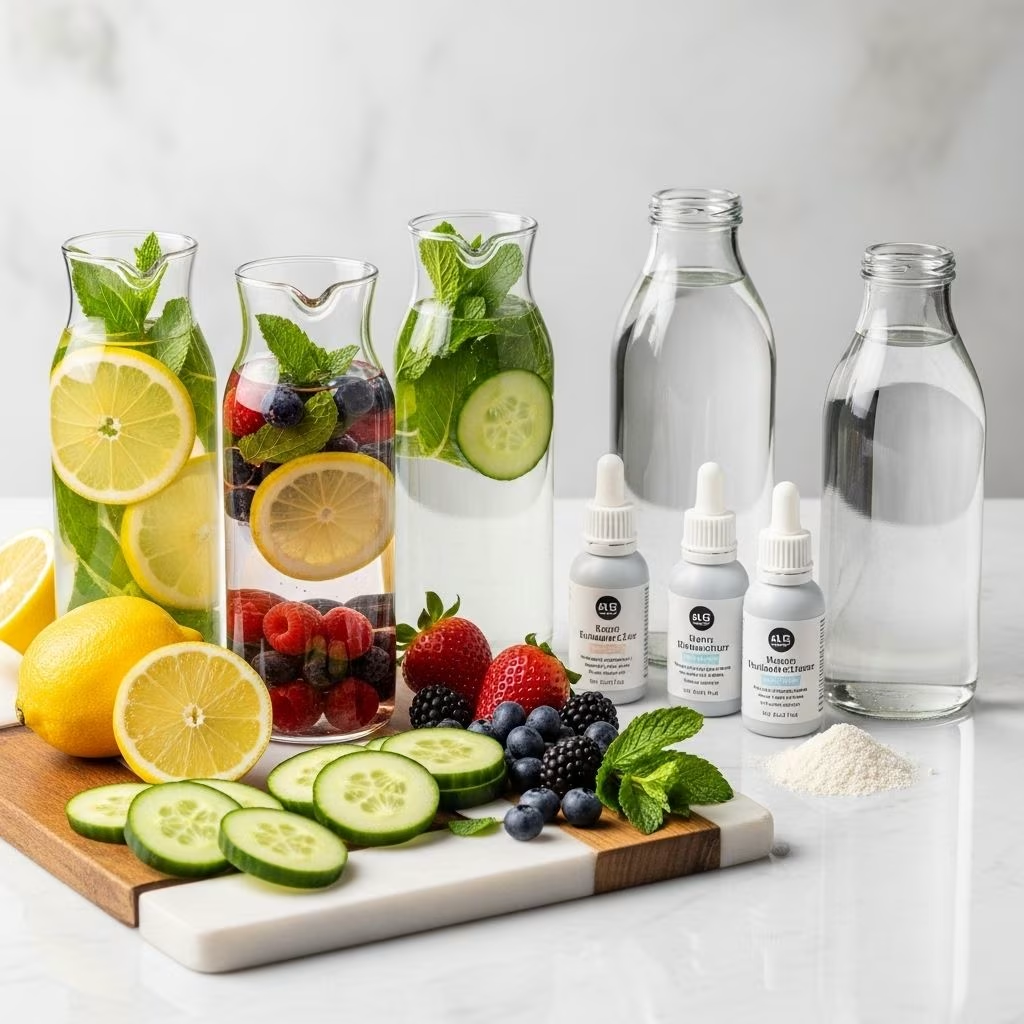
What Are Water Enhancers?
Water enhancers are liquid, powder, or tablet products designed to be added to plain water to improve its taste, color, and sometimes its nutritional profile. Marketed as a healthy, convenient alternative to sugary sodas, juices, and sports drinks, they promise to make hydration more enjoyable with flavors ranging from citrus and berry to exotic fruit blends. These products often contain no sugar and few to no calories, appealing to those looking to reduce sugar intake or lose weight.
Common Ingredients in Water Enhancers
When you examine the labels of popular water enhancers, you’ll often find a mix of the following ingredients:
- Artificial sweeteners (e.g., sucralose, acesulfame potassium, aspartame)
- Artificial flavors and colors
- Caffeine and other stimulants (in “energy” varieties)
- Preservatives
- Propylene glycol
- Trace vitamins (e.g., B vitamins, vitamin C)
Manufacturers may also add herbal extracts, antioxidants, or electrolytes for marketing purposes, but these are typically present in negligible amounts.
Nutritional Value vs. Hype
While packaging often touts benefits like “energy,” “vitamins,” or “sport performance,” the nutritional value of most water enhancers is minimal. The small amounts of added vitamins are not enough to significantly impact your daily nutritional needs. The primary benefit, if any, comes from increased water consumption, especially for those who dislike the taste of plain water.
Potential Health Risks
Although the U.S. Food and Drug Administration (FDA) generally regards these products as safe, that does not necessarily mean they are risk-free. Several ingredients commonly found in water enhancers have raised concerns among health professionals:
Health Effects of Artificial Sweeteners
Artificial sweeteners like sucralose, aspartame, and acesulfame potassium are calorie-free and hundreds of times sweeter than sugar. However, some research suggests they may:
- Disrupt gut microbiota, potentially affecting digestion and immunity.
- Influence blood sugar and insulin responses, even though they contain no carbohydrates.
- Increase cravings for sweet foods, contributing to overeating and weight gain.
- Cause gastrointestinal issues such as bloating, gas, and upset stomach in some individuals.
While these effects are not universal, people with sensitivities may experience headaches or digestive discomfort after consuming products with artificial sweeteners.
Artificial Colors and Dyes
Many water enhancers contain synthetic food dyes, such as Yellow 5 (tartrazine), which have been linked to allergic reactions, hyperactivity in children, and, in some cases, traces of carcinogens. These additives are controversial, and some consumers prefer to avoid them entirely. Always check the label if you have sensitivities or concerns about artificial colors.
Other Additives of Concern
- Caffeine: Energy water enhancers often include caffeine. While the FDA considers up to 400 mg/day safe for most adults, caffeine sensitivity varies. Excessive intake can lead to insomnia, anxiety, headaches, and jitters.
- Propylene glycol: Used to stabilize and thicken liquids, this additive is also found in antifreeze and cosmetics. Its safety in food is debated, as some people report allergic reactions.
- Herbal ingredients: Some enhancers add herbal extracts, which may have diuretic effects, potentially counteracting hydration.
Water Enhancers and Medication
Some water enhancers’ ingredients—particularly herbal components—can interact with medications, affecting their efficacy or causing unwanted side effects. If you take prescription drugs, it’s wise to consult your healthcare provider before regularly consuming these products.
Do They Actually Improve Hydration?
The central promise of water enhancers is that they encourage people to drink more water, which is vital for health, especially for those who dislike plain water. For these individuals, flavored water may indeed support adequate hydration. However, some herbal additives can have a diuretic effect, potentially reducing hydration benefits. If your only goal is to stay hydrated, plain water remains the gold standard.
Sugar Cravings and Appetite
Regular consumption of intensely sweet, zero-calorie products may actually increase cravings for sugary foods and disrupt natural appetite regulation, leading some people to consume more calories overall. This side effect can be counterproductive for those trying to manage weight or reduce sugar intake.
Are Water Enhancers Right for You?
Water enhancers can be a useful tool for increasing water intake, especially if they help you reduce consumption of sugary beverages like soda and juice. However, their benefits must be weighed against potential drawbacks. Consider the following factors:
- Tolerances and sensitivities: Are you sensitive to artificial sweeteners, dyes, or caffeine? Do you experience headaches, stomachaches, or jitters after use?
- Medications: Do you take prescription drugs that could interact with herbal or other ingredients?
- Health goals: Are you seeking weight loss, better hydration, or reduced sugar intake?
If you experience adverse effects or have concerns about certain ingredients, it may be best to avoid water enhancers or use them only occasionally.
Healthier Alternatives to Water Enhancers
If you want flavorful water without artificial additives, consider these natural options:
- Infused water: Add slices of citrus fruits, berries, cucumber, or fresh herbs like mint or basil to your water for subtle, refreshing flavor.
- Herbal tea: Brew caffeine-free herbal teas and chill them for a flavorful, additive-free beverage.
- Coconut water: Naturally sweet and rich in electrolytes, coconut water can be a hydrating alternative.
- Sparkling water with fruit: Combine sparkling water with a splash of pure fruit juice for a fizzy, naturally sweet drink.
These alternatives provide flavor and nutrition without the potential downsides of artificial sweeteners, dyes, or preservatives.
Frequently Asked Questions
Are water enhancers safe for everyone?
While generally recognized as safe by regulatory agencies, water enhancers can cause side effects in some people, including headaches, gastrointestinal upset, and interactions with medications. Individuals with sensitivities to artificial ingredients or certain health conditions should exercise caution.
Do water enhancers provide real health benefits?
The primary benefit is increased water consumption for those who dislike plain water. However, most water enhancers offer negligible nutritional value, despite marketing claims. The real advantage is reducing sugary beverage intake, not providing significant vitamins or energy.
Can water enhancers help with weight loss?
They can support weight loss if used to replace high-calorie beverages, but artificial sweeteners may increase cravings for sweet foods, potentially undermining weight management efforts.
Are there natural alternatives to water enhancers?
Yes, you can flavor water naturally with fruit slices, herbs, or a splash of juice. These options are free from artificial additives and provide additional nutrients.
Should children use water enhancers?
Parents should be cautious, as children may be more sensitive to artificial colors and caffeine. Always read labels carefully and consult a pediatrician if unsure.
How can I tell if a water enhancer is safe for me?
Check the ingredient list for any substances you are sensitive to, and consider starting with a small amount to assess tolerance. If you take medications, consult your healthcare provider before regular use.
Conclusion
Water enhancers offer a convenient way to make water more appealing, supporting better hydration for those who struggle with plain water. However, they often come with a mix of artificial sweeteners, colors, and other additives, some of which may cause health concerns for sensitive individuals. While regulatory agencies consider these products generally safe, it’s important to be mindful of your own sensitivities, health goals, and any potential interactions with medications. For the healthiest hydration, plain water remains the best choice, but for those seeking flavor, natural infusions provide a safer, additive-free alternative.
References
- https://rightasrain.uwmedicine.org/body/food/water-enhancers-safe-to-drink
- https://goaskalice.columbia.edu/answered-questions/are-flavored-water-enhancers-bad-you
- https://goodonyaorganic.com/blogs/goodonya-hydrate/the-truth-about-water-enhancers
- https://newsroom.uw.edu/blog/dietitian-reviews-water-enhancers-small-print-usefulness
- https://www.nutrisense.io/blog/is-mio-bad-for-you
- https://health.clevelandclinic.org/is-flavored-water-good-for-you
- https://www.rupahealth.com/post/the-harmful-effects-of-flavor-enhancers
- https://www.healthline.com/nutrition/is-mio-bad-for-you
- https://www.stelizabeth.com/healthyheadlines/liquid-water-enhancers/


