


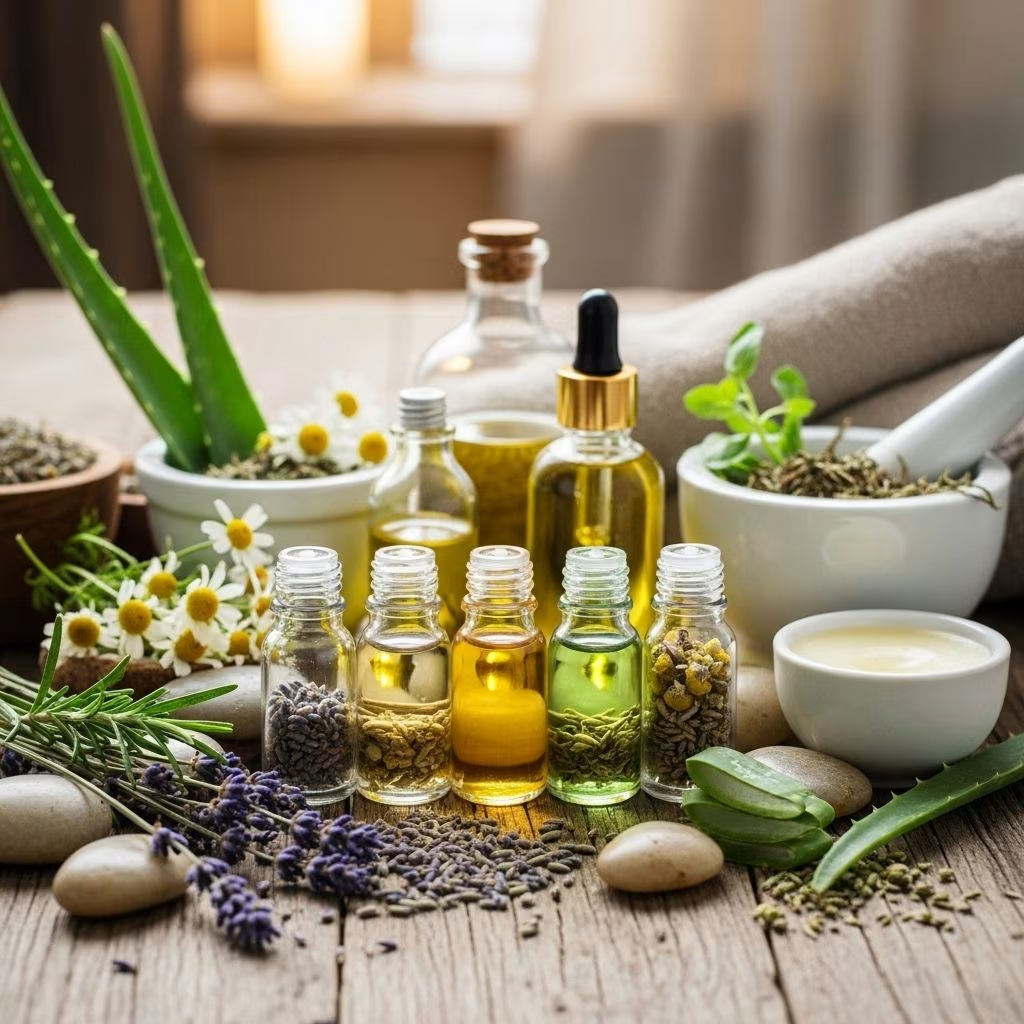
Aromatherapy—using essential oils from aromatic botanical sources—has gained recognition as a gentle yet effective approach for calming sensitive skin and fortifying the skin’s natural barrier. This article explores evidence-based essential oils and custom blends for skin health, offering guidance on blend formulation, benefits, and safety best practices. Whether you’re seeking to soothe irritation, manage flare-ups, or boost barrier resilience, this comprehensive guide will help you incorporate aromatherapy blends into your skincare routine.
Introduction to Skin Calm & Barrier Support with Aromatherapy
The skin barrier is a protective layer that defends against environmental stressors and prevents water loss. When compromised by stress, weather extremes, or harsh products, the barrier weakens—leading to sensitivity, redness, irritation, and conditions such as eczema or acne. Conventional treatments may offer temporary relief, but many skincare enthusiasts seek gentle, nature-based alternatives. Aromatherapy, through strategic use of essential oils and plant extracts, can deliver anti-inflammatory, antimicrobial, and barrier-repairing benefits when used judiciously and safely.
Why Focus on Skin Calm and Barrier Support?
- Restoring calm reduces visible redness and discomfort.
- Supporting the skin barrier defends against environmental damage and moisture loss.
- Prevention and relief for common issues: eczema, dermatitis, acne, sensitivity, and irritation.
Evidence-Based Essential Oils for Skin Calm and Barrier Health
Scientific research supports the therapeutic potential of certain essential oils in dermocosmetic applications and barrier repair formulations. The following oils have demonstrated notable benefits for soothing irritation, suppressing inflammation, or fostering barrier recovery:
| Essential Oil | Main Skin Benefits | Notable Compounds |
|---|---|---|
| Lavender (Lavandula angustifolia) | Anti-inflammatory, antimicrobial, promotes wound and barrier repair | Linalool, linalyl acetate |
| Chamomile (Matricaria chamomilla) | Reduces redness and inflammation, suitable for eczema-prone/irritated skin | Bisabolol, chamazulene |
| Tea Tree (Melaleuca alternifolia) | Potent antibacterial and antifungal, helps with acne and barrier defense | Terpinen-4-ol |
| Patchouli (Pogostemon cablin) | Antioxidant, antimicrobial, sedative, supports wound healing and photoaging prevention | Pogostone, patchoulol |
| Rose (Rosa damascena) | Hydrating, anti-inflammatory, calming for sensitive/reactive skin | Citronellol, geraniol |
| Frankincense (Boswellia carterii) | Reduces inflammation, fosters tissue regeneration and skin elasticity | Alpha-pinene, limonene |
| Geranium (Pelargonium graveolens) | Balances sebum, soothes minor inflammation, aids in healing | Geraniol, citronellol |
| Eucalyptus (Eucalyptus globulus) | Antimicrobial, clarifies congested skin, supports barrier defense | Eucalyptol (1,8-cineole) |
Peer-reviewed studies emphasize that lavender, chamomile, and tea tree oils are particularly valuable for their barrier-supportive, anti-irritant, and healing attributes. Patchouli oil is also useful in barrier-replenishing routines due to its wound-healing antioxidant properties.
Principles of Formulating Skin-Calming Blends
Effective aromatherapy blends for skin calm and barrier support are grounded in two key concepts: synergy and dilution. Single oils have benefits, but blends can enhance results and minimize potential for irritation. Proper dilution in carrier oils is critical to avoid sensitivity and maximize absorption.
Key Principles:
- Blend for Synergy: Combine oils with complementary actions (e.g., anti-inflammatory + barrier-repair + antimicrobial)
- Dilution is Essential: For facial application, dilute essential oils to 0.5% – 2% (1–3 drops per teaspoon of carrier oil); for body, up to 3% is typical
- Choose a Suitable Carrier: Carrier oils rich in linoleic acid, ceramides, and antioxidants further support skin barrier health
- Patch Test Every Blend: Even gentle essential oils can cause reactions in sensitive individuals
Recommended Carrier Oils for Barrier Support:
- Jojoba oil (mimics skin sebum, non-comedogenic)
- Sweet almond oil (gentle, vitamin-rich, suitable for dry/sensitive skin)
- Rosehip seed oil (regenerating, rich in omega-3 and omega-6 fatty acids)
- Squalane (skin-identical lipid, lightweight, strengthens barrier)
- Hemp seed oil (anti-inflammatory, balances sebum, calms irritation)
Top Aromatherapy Blends for Skin Calm & Barrier Support
Here are science-informed recipes you can safely try at home. These blends focus on reducing irritation, supporting barrier repair, and relieving redness or discomfort. Adjust proportions for larger volumes, and always start with the lowest recommended dilution when using oils new to your skin.
1. Classic Calming & Barrier Blend
- 2 Tablespoons jojoba oil
- 2 drops lavender essential oil
- 1 drop chamomile (German or Roman) essential oil
- 1 drop frankincense essential oil
Mix and massage gently onto clean, dry skin at bedtime to encourage overnight barrier repair and reduced redness.
2. Soothing Sensitivity Relief Serum
- 1 Tablespoon rosehip seed oil
- 1 Tablespoon squalane
- 1 drop rose essential oil
- 1 drop geranium essential oil
Shake well before use; ideal for dry patches, peri-oral dermatitis, or areas with visible irritation.
3. Clarifying & Barrier-Support Blend (For Blemish-Prone Skin)
- 2 Tablespoons hemp seed oil
- 1 drop tea tree essential oil
- 1 drop patchouli essential oil
- 1 drop lavender essential oil
Apply sparingly to breakout-prone or congested regions after a gentle cleanse. Supports barrier repair while mitigating overgrowth of acne bacteria.
4. Post-Shave or Irritation Relief Blend
- 1 Tablespoon sweet almond oil
- 1 drop chamomile essential oil
- 1 drop patchouli essential oil
- Optional: 1 drop eucalyptus essential oil (for added antimicrobial benefit)
This blend can reduce razor burn, soothe microtears, and replenish lost lipids for a comfortable post-shave feel.
5. Overnight Barrier Recovery Mask
- 1 Tablespoon squalane
- 1 Tablespoon rosehip oil
- 2 drops frankincense essential oil
- 2 drops lavender essential oil
Massage lightly onto skin as the final step in your evening routine; leave on overnight to encourage healing and repair.
Selecting Carrier Oils for Supportive Skincare
Carrier oils provide the lipidic foundation for effective aromatherapy blends. They not only dilute essential oils to skin-safe concentrations but also supply nutrients, antioxidants, and natural moisture-binding factors. Some carrier oils, like jojoba and rosehip, closely mimic the skin’s own sebum and barrier structure, enhancing reception and minimizing pore clogging.
- Jojoba Oil: Closely resembles skin’s own sebum; aids in balancing oil production and deeply moisturizing without heavy residue.
- Sweet Almond Oil: Suitable for dry and sensitive skin, rich in vitamin E, and easily absorbed for non-greasy hydration.
- Rosehip Seed Oil: Encourages regeneration and elasticity; contains high levels of omega-3 and omega-6 fatty acids.
- Squalane: Lightweight, non-comedogenic, and stabilizes skin’s own moisture reservoir, bolstering flexibility and suppleness.
- Hemp Seed Oil: Ideal for calming irritated or inflamed skin; balances sebum and relieves discomfort associated with sensitivity.
Best Application Methods and Tips
Aromatherapy blends must be applied in a way that maximizes their soothing impact while minimizing irritation risk or sensitization. A thoughtful application enhances both efficacy and safety:
- Patch Test First: Place a drop of diluted blend inside the elbow. Wait 24 hours; observe for redness, stinging, or new rash before broader use.
- Cleanse Skin Gently: Apply blends on clean, slightly damp skin to boost absorption while preventing trans-epidermal water loss.
- Massage in Circular Motions: Massaging gently helps enhance circulation, encourages absorption, and signals the nervous system to relax.
- Use at Night: Skin barrier repair is most active during sleep. Evening application increases recovery potential.
- Layer Wisely: Allow blends to absorb fully before layering sunscreens or cosmetics in the morning.
Safety Guidelines and Contraindications
Essential oils are potent, concentrated plant extracts. Skin-calming and barrier-support blends are best tolerated when formulated with gentle oils at the correct dilution. Always consider safety, especially when using on children, pregnant women, or those with skin disorders.
- Avoid citrus oils (like lemon, bergamot) for daytime use; they can heighten photosensitivity and cause pigmentation issues.
- Avoid essential oils undiluted (“neat”) directly on skin—always use a carrier.
- Do not apply to broken or oozing skin lesions unless directed by a qualified practitioner.
- Store blends in dark glass bottles away from sunlight, and check for oil oxidation (rancid smell or color changes).
- If adverse reactions occur (rash, swelling, blistering), discontinue use and consult a healthcare provider.
Frequently Asked Questions (FAQs)
Q: Can essential oils repair the skin barrier?
A: Some essential oils—especially lavender, chamomile, patchouli, and frankincense—can support barrier repair by reducing inflammation and oxidative damage, and promoting tissue regeneration when diluted and used with barrier-replenishing carrier oils.
Q: How often should I use aromatherapy blends for sensitive skin?
A: For best results, use barrier-support blends once or twice daily, preferably at night for recovery. Always monitor for new sensitivity, and patch test before regular use.
Q: Are essential oils safe for all skin types?
A: Most gentle essential oils are suitable for all skin types when properly diluted, but highly reactive or compromised skin (eczema, rosacea, open wounds) requires a dermatologist’s supervision. Everyone should patch test new formulas.
Q: Can I add essential oil blends to my moisturizer?
A: Yes, you may add a few drops of a pre-diluted blend to fragrance-free moisturizers for enhanced skin comfort and protection—but do not add pure essential oils directly to creams without appropriate dilution.
Q: Do natural essential oils work as well as synthetic actives?
A: Studies indicate that essential oils such as tea tree, chamomile, and lavender can be as effective as some synthetic ingredients for calming inflammation and supporting clear, healthy skin—but more long-term, high-quality trials are still needed.
Conclusion
Nature provides powerful allies for restoring skin calm and barrier strength. By incorporating the right essential oils in balanced, evidence-based blends and applying them in a mindful skincare routine, you can nurture resilient, comfortable, and radiant skin—naturally.
References
- https://pmc.ncbi.nlm.nih.gov/articles/PMC12408269/
- https://jintegrativederm.org/doi/10.64550/joid.nt5zgk07
- https://pdfs.semanticscholar.org/271a/0db1d601b6a93063b29259c5ac0c105ce474.pdf
- https://pmc.ncbi.nlm.nih.gov/articles/PMC5435909/
- https://www.dermatoljournal.com/articles/essential-oils-as-skin-permeation-boosters-and-their-predicted-effect-mechanisms.html
- https://onlinelibrary.wiley.com/doi/10.1111/ics.12960


