


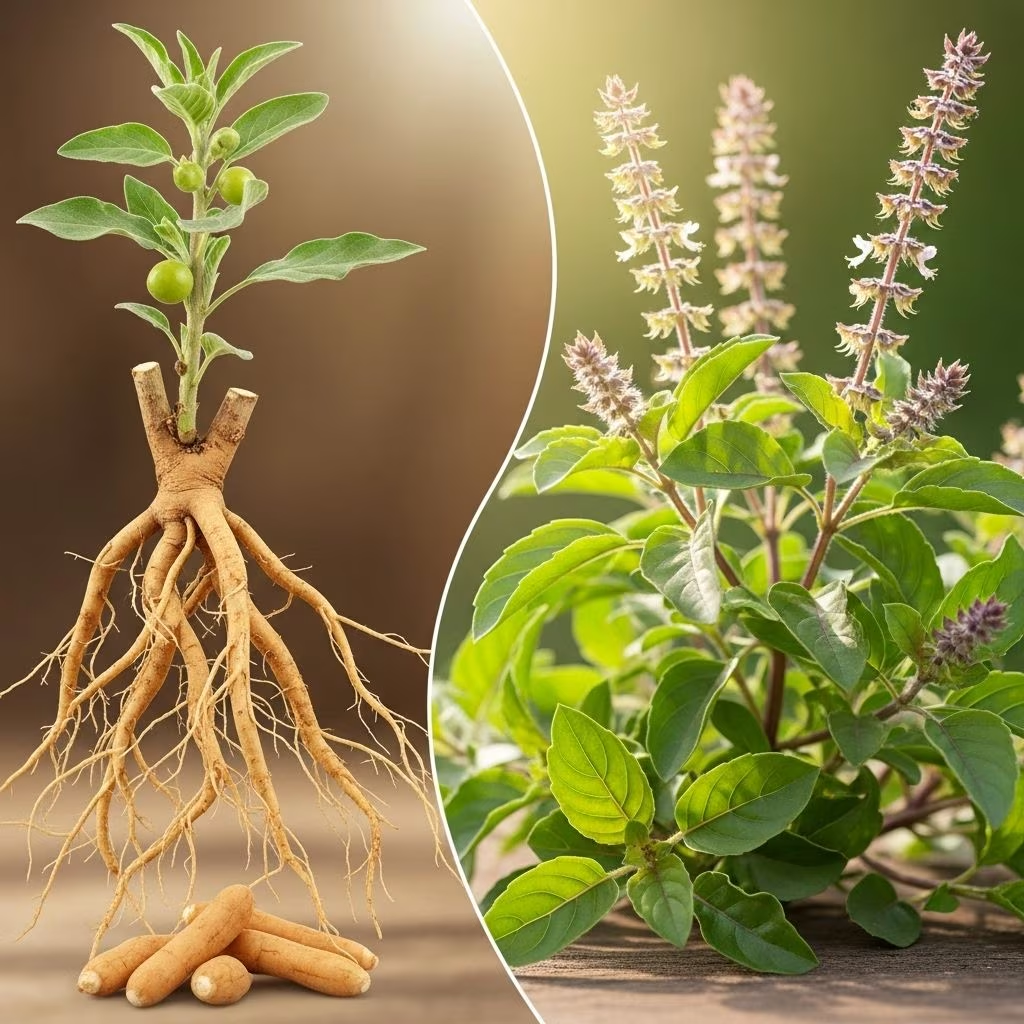
In our fast-paced modern world, chronic stress has become a widespread health concern affecting millions of people globally. While pharmaceutical interventions exist, many individuals are turning to natural alternatives rooted in ancient wisdom. Two of the most celebrated adaptogenic herbs for stress reduction are ashwagandha and holy basil, both with thousands of years of traditional use and growing scientific validation.
This comprehensive guide examines these two powerful herbs, comparing their mechanisms of action, clinical evidence, and practical applications to help you make an informed decision about which might be most beneficial for your specific stress management needs.
Understanding Adaptogens and Stress Response
Before diving into the specifics of ashwagandha and holy basil, it’s essential to understand what makes these herbs special. Adaptogens are a unique class of herbs that help the body adapt to various stressors, whether physical, chemical, or biological. They work by modulating the hypothalamic-pituitary-adrenal (HPA) axis, which is our body’s primary stress response system.
The HPA axis controls cortisol production, often called the “stress hormone.” When functioning optimally, cortisol follows a natural rhythm, peaking in the morning to help us wake up and gradually declining throughout the day. Chronic stress disrupts this pattern, leading to elevated cortisol levels that can contribute to anxiety, sleep problems, weight gain, and immune system dysfunction.
Both ashwagandha and holy basil qualify as true adaptogens because they:
- Are non-toxic when used in normal therapeutic doses
- Provide a non-specific response to stress
- Help normalize physiological functions
- Support homeostasis in the body
Ashwagandha: The Winter Cherry
Ashwagandha (Withania somnifera), also known as Indian winter cherry or Indian ginseng, is one of the most revered herbs in Ayurvedic medicine. The name “ashwagandha” literally translates to “smell of horse,” referring both to its distinctive odor and the traditional belief that consuming it provides the strength and vitality of a horse.
Traditional Uses and Properties
In Ayurveda, ashwagandha is classified as a rasayana, a category of herbs that promote longevity, enhance vitality, and support overall well-being. Traditionally, it has been used to:
- Combat fatigue and weakness
- Improve physical and mental strength
- Enhance reproductive health
- Support nervous system function
- Promote restful sleep
Active Compounds
The primary bioactive compounds in ashwagandha are withanolides, a group of naturally occurring steroids. The most studied withanolides include withanoside IV, withanoside VI, withanolide D, and withanoside VII. These compounds are responsible for many of ashwagandha’s adaptogenic and stress-reducing properties.
Holy Basil: The Sacred Herb
Holy basil (Ocimum tenuiflorum), known as “tulsi” in Sanskrit, holds a sacred place in Hindu tradition and Ayurvedic medicine. Unlike sweet basil used in cooking, holy basil is specifically cultivated for its medicinal properties and spiritual significance.
Traditional Uses and Cultural Significance
Holy basil has been revered in India for over 3,000 years, where it’s considered “The Queen of Herbs” and often grown around homes and temples. Traditional uses include:
- Purifying the mind and body
- Enhancing spiritual awareness
- Supporting respiratory health
- Balancing emotions and mood
- Promoting longevity and vitality
Active Compounds
Holy basil contains numerous bioactive compounds, including eugenol, rosmarinic acid, ocimarin, and various flavonoids. These compounds contribute to its adaptogenic, anti-inflammatory, and neuroprotective effects.
How Each Herb Reduces Stress
Ashwagandha’s Stress-Fighting Mechanisms
Ashwagandha primarily reduces stress through several interconnected pathways:
Cortisol Regulation: Multiple studies demonstrate ashwagandha’s ability to significantly reduce morning cortisol levels. One notable study showed a 23% reduction in morning cortisol production with just 240mg daily of standardized extract.
GABA Enhancement: Ashwagandha appears to enhance GABA (gamma-aminobutyric acid) signaling in the brain, promoting relaxation and reducing anxiety. GABA is the brain’s primary inhibitory neurotransmitter, helping to calm neural activity.
Neuroprotection: The herb provides neuroprotective benefits, potentially protecting brain cells from stress-induced damage and supporting overall cognitive function.
Holy Basil’s Stress-Relief Properties
Holy basil approaches stress reduction through complementary mechanisms:
Cortisol Modulation: Research shows holy basil can help normalize cortisol levels, though its effects may be more gentle compared to ashwagandha. Studies indicate improved salivary cortisol patterns with regular use.
Neurotransmitter Balance: Holy basil influences multiple neurotransmitter systems, including serotonin and dopamine, contributing to improved mood and emotional balance.
Anti-inflammatory Effects: Chronic stress often involves inflammation. Holy basil’s potent anti-inflammatory properties help address this underlying component of stress-related health issues.
Scientific Evidence and Clinical Studies
Ashwagandha Research Highlights
The scientific evidence supporting ashwagandha for stress reduction is particularly robust:
A landmark 2012 study involving 64 chronically stressed adults found that 600mg of ashwagandha root extract daily for 60 days resulted in a 44% reduction in perceived stress scores compared to just 5.5% in the placebo group. The treatment group also showed a 27.9% decrease in cortisol levels.
A more recent 2019 study demonstrated that even lower doses can be effective. Participants taking 240mg of standardized ashwagandha extract (35% withanolides) showed a 41% reduction in generalized anxiety and a 23% reduction in morning cortisol production.
Additional benefits observed in clinical trials include:
- 11.4% increase in testosterone levels in men
- Improved sleep quality and duration
- Enhanced physical performance and strength
- Reduced food cravings in stressed individuals
Holy Basil Research Evidence
While holy basil research is less extensive than ashwagandha, several studies support its stress-reducing properties:
A comprehensive study of 158 adults using 1200mg of holy basil daily for 6 weeks showed significant improvements in exhaustion, memory, mood, stress, and anxiety. Remarkably, participants experienced an 87.5% reduction in sexual function disturbance scores, highlighting the herb’s ability to address stress-related intimate health issues.
A smaller 2008 study focusing on generalized anxiety disorder found that 1000mg of holy basil daily for 60 days led to significant reductions in stress, anxiety, and depression scores.
Direct Comparison: Benefits and Uses
| Aspect | Ashwagandha | Holy Basil |
|---|---|---|
| Primary Strength | Cortisol reduction and hormone balance | Gentle stress relief and mental clarity |
| Best For | Chronic stress, fatigue, sleep issues | Daily stress management, immune support |
| Energy Effects | Can be sedating for some users | Generally uplifting and energizing |
| Taste Profile | Earthy, bitter, horse-like smell | Aromatic, clove-like, pleasant |
| Research Volume | Extensive clinical studies | Moderate research base |
| Onset of Action | 2-4 weeks for full benefits | May notice effects within days |
| Additional Benefits | Muscle strength, sexual health | Respiratory support, cognitive clarity |
Dosage Guidelines and Timing
Ashwagandha Dosage
Clinical studies have used varying doses of ashwagandha with success:
- Standard dose: 300-600mg of root extract daily
- Low dose effective option: 240mg of standardized extract (35% withanolides)
- Timing: Best taken with meals, preferably in the evening due to potential sedating effects
- Duration: Benefits typically become noticeable after 2-4 weeks of consistent use
Holy Basil Dosage
Holy basil dosing recommendations based on research:
- General stress support: 300-600mg daily
- Higher therapeutic dose: 1000-1200mg daily for more severe stress
- Timing: Can be taken morning or afternoon; generally well-tolerated any time
- Tea form: 2-3 cups of holy basil tea daily
Side Effects and Safety Considerations
Ashwagandha Safety Profile
Ashwagandha is generally well-tolerated, but some considerations include:
Common side effects:
- Drowsiness or sedation in some users
- Stomach upset if taken on empty stomach
- Potential interactions with sedative medications
Contraindications:
- Pregnancy and breastfeeding
- Autoimmune conditions (may stimulate immune activity)
- Thyroid disorders (may affect thyroid hormone levels)
- Diabetes medications (may lower blood sugar)
Holy Basil Safety Profile
Holy basil has an excellent safety record with minimal side effects:
Rare side effects:
- Mild stomach upset in sensitive individuals
- Potential blood-thinning effects with high doses
Considerations:
- May lower blood sugar levels
- Could interact with blood-thinning medications
- Generally safe during pregnancy, but consult healthcare providers
Which Herb Is Right for You?
Choose Ashwagandha If You:
- Experience chronic, high-level stress
- Have sleep difficulties or insomnia
- Deal with fatigue and low energy
- Want to support physical performance
- Need strong cortisol regulation
- Prefer taking supplements in the evening
Choose Holy Basil If You:
- Want gentle, daily stress support
- Experience mild to moderate anxiety
- Need mental clarity and focus
- Have respiratory concerns
- Prefer uplifting rather than sedating effects
- Enjoy herbal teas and pleasant tastes
Consider Combining Both If:
Some practitioners recommend using both herbs synergistically, taking holy basil during the day for gentle stress support and mental clarity, while using ashwagandha in the evening for deeper stress recovery and sleep support. However, start with one herb first to assess individual response before combining.
Frequently Asked Questions
Q: How long does it take to see results from these herbs?
A: Holy basil may provide noticeable effects within a few days to a week, while ashwagandha typically requires 2-4 weeks of consistent use for full benefits to manifest.
Q: Can I take ashwagandha and holy basil together?
A: Yes, these herbs can be combined safely. Many people find success using holy basil during the day and ashwagandha in the evening, but start with one herb first to assess individual tolerance.
Q: Are there any drug interactions I should be aware of?
A: Both herbs may interact with diabetes medications, sedatives, and immunosuppressants. Ashwagandha may also affect thyroid medications. Always consult your healthcare provider before starting any new supplement.
Q: Which form is most effective – capsules, powder, or tea?
A: Standardized extracts in capsule form typically provide the most consistent potency. However, holy basil tea can be effective and enjoyable for daily use, while ashwagandha powder can be mixed into smoothies.
Q: Can these herbs help with sleep problems?
A: Ashwagandha is particularly beneficial for sleep issues due to its calming effects on the nervous system. Holy basil can help with sleep indirectly by reducing daytime stress and anxiety.
Q: Are these herbs safe for long-term use?
A: Both herbs have been used safely for thousands of years in traditional medicine. However, it’s advisable to take periodic breaks or cycle their use, and consult with a healthcare provider for long-term supplementation plans.
In conclusion, both ashwagandha and holy basil offer powerful, natural approaches to stress reduction with distinct advantages. Ashwagandha excels in addressing chronic stress, hormone imbalances, and sleep issues, while holy basil provides gentle, uplifting support for daily stress management and mental clarity. The choice between them depends on your specific needs, lifestyle, and how your body responds to each herb. Consider starting with one that aligns most closely with your primary concerns, and remember that consistency is key to experiencing their full therapeutic potential.
References
- https://nutrichem.com/blog/ashwagandha-basil-for-stress-and-sleep/
- https://haskillcreek.com/health-and-wellness-blog/recent-post/adaptogens-for-stress-anxiety/
- https://sacredplantco.com/blogs/natures-pharmacy-exploring-the-historical-uses-and-health-benefits-of-medicinal-herbs/ashwagandha-vs-holy-basil-which-adaptogenic-herb-reigns-supreme-for-stress-relief-and-balance
- https://www.organicindiausa.com/blog/tulsi-ashwagandha-or-both/
- https://www.healthline.com/health/stress/smart-girls-guide-to-adaptogens
- https://lemmelive.com/blogs/news/herbs-for-stress-5-of-the-best
- https://herbalpharmacist.com/adaptogens/
- https://blog.theayurvedaexperience.com/reduce-stress-naturally-7-herbs-for-wellbeing/
- https://www.reidhealth.org/blog/adaptogens-5-stress-management-plants
- https://blog.insidetracker.com/from-ashwaganda-to-rhodiola


