


Table of Content
- Why Backpacking with Kids?
- Choosing the Right Trail
- Preparing Kids
- Packing List
- Safety and Emergency Preparations
- Tips for a Successful Trip
- Frequently Asked Questions (FAQs)
Why Backpacking with Kids?
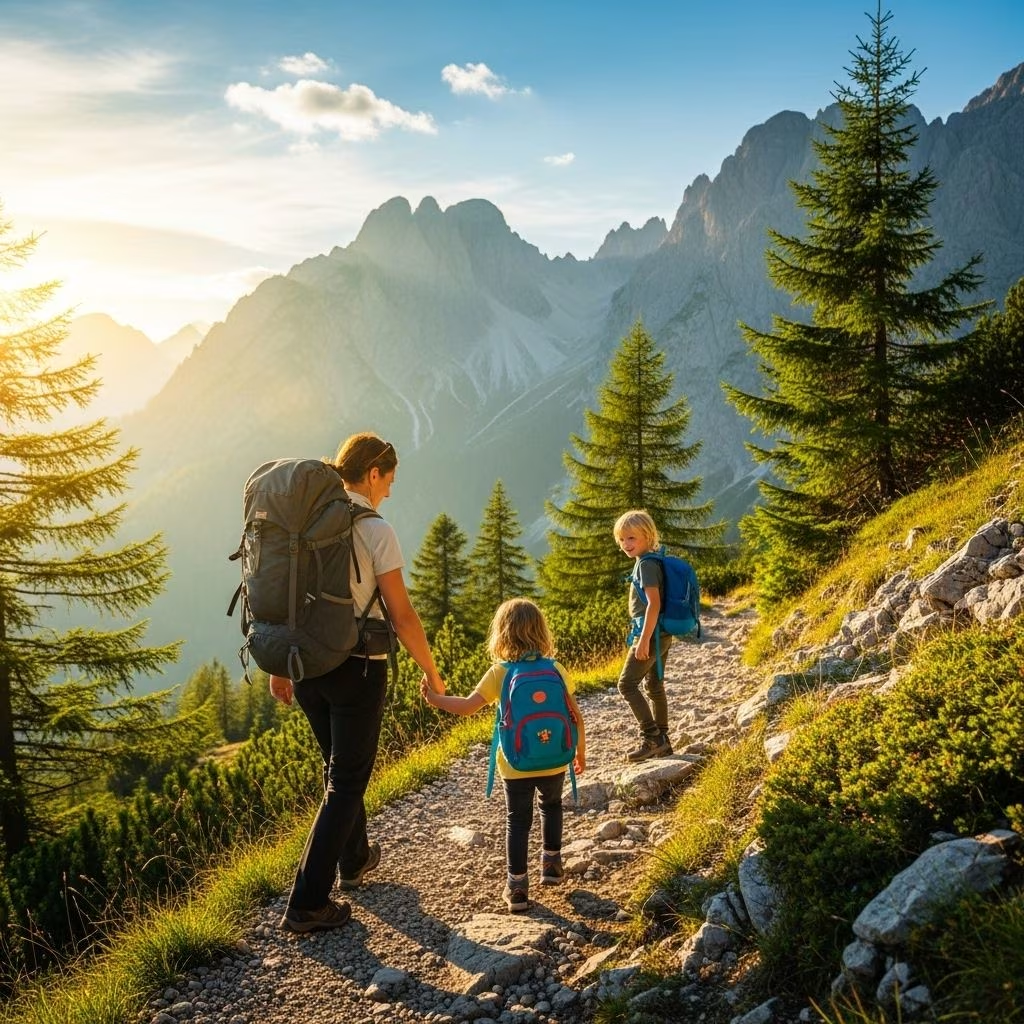
Backpacking with kids is not just about exploring nature; it’s an opportunity to teach them valuable life skills such as resilience, teamwork, and self-reliance. These experiences can be profoundly rewarding for both children and parents, creating lifelong memories and a deeper appreciation for the outdoors.
Choosing the Right Trail
When selecting a trail for your child’s first solo backpacking trip, several factors are crucial:
- Elevation Gain: Opt for trails with moderate elevation gain, ideally under 2,000 feet to avoid exhaustion and make the hike enjoyable.
- Distance: A shorter trail, about 3 to 5 miles, is ideal for a first-time backpacking experience, offering a challenge without overwhelming the child.
- Features: Trails with standout features like lakes, waterfalls, or lookouts can keep kids motivated and excited about their journey.
- Safety: Avoid trails with potential hazards such as steep cliffs, fast-moving rivers, or scrambles.
- Shade and Comfort: Shaded sections can greatly enhance comfort on sunny days, making the hike more enjoyable.
Preparing Kids
Preparation is key to ensuring that your child is ready for their first solo backpacking adventure. Here are some ways to prepare them:
- Physical Conditioning: Encourage regular outdoor activities like hiking or biking to build endurance.
- Gear Familiarization: Teach your child how to use their backpack, sleeping bag, and other essential gear.
- Navigation Skills: Teach basic map reading and compass skills to help them navigate independently.
- First Aid and Emergency Preparedness: Educate your child on basic first aid techniques and emergency procedures, such as what to do if they get lost.
Packing List
A well-prepared backpacking list should include:
| Item | Description |
|---|---|
| Navigation Tools | Map, compass, GPS device |
| Shelter and Sleeping Gear | Tent, sleeping bag, sleeping pad |
| Clothing | layers for varying weather conditions |
| Food and Water | Non-perishable food, water filter/tablets |
| First Aid Kit | Basic first aid supplies, including bandages and antiseptic wipes |
| Hygiene and Sanitation | Biodegradable soap, toilet paper, hand sanitizer |
Safety and Emergency Preparations
Safety is paramount when backpacking, especially for children. Consider the following:
- Emergency Communication: Ensure your child has a means of communication, such as a satellite phone or a two-way radio.
- Bear and Wildlife Safety: Teach your child how to react in case of wildlife encounters and carry bear spray if necessary.
- First Aid and Emergency Kits: Pack a comprehensive first aid kit and review basic first aid techniques with your child.
- Getting Lost: Teach your child what to do if they get lost, such as staying calm and finding a landmark.
Tips for a Successful Trip
Here are some additional tips to ensure a successful and enjoyable trip:
- Start Small: Begin with shorter trips to build confidence and endurance.
- Positive Attitude: Encourage a positive attitude towards challenges and mishaps.
- Plan for Fun: Incorporate activities like swimming, fishing, or storytelling to keep the trip entertaining.
- Stay Hydrated: Ensure your child knows how to filter or purify water to stay hydrated.
- Encourage Independence: Allow your child to take on more responsibilities, like setting up camp or navigating.
Frequently Asked Questions (FAQs)
Q: How old should my child be for their first solo backpacking trip?
A: Typically, children should be at least 10 to 12 years old and have some experience with backpacking or camping to ensure they can handle the challenges and responsibilities involved.
Q: What is the best way to prepare my child for a solo backpacking trip?
A: Preparation involves teaching them necessary skills like navigation, first aid, and emergency procedures. Also, ensure they are physically conditioned and familiar with their gear.
Q: How can I ensure my child stays safe during a solo backpacking trip?
A: Safety can be ensured by providing them with proper gear, teaching safety protocols, and having a plan in place for emergencies. Regular check-ins and communication devices can also provide peace of mind.
References
- https://www.artofmanliness.com/skills/outdoor-survival/kids-backpacking/
- https://www.thetrekkingmama.com/backpacking-with-kids-a-survival-guide-for-parents-who-love-the-trail/
- https://rainorshinemamma.com/2017/09/02/what-to-bring-solo-backpacking-with-kids/
- https://runwildmychild.com/backpacking-guide/
- https://thebigoutside.com/10-tips-for-taking-kids-on-their-first-backpacking-trip/
- https://www.wta.org/news/magazine/features/backpacking-with-baby-1
- https://matadornetwork.com/read/backpacking-with-kids/


