


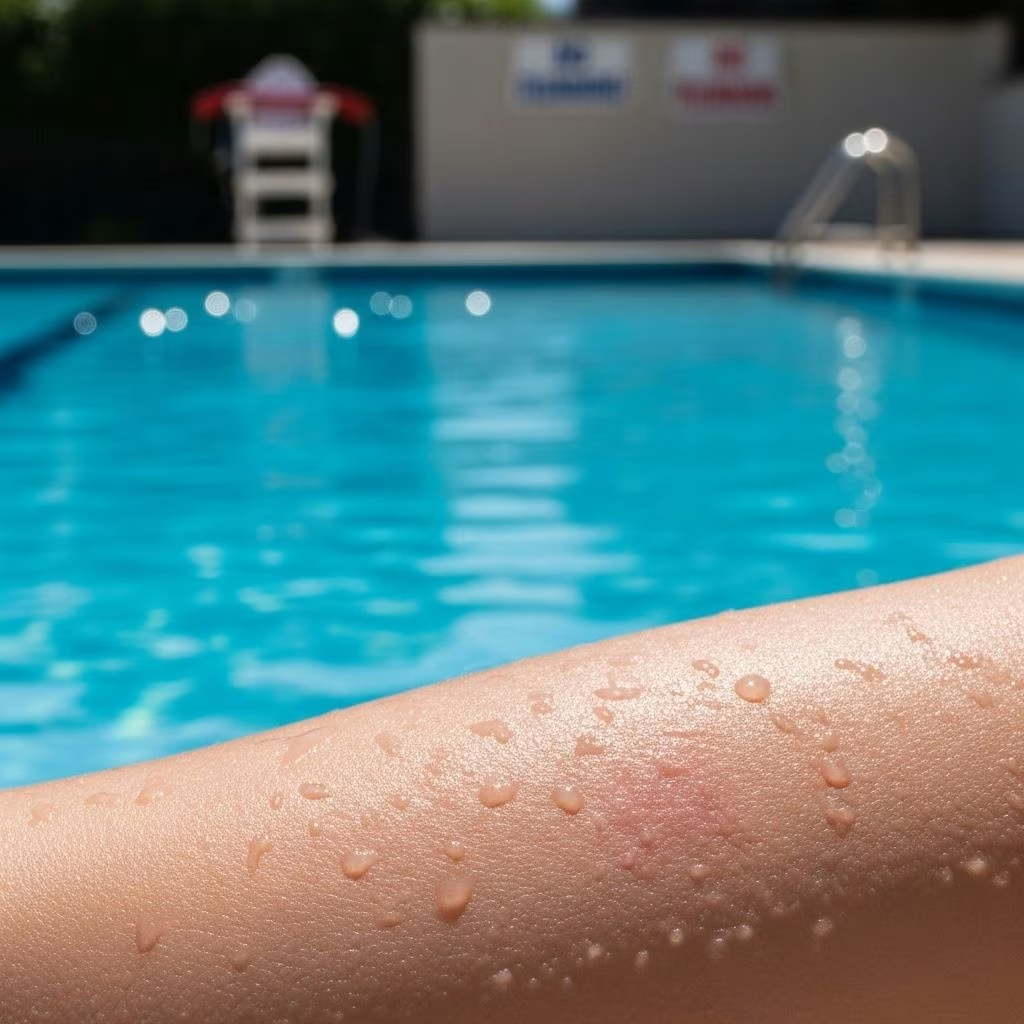
Chlorinated pools offer recreational enjoyment and vital disinfection against harmful microorganisms. However, ‘barrier compromise’—whether involving safety enclosures or the skin’s natural barrier—can present significant health and safety challenges. This guide explores the risks, prevention, and management of barrier compromise in chlorinated pool environments, covering both physical safety structures and human skin integrity.
Introduction
Chlorine plays a central role in maintaining hygienic swimming environments. Despite its benefits, improper maintenance of pool barriers—whether fences, access controls, or the body’s own protective skin layer—can increase risks of physical harm and skin-related complications. This article delivers a holistic overview of managing these concerns to safeguard swimmers and enhance pool operation.
What Is Barrier Compromise in Chlorinated Pools?
Barrier compromise in chlorinated pools broadly refers to any failure or weakening of protective systems designed to prevent accidents, contamination, or health problems. This includes:
- Physical safety barriers (fences, gates, covers) around the pool, intended to limit unintended access, especially by children and non-swimmers .
- Skin barrier integrity, protecting swimmers from the adverse effects of chlorine and environmental irritants .
Importance of Barrier Systems in Pools
- Accident Prevention: Well-maintained physical barriers prevent accidental drownings by restricting unauthorized or unsupervised access.
- Layered Protection: Multiple protective layers—such as fences, alarms, and pool covers—provide redundancy in case one system fails.
- Health Protection: A healthy skin barrier reduces risk of dermatitis, infections, and other chlorine-induced skin conditions.
Common Causes of Barrier Compromise
Understanding what leads to compromise allows better prevention:
| Type | Common Causes |
|---|---|
| Physical Safety Barriers |
|
| Skin Barrier |
|
Standards & Guidelines for Physical Barriers in Pools
Local building codes and national guidelines establish comprehensive criteria to prevent barrier compromise. Key points include:
- Minimum Barrier Height: At least 48 inches (4 feet); 5 feet or higher is preferable.
- Maximum Ground Clearance Under Fence: Usually 4 inches; reduced for mesh or specific flooring types.
- Opening Size: Barrier openings must not allow passage of a 4-inch diameter sphere.
- Fence Construction: Vertical and horizontal members must be arranged to prevent climbing; solid barriers should minimize protrusions and indentations.
- Gate Security: All gates must be self-closing, self-latching, and lockable; pedestrian gates must open outward.
- Additional Layers: Door alarms, removable mesh fencing, and pool safety covers provide extra security.
Regulatory Reference Table
| Element | Standard/Guideline |
|---|---|
| Barrier Height | Minimum 48″ (preferably 60″+) |
| Vertical Clearance | Max 4″ (varies by fence type) |
| Gate Type | Self-closing, outward opening, self-latching, lockable |
| Fence Material | Durable, unclimbable, openings < 4″ |
| Additional Systems | Alarms, safety covers, removable mesh fencing |
Impacts of Chlorine on the Skin Barrier
Chlorine is essential for disinfection but has notable drawbacks for the skin:
- Impaired Skin Barrier Function: Chlorine disrupts the skin’s natural acidity (pH), increasing the risk for irritation, dryness, and inflammation.
- Increased Water Loss: Research confirms that even brief exposure to standard pool chlorine levels significantly raises transepidermal water loss, signaling barrier thinning and increased dehydration risk.
- Heightened Sensitivity: Those with dermatologic issues (eczema, acne, atopic dermatitis) suffer more pronounced barrier compromise with chlorine exposure.
- Secondary Complications: Compromised skin is more prone to infections, rashes, and uneven pigmentation following exposure to pool chemicals.
Signs of Skin Barrier Compromise
- Tightness, dryness, and flakiness after swimming
- Heightened reactivity to skincare products
- Itching, redness, or stinging sensations
- Breakouts or rashes in frequent swimmers
Preventing Barrier Compromise: Structures and Skin
Physical Barrier Prevention
- Use high-quality, certified fencing materials and professional installation that meets code.
- Regularly inspect and maintain all mechanical parts: hinges, latches, alarms, and locks.
- Trim landscaping and remove climbable objects near barriers.
- Ensure pool covers are well-fitted and controls are inaccessible to children.
- Educate all pool users about the importance of keeping barriers intact.
Skin Barrier Protection
- Apply a barrier cream or moisturizer with ceramides before entering the pool to mitigate chemical penetration.
- Shower before and after swimming to remove sweat and residual chlorine.
- Use gentle, pH-balanced cleansers and avoid abrasive scrubs post-swim.
- Opt for thicker, richer moisturizers after swimming, with niacinamide and fatty acids to aid repair.
- Stay hydrated and practice consistent skin care routines.
- Consider wearing waterproof clothing (rash guards) in high-exposure situations.
Step-by-Step Management Guidelines
For Physical Safety Barriers
- Assessment: Inspect all barriers at least monthly for gaps, damage, or signs of tampering.
- Immediate Repairs: Fix any detected faults—broken latches, gaps under fences, damaged mesh—immediately to restore integrity.
- Monitoring: Check that all alarms are functioning and that pool covers are operable and intact.
- Record Keeping: Maintain a maintenance log documenting inspections and repairs to ensure regulatory compliance.
- Response to Compromise: If a barrier is breached or fails, restrict pool access until repaired, notify supervisors, and investigate cause.
For Skin Barrier Compromise
- Discontinue Exposure: Take a break from swimming if the skin barrier is evidently compromised.
- Immediate Soothing: Apply fragrance-free moisturizers rich in ceramides, hyaluronic acid, and fatty acids.
- Avoid Irritants: Skip retinoids, alpha/beta-hydroxy acids, and harsh soaps until the barrier recovers.
- Consult a Dermatologist: For persistent irritation, rash, or suspected infection, seek medical guidance.
- Long-Term Repair: Maintain gentle skin routines and avoid unnecessary pool chemical exposure during recovery.
Maintenance and Monitoring Strategies
Physical Barriers
- Schedule quarterly inspections (or more frequently in high-use environments).
- Regularly test alarms and gate mechanisms.
- After storms or heavy use, re-inspect for structural damage.
- Train staff and residents on how to report and temporarily isolate compromised barriers.
Skin Barrier
- Encourage swimmers to use barrier creams and moisturizers as a preventative routine.
- Educate frequent swimmers about signs of skin barrier distress.
- For public pools, provide posted guidelines for skin care recommendations and post-swim showers.
Technological Advancements in Barrier Management
- Smart Alarms & Sensors: Advanced systems detect barrier breaches and alert users instantly.
- Remote Monitoring: Camera and IoT devices enable pool owners and facility managers to verify barrier integrity remotely.
- Self-Healing Materials: New polymers automatically reseal minor cracks in certain mesh fencing or covers, reducing maintenance needs.
- Improved Skin Protection: Development of waterproof, chlorine-resistant barrier creams offers longer-lasting defense for vulnerable swimmers.
Frequently Asked Questions (FAQs)
Q: What should I do first if I notice my pool’s fence has a gap?
A: Immediately restrict access to the pool, repair the gap before use resumes, and inspect nearby areas for other vulnerabilities.
Q: How do I know if chlorine has damaged my skin barrier?
A: Signs include persistent dryness, tightness, redness, or episodes of irritation or itching after exposure to the pool. Proper moisturizer use is vital in recovery.
Q: Are there alternatives to traditional fences for pool safety?
A: Yes, removable mesh fences, door and gate alarms, and power safety covers provide effective alternatives or supplements, though all barriers must meet code requirements.
Q: What ingredients should I look for in a post-swim moisturizer?
A: Focus on moisturizers with ceramides, fatty acids, niacinamide, and hyaluronic acid to repair and strengthen the skin barrier.
Q: Can skin barrier compromise from chlorine make acne or eczema worse?
A: Yes, individuals with acne or eczema are more vulnerable to barrier damage and related flare-ups from chlorine exposure. Extra precautions are recommended.
Conclusion
The risk of barrier compromise—both physical and biological—can be effectively minimized by diligent maintenance, adherence to safety codes, and informed skincare practices. Regular inspections, prompt repairs, and proactive swimmer education form the core of comprehensive barrier management. By combining traditional best practices with emerging technologies and scientific skin care, pool operators and users can ensure a safer and healthier aquatic experience for all.
References
- https://www.cpsc.gov/s3fs-public/362%20Safety%20Barrier%20Guidelines%20for%20Pools.pdf
- https://www.dermstore.com/blog/how-to/skin-care-for-swimmers/
- https://www.floridahealth.gov/environmental-health/swimming-pools/_documents/64e-9_fac_draft_rev7_no_strike.pdf
- https://acneeinstein.com/chlorine-in-swimming-pools-causes-acne/
- https://www.mydcsi.com/2021/07/22/pool-skin-care-routine/
- https://goglow.co/how-chlorine-affects-your-spray-tan
- https://us.typology.com/library/swimming-pool-bath-how-to-protect-your-skin
- https://www.childrensskincenter.com/2019/07/05/the-effects-of-chlorine-on-your-skin/
- https://www.barrierreefpoolsperth.com.au/blog/tips-to-cut-down-chlorine-costs-without-compromising-pool-water-safety/


