


Introduction
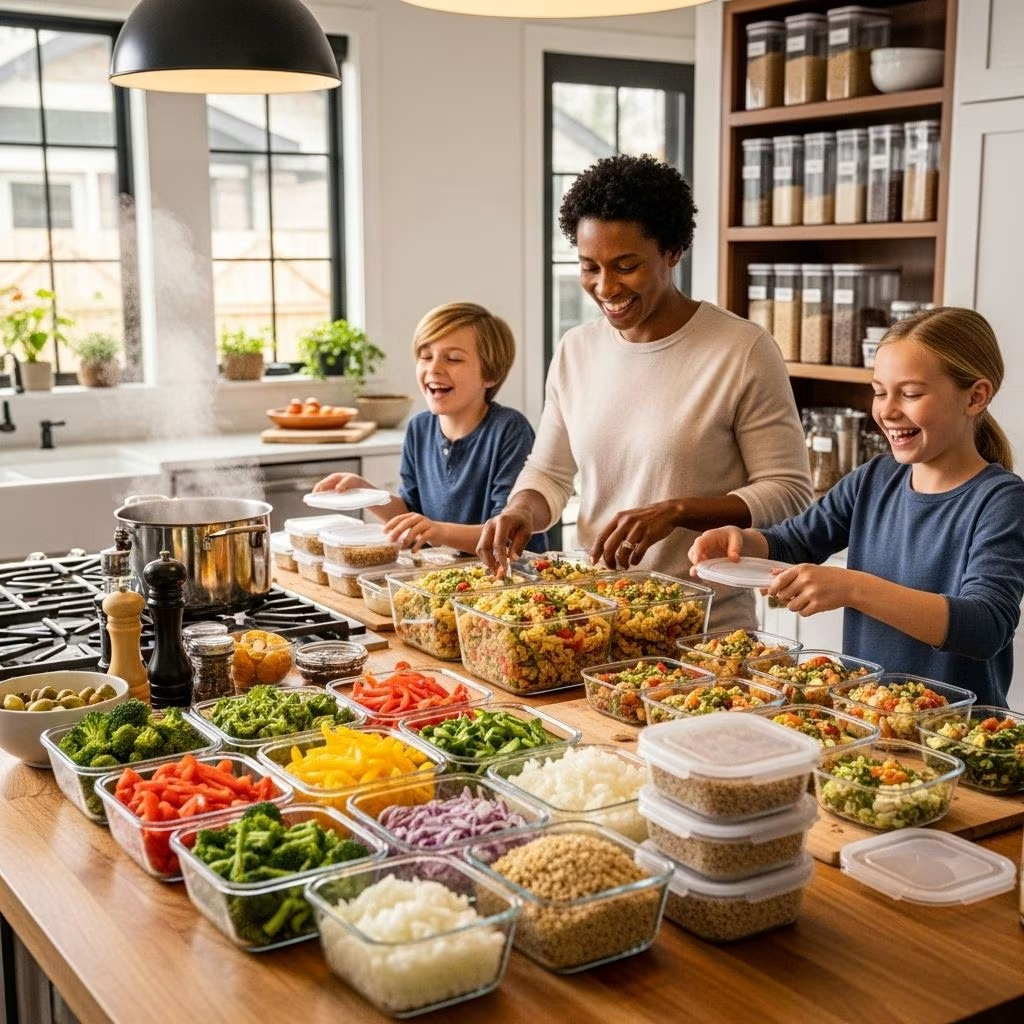
Life in a busy family means juggling work, school, activities, and household chores—all while trying to eat well. Batch cooking transforms hectic weeknights by prepping meals ahead of time. A single well-planned weekend session can equip your whole family with nourishing, home-cooked dishes that are easy to serve at a moment’s notice. This guide offers practical steps, delicious recipes, and proven strategies for successful family meal prep.
Benefits of Batch Cooking for Families
- Saves Time: Prepping large quantities at once reduces daily cooking time and stress.
- Stretches Your Budget: Buying ingredients in bulk and using seasonal produce lowers overall food costs.
- Reduces Food Waste: Planned meals mean less spoilage and more efficient use of leftovers.
- Ensures Balanced Nutrition: Prepping ahead lets you plan wholesome, varied meals for the entire week.
- Cuts Stress: You always have a meal in the freezer or fridge, ready to heat and serve—great for busy evenings or unexpected guests.
Weekend Batch Cooking Overview
Weekend prep sessions are the backbone of family batch cooking. Unlike full-scale monthly meal plans, weekend batch cooking is manageable, flexible, and fits a typical busy family schedule. Here’s how a weekend might flow:
- Day 1 (Saturday): Plan meals, create a shopping list, and purchase ingredients.
- Day 2 (Sunday): Prep and cook meal components, portion, cool, and freeze or refrigerate.
This rhythm allows you to tackle batch cooking in chunks—never overwhelming, always efficient. Whether you devote 2-3 hours or simply double recipes as you cook, the key is consistency and organization.
Planning Your Batch Cooking Session
Step 1: Assess Your Family’s Tastes and Dietary Needs
- List favorites and regular meals, considering breakfast, lunch, and dinner.
- Note allergies, vegetarian preferences, and special diets.
Step 2: Create a Realistic Weekly Meal Plan
- Choose 3–5 recipes that can be doubled or tripled, ideally those that freeze and reheat well.
- Plan for 2–3 back-up emergency meals (e.g., soups, stews).
- Include versatile components (rice, shredded chicken, beans) to mix and match.
Step 3: Make and Organize a Grocery List
- Group items by department (produce, meats, dairy).
- Buy pantry staples in bulk.
- Leverage seasonal deals for maximum savings.
Step 4: Schedule Prep and Cooking Blocks
- Divide tasks by kitchen station (stove, oven, slow cooker).
- Prep while multitasking: peel and chop while something simmers.
- Enlist help from kids or partners for simple tasks.
Step 5: Portion, Label, and Store
- Use freezer bags or airtight containers, labelled with dates and contents for easy identification.
- Portion by meal size, family member, or planned use.
- Include reheating instructions when freezing prepared meals.
Family-Friendly Batch Cooking Recipes
Batch cooking shines with hearty, freezer-friendly meals and versatile components. Here are classic recipes and components perfect for family prep:
Big-Batch Entrees
- Slow Cooker Chilli: Hide veggies in a robust chilli—makes six servings that freeze wonderfully.
- Beef Ragu: Simmered in the slow cooker or oven; pairs with pasta or potatoes and is easy to double.
- Chicken Parmesan Casserole: Bake, portion, and freeze. Serve over pasta for instant comfort food.
- Southwest Chicken and Bacon Wraps: Prep grilled chicken and bacon in big batches for easy wraps, salads, or bowls throughout the week.
- Bean-Based Veggie Chilli: Perfect for freezing; add guacamole or cheese before serving.
Batch-Cooked Components
- Grains: Cook large batches of rice, quinoa, or barley. Freeze in portioned bags for easy sides or stir-fries.
- Shredded Chicken or Ground Beef: Prepare and freeze for use in tacos, casseroles, salads, or wraps.
- Roasted Veggies: Batch roast sweet potatoes, onions, peppers for sides, salads, and bowls.
- Marinated Proteins: Pre-portion meats with marinade for easy oven or grill cooking straight from the freezer.
- Sauces: Tomato marinara, non-dairy cheese sauce, and salsas save prep time for quick weeknight meals.
Sample Batch Cooking Menu
| Dish | Portions | Freezer-Friendly | Tips |
|---|---|---|---|
| Slow Cooker Chili | 6-8 | Yes | Include hidden veggies for nutrition |
| Chicken Parmesan Casserole | 8 | Yes | Freeze in 2-portion containers |
| Veggie Lentil Stew | 10 | Yes | Great emergency meal |
| Southwest Chicken Wraps | 12 | Components only | Assemble wraps as needed |
| Baked Pasta (Beefy Ravioli) | 8 | Yes | Double recipe for 9×13 dish |
Breakfasts and Snacks
- Pancakes or Waffles: Freeze in stacks with parchment between for quick breakfasts.
- Overnight Oats: Prep jars with oats, milk, fruit, and nuts for grab-and-go mornings.
- Mini Quiches or Egg Muffins: Bake in muffin tins, freeze, and reheat for protein-packed snacks.
Essential Tips and Tricks for Success
- Start Small: If new to batch cooking, double one recipe or prep a couple of meal components the first weekend.
- Make Use of Appliances: Slow cookers, Instant Pots, and ovens allow you to cook multiple dishes simultaneously with minimal supervision.
- Label Everything: Use freezer-safe markers to date and label all containers for easy reheating and tracking.
- Freeze Wisely: Cool foods before freezing to prevent ice crystals and preserve texture and flavor. Lay freezer bags flat for space-saving storage.
- Rotate Inventory: Keep older meals toward the front to reduce waste and ensure timely use.
- Don’t Forget Snacks: Batch cook snack options like energy balls, muffins, chopped veggies, and hummus for busy days.
- Flexibility Is Key: Adapt your plan around your family’s schedule and tastes. Batch cooking is not one-size-fits-all.
Batch Cooking for Special Diets
Families with allergies or dietary restrictions (vegetarian, vegan, gluten-free) can still harness the power of batch cooking:
- Plant-Based Dishes: Bean salads, lentil soups, and vegetable curries are nutritious and freeze well.
- Gluten-Free Options: Use whole grains like rice and quinoa. Try potato-based casseroles or polenta bakes.
- Dairy-Free Recipes: Try coconut-based curries or nut milk sauces.
- Allergy-Friendly Labeling: Always label any allergens on batch-cooked containers for safety.
Common Mistakes and How to Avoid Them
- Overcooking: Vegetables and meats continue to cook when reheated. Aim for slightly al dente when prepping for the freezer.
- Not Cooling Properly Before Freezing: Hot foods can form ice crystals and degrade in texture if frozen immediately.
- Insufficient Labeling: Unmarked containers make meal planning confusing—always date and name meals.
- Too Much Variety: Don’t overcomplicate prep days; stick to favorite recipes and a couple of experiments at a time.
- Forget to Rotate Stock: Set reminders to use older frozen meals before newer ones.
Frequently Asked Questions (FAQs)
Q: What equipment do I need to start batch cooking?
A: Most families can start with basic pots, pans, a slow cooker or Instant Pot, freezer bags, and airtight containers. Fancy gadgets are not required.
Q: How long can batch-cooked meals last in the freezer?
A: Most cooked dishes are best consumed within 2–3 months for ideal texture and flavor. Always label containers with the date for easy tracking.
Q: What are the best foods to batch cook?
A: Soups, casseroles, stews, grains, shredded meats, roasted veggies, and sauces all lend themselves well to batch cooking and freezing. Avoid raw potatoes and leafy greens, which don’t freeze well.
Q: How do I thaw and reheat frozen batch meals?
A: Thaw overnight in the fridge or by using the microwave’s defrost setting. Reheat gently to avoid drying out. For ovens, cover with foil and use low temperatures. Always ensure the food reaches a safe internal temperature.
Q: Can batch cooking save money?
A: Yes! Bulk purchasing, reduced food waste, and fewer takeout nights mean significant savings over time.
Q: Is batch cooking suitable for small families?
A: Absolutely. Adjust batch sizes, freeze in smaller portions, and focus on components for flexibility.
Conclusion
Weekend batch cooking empowers busy families to reclaim time, eat better, and reduce stress while saving money and minimizing food waste. Start small with familiar favorites, scale up your prep, and enjoy homemade meals at a moment’s notice—all week long. Whether you’re a novice or a seasoned cook, this guide offers the strategies and recipes you need for successful, joyful family meals.
References
- https://dontwastethecrumbs.com/how-to-save-time-money-batch-cooking/
- https://www.bbcgoodfood.com/howto/guide/best-batch-cook-family-recipes
- https://thrivinghomeblog.com/20-big-batch-meals-for-families-freezing-instructions-too/
- https://veganfamilykitchen.com/how-to-plan-batch-cooking-session-with-vegan-batch-cooking-recipes/
- https://www.workingagainstgravity.com/articles/bulk-cooking-for-your-family
- https://www.bettycrocker.com/how-to/tipslibrary/cooking-tips/batch-cooking
- https://prepdish.com/meal-planning/what-is-batch-cooking/
- https://workweeklunch.com/family-meal-prep-tips/


