


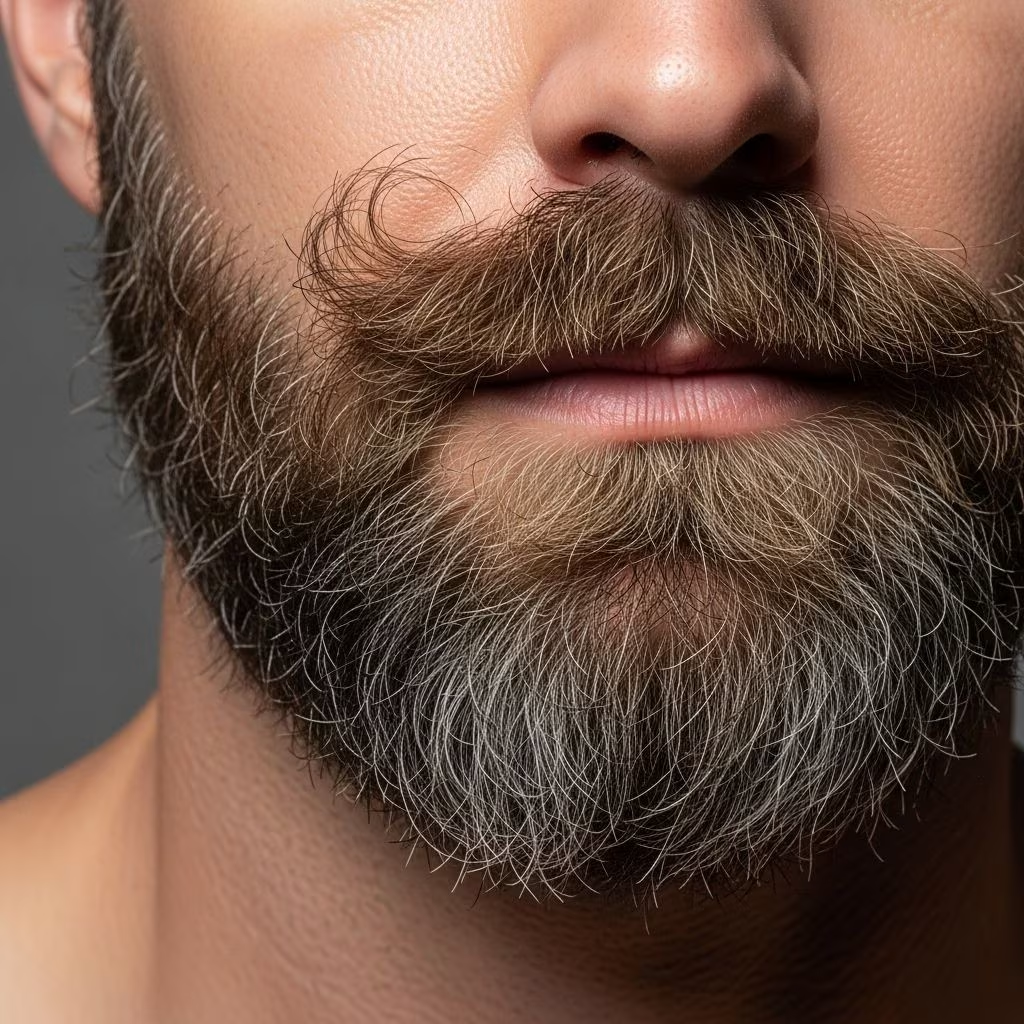
A well-groomed beard can be a defining feature of personal style and confidence. However, for many men, beard cowlicks—those stubborn spirals or patches where hair refuses to behave—pose a persistent challenge. This comprehensive guide will demystify beard cowlicks, explain why they occur, and offer a full array of expert-backed techniques for controlling and styling your beard, ensuring you sport a well-managed and attractive facial mane.
Understanding Beard Cowlicks
A beard cowlick refers to a patch or area of facial hair that grows in a spiral or non-uniform direction, standing out from the rest of the beard. These stubborn swirls can cause the beard to flip out, making it look untidy regardless of your grooming efforts. Not only can they undermine your styling goals, but they may also prove frustrating to manage.
Main Features of Beard Cowlicks
- Noticeable “swirl” or spiral patches in the beard
- Hair in certain sections refuses to lie flat or goes against the dominant direction
- More difficult to tame, often persisting despite trimming and styling
Causes of Beard Cowlicks
Understanding the underlying reasons for beard cowlicks is the first step to managing them effectively. The reality is that several factors—many of them outside your control—can contribute to beard swirls and flips.
1. Genetic Factors
- Inherited growth patterns: Whether or not you have a beard cowlick is largely determined by your DNA, which dictates the direction, angle, and shape of your hair follicles. Family history often predicts endowment with cowlicks.
- Growth whorls: These are circular or spiral-shaped follicle patterns, commonly passed down genetically.
2. Natural Hair Growth Patterns
- Facial hair grows at varied angles depending on placement (chin, cheeks, jawline), resulting in some hairs pushing up or out rather than lying down.
- Hair thickness and curliness can exaggerate these patterns, causing flipping.
3. Skin Conditions
- Dry, flaky skin can disrupt uniform hair growth, leading to irregular hair direction.
- Acne, scars, or old injuries may alter the structure of follicles, forcing hair to grow abnormally.
4. Hormonal Influences
- Testosterone and DHT (dihydrotestosterone) can vary beard hair growth speed and direction.
- Hormonal fluctuations may amplify unruly patches.
5. External and Environmental Factors
- Regularly sleeping on one side or pressing your beard against pillows can encourage hairs to flip out.
- Repeatedly combing, brushing, or handling your beard in the same direction over time sets structural habits in the hair.
- Improper beard maintenance or inconsistent grooming can aggravate cowlicks.
How to Identify a Beard Cowlick
The earlier you spot a cowlick, the more effectively you can manage it. Key signs and cues include:
- Visible swirling or spiral patterns in your beard, especially noticeable after a shower or in the morning
- Patches of hair that consistently stand up, stick out, or grow in a circular direction while the rest of the beard flows smoothly
- Areas with rougher or uneven texture
- Difficulty styling certain sections even with product or combing
Preparation and Essential Tools
If you’re serious about taming beard cowlicks, stocking your grooming kit with the right tools is non-negotiable:
- Boar bristle beard brush: Excellent for distributing oils and training hairs in the desired direction
- Wide-tooth beard comb: Useful for detangling and prepping your beard without tugging harshly
- Quality beard trimmer: Precision trimming to even out stubborn spots
- Beard oil and balm: Moisturize and soften hairs, making them easier to style
- Beard wax: For maximum hold, especially on truly unruly sections
- Beard conditioner: Helps soften coarse hair and improves manageability
- Blow dryer (with cool shot setting): Useful for setting hair direction when used with a brush
- Fine scissors: To snip strays that refuse to cooperate
Step-by-Step Solutions for Fixing Beard Cowlicks
Here’s a structured, effective approach—backed by grooming experts—that addresses both short- and long-term control.
1. Wash and Condition Thoroughly
- Use a gentle, beard-specific shampoo and rinse with lukewarm water. Avoid hot water, which can dry hair and skin.
- Apply a beard conditioner or deep treatment two to three times per week. Ingredients like shea butter and argan oil help hydrate and relax hair fibers, making them more receptive to stylers and training.
2. Apply Beard Oil or Balm
- Pat your beard dry with a towel, leaving it slightly damp.
- Dispense a few drops of beard oil (or a pea-sized dollop of balm), warm it between your hands, and massage thoroughly into the beard. Focus on the cowlick areas to soften the hair for easier manipulation.
3. Brush and Comb for Direction
- Using your boar bristle brush, brush your beard in the direction you want it to grow, paying extra attention to the cowlicked sections.
- Use smooth, slow strokes to coax hairs into line. Combine the brush with a wide-toothed comb for initial detangling, then finish with the brush to train the hairs.
4. Blow Dry with Purpose
- While brushing or combing, use a blow dryer set to low or cool.
- Direct the airflow in the desired direction of growth, continuing to brush. The heat helps temporarily reshape the hair, while the cool shot sets the style in place.
5. Style with Beard Wax for Extra Hold
- If balm and brushing alone don’t cut it, apply a small amount of beard or mustache wax to the unruly section.
- Warm the wax between your fingers, then work it through the problem area and smooth with your brush. Wax offers a firmer hold and is especially effective for cowlicks that persist even after longer beard growth.
6. Trim Strategically
- For persistent cowlicks, you may need to carefully trim the hairs a bit shorter in the affected area to blend with the rest of your beard.
- Alternatively, allow your beard to grow longer. Added weight as the beard grows can sometimes “pull down” stubborn swirls, masking their appearance.
7. Advanced Solutions: Shave or Restyle
- In extreme cases, where cowlicks are impossible to tame or fall in awkward positions, consider shaving the area completely and adapting your beard style to work around the growth pattern.
- For some, creative shaping—such as a goatee or more sharply defined cheek lines—offers a viable workaround for intractable swirls.
Best Products for Taming Cowlicks
| Product Type | Recommended Use | Key Ingredients/Features |
|---|---|---|
| Beard Oil | Daily softening and moisturizing | Argan oil, jojoba oil, vitamin E |
| Beard Balm | Styling and light hold; use after oil | Shea butter, beeswax, coco butter |
| Beard Conditioner | Deep hydration post-shampoo | Natural butters, panthenol, proteins |
| Beard Wax | Strong hold for stubborn areas | Beeswax, lanolin |
| Boar Bristle Brush | Directing and training hair daily | Natural bristles distribute oils |
| Electric Trimmer/Scissors | Precision trimming for unruly sections | Adjustable guards, sharp blades |
| Blow Dryer | Drying and setting style with brush | Cool and low heat settings |
Styling and Training Your Beard
Training your beard to grow in the desired direction is an ongoing process. Incorporate these habits for best results:
- Consistency is key: Brush and style your beard every day. Hairs remember the direction you repeatedly set over time.
- Don’t overdo the product: Use just enough oil, balm, or wax to achieve your style. Too much can lead to greasiness or heaviness.
- Change your sleep habits: Try sleeping on your back or switching pillow sides to minimize pressure on your beard overnight.
- Review and adjust regularly: Growth patterns may shift as your beard matures; revisit your grooming routine periodically.
Preventive and Maintenance Strategies
- Regular washing and conditioning: Keep hair clean and hydrated to reduce dryness and frizz.
- Trimming split ends: Prevents random flipping at the tips and keeps your beard looking neat.
- Use a satin or silk pillowcase: Reduces friction at night, helping preserve style.
- Don’t neglect skin beneath: Keep skin healthy with beard oil to avoid irritation and follicle disruption.
- Avoid tugging or aggressive brushing: Gentle handling minimizes follicle damage and future cowlicks.
When to Seek Professional Help
- If cowlicks persist despite diligent home grooming, a consultation with a skilled barber can provide targeted trimming and styling for best coverage.
- Barbers may recommend beard shaping or alternate styles tailored to your specific pattern.
- For beard cowlicks related to scars, severe acne, or sudden new patches, consult a dermatologist to rule out underlying skin issues.
Frequently Asked Questions (FAQs)
What exactly is a beard cowlick?
A beard cowlick is a patch or swirl of facial hair that grows in a different or spiral direction compared to the surrounding hair, often resulting in the hair flipping out or appearing unruly.
Can I permanently get rid of a beard cowlick?
While you can’t permanently alter the natural direction of your hair follicles (which are genetically determined), regular training, using the right products, and trimming can significantly minimize their appearance and effect.
Is shaving the only solution for extreme beard cowlicks?
Shaving is one extreme solution if the cowlick bothers you or falls outside your preferred beard style, but in most cases, proper grooming, longer beard length, or style adjustments can keep it under control.
How long does it take to train a beard cowlick?
It may take several weeks of daily brushing, applying products, and blow-drying to see lasting improvement. Consistency is crucial for “training” beard hairs into a new direction.
Which styling products are most effective?
Beard wax offers the strongest hold for severe cowlicks, while high-quality beard oils and balms are best for softening and daily control. Boar bristle brushes and blow dryers are essential tools for optimal results.
Final Thoughts
While beard cowlicks can be stubborn and occasionally frustrating, they don’t have to define your style. The secret lies in understanding their causes and using expert grooming strategies to train, tame, or cleverly work with the natural pattern of your facial hair. With the right approach, products, and commitment to routine, even the most rebellious beard can become a highlight of your self-care regimen.
References
- https://www.beardbeasts.com/blogs/news/beard-cowlick
- https://www.thebeardstruggle.com/blog/how-to-get-rid-of-beard-cowlick
- https://beardgrowingpro.com/the-ultimate-guide-for-a-beard-cowlick/
- https://theruggedbros.com/blogs/news/the-spiraling-beard-cowlick-tips-to-get-it-under-control
- https://www.youtube.com/watch?v=fBA4qzr1wpY
- https://www.youtube.com/watch?v=xfmz9hJW7ZI
- https://www.menshealth.com/style/a19535755/should-i-shave-my-beard-cowlick/
- https://highendbarbershop.com/dealing-with-cowlicks/


