


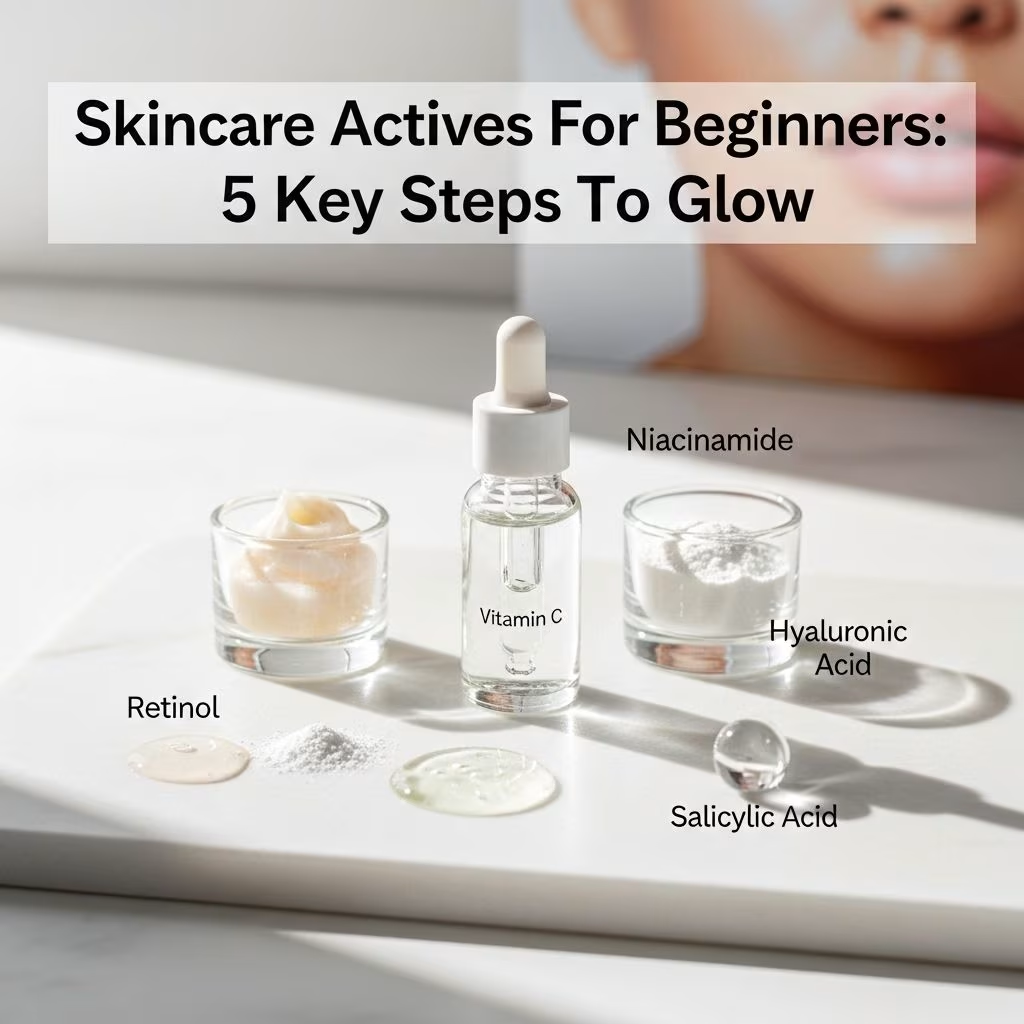
If you’re new to skincare, the abundance of active ingredients and products can feel overwhelming. With marketing buzzwords, influencer trends, and complicated regimens, finding the best way to harness actives safely—and effectively—requires science-based guidance. This guide walks you step by step through the essentials of skincare actives, how to start, what to choose, and how to build the best beginner-friendly routine for a glowing complexion.
What Are Skincare Actives?
Active skincare ingredients are specific components in your routine, such as retinol, vitamin C, or niacinamide, that have clinically proven effects on the skin. They directly target concerns such as acne, aging, pigmentation, or dullness, as opposed to inactive ingredients, which mainly serve as carriers, textures, or preservatives. Actives include exfoliants, antioxidants, hydrators, and brighteners.
- Examples: Retinol (vitamin A), Vitamin C, Niacinamide (vitamin B3), Hyaluronic acid, Alpha Hydroxy Acids (AHAs), Beta Hydroxy Acids (BHAs), Peptides, Ceramides.
- Role: Targeted improvement for concerns like acne, fine lines, uneven tone, or skin barrier repair.
- Mechanism: Penetrate the skin and interrupt, boost, or regulate cellular processes for visible results.
Why Do Actives Matter?
Actives are the powerhouse of modern skincare. Unlike traditional soaps and lotions, well-formulated actives visibly change the skin over time. They treat issues from the cause, not just the symptoms, making them essential if you want more than basic cleansing and moisturizing.
- Evidence-based effectiveness: Supported by dermatological research.
- Targeted action: Customizable for your unique skin type and concerns.
- Long-term transformation: Consistent use results in cumulative improvement over weeks or months, not just temporary smoothing.
How to Begin With Skincare Actives
Starting with actives requires patience and intention. Careless mixing or using too many too soon can irritate or damage your skin barrier. Here’s your plan for a smart, safe start:
- Know your skin type and primary concerns. Is your skin oily, dry, combination, or sensitive? Are you addressing acne, aging, dark spots, or texture?
- Start slow—one new active at a time. Introduce a single new active and give your skin 2–4 weeks to adapt. This lets you spot any irritation or positive results.
- Use low concentrations. Choose starter formulas with gentle doses. Less is more for beginners—overdoing it can lead to redness, peeling, or breakouts.
- Apply actives in the appropriate step and time of day. Some actives are best at night (retinol), others in the morning (vitamin C), and some can be used either way (niacinamide).
- Monitor your response. Watch for changes—good (brighter skin, smoothness) and bad (stinging, flaking, redness). Pause or adjust if you see irritation.
Tip: Before starting actives, establish a gentle foundation routine: Cleanser, moisturizer, and broad-spectrum sunscreen.
Essential Actives for Beginners
The best actives for beginners are multipurpose, gentle, and well-tolerated by most skin types. Below are the superstar actives you can start with and what they address:
| Active Ingredient | What It Does | Best Used For | Key Considerations |
|---|---|---|---|
| Niacinamide (Vitamin B3) | Reduces redness, improves barrier, regulates oil, refines pores | Sensitive, oily, acne-prone, or uneven skin tone | Usually well-tolerated and can be used AM/PM; good starter active |
| Vitamin C (Ascorbic Acid) | Brightens, evens skin tone, protects from free radicals | Pigmentation, dullness, sun-damaged skin | Start with low concentrations; morning use; can be irritating initially |
| Alpha Hydroxy Acids (AHAs) | Exfoliates surface (removes dead skin), boosts radiance and smoothness | Dullness, rough texture, mild pigmentation | Use at night; start with low % (e.g., lactic acid); follow with SPF |
| Hyaluronic Acid | Hydrates, plumps, reduces flakiness | All skin types, especially dehydrated skin | Use on damp skin before moisturizer; gentle and versatile |
| Retinol (Vitamin A derivative) | Stimulates collagen, softens wrinkles, smooths skin | Anti-aging, fine lines, uneven skin texture | Start slow (1–2x/week); not suitable during pregnancy; use only at night; requires SPF |
Optional Early Additions
- Ceramides – Repair and strengthen skin barrier; often found in moisturizers
- Peptides – Support collagen, enhance skin resilience
- Beta Hydroxy Acid (Salicylic Acid) – Ideal for oily, congested, or acne-prone skin; exfoliates inside pores
Step-by-Step Beginner Skincare Routine With Actives
Begin with a structured but simple routine. As your skin adapts, you can gradually layer more actives or adjust frequency and concentrations.
Morning Routine
- Cleanser: Gentle foaming or creamy cleanser to remove oils, debris, and prep skin.
- Toner (optional): Hydrating or balancing toner (avoid strong astringents for beginners).
- Active Serum: Vitamin C serum for antioxidant protection and brightness. Niacinamide for redness and balanced oil. If skin feels tight, choose hyaluronic acid serum.
- Moisturizer: Lightweight, hydrating cream or lotion to seal in moisture. Look for ceramides or peptides for repair.
- Sunscreen: Daily, broad spectrum SPF 30 or higher every morning—non-negotiable, especially if using actives that can increase sun sensitivity.
Evening Routine
- Cleanser: Double cleanse if wearing makeup/sunscreen, otherwise stick to a gentle cleanser.
- Exfoliant (AHAs/BHAs): 1–2 times per week to start. Never combine with strong actives like retinoids on the same night.
- Active Treatment: Retinol (start 1–2x/week; increase gradually if tolerated), Niacinamide (on alternate nights for calming, barrier support).
- Moisturizer: Hydrating night cream or gel. Barrier-repair formulas are ideal if you use actives.
Adjust frequency and number of products based on tolerance. If you develop redness, scaling, or breakouts, pause actives until your skin calms down.
Safety Tips for Using Actives
- Patch test every new product: Apply a small amount behind your ear or on your jawline before full face use.
- Avoid mixing strong actives: Do not combine high percentage acids, retinol, and vitamin C in one routine as a beginner.
- Always use sunscreen daily: Many actives increase your skin sensitivity to the sun.
- Hydrate and protect your barrier: Use gentle cleansers and barrier-support lotions alongside actives to prevent dryness and damage.
- Listen to your skin: If you experience prolonged irritation, burning, or peeling, stop actives and focus on repair (moisturizer, healing ointment) for a few days.
Common Mistakes to Avoid
- Starting too many actives at once – leads to irritation and confusion about what’s working
- Skipping sunscreen – undoes the work of actives, increases risk of damage
- Over-exfoliating – causes barrier breakdown, redness, and sensitivity
- Not allowing time for results – expect visible results in weeks, not days; don’t give up too soon
- Using concentrations that are too strong – can worsen rather than solve problems
Frequently Asked Questions (FAQs)
Q: How do I know if an active is working for me?
A: Notice gradual improvements in tone, texture, and overall skin clarity over 4–8 weeks. Initial slight dryness or tingling may occur but should subside. If irritation persists, reduce frequency or stop use.
Q: Should I use actives both morning and night?
A: Some actives suit mornings—like vitamin C for protection—while others, such as retinol, are best used at night. Always layer with sunscreen during the day when using photosensitizing actives.
Q: Can I use more than one active at once?
A: Start with one. As tolerance builds, you can use multiple actives, but research safe combinations. Some, like retinol and AHAs, should be alternated rather than combined.
Q: What should I do if my skin gets irritated?
A: Pause all actives, use a bland moisturizer and sunscreen, and let your skin recover. Restart with lower frequency or concentration if you try again.
Q: How long before I see results?
A: Most actives require consistent use for several weeks to several months. Take before-and-after photos for the most objective tracking.
Final Tips for Building Your Best Active Routine
- Simplicity is powerful. A basic 3- to 4-step routine with one active can outperform a complicated regimen if performed consistently.
- Be patient. Improvements are cumulative and gradually reveal healthier, clearer skin.
- Tailor to your changing skin. Weather, stress, and age can affect your skin’s needs—adapt your routine as necessary.
- When in doubt, consult a dermatologist. Especially for persistent issues, medication, or sensitive skin conditions.
With thoughtful, evidence-guided choices, active skincare ingredients can help beginners achieve visible, long-lasting improvements without overwhelm or risk. The best results come from listening to your skin, making patient adjustments, and shielding it daily with sunscreen.
References
- https://www.theclinic.net.au/blogs/the-blog/begginer-guide-to-active-skincare-ingredients
- https://regimenlab.com/blogs/labnotes/the-beginners-guide-to-evidence-based-skincare
- https://www.theinkeylist.com/pages/skincare-routine-guide
- https://www.fresh.com/us/stories/skincare-education/article-essential-skincare-ingredients-guide.html
- https://theordinary.com/en-us/skincare-regimen-for-beginners.html
- https://www.joannaczech.com/blogs/czechlist/a-beginner-s-guide-to-skin-care


