


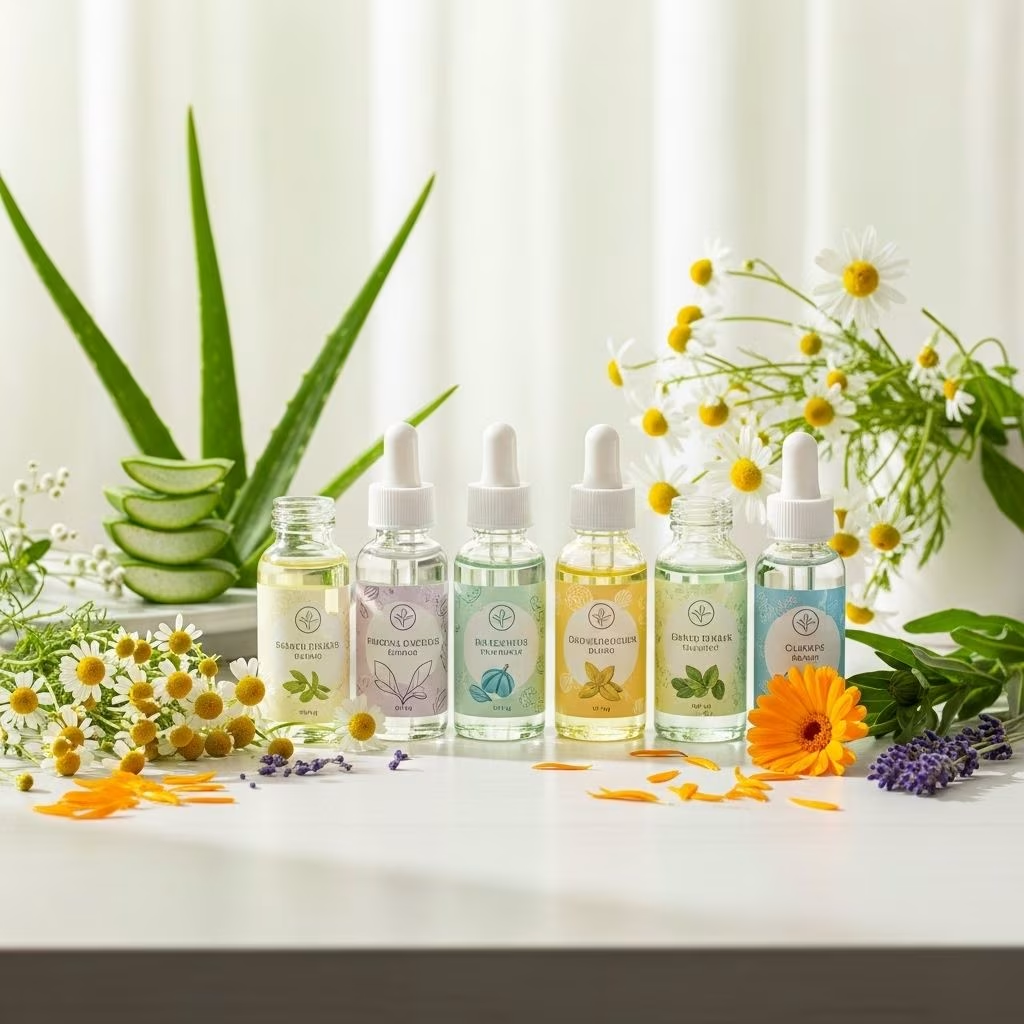
People with sensitive skin face unique challenges when searching for effective skincare solutions. Many active ingredients can transform the skin’s health, but some provoke redness, irritation, or flare-ups. Fortunately, by choosing the right synergistic active ingredient combinations, sensitive skin can thrive, becoming more resilient, balanced, and radiant. This comprehensive guide explores the safest, most effective pairings for daily use, how to build routines around them, and how to troubleshoot common issues.
Understanding Sensitive Skin
Sensitive skin is not a medical diagnosis, but rather a tendency for the skin to overreact to environmental triggers and topical products. Common symptoms include burning, stinging, itching, redness, and tightness. These reactions can happen in response to fragrance, harsh surfactants, alcohol, some actives, and even water.
People with sensitive skin often have a compromised skin barrier, which allows irritants and allergens to penetrate more easily. Strengthening and protecting this barrier is paramount.
- Signs of sensitive skin include frequent redness, irritation after using new products, and susceptibility to environmental changes (wind, sun, pollution)
- Common underlying factors: genetics, medical conditions (eczema, rosacea), over-exfoliation, or improper product use
Combination skin further complicates care, as it includes oily areas (typically the T-zone) and dry or normal areas elsewhere. Achieving balance means addressing both oiliness and dryness alongside sensitivity.
Principles of Active Combinations for Sensitive Skin
The best active combinations for sensitive skin focus on strengthening the skin barrier, hydrating, calming inflammation, and providing gentle antioxidant protection. When layering actives:
- Choose low-concentration, fragrance-free formulas
- Prioritize non-irritating, hypoallergenic, and non-comedogenic actives
- Patch test new ingredients and combinations, introducing one at a time
- Avoid combining too many exfoliating or potentially sensitizing ingredients in a single routine
It is crucial to recognize that not all actives are problematic for sensitive skin; many are highly beneficial when thoughtfully combined and packaged in gentle vehicles (creams, serums, mists). The best pairings increase efficacy without increasing irritation risk.
Top Active Ingredient Pairings for Sensitive Skin
Here are the most effective, research-backed active ingredient combinations for sensitive skin, with explanations for their synergy and tips on how to incorporate them.
Ceramides + Hyaluronic Acid
- Ceramides reinforce the lipid barrier, preventing water loss and shielding against irritants.
- Hyaluronic acid draws water into the skin, plumping and hydrating without weight or stickiness.
Together, they hydrate and support barrier function, leaving skin supple and calm. This pairing is ideal for all-over use, especially after cleansing or exfoliation, and is foundational in many dermatologist-recommended products for sensitive skin.
Niacinamide + Panthenol (Vitamin B5)
- Niacinamide (Vitamin B3) soothes inflammation, minimizes redness, regulates oil, and strengthens the skin barrier.
- Panthenol (Vitamin B5) deeply hydrates and promotes barrier repair, reducing irritation.
This duo calms sensitivity, hydrates, and provides powerful antioxidant protection. Suitable morning and night, under moisturizer or sunscreen, it is a gold standard for sensitive combination skin prone to flare-ups and oil imbalances.
Azelaic Acid + Allantoin
- Azelaic acid regulates sebum, gently exfoliates, fades discoloration, and possesses anti-inflammatory properties.
- Allantoin soothes and promotes healing, counteracting potential tingling from azelaic acid.
This pairing is especially useful for those dealing with redness, sensitivity, and mild breakouts. Azelaic acid (at 10% or less) is famously well-tolerated by sensitive skin, and allantoin boosts comfort.
Cica (Centella Asiatica) + Madecassoside + Glycerin
- Cica and madecassoside are renowned for their calming and repairing effects on stressed, sensitized skin.
- Glycerin hydrates and supports cica’s soothing capabilities.
Perfect for barrier recovery, post-procedure care, or after accidental over-exfoliation. Products with this blend reduce inflammation, rebuild resilience, and keep skin hydrated.
Green Tea Extract + Vitamin E
- Green tea extract brings potent antioxidants and anti-inflammatory compounds that reduce redness.
- Vitamin E enhances antioxidant protection and supports healing.
Use this pairing for added defense against free radicals and environmental stressors, especially if your skin gets flushed or easily aggravated. Often found in light serums and facial mists.
Avocado Extract + Ceramides
- Avocado extract supplies gentle fatty acids and anti-inflammatories.
- Ceramides lock in moisture and protect the skin’s barrier.
This combination is ideal for those with redness, reactivity, and very dry patches, as seen in some milky serums designed for sensitive and combination skin types.
Table: Gentle Active Pairings & Their Key Benefits
| Active Combo | Main Benefits | Ideal Use |
|---|---|---|
| Ceramides + Hyaluronic Acid | Hydrate, restore barrier, calm | Daily, after cleansing |
| Niacinamide + Panthenol | Calm, balance oil, strengthen | Morning/night, after toner |
| Azelaic Acid + Allantoin | Reduce redness, mild exfoliation | Targeted, 2-3x/week or daily as tolerated |
| Cica + Glycerin | Soothe, repair, moisturize | As needed, post-sensitivity or after actives |
| Green Tea + Vitamin E | Antioxidant, anti-redness | Daily defense, morning |
Active Combinations to Avoid
Certain actives may be too harsh for sensitive skin or can amplify irritation if combined carelessly. Common risky combinations include:
- Retinoids + AHAs/BHAs: Both are potent exfoliators. Together, they risk over-exfoliation, peeling, and severe irritation. Sensitive skin often cannot tolerate retinoids at all or needs extremely slow introduction and special formulations.
- Vitamin C (L-ascorbic acid) + AHAs: This pairing can be sensitizing and is best avoided, especially in high concentrations.
- Alcohol-based toners with actives: Alcohol can strip the skin barrier and amplify stinging from other ingredients.
- High concentrations of essential oils or physical exfoliants (scrubs): These can create microtears or allergic reactions.
Always prioritize minimal, gentle, fragrance-free formulas and limit the number of actives layered in one routine.
Customizing a Routine for Combination & Sensitive Skin
Your daily skincare routine should prioritize barrier support, hydration, and gentle balance. Here’s how to incorporate effective active combinations:
Step 1: Gentle Cleansing
- Choose Sulfate-free, pH-balanced cleansers. Cream or oil-based cleansers with barrier-supporting actives are ideal. E.g., matcha-based cleansers, rosehip oil, or ceramide cleansers for sensitive-combo skin.
Step 2: Hydrating Mists or Toners
- Look for toners with humectants (glycerin, hyaluronic acid), panthenol, and antioxidants. Avoid alcohol-based toners.
Step 3: Targeted Serums
- Mix and match serums with gentle actives above; e.g., milky ceramide + avocado or niacinamide + panthenol serums. Apply to face and neck, avoiding eyes.
- If using azelaic acid or low-dose exfoliants, apply 2–3 times a week, alternating with hydrating and soothing serums on other days.
Step 4: Moisturizer
- Choose a non-comedogenic, fragrance-free cream with ceramides, hyaluronic acid, or cica. Apply more to drier areas, and a lighter layer on oilier spots.
Step 5: Facial Oils (Optional)
- At night, a few drops of jojoba, rosehip, or argan oil can boost hydration for dry/sensitive areas—especially in winter or after barrier compromise.
Step 6: Sun Protection (AM)
- Daily, broad-spectrum SPF 30+ is non-negotiable. Choose mineral sunscreens with zinc oxide or titanium dioxide for best tolerance.
Tip:
- Patch test any new product. Introduce only one new product or active at a time to monitor tolerance.
- Listen to your skin: If persistent redness or stinging develops, discontinue use and simplify to basic hydration/barrier repair.
Recommended Products Featuring Gentle Combos
- CeraVe Hydrating Cream-to-Foam Cleanser: Combines ceramides and hyaluronic acid to cleanse without stripping the skin barrier.
- Glow Recipe Avocado Ceramide Redness Relief Serum: Hydrates, soothes, and supports barrier function with avocado, ceramides, and calming ingredients.
- Pixi Glow Tonic (used sparingly): Contains glycolic acid at low concentration with soothing aloe vera for gentle exfoliation. Patch test before use on sensitive skin.
- Tata Harper Resurfacing AHA + BHA Serum: For those with slightly more resilient sensitive/combination skin, combines multiple mild exfoliants and vitamin C (use with caution and patch test).
- CeraVe Moisturizing Cream: “Holy grail” moisturizer for dry, sensitive, or combination skin with ceramides, glycerin, and hyaluronic acid.
Frequently Asked Questions (FAQs)
Q: Which ingredient is most calming for highly reactive skin?
A: Panthenol, allantoin, cica (Centella asiatica), and oat extract are among the most soothing, especially when paired with ceramides and glycerin for ongoing hydration and strengthening.
Q: Can I use vitamin C if I have sensitive skin?
A: Pure L-ascorbic acid (vitamin C) can be irritating. Consider gentler derivatives (e.g., sodium ascorbyl phosphate) and avoid pairing with strong acids or retinoids. Patch test before regular use and opt for formulas combined with calming actives.
Q: How should I address both oily and dry patches as well as sensitivity?
A: Use light hydrating mists and gentle actives all over, then spot-treat oily or breakout-prone zones with targeted serums (e.g. azelaic acid), and apply richer creams or face oils to dry areas. Follow the principle of ‘targeted application’ rather than using the same products everywhere.
Q: Is exfoliation safe for sensitive skin?
A: Occasional, gentle chemical exfoliation (like polyhydroxy acids or low-dose AHAs) is usually safer than physical exfoliation. Avoid overuse and always replenish with hydrating and calming actives afterward.
Q: What role do facial oils play in these combinations?
A: Oils like jojoba, rosehip, and argan provide extra hydration, antioxidants, and nourishment without clogging pores. Use a few drops at night after moisturizer or to seal in actives. Ensure oils are high-quality, non-comedogenic, and fragrance-free for best results.
Conclusion
Mastering skincare for sensitive skin means understanding not only which actives are safe, but also which combinations amplify results without amplifying risk. Key pairings—such as ceramides with hyaluronic acid, niacinamide with panthenol, or azelaic acid with allantoin—deliver visible benefits in comfort and resilience. Avoiding aggressive actives, excess exfoliation, or irritating combinations is just as essential. Through careful product selection, patch testing, and gradual integration, sensitive skin can flourish—calmer, stronger, and more luminous than ever.
References
- https://www.tatcha.com/blog/skincare-routine-for-sensitive-skin.html
- https://www.healthline.com/health/beauty-skin-care/skin-care-routine-for-combination-skin
- https://www.paiskincare.us/collections/combination-skin
- https://www.cosmopolitan.com/uk/beauty-hair/skincare/a30456000/combination-skin/
- https://www.eraorganics.com/blogs/beauty-guide/skin-care-sensitive
- https://www.cerave.com/skin-smarts/skin-concerns/sensitive-skin/how-to-manage-sensitive-skin-in-different-skin-types
- https://www.ulta.com/discover/skin/best-skincare-for-combination-skin
- https://www.kiehls.com/skincare-advice/skincare-routine-for-sensitive-skin.html


