


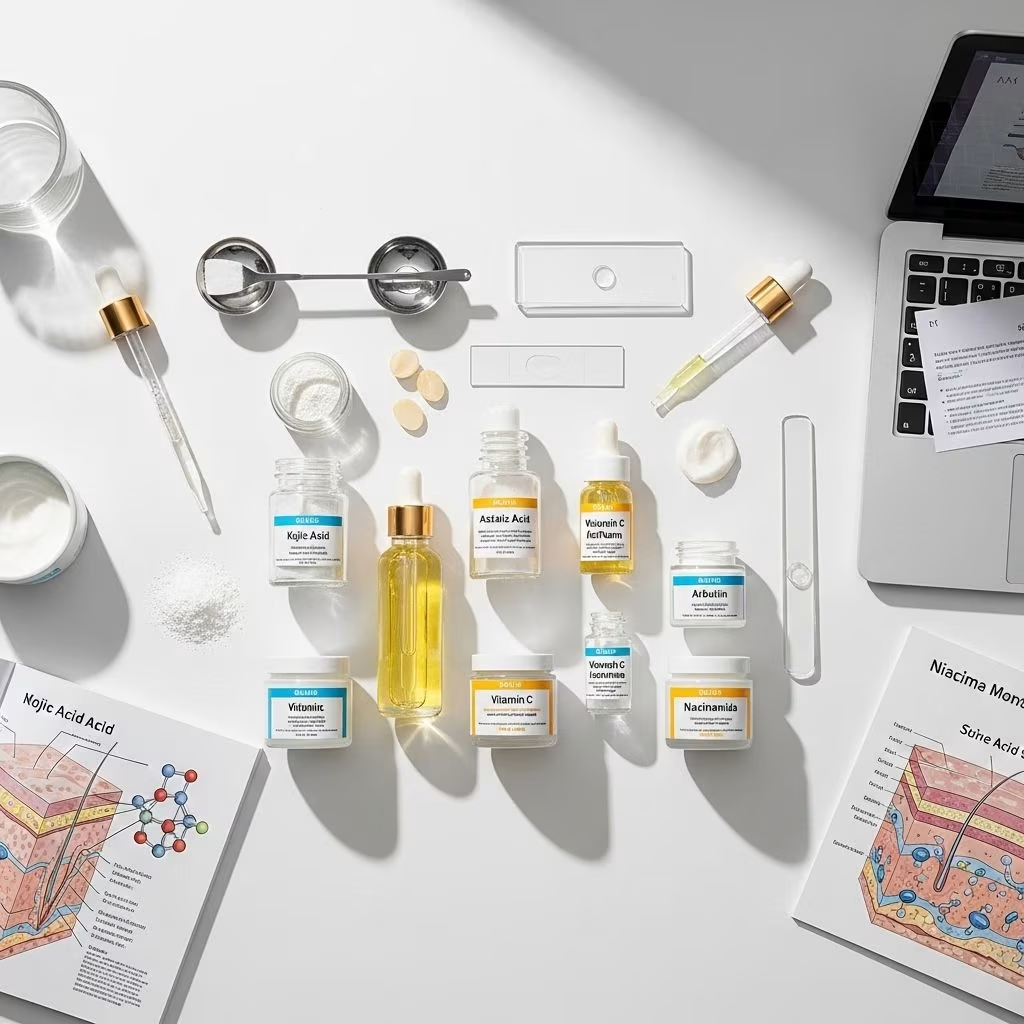
Actives for Melasma: Alternatives & Protocols
Melasma is a chronic skin condition characterized by dark, uneven patches predominantly affecting the face. Effective management is complex and requires an informed approach, considering the biological pathways, patient skin type, and triggers such as UV exposure. This comprehensive guide distills current evidence and expert consensus regarding active ingredients, alternatives, and protocols for melasma treatment.
Understanding Melasma: Mechanisms & Challenges
Melasma, sometimes called “the mask of pregnancy” when associated with hormonal changes, is influenced by numerous factors:
- Hyperactive Melanocytes: Leads to excessive melanin production.
- Triggers: Includes ultraviolet exposure, hormones (pregnancy, contraceptives), genetics, and inflammation.
- Chronicity: Melasma often resists treatment and frequently recurs, emphasizing the necessity of maintenance protocols and sun protection.
Dark patches often appear on the cheeks, forehead, nose, and upper lip, but can occur elsewhere. The core therapeutic goal is to safely reduce melanin synthesis, interrupt pigment transfer, and prevent further recurrence.
Gold-Standard Actives for Melasma
Several active ingredients remain central in dermatology for melasma management. Each acts on different stages of pigment formation and deposition.
| Ingredient | Mechanism | Usage Notes |
|---|---|---|
| Hydroquinone | Tyrosinase inhibition; prevents melanin formation | Most effective at 4% and under medical supervision. Often used short-term due to potential irritation and rare risks such as ochronosis. |
| Retinoids (Tretinoin) | Increases cell turnover, promotes exfoliation of pigmented keratinocytes | Can initially worsen melasma before improvement; potent in combination with hydroquinone or corticosteroids. |
| Azelaic Acid | Antiproliferative effects; selective toxicity to hyperactive melanocytes | Effective in 15-20% concentrations; alternatives for those intolerant to hydroquinone. |
| Kojic Acid | Inhibits free tyrosinase; antioxidant effects | Often combined with hydroquinone or glycolic acid. Potential sensitizer and irritant. |
Most protocols employ a combination of the above to boost efficacy and minimize resistance.
Effective Alternatives and Supportive Agents
The following ingredients provide alternatives to standard actives and can be especially useful for sensitive skin or for maintenance therapy.
- Niacinamide (Vitamin B3): Reduces inflammation, inhibits melanin transfer to keratinocytes, promotes barrier function. Well tolerated, effective in both prescription and OTC formulas.
- Vitamin C (Ascorbic Acid): Potent antioxidant; blocks melanin synthesis and promotes brightening.
- Alpha Hydroxy Acids (AHAs; glycolic/lactic): Chemical exfoliants to enhance penetration of actives, remove pigmented cells, and encourage even skin tone.
- Licorice Root Extract: Contains glabridin; inhibits melanin synthesis and offers anti-inflammatory benefits.
- Arbutin: Plant-derived hydroquinone analog; competitive tyrosinase inhibition, but clinical evidence is limited.
- Mulberry Extract: Natural arbutin source, also used for melanin inhibition.
In addition to these, corticosteroids may be included by dermatologists in short-term regimens, primarily to reduce irritation from actives like hydroquinone or retinoids.
Combination Protocols and Regimens
Clinical practice strongly favors combination therapy for melasma, leveraging synergistic effects and minimizing adverse reactions:
- Triple Combination Creams: Hydroquinone, tretinoin, and a mild corticosteroid—often regarded as the most potent regimen for moderate-to-severe melasma.
- Duo Protocols: Hydroquinone plus kojic acid or glycolic acid for increased penetration and pigment fading.
- Supportive Care: Niacinamide, vitamin C, and AHAs for maintenance and post-clearance care.
A standard protocol may involve an initial intensive phase (6–12 weeks), followed by reductions in actives and transitions to gentler agents and vigilant photoprotection.
Emerging & Advanced Ingredients
Recent research and clinical trials are broadening options for melasma management—particularly for patients who tolerate standard therapies poorly or desire alternatives.
- Tranexamic Acid (TA): Used orally, topically, or via microinjection. TA may inhibit UV-induced plasmin activity, reducing tyrosinase activation and melanin production. Provides incremental improvement, especially for resistant cases.
- Thiamidol: A newer tyrosinase inhibitor with good tolerance and promising results from recent studies.
- Cysteamine: A natural antioxidant and melanin synthesis inhibitor shown to reduce hyperpigmentation in clinical settings.
- Other Botanicals: Aloe, mulberry, and licorice root are under investigation for gentler, supportive intervention, especially in maintenance protocols.
Besides these, procedural treatments—chemical peels, microneedling, and lasers—may be integrated for some patients, usually with topical actives for sustained improvement. Caution is essential, as aggressive procedures can sometimes worsen pigmentation.
Sunscreen: The Foundation of Every Protocol
Across all treatment ladders for melasma, broad-spectrum sunscreen is indispensable:
- Prevents relapse and progression by blocking UVA/UVB-induced pigment stimulation.
- Essential during active treatment to minimize post-inflammatory hyperpigmentation and irritation.
- Physical blockers (zinc oxide, titanium dioxide) recommended for maximal protection.
SPF 50 or above is standard; sunscreen acts as an adjunct and is often the first recommendation before active topical therapy begins.
Precautions, Side Effects, and Best Practices
Melasma therapies require prudent monitoring for efficacy and adverse effects:
- Hydroquinone: Prolonged use can cause irritation, contact dermatitis, and (rarely) ochronosis (blue-black pigment deposition). Dermatologist supervision is essential.
- Retinoids: Often cause initial erythema, peeling, and temporary exacerbation; must be introduced gradually.
- Acid Exfoliants: Overuse increases risks for sensitivity and subsequent hyperpigmentation—especially in darker skin types.
- Kojic Acid, Arbutin: Allergic or irritant reactions are possible; patch testing may be advisable for sensitive individuals.
General skin care principles include gentle cleansing, use of non-comedogenic moisturizers, and strict sun protection. Patients should avoid known triggers such as excessive heat, hormonal fluctuations (if possible), and friction.
Maintenance & Long-Term Management
- Once significant improvement is reached, transition to milder ingredients (niacinamide, vitamin C, moisturizers) and persistent sunscreen use.
- Periodic dermatologist consultation for regimen adjustments.
- Psychosocial support may be helpful, as melasma can influence self-esteem and quality of life.
Frequently Asked Questions (FAQs)
Q: What is the safest long-term active for melasma?
Niacinamide is widely regarded as safe for prolonged use. Vitamin C and azelaic acid also have favorable safety profiles.
Q: Can melasma be permanently cured?
Melasma is chronic; while pigment can be suppressed or removed, relapse is common, especially without sun protection. Ongoing maintenance is essential.
Q: Are there effective natural or “clean” alternatives?
Natural ingredients showing promise include licorice root, mulberry extract, and aloe; however, evidence is often less robust than for synthetic actives.
Q: How soon can results be expected?
Significant improvement often requires 2–3 months of consistent therapy. Combination protocols accelerate visible changes.
Q: What should I avoid to prevent recurrence?
Unprotected sun exposure, heat, hormonal triggers, and irritation are key risk factors. Adhering to sunscreen protocols is the single most impactful preventative measure.
Summary & Takeaways
- Melasma is best managed using a targeted combination of actives disrupting melanin production, transfer, and deposition.
- Hydroquinone, retinoids, azelaic acid, and kojic acid remain central; niacinamide, vitamin C, and sunscreen crucial for supportive and long-term protocols.
- Personalization and dermatologist guidance are vital due to differences in skin response and side effect risks.
- Emerging options like tranexamic acid, cysteamine, and thiamidol offer promise for resistant cases or patient preference.
- Ultimate success hinges on diligent sun protection and maintenance-phase care.
References
- https://www.dermatologyadvisor.com/features/updated-review-of-melasma-treatments/
- https://miiskin.com/anti-aging-beauty/best-ingredients-for-hyperpigmentation/
- https://santilondon.com/what-are-the-best-cosmetic-ingredients-for-melasma-and-pigmentation/
- https://www.health.harvard.edu/blog/melasma-what-are-the-best-treatments-202207112776
- https://pmc.ncbi.nlm.nih.gov/articles/PMC8435474/
- https://www.michelegreenmd.com/best-creams-for-melasma
- https://www.dermatica.com/treatments/melasma
- https://karammdskin.com/blogs/expert-advice/hyperpigmentation-vs-melasma-best-ingredients-for-dark-spots


