


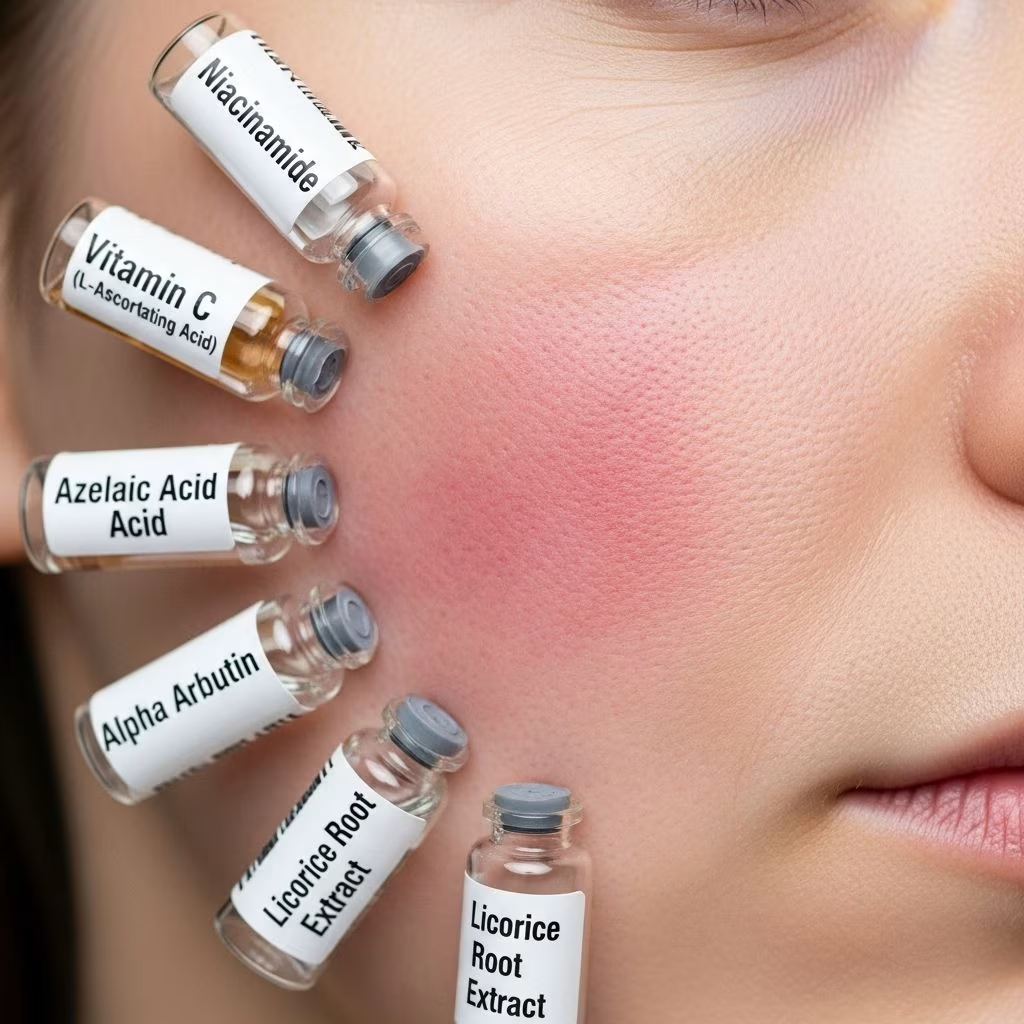
Post-inflammatory erythema represents one of the most frustrating consequences of acne and skin inflammation. Those persistent red marks that linger long after a breakout has healed can significantly impact confidence and skin appearance. Understanding which active ingredients effectively target PIE can transform your approach to post-acne care and accelerate the healing process. This comprehensive guide explores the most effective actives for treating post-inflammatory erythema, providing you with evidence-based strategies to restore your skin’s clarity.
Understanding Post-Inflammatory Erythema
Post-inflammatory erythema occurs when inflammatory processes in the skin lead to vascular changes and increased blood flow to the affected area. Unlike post-inflammatory hyperpigmentation, which involves excess melanin production, PIE manifests as red or pink discoloration caused by dilated blood vessels and hemoglobin presence in the dermis. This distinction is crucial because the treatment approaches for these two conditions differ significantly.
PIE typically appears as flat red or pink marks that blanch when pressed, indicating their vascular nature. These marks are particularly common after inflammatory acne lesions, though they can result from any trauma or inflammation to the skin. The condition tends to affect individuals with lighter skin tones more noticeably, though it can occur across all skin types. While PIE often resolves naturally over time, this process can take months or even years without intervention, making targeted treatment with active ingredients a valuable approach for those seeking faster results.
Retinoids and Tretinoin for PIE Treatment
Retinoids stand among the most powerful and well-researched active ingredients for addressing post-inflammatory erythema. Tretinoin, the prescription-strength retinoid, works directly on retinoic acid receptors found on skin cells, making it the most potent option available. With over 50 years of clinical use and scientific evidence supporting its efficacy, tretinoin has established itself as a gold standard in dermatological treatment.
The mechanism by which retinoids address PIE involves multiple pathways. These compounds increase cellular turnover, promoting the shedding of damaged surface cells and accelerating the skin’s natural renewal process. More importantly for PIE treatment, retinoids boost collagen production in the deeper layers of the skin, which helps fill in defects and supports the remodeling of vascular structures. This collagen-stimulating effect gradually reduces the appearance of red marks by strengthening the skin’s underlying architecture.
When using retinoids for PIE, patience becomes essential. Many individuals use retinoids initially to treat active acne and discontinue them once breakouts subside. However, continuing retinoid use after acne resolution proves beneficial for hastening the resolution of both post-inflammatory redness and hyperpigmentation. The full impact of retinoids typically manifests over weeks to months of consistent use, requiring commitment to see optimal results.
For those who cannot tolerate or access prescription tretinoin, over-the-counter retinol serves as an effective alternative. While less potent than tretinoin, retinol still provides meaningful benefits for PIE treatment when used consistently. Important considerations include that retinoids are not safe during pregnancy, and they require careful introduction to minimize irritation that could potentially worsen inflammation.
Azelaic Acid: A Multifunctional PIE Solution
Azelaic acid has emerged as one of the most effective and well-tolerated actives for treating post-inflammatory erythema. This naturally occurring substance, produced by yeast, offers a comprehensive approach to PIE management through its anti-inflammatory, antibacterial, and antioxidant properties. Clinical evidence strongly supports its use, with studies demonstrating significant improvements in PIE lesions.
Research examining 15% azelaic acid gel for acne-induced PIE showed remarkable results. Patients treated with azelaic acid demonstrated significantly reduced intensity, size, and number of PIE lesions at both 8 and 12 weeks compared to baseline measurements. The hemoglobin content in PIE lesions decreased significantly, directly addressing the vascular component of the condition. Importantly, the treatment showed minimal adverse reactions and did not negatively impact skin barrier function, indicating an excellent safety profile.
The multifaceted mechanism of azelaic acid makes it particularly valuable for PIE treatment. As a chemical exfoliator, it unblocks pores that become congested during acne formation, penetrating down into blocked pores to break up obstructions while simultaneously killing acne-causing bacteria. Its potent anti-inflammatory properties directly reduce swelling and redness, addressing the core issue in post-inflammatory erythema.
Azelaic acid proves especially beneficial for individuals with sensitive skin who may struggle to tolerate retinoids. It serves as an excellent alternative or complementary treatment, offering gentle yet effective action. Dermatologists particularly value azelaic acid for acne-prone skin, as it simultaneously addresses multiple concerns including active breakouts, PIE prevention, and existing red marks. The ingredient is available both over-the-counter in lower concentrations and by prescription in higher strengths, providing flexibility in treatment approaches.
Niacinamide: The Gentle PIE Fighter
Niacinamide, a form of vitamin B3, represents an exceptional choice for managing post-inflammatory erythema, particularly for those seeking gentle yet effective treatment options. This versatile ingredient has gained widespread recognition for its ability to calm skin inflammation while addressing multiple skin concerns simultaneously, making it ideal for PIE management.
The primary benefit of niacinamide for PIE lies in its powerful anti-inflammatory properties. By calming skin inflammation, niacinamide directly reduces redness and supports the healing process. Additionally, it helps regulate oil production, which can prevent future breakouts that might lead to additional PIE lesions. The ingredient also reduces skin discoloration over time, contributing to a more even complexion as red marks fade.
Dermatologists often recommend using niacinamide in combination with other active ingredients for enhanced results. Its gentle nature makes it compatible with most skincare actives, and it can help buffer potential irritation from stronger treatments like retinoids or acids. This compatibility makes niacinamide an excellent addition to comprehensive PIE treatment protocols.
When incorporating niacinamide into a skincare routine for PIE treatment, consistency and patience remain crucial. Products should be used regularly for at least six to eight weeks to establish whether they make a meaningful difference. A common mistake involves changing products too frequently, preventing adequate time for assessment. Since skin improvement takes time, maintaining a consistent routine with niacinamide allows for proper evaluation of its effectiveness.
The accessibility of niacinamide represents another significant advantage. Available in numerous over-the-counter products, it provides an affordable entry point for PIE treatment. Its suitability for sensitive skin and safety during pregnancy make it an inclusive option for a wide range of individuals seeking to address post-inflammatory erythema.
Vitamin C and Antioxidants for PIE Recovery
Antioxidants play a critical role in managing post-inflammatory erythema by protecting skin from oxidative stress and supporting the healing process. Vitamin C, vitamin E, and other antioxidant compounds neutralize free radicals that damage skin cells and impede recovery, making them valuable additions to PIE treatment regimens.
Vitamin C, also known as ascorbic acid, stands out among antioxidants for its multiple benefits in addressing PIE. This powerful ingredient helps brighten skin over time, gradually reducing the appearance of red marks and promoting a more even complexion. Beyond its antioxidant properties, vitamin C supports collagen synthesis, strengthening the skin’s structure and potentially improving the appearance of vascular marks associated with PIE.
The mechanism by which vitamin C addresses post-inflammatory erythema involves its ability to calm irritated skin while protecting against environmental damage that could prolong healing time. By neutralizing free radicals generated during inflammatory processes, vitamin C creates an environment more conducive to skin recovery. Regular use helps maintain this protective effect, gradually improving the appearance of existing PIE while potentially preventing new marks from forming.
Vitamin E complements vitamin C in PIE treatment protocols, offering additional antioxidant protection and supporting skin barrier function. The combination of these vitamins provides comprehensive free radical defense, addressing multiple factors that can impede PIE resolution. Many skincare formulations combine vitamin C and E to maximize their synergistic benefits.
When selecting vitamin C products for PIE treatment, stability and formulation matter significantly. L-ascorbic acid, the most potent form of vitamin C, requires specific pH levels and packaging to remain effective. Alternative forms like magnesium ascorbyl phosphate or ascorbyl glucoside offer greater stability with potentially gentler action, making them suitable for sensitive skin prone to PIE.
Topical Antibiotics: Clindamycin and Metronidazole
Topical antibiotics serve an important role in PIE prevention and treatment by addressing the inflammatory acne that leads to red marks. While these medications require prescription supervision, they can significantly reduce the likelihood of developing post-inflammatory erythema when used appropriately during active breakouts.
Clindamycin represents one of the most commonly prescribed topical antibiotics for acne management. This medication stops the growth of acne-causing bacteria, directly addressing the inflammatory component of acne that manifests as redness and inflamed lesions. By controlling bacterial proliferation and reducing inflammation, clindamycin helps prevent the development of PIE while supporting recovery of existing marks.
The anti-inflammatory properties of topical antibiotics extend beyond simple bacterial control. These medications actively reduce redness and swelling associated with acne lesions, creating conditions more favorable for healing without residual erythema. Early intervention with topical antibiotics during breakouts can minimize the severity and duration of inflammation, potentially reducing both the intensity and longevity of subsequent PIE.
Metronidazole offers similar benefits, targeting bacteria that cause acne while promoting clearer skin and reducing scarring risk. Like clindamycin, it addresses the inflammatory processes that ultimately lead to post-inflammatory erythema. The medication’s ability to calm active inflammation makes it valuable for preventing PIE formation during treatment of active acne.
Important considerations surround topical antibiotic use. These medications should only be used under dermatological supervision and for limited periods to prevent antibiotic resistance, a growing concern in medical practice. Neither clindamycin nor metronidazole is recommended during pregnancy or breastfeeding. Additionally, topical antibiotics work best as part of comprehensive acne treatment rather than standalone PIE therapy, as their primary benefit lies in prevention rather than treatment of existing red marks.
Centella Asiatica and Panthenol for Soothing PIE
Centella asiatica and panthenol represent gentle yet effective actives for supporting PIE recovery through their soothing and barrier-supporting properties. These ingredients take a nurturing approach to post-inflammatory erythema, focusing on calming inflammation and supporting the skin’s natural healing processes.
Centella asiatica, also known as cica or gotu kola, has been used in traditional medicine for centuries to promote wound healing and reduce inflammation. In modern skincare, this botanical extract appears in numerous moisturizers and serums designed to calm reactive skin. For PIE treatment, centella asiatica offers anti-inflammatory benefits that help reduce redness while supporting skin repair mechanisms.
The compound contains several active constituents, including asiaticoside, madecassoside, asiatic acid, and madecassic acid, which work synergistically to promote healing. These components support collagen synthesis, improve skin barrier function, and reduce inflammatory responses. For individuals dealing with post-inflammatory erythema, centella asiatica provides gentle support that complements more active treatments without causing additional irritation.
Panthenol, also known as provitamin B5, serves as another valuable soothing active for PIE management. When applied topically, panthenol converts to pantothenic acid, a form of vitamin B5 that plays crucial roles in skin function. This ingredient excels at moisturizing and supporting barrier repair, creating optimal conditions for PIE resolution.
The hydrating properties of panthenol prove particularly beneficial for skin recovering from inflammation. By maintaining adequate moisture levels and supporting barrier integrity, panthenol helps prevent additional irritation that could prolong PIE healing time. Its anti-inflammatory effects further contribute to redness reduction, making it an excellent supporting ingredient in comprehensive PIE treatment protocols.
Both centella asiatica and panthenol work well in daily treatment regimens, providing consistent soothing support without risk of over-exfoliation or irritation. These ingredients prove especially valuable when using more active treatments like retinoids or acids, as they can help buffer potential irritation while supporting overall skin health.
Treatment Combinations and Protocols for Optimal PIE Management
Effective PIE treatment often involves strategic combination of multiple active ingredients rather than relying on a single compound. Understanding how to layer and combine actives maximizes benefits while minimizing irritation risk, creating comprehensive protocols that address post-inflammatory erythema from multiple angles.
A foundational PIE treatment protocol might begin with gentle cleansing followed by application of soothing ingredients like niacinamide or centella asiatica. These calming actives prepare the skin and reduce inflammation, creating an optimal environment for more potent treatments. Next, targeted actives like azelaic acid or retinoids can be applied, addressing the core mechanisms of PIE formation and persistence. Finally, antioxidants like vitamin C can be incorporated, either in the same routine or alternated depending on product compatibility and skin tolerance.
Timing and sequencing matter significantly in combination protocols. Water-based serums generally apply first, followed by treatments with different bases, and finishing with moisturizers and sun protection. Some actives work better at specific times of day; for example, retinoids typically apply at night due to sun sensitivity, while vitamin C often features in morning routines for its antioxidant protection against environmental damage.
Sun protection represents a non-negotiable component of any PIE treatment protocol. Ultraviolet exposure results in inflammation and redness, directly counteracting treatment efforts and potentially worsening post-inflammatory erythema. Lightweight sunscreen formulas designed for acne-prone skin provide essential protection without clogging pores or exacerbating breakouts that could lead to additional PIE.
During active breakout phases, spot treatments with benzoyl peroxide or salicylic acid help address pimples quickly, minimizing the inflammatory period that leads to PIE. Once lesions begin healing, switching focus to PIE-targeting actives like azelaic acid and retinoids accelerates red mark resolution. This phased approach addresses both prevention and treatment of post-inflammatory erythema.
Professional treatments can complement topical active ingredient protocols. In-office procedures like intense pulsed light or pulsed dye laser specifically target the vascular component of PIE, potentially accelerating improvement beyond what topical treatments alone can achieve. However, these interventions require experienced practitioners, as improper technique could worsen the condition. Consulting with a dermatologist helps determine whether professional treatments might benefit your specific situation.
Frequently Asked Questions
How long does it take for actives to improve PIE?
Most active ingredients require consistent use for 6 to 12 weeks before significant improvement becomes visible. Retinoids and azelaic acid typically show results within 8 to 12 weeks, while gentler options like niacinamide may take slightly longer. The key to success lies in consistent daily application and patience, as PIE naturally takes time to resolve even with treatment intervention.
Can I use multiple PIE-treating actives together?
Yes, combining compatible actives often produces better results than using single ingredients alone. Niacinamide pairs well with most other actives and can help buffer irritation. Azelaic acid and retinoids can be used in the same routine, typically applying azelaic acid in the morning and retinoids at night. However, start slowly when combining actives, introducing one at a time to assess tolerance before adding additional treatments.
Which active ingredient works fastest for PIE?
Azelaic acid tends to show results relatively quickly, with clinical studies demonstrating significant improvement in PIE at 8 weeks of consistent use. However, individual response varies considerably, and what works fastest for one person may differ for another. Retinoids offer powerful long-term benefits but typically require several weeks to months for full effect. For fastest overall results, combination approaches using multiple complementary actives generally outperform single-ingredient strategies.
Are there any actives to avoid when treating PIE?
Avoid harsh physical exfoliants and overly aggressive chemical peels that could cause additional inflammation and worsen PIE. While chemical exfoliants like salicylic acid have their place in PIE treatment, using them too frequently or in excessive concentrations can backfire. Additionally, be cautious with products containing high concentrations of essential oils or fragrance, as these can trigger inflammation in sensitive skin prone to post-inflammatory erythema.
Can actives prevent PIE from forming after acne?
Yes, certain actives can help prevent PIE formation when used during active breakouts. Topical antibiotics like clindamycin reduce inflammation severity, potentially minimizing subsequent PIE. Spot treatments with benzoyl peroxide or salicylic acid that quickly address pimples reduce the inflammatory period, decreasing PIE likelihood. Additionally, consistent use of anti-inflammatory ingredients like niacinamide and centella asiatica throughout acne treatment supports faster healing with less residual redness.
Is PIE treatment safe during pregnancy?
Several PIE-treating actives remain safe during pregnancy, though some require avoidance. Niacinamide, vitamin C, and azelaic acid are generally considered safe for use during pregnancy and breastfeeding. However, retinoids including tretinoin and retinol must be avoided during pregnancy due to potential risks. Topical antibiotics like clindamycin and metronidazole are also not recommended during pregnancy or breastfeeding. Always consult with your healthcare provider before using any active ingredients during pregnancy.
References
- https://www.skinandme.com/the-dose/ask-a-dermatologist-what-is-post-inflammatory-erythema/
- https://pmc.ncbi.nlm.nih.gov/articles/PMC11116308/
- https://www.youtube.com/watch?v=_T_QgX2GeOE
- https://slmdskincare.com/blogs/learn/post-inflammatory-erythema-pie-treating-after-acne-red-spots
- https://naturalimageskincenter.com/post-inflammatory-erythema-vs-post-inflammatory-hyperpigmentation/
- https://us.typology.com/library/what-is-post-inflammatory-erythema


