


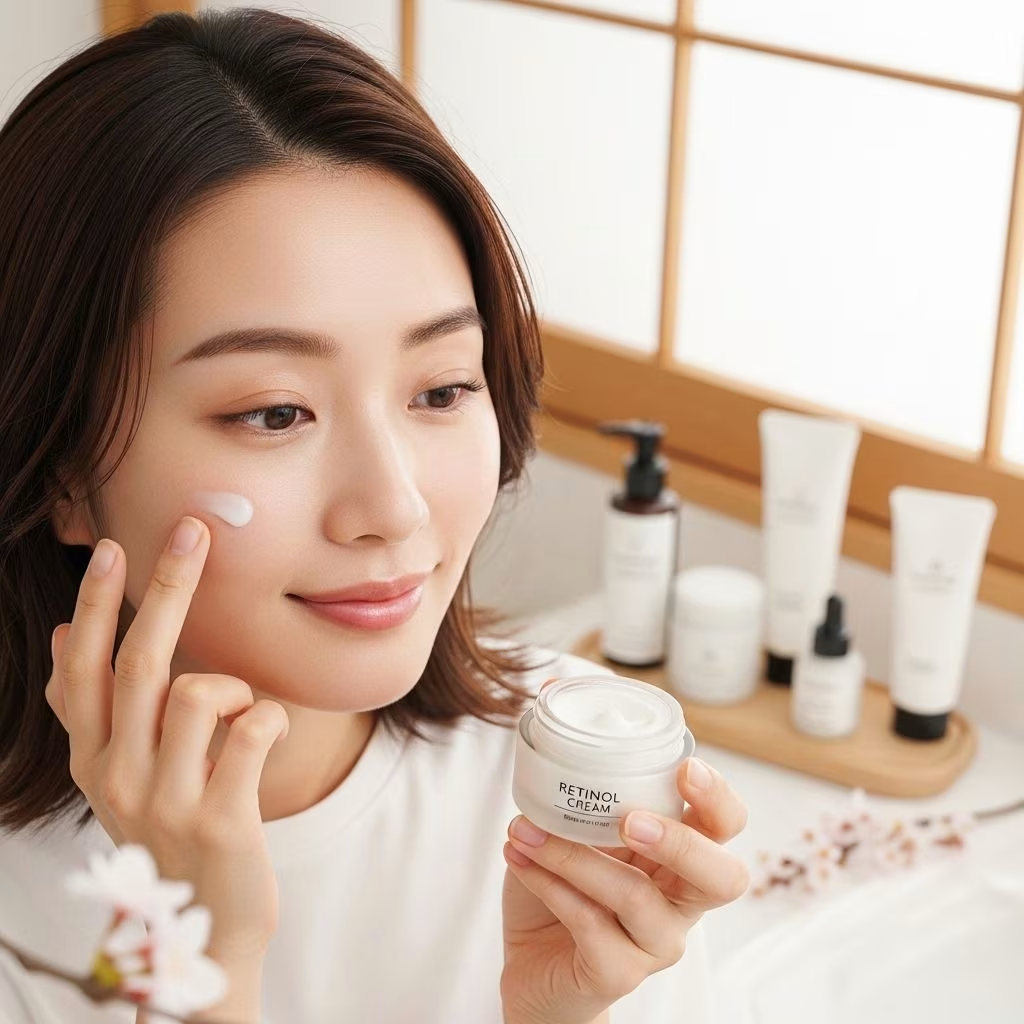
Retinol, a gold-standard in anti-aging and skin renewal, is renowned for its transformative effects, but often scares off those with sensitive skin due to its reputation for irritation. Japanese beauty—or J-Beauty—has responded with uniquely engineered, gentle retinol formulas. This article explores the science, philosophy, and best practices behind J-Beauty retinol for sensitive skin, highlighting why these formulations are becoming trusted allies in skincare routines worldwide.
What is Retinol and How Does It Work?
Retinol is a derivative of vitamin A celebrated for its role in skin rejuvenation. It accelerates skin cell turnover, stimulates collagen production, reduces fine lines, minimizes pores, and evens skin tone. By encouraging the sloughing off of old skin cells and surfacing newer, healthier cells, retinol visibly brightens and plumps the complexion.
- Collagen Stimulation: Retinol activates skin cells (fibroblasts) to produce more collagen—a structural protein essential for firm, youthful skin.
- Acne and Texture Improvement: Retinol reduces clogged pores and inflammation, supporting clearer, smoother skin.
- Hyperpigmentation and Sun Damage: Over time, retinol addresses spots, unevenness, and dullness brought by UV exposure and aging.
Despite its power, traditional retinol products often cause redness, dryness, stinging, or flaking—effects especially worrisome for sensitive skin types.
Key Benefits of Retinol for Skin
Retinol is prized for its broad spectrum of skin benefits. When used consistently, it offers:
- Diminution of fine lines and wrinkles via collagen production and plumping.
- Brighter, more even skin tone through exfoliation and acceleration of cell turnover.
- Improved texture by smoothing rough patches and minimizing pore congestion.
- Reduction in acne breakouts and post-inflammatory hyperpigmentation.
These dramatic results can, however, come at the cost of discomfort—especially without careful selection and application.
Retinol and the Challenges for Sensitive Skin
Sensitive and reactive skin is characterized by heightened responses to skincare ingredients—manifesting as redness, irritation, burning, or dry patches. Retinol, being a potent active, presents specific challenges:
- Irritation and Redness: Flaking, stinging, and visible inflammation are common upon initial use.
- Barrier Disruption: Retinol can weaken the skin’s protective lipid barrier, intensifying dehydration.
- Difficulty in Tolerance: Sensitive skin may require months to acclimate, risking setbacks or abandonment of retinol entirely.
These realities have fueled the J-Beauty industry’s innovations in formulating gentle, yet effective retinol solutions.
The J-Beauty Approach: Philosophy & Innovation
Japanese beauty (J-Beauty) is defined by the pursuit of harmony, minimalism, and scientific gentleness. Formulations emphasize:
- Skin Barrier Respect: Prioritizing ingredients and methods that strengthen the skin while delivering active benefits.
- Layered Hydration: Integrating lightweight, deeply moisturizing elements like hyaluronic acid, squalane, and ceramides.
- Soothing Botanicals: Leveraging traditional Japanese plant extracts (e.g., green tea, rice bran, licorice) for calming and antioxidant protection.
- Slow and Steady Efficacy: Favoring incremental, consistent improvement over dramatic, short-term results that risk irritation.
J-Beauty Retinol: Gentle Formulation Strategies
J-Beauty brands have mastered the art of balancing retinol’s potency with sensitive skin compatibility. Their strategies include:
- Encapsulated Retinol: Encapsulation technology wraps retinol within a protective shell, facilitating slow, controlled release for reduced irritation and enhanced barrier protection.
- Lower Concentrations: Most Japanese retinol products use 0.01–0.3% retinol, ideal for first-time users or those who are easily sensitized.
- Dual-Action Moisturizers: Combining retinol with hydrating and lipid-replenishing agents (e.g., squalane, hyaluronic acid, glycerin) mitigates dryness and boosts comfort.
- Soothing Complexes: Additives like madecassoside, allantoin, and panthenol further calm the skin, counteracting inflammation and supporting repair.
- Minimalist Fragrance-Free Bases: J-Beauty tends to avoid fragrance and unnecessary additives, lowering the risk of allergic reactions.
These innovations mean even those with pronounced sensitivity can benefit from retinol’s age-defying and clarifying potential—without the usual discomfort.
Comparing Traditional vs. J-Beauty Retinol Approaches
| Feature | Traditional Retinol | J-Beauty Retinol |
|---|---|---|
| Formulation | Often higher concentrations, few soothing additives | Lower, precise concentrations and advanced buffers |
| Delivery | Immediate release, risk of sudden irritation | Encapsulated, time-released for gradual absorption |
| Texture | Heavier creams or basic serums | Lightweight emulsions, serums, and gels suited for layering |
| Additional Calming Agents | Occasional | Common—includes botanicals, panthenol, allantoin, ceramides |
| Fragrance | Frequently present | Often fragrance-free |
Popular Japanese Retinol Products for Sensitive Skin
The Japanese skincare market has several standout retinol products made for sensitive and reactive skin. Some highlights include:
- Hada Labo Retinol Lifting + Firming Cream: Blends retinol with collagen, hyaluronic acid, and squalane to hydrate, firm, and smooth surface lines without heavy stinging.
- Shiseido Vital Perfection Uplifting and Firming Cream: Contains gentle derivatives of retinol alongside botanical extracts for resilient, luminous skin. Suitable for mature and delicate skin types.
- Melano CC Intensive Anti-Spot Essence: Pairs youth-boosting retinol with vitamin C and anti-inflammatory agents, designed for use on pigmentation and acne marks.
- Obagi Japan Retinol Series: Features encapsulated pure retinol in serums and creams, tested for low-irritation and enhanced with vitamins E and B6 for repair.
- Rohto Mentholatum Wrinkle Retinol Cream: A minimalist, fragrance-free option rich in barrier-supportive squalane, vitamin E, and low-dose retinol.
How to Introduce Retinol into Your Sensitive Skin Routine
Implementing retinol—especially J-Beauty formulas—into a routine for sensitive skin requires strategic steps for comfort and efficacy:
- Start Slowly: Apply 1–2 times per week, gradually increasing to every other night as tolerance builds.
- Use a Pea-Sized Amount: A small amount suffices; more is not better.
- Apply to Clean, Dry Skin: Ensure the skin is thoroughly clean without being freshly exfoliated or irritated.
- Moisturize Well: Layer a hydrating, non-comedogenic moisturizer before and/or after the retinol to buffer its effects.
- Limit Simultaneous Actives: Avoid pairing with other strong actives (exfoliating acids, vitamin C, etc.) at the start.
- Always Use Sunscreen: Retinol makes skin photosensitive, heightening the risk of UV-induced harm.
Tips for Safe, Effective Use of J-Beauty Retinol
- Patch Test: Before full-face application, try new products on the inner forearm or under the jawline for 48 hours.
- Watch for Reaction: Mild flaking or dryness is expected; excessive stinging or rashes warrant pausing use or consulting a dermatologist.
- Incorporate Soothing Products: Use serums or masks with madecassoside, panthenol, or licorice extract regularly to support barrier health.
- Consistency Over Aggression: Skincare is a marathon—frequent use of low, stable concentrations delivers best results without overburdening sensitive skin.
Frequently Asked Questions (FAQs)
Q: Can I use J-Beauty retinol under my eyes if I have sensitive skin?
A: Yes, but only with products specifically formulated and tested for the delicate under-eye area. Start with very small amounts, spaced out, and observe for signs of irritation. J-Beauty eye serums containing encapsulated retinol, hyaluronic acid, and soothing ingredients are preferable.
Q: How long does it take to see results from J-Beauty retinol?
A: Most will see smoother, more radiant skin within 4 to 8 weeks. Significant improvement in lines or pigment may take 12 weeks or longer, especially with gentle, low-concentration formulas. Consistency is key.
Q: What alternatives to retinol are used in J-Beauty for ultra-sensitive skin?
A: In addition to retinol, J-Beauty brands often offer retinol alternatives like bakuchiol (plant-based and great for pregnancy), peptides, and plant stem cells for those unable to tolerate retinol but seeking similar anti-aging effects.
Q: What makes Japanese retinol products different from Korean or Western options?
A: Japanese retinol focuses on gentle, barrier-respecting delivery using time-release technology, lower concentrations, and a culture of layering lightweight, soothing hydration. Korean skincare also excels in gentle retinoids but may use different herbs or textures, while Western formulas often favor higher, more immediate-impact doses.
Q: Is it safe to use J-Beauty retinol year-round?
A: Yes, provided you are diligent about sun protection (SPF 30+ daily) and adjust your regimen if you notice increased dryness in winter. Retinol remains effective across seasons when paired with robust hydration and barrier support.
In summary: J-Beauty retinol is tailored for gentle but real results, allowing those with sensitive skin to experience firmer, brighter, and clearer skin—without the usual drama. The key is thoughtful formulation, slow introduction, and supportive hydration—an approach deeply rooted in Japanese skincare philosophy.
References
- https://www.healthline.com/health/beauty-skin-care/what-is-retinol
- https://chemistconfessions.com/blogs/best-retinol-for-sensitive-skin
- https://www.glowbytomoko.com/post/retinol-benefits-precautions-and-best-japanese-retinol-products
- https://japanesetaste.com/blogs/japanese-taste-blog/15-retinol-packed-japanese-skincare-products
- https://theskinspecial.com/blog/koreanretinol
- https://dandijapan.com/best-japanese-retinol/
- https://shikobeauty.com/blogs/expert-advice/the-top-five-j-beauty-face-serums


