


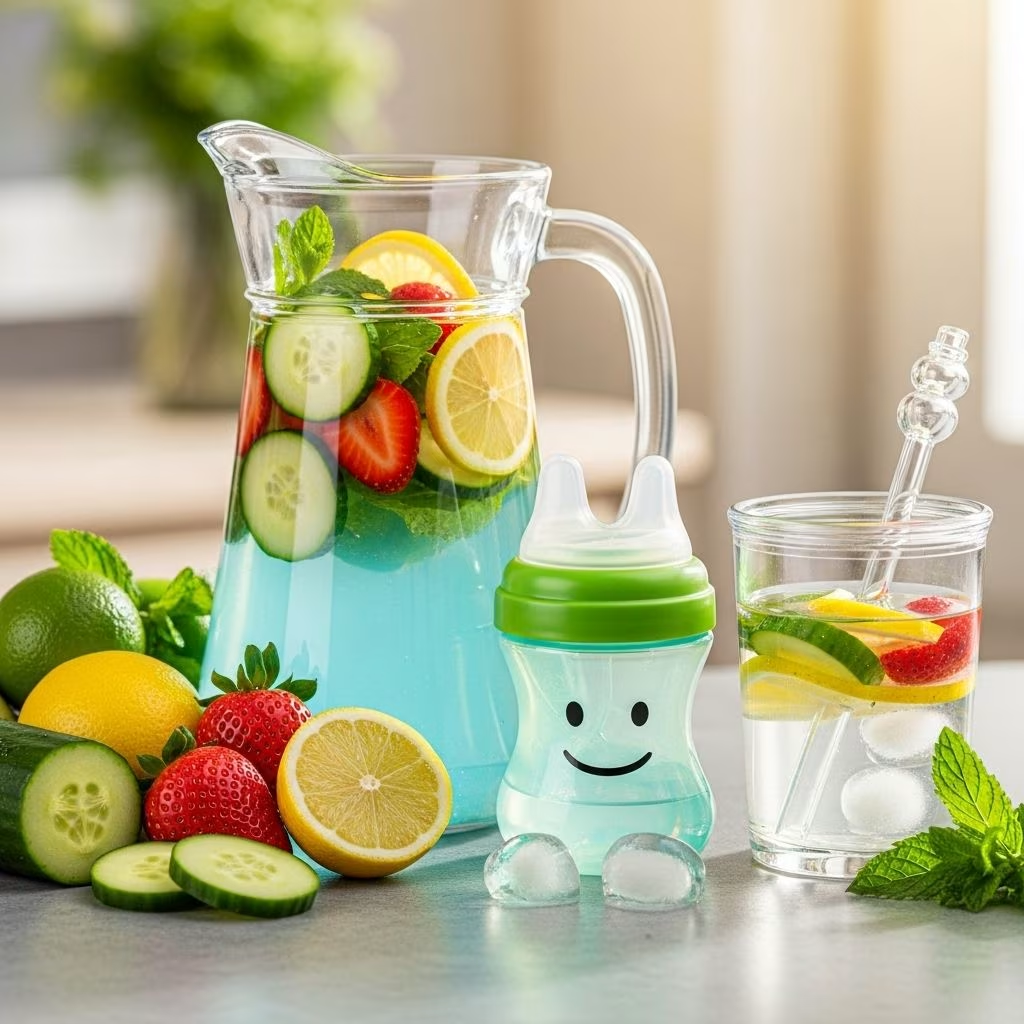
Finding safe, tasty, and effective ways to stay hydrated is a top priority for families—especially when children or individuals with diabetes are involved. While many drinks marketed to kids and athletes are full of added sugars, there are many low-sugar and sugar-free options that deliver hydration and essential electrolytes without spiking blood sugar or introducing unhealthy calories.
The Importance of Hydration for Kids and Diabetics
Water is a critical nutrient for everyone, but especially for children and those living with diabetes. Hydration helps regulate temperature, supports metabolic functions, flushes waste, and transports nutrients. Kids are at higher risk for dehydration due to their smaller body mass and higher activity levels, while diabetics may experience fluid loss due to high blood glucose, which causes frequent urination.
- Children: Need consistent hydration to support rapid growth and active lifestyles. Even mild dehydration can lead to decreased concentration and physical performance.
- Diabetics: Must carefully monitor their fluid intake, as dehydration can further elevate blood glucose levels and contribute to complications.
What Makes a Good Low-Sugar Hydration Drink?
A healthy hydration drink for these groups should:
- Contain little or no added sugar
- Be low in calories, preventing unwanted weight gain and blood sugar spikes
- Include electrolytes (such as sodium, potassium, and chloride) for optimal hydration, especially during illness, exercise, or hot weather
- Avoid artificial colors, flavors, and caffeine when possible
- Be appropriate for the child’s age group (some drinks are not recommended for those under 5)
Drinks high in added sugars, like soda, fruit-flavored beverages, and standard sports drinks, should be avoided by kids and those managing diabetes. Excess sugar can cause rapid blood glucose spikes, increased risk of obesity, and may make it harder to manage diabetes effectively.
Top Low-Sugar Hydration Drinks: Commercial Options
Electrolyte Drinks Without Added Sugar
- Pedialyte Zero Sugar Electrolyte Drink Mix: Delivers hydration using electrolytes like sodium, chloride, and potassium, with zero sugar and just 5 calories per serving. Also has added zinc and magnesium for extra immune support. Comes in flavors such as Strawberry, Berry Frost, and Passion Fruit.
- Pedialyte Electrolyte Water: Features sodium, chloride, potassium, and zinc for hydration and immune support, contains no sugar, artificial flavors, or colors. Non-GMO and gluten-free, an excellent choice for older children (not for children under 5 years experiencing dehydration due to illness).
- Commercial Flavored Waters: Brands like Nestlé Splash, Fruit 2 O, Hint, Dasani Flavored Water, Aquafina Flavor Splash, and many others offer flavored water sweetened with non-nutritive sweeteners like sucralose or are unsweetened with added fruit essence. These options are typically 0-5 calories per serving and contain 0g sugar or carbohydrates.
- Sparkling Waters: La Croix, Hint Sparkling, Dasani Sparkling, AHA, and others produce sparkling, flavor-infused waters with zero sugar, calories, or artificial sweeteners. These are suitable for both kids and people with diabetes seeking non-boring hydration.
Natural Low-Sugar Choices
- Coconut Water: Naturally low in sugar (about 6-7g per cup), packed with potassium, sodium, calcium, and magnesium—important electrolytes for hydration. At around 46 calories per cup, it’s a calorie-friendlier alternative to juice or soda. Choose unsweetened, unflavored varieties to minimize sugar content.
- Infused Water: Add fruit, cucumber, herbs, or a splash of 100% fruit juice to water for a hint of flavor without significant added sugar or calories. This makes hydration fun and appealing to kids while keeping it diabetes-friendly.
- Plain, Filtered Water: Always an ideal baseline, especially if fluoridated. Can be jazzed up with fruit essence, cucumbers, or mint for flavor without impacting blood sugar.
Other Suitable Beverages
- Unsweetened Herbal or Fruit Teas: Caffeine-free herbal teas served cold can be refreshing, flavorful, and safe for both kids and diabetics. Avoid sweetened bottled teas and opt for homemade or store-bought options with no added sugar.
- Skim or Low-Fat Milk: Offers hydration with added electrolytes and nutrients. For diabetics, portion control is important, and always choose unflavored milk to keep added sugar low. Plant-based unsweetened soy milk is another good option.
Homemade and Natural Hydration Solutions
Homemade drinks allow parents and individuals to control both ingredients and flavor. Here are some recipes and ideas:
Infused Water Recipes
- Berry Mint: Add a handful of fresh berries and a few sprigs of mint to a pitcher of cold water. Chill and enjoy.
- Watermelon Basil: Small cubes of watermelon with fresh basil leaves, lightly muddled.
- Citrus Splash: Slices of orange, lemon, and lime with a few raspberries.
- Peach Ginger: Add 3-4 slices of fresh (or frozen) peach and a couple of thin ginger coins.
These add flavor without significant sugar content, making them safe for diabetics and children alike.
DIY Electrolyte Drink
- 2 cups cold water
- 1/8 tsp salt (for sodium)
- 1/4 cup unsweetened coconut water (for potassium and magnesium)
- Juice of half a lemon or lime
- 1-2 drops of stevia or monk fruit sweetener (optional)
Stir well and serve chilled. Adjust flavors as needed.
Comparison Table: Leading Low-Sugar Hydration Drinks
| Drink | Calories (per serving) | Sugar (g) | Main Electrolytes | Recommended Age |
|---|---|---|---|---|
| Pedialyte Zero Sugar | 5 | 0 | Sodium, Potassium, Chloride, Zinc | 5+ |
| Coconut Water (unsweetened) | 46 | ~6 | Potassium, Magnesium, Sodium | Toddlers, Kids, Adults |
| Hint Flavored Water | 0 | 0 | — | All ages |
| Dasani Flavored Water | 0-5 | 0 | — | All ages |
| Infused Water (homemade) | ~0 | ~0 | Depends on ingredients | All ages |
| Skim/Low-fat Milk | ~80-100 | ~12 (natural) | Calcium, Potassium, Sodium | All ages (consider allergies/lactose intolerance) |
Important Considerations: Age, Ingredients, and Special Needs
- Infants and Toddlers Under 5: Most commercial electrolyte drinks (such as Pedialyte Zero Sugar) are not recommended for treating dehydration from illness in this age group without medical supervision. Plain water, breast milk/formula, or doctor-approved rehydration solutions are best.
- Artificial Sweeteners: Many low-sugar drinks use sucralose, stevia, or aspartame. Most are considered safe for children and people with diabetes, but consult your healthcare provider for concerns about diet or sensitivities.
- Sodium Content: While electrolytes are essential for hydration during illness and heavy physical activity, always check sodium levels—especially for children on sodium-restricted diets.
- Watch for Hidden Sugar: Always read labels. Drinks labeled as ‘light’ or ‘reduced sugar’ can still contain significant sugar; opt for beverages with 0g added sugar whenever possible.
Practical Hydration Tips for Kids and Diabetics
- Encourage regular sipping on water or chosen sugar-free drinks—especially in hot weather or during illness.
- Package water creatively: Fun, colorful bottles, and reusable straws can make hydration more appealing to kids.
- Monitor urine color: Pale yellow indicates good hydration. Dark urine may be a sign more fluid is needed.
- Read beverage labels carefully: Pay attention to total carbohydrates, added sugar, and serving size.
- For athletes: Low-sugar electrolyte drinks are safer than typical sports drinks, which often contain high sugar unless labeled otherwise.
- Consult a healthcare provider when in doubt about hydration, beverage choice, or if a child or diabetic experiences sudden dehydration or illness.
Frequently Asked Questions (FAQs)
Q1: What are the best drinks for diabetic kids?
Plain water, naturally flavored (with fruit or herbs) waters, and commercial low-sugar electrolyte drinks are safe choices. Always check for artificial sweeteners and total carbohydrate content.
Q2: Are flavored waters okay for children and diabetics?
Yes, as long as they have no added sugar and use safe non-nutritive sweeteners or simply natural flavors. Popular brands often offer kid-friendly options.
Q3: Can coconut water be given to diabetics or kids?
Unsweetened coconut water in moderation is generally safe, as it is low in total sugar and high in potassium. Avoid sweetened or flavored varieties.
Q4: What about sports drinks for child athletes with diabetes?
Standard sports drinks contain a lot of sugar. Look for sugar-free versions or make your own low-sugar electrolyte solution at home.
Q5: How much water should kids drink daily?
The recommended amount varies by age, gender, and activity:
Ages 4-8: About 5 cups/day
Ages 9-13: 7-8 cups/day for girls, 8-10 for boys
Ages 14-18: 8-11 cups/day
Always adjust for activity, heat, or illness.
Conclusion
Avoiding sugary drinks is not just advisable for those with diabetes, but a wise strategy for all children. With a variety of low-sugar hydration drinks on the market, plus countless easy homemade options, it’s possible to provide effective, enjoyable hydration that supports both wellness and chronic condition management. Always consult with your healthcare provider to tailor drink choices to your child’s or your specific needs and enjoy exploring the world of refreshing, healthy hydration.
References
- https://abbottstore.com/infant-and-child/pedialyte/pedialyte-powder-packs/pedialyte-electrolyte-drink-mix-zero-sugar-strawberry-12-8-pks-68824.html
- https://www.pedialyte.com/products/electrolyte-water/fruit-punch
- https://www.healthline.com/nutrition/electrolytes-drinks
- https://diabetesfoodhub.org/blog/best-beverages-people-diabetes
- https://www.curehydration.com/blogs/news/the-best-hydration-drinks-for-diabetes-management-safe-choices-and-smart-solutions
- https://pediatrichealthnetwork.org/wp-content/uploads/2021/10/Drink-List.pdf
- https://diabetes.org/health-wellness/fitness/sports-drinks-impact-on-glucose-blood-sugar
- https://healthyeatingresearch.org/tips-for-families/ages-5-beverage-recommendations/


