


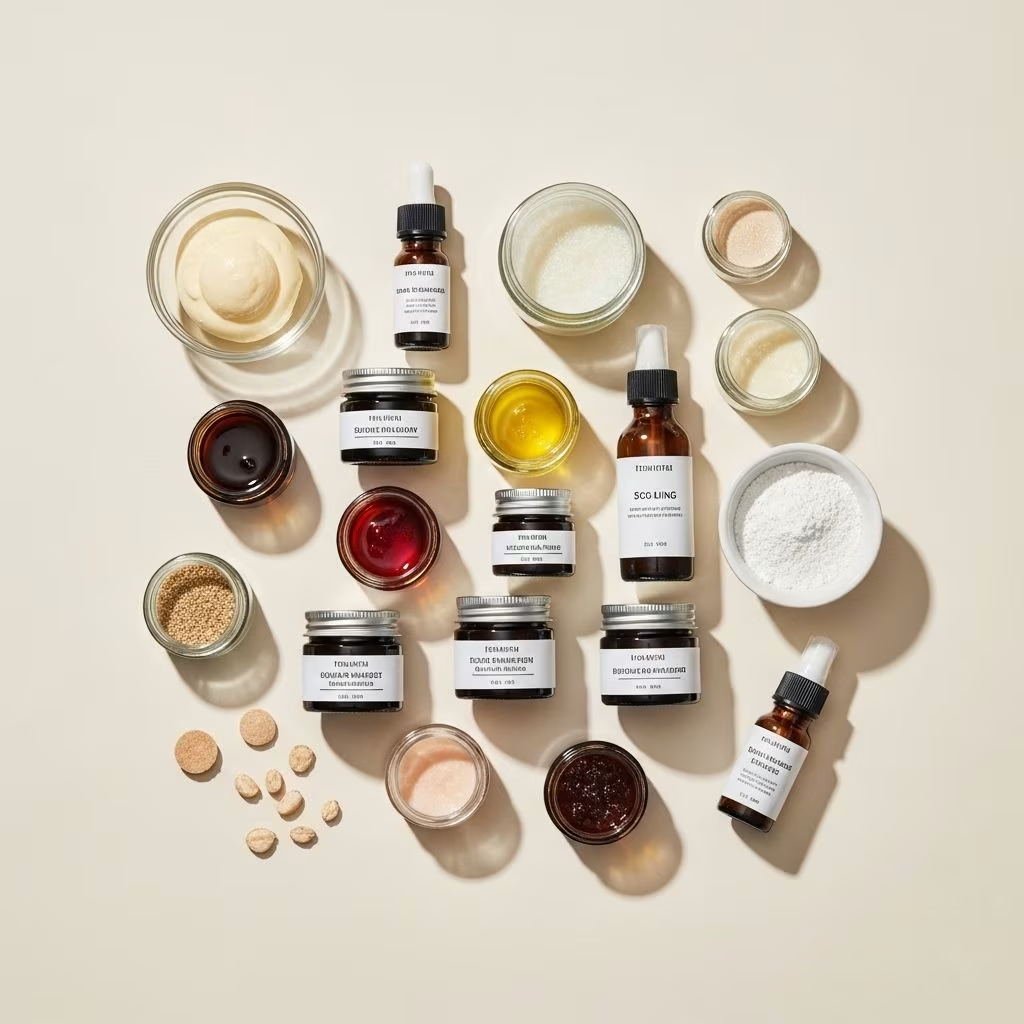
Best Soothing Ingredients Post-Acid Application: Complete Guide
Acid-based skin treatments, including chemical peels, glycolic or salicylic acid applications, and clinically-strength exfoliating products, can yield radiant, renewed skin. However, these treatments also render the skin temporarily fragile, sensitive, and prone to dryness, redness, and discomfort. Choosing the right soothing ingredients and post-acid skincare regimen is essential for promoting healing, reducing irritation, and optimizing results.
Understanding Post-Acid Skin Needs
Acids work by removing layers of dead skin, accelerating cellular turnover, and helping fade signs of aging, pigmentation, or blemishes. Yet, once the protective barrier is disrupted, skin’s ability to retain moisture and defend against environmental stress is temporarily weakened. This vulnerable state requires a focused aftercare approach emphasizing:
- Intensive hydration
- Barrier repair
- Inflammation reduction
- Protection from irritants and UV light
Common post-acid symptoms include tightness, stinging, redness, scaling, flaking, and a feeling of heat or discomfort. Immediate and ongoing comfort depends on using the right topical ingredients from the moment treatment ends.
Why Soothing Ingredients Matter
After an acid application, soothing ingredients are the main tools for mollifying inflammation, replenishing lost moisture, and stimulating the skin’s renewal process. Effective post-acid ingredients deliver these critical effects:
- Calm inflammation: Reduce redness, swelling, and burning
- Replenish hydration: Restore moisture balance and soften dry, peeling skin
- Repair barrier: Help rebuild the lipid and protein structures that protect the skin
- Minimize disruption: Prevent worsening sensitivity, pigmentation, or infections
Skipping this phase or misusing actives can delay healing, increase discomfort, or even provoke complications such as prolonged erythema or hyperpigmentation.
Top Soothing Ingredients After Acids
Based on extensive dermatological research and expert clinical guidance, the following are the most recommended and effective soothing ingredients for post-acid application recovery:
| Ingredient | Primary Benefits | Key Notes |
|---|---|---|
| Aloe Vera | Anti-inflammatory, cooling, hydrates, speeds healing | Reduces redness and soothes burning sensations; pair with emollient moisturizer for dry skin |
| Hyaluronic Acid | Powerful humectant, draws and retains moisture | Best used in fragrance-free, simple formulas to avoid extra irritation |
| Ceramides | Barrier-repairing, mimics natural skin lipids | Crucial for restoring skin’s own defenses |
| Niacinamide (Vitamin B3) | Reduces inflammation, enhances barrier, reduces redness | Low concentrations (<5%) are safest for post-acid routines |
| Allantoin | Heals, softens, soothes, reduces irritation | Particularly effective in recovery balms |
| Panthenol (Vitamin B5) | Anti-inflammatory, hydrates, speeds regeneration | Commonly found in healing ointments and serums |
| Oat Extract (Colloidal Oatmeal) | Anti-irritant, calms, relieves itch and dryness | Also suitabe for eczema-prone or ultra-sensitive skin |
| Chamomile | Reduces inflammation, calms redness, provides antioxidants | Often included in soothing toners or gentle cleansing lotions |
| Bisabolol | Derived from chamomile; calms, reduces redness, anti-irritant | Featured in advanced barrier repair creams |
| Feverfew Extract (Tanacetum parthenium) | Potent anti-inflammatory, reduces redness & swelling | Prebiotic and restorative benefits in modern moisturizers |
| Prebiotics & Postbiotics | Support skin microbiome balance, aid barrier renewal | Included in specialized recovery creams |
| Olive Oil / Plant Oils | Emollient, occlusive, prevents moisture loss | Use only pure, fragrance-free varieties |
Other Notable Options:
- Squalane: Lightweight emollient, replenishes lost oils without clogging pores
- Shea Butter: Comforts and helps reinforce moisture
- Calendula: Anti-inflammatory, speeds superficial wound recovery
Supporting Ingredients:
- Vitamin E: Antioxidant support, enhances healing, calms irritation
- Glycerin: Humectant, draws water into the skin for deep moisture
- Recovery Agents: Topical exosomes and epidermal growth factors may accelerate tissue repair, but should be used as directed by a professional
How to Choose Soothing Formulas
When selecting products for post-acid care, consider the following attributes for optimal tolerance and efficacy:
- Fragrance-free and alcohol-free: Minimizes risk of stinging or allergic reactions
- Minimal ingredient list: Simple formulas are less likely to provoke irritation
- Cream or balm textures for dry skin: Offer superior occlusion and repair for compromised barriers
- Gel or light creams for oily/sensitive types: Hydrate without clogging pores or feeling greasy
For cleansers, choose:
- Non-foaming, pH-balanced, gentle formulas without exfoliating beads or strong actives
- Cream-based cleansers or milky lotions
- Cleansers containing aloe vera, oat extract, or chamomile for comfort
Soothing vs. Reactive: Ingredients to Avoid
Some commonly used actives and popular skincare ingredients can severely irritate freshly treated skin following acid application. Strictly avoid:
- Retinoids (retinol, tretinoin)
- Exfoliating acids (AHAs/BHAs, glycolic, salicylic, lactic acids)
- Physical scrubs or abrasive cleansers
- Benzoyl peroxide
- Alcohol-based toners or astringents
- High concentrations of vitamin C (unless specifically formulated for post-procedure use)
- Essential oils, menthol, or strong fragrances
- Sunscreen with chemical UV filters (use only mineral, zinc oxide or titanium dioxide, during healing)
Introducing these too early may intensify burning, prolong redness, or cause lasting sensitivity. Wait until the barrier is restored as advised by your skincare professional.
Application Tips for Optimal Recovery
- Gentle cleanse: Use lukewarm water and pat—never rub—the skin dry with a clean towel
- Cool compresses: Drape a soft, damp cotton cloth over treated areas to quell heat and discomfort
- Do not pick: Resist touching, peeling, or scratching flaking skin to avoid scarring and delayed recovery
- Immediate hydration: Apply a generous layer of hydrating serum or barrier-repair cream within minutes of cleansing
- Protection: Use a broad-spectrum mineral sunscreen daily, even indoors; UV exposure can dramatically worsen sensitivity and pigmentation risks
- Minimal layers: Limit routines to cleanser, soothing/hydrating product(s), and sunscreen until skin normalizes
- Patch test: Always test any new product on a small skin area before full-face application following acids
- Consult a professional: For persistent irritation, use professional advice to adapt your aftercare
Example Post-Acid Soothing Regimen
- AM:
- Gentle, non-foaming cleanser with oat or aloe
- Moisturizer rich in ceramides & hyaluronic acid
- Mineral sunscreen (zinc oxide or titanium dioxide)
- PM:
- Gentle wash (as above)
- Allantoin- or panthenol-based barrier repair balm or cream
- Optional: Spritz of soothing facial mist with calming botanicals
Frequently Asked Questions
Q: How long should I use soothing ingredients after acid treatments?
A: Most skin types benefit from gentle, calming ingredients for at least 5–7 days after a mild acid treatment, or longer for deeper/professional peels. Resume actives only once skin regains comfort and shows no visible irritation.
Q: Can I use oils post-peel?
A: Light plant oils (squalane, olive, sunflower) or ointments with pure petrolatum can be beneficial for extremely dry, peeling patches. Always choose fragrance-free formulas and avoid essential oils immediately after acid treatments.
Q: What if skin gets worse—redder, itchy, or starts weeping?
A: If symptoms escalate, stop all products except basic, bland ointments and seek professional medical guidance. Signs like open blisters, excessive swelling, or intense stinging could indicate a more serious reaction.
Q: Is it okay to apply makeup over healing skin?
A: Avoid full makeup for at least 48–72 hours post-peel, especially if skin is peeling or inflamed. When reintroducing, choose non-comedogenic, fragrance-free formulas and remove gently at the day’s end.
Q: Are there professional products specifically for post-acid care?
A: Yes. Some brands offer post-peel balms or recovery creams with clinically tested blends of supportive ingredients such as ceramides, allantoin, and panthenol, designed specifically for use after potent acid procedures.
Conclusion
Optimal post-acid care hinges on the early and consistent use of scientifically supported soothing ingredients. By leveraging botanical anti-inflammatories, concentrated hydrators, and advanced barrier-repair actives, you ensure a faster, more comfortable recovery and more radiant, resilient skin. Adapt your aftercare to your individual skin needs, and consult with dermatology experts for best practices after intensive treatments.
References
- https://advancedcosmeticsurgery-sc.com/advanced-cosmetic-surgery-blog/soothing-strategies-chemical-peel-aftercare-for-sensitive-skin
- https://www.inspiredbeautymedspa.com/best-products-to-use-after-a-chemical-peel/
- https://www.newbeauty.com/products-to-use-after-chemical-peel/
- https://www.mariobadescu.com/blogs/mb/glycolic-peel
- https://www.cleanslatewax.com/new-blogs/the-best-post-peel-skincare-products-to-boost-your-results
- https://www.furtunaskin.com/blogs/stories/best-moisturizer-after-chemical-peel
- https://teamdermatologymd.com/blog/how-to-care-skin-after-chemical-peel-what-not-to-do/
- https://circadia.com/products/post-peel-balm-2-oz
- https://sunnyaesthetic.com/skincare-tips-after-a-chemical-peel/


