


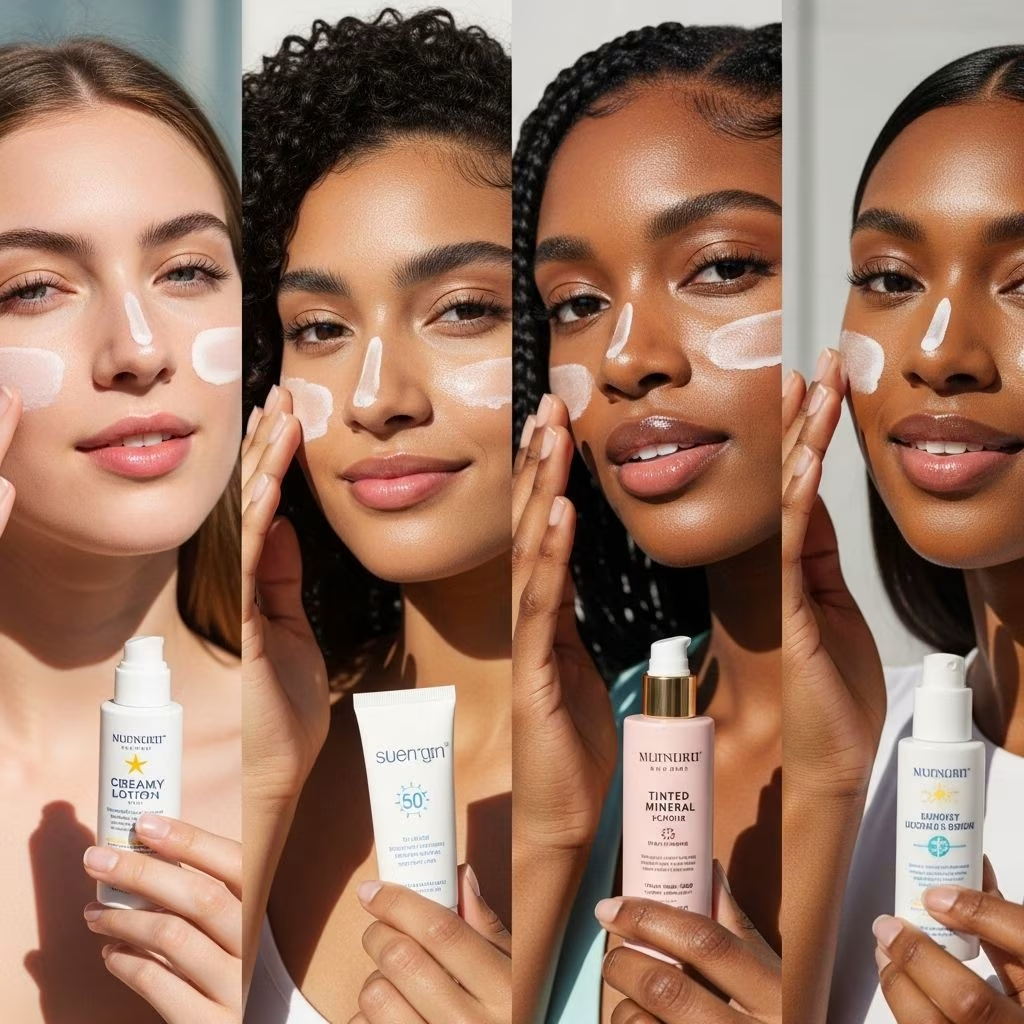
This article delves into the world of sunscreens suitable for people of color, highlighting products and strategies to prevent the ashy residue often associated with traditional sunscreens.
Introduction to Sunscreen for Dark Skin
Sunscreen is an essential part of any skincare routine, offering protection against UV rays that can cause skin damage, premature aging, and even skin cancer. However, for people of color, finding a sunscreen that does not leave a white cast or ashy residue can be challenging. This problem is not only aesthetically unappealing but also discourages consistent use, leading to insufficient protection against harmful UV rays.
Types of Sunscreens Suitable for Dark Skin
There are several types of sunscreens that are more likely to blend into dark skin without leaving a white cast. These include:
- Chemical Sunscreens: These sunscreens contain organic compounds that absorb UV rays and convert them into heat. They tend to have a thinner texture and blend more easily into the skin, often without leaving a white cast. Chemical sunscreens are usually preferred for their ease of use and cosmetic elegance.
- Tinted Sunscreens: Tinted sunscreens contain pigments that help match and blend with darker skin tones, reducing the visibility of any white cast. They provide some coverage while offering UV protection, making them a popular choice for people of color.
Features of Sunscreens for Dark Skin
When selecting sunscreens for dark skin, it is crucial to look for specific features that cater to skin with melanin:
- Light or Gel-Based Formulas: These textures are preferred because they absorb quickly, feel lighter on the skin, and are less likely to leave a residue.
- Clear or Invisible Label: Sunscreens labeled as “clear” or “invisible” are designed to blend into the skin without leaving any white cast.
- Specifically Designed for Dark Skin: Products that are formulated with darker skin tones in mind often have better absorption and less likelihood of leaving an ashy residue.
- Patch Testing: Always test a new sunscreen on a small area of skin before using it extensively to ensure it does not cause any adverse reactions or leave a noticeable white cast.
Recommended Sunscreens for Dark Skin
The following sunscreens are known for their suitability for dark skin tones:
- Sunstop 30 Sunscreen Lotion SPF 30: This sunscreen features broad-spectrum UV protection with modern filters like Uvinul A Plus and Uvinal T. It is designed for all-day protection and is known for its photostability and absence of a white cast.
- UVSkrin SS Silicone Sunscreen Gel SPF 30: This water-resistant gel sunscreen offers broad-spectrum protection without leaving a residue. It is lightweight and absorbs quickly.
- Tvaksh Face Guard Silicone Sunscreen Gel SPF 30: Similar to UVSkrin, this gel provides both physical and chemical barriers against UV rays. It is non-comedogenic and suitable for sensitive skin.
- Josh Rosebrook Tinted Sunscreen: A tinted sunscreen that not only provides UV protection but also enhances skin tone without leaving a white cast.
Tips for Applying Sunscreen Effectively
To achieve the best results from your sunscreen and minimize the risk of a white cast:
- Apply Sunscreen Sparingly but Thoroughly: Ensure that the sunscreen is evenly distributed across the skin and allowed time to absorb before dressing or applying makeup.
- Massage the Sunscreen: Gently massaging the sunscreen into the skin can help it absorb better and reduce the likelihood of a white cast.
- Choose the Right Time: Apply sunscreen about 15-30 minutes before going outdoors to allow it to absorb fully.
Frequently Asked Questions (FAQs)
Q: What is the best type of sunscreen for dark skin?
The best type of sunscreen for dark skin is one that is either chemical or tinted. Chemical sunscreens tend to be more absorbent and less likely to leave a white cast, while tinted sunscreens match the skin tone and provide some coverage.
Q: How often should sunscreen be reapplied?
Sunscreen should be reapplied every two hours or immediately after swimming or sweating. This ensures continuous protection against UV rays.
Q: Can all sunscreens cause a white cast?
Not all sunscreens cause a white cast. Chemical sunscreens and tinted sunscreens are less likely to leave a residue compared to physical sunscreens, which contain zinc oxide or titanium dioxide.
Q: Are there any natural alternatives to chemical sunscreens?
Yes, zinc oxide and titanium dioxide are natural active ingredients in physical sunscreens. However, they can sometimes leave a white cast, especially on darker skin tones.
Conclusion
Choosing the right sunscreen for dark skin involves selecting products that are specifically designed to reduce or eliminate ashy residue. By opting for chemical, tinted, or light-textured sunscreens and applying them correctly, individuals with dark skin can maintain their natural skin tone while enjoying optimal UV protection.
References
- https://www.clinikally.com/blogs/news/say-goodbye-to-ashy-residue-sunscreens-that-wont-leave-a-white-cast-on-dark-skin
- https://www.youtube.com/watch?v=iKEyM0yAXng
- https://www.thestyleandbeautydoctor.com/2018/07/sunscreens-that-wont-make-you-ashy-2-2/
- https://www.youtube.com/watch?v=zr6KN8g6xxg
- https://blackgirlsunscreen.com
- https://www.blackskindirectory.com/sunprotection
- https://www.thestyleandbeautydoctor.com/2019/05/some-more-sunscreens-that-wont-make-you-ashy/


