


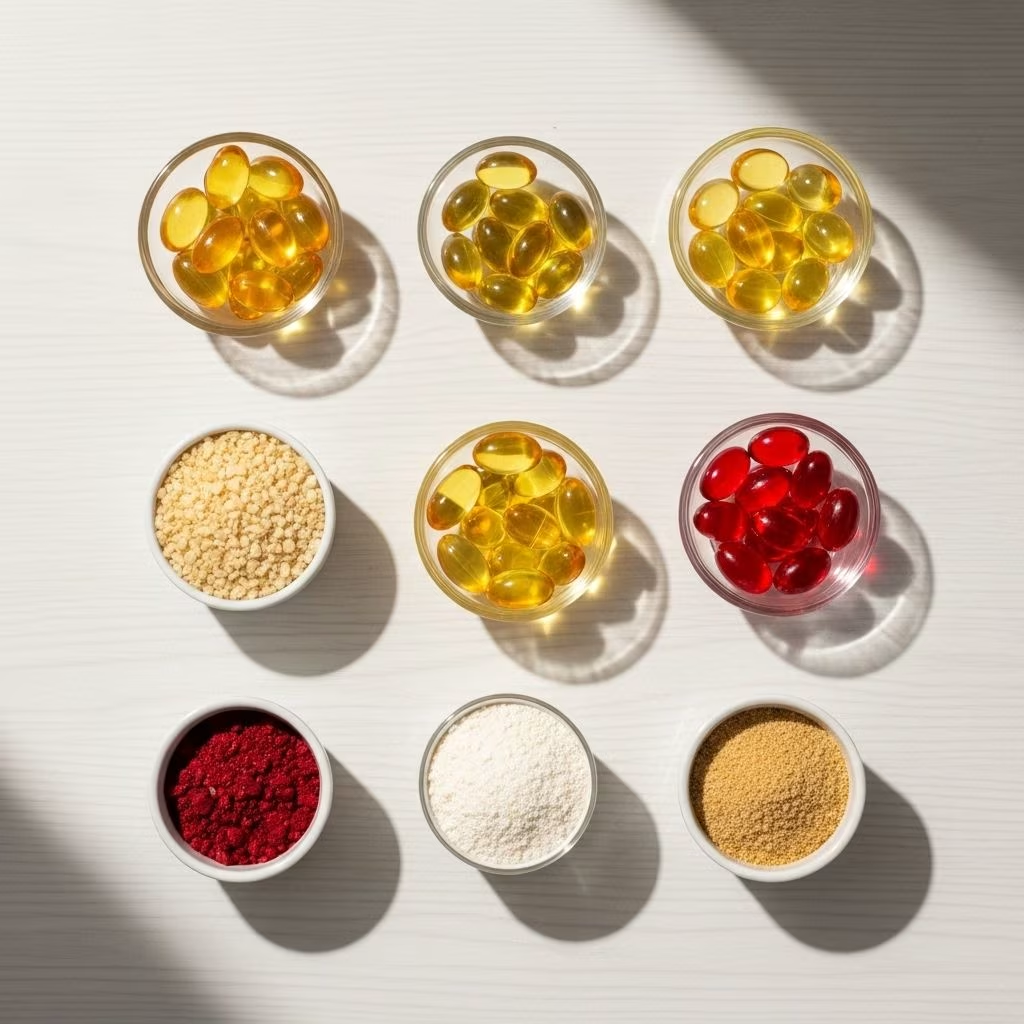
Achieving flawless, radiant skin goes far beyond expensive creams and elaborate skincare routines. The foundation of truly healthy skin begins from within, nourished by essential vitamins and supplements that support cellular repair, protect against environmental damage, and maintain the skin’s natural glow. While topical treatments certainly have their place, understanding which nutrients your skin needs and ensuring adequate intake can transform your complexion in ways that surface-level products simply cannot match.
Your skin is the body’s largest organ, constantly working to protect you from external threats while regenerating and repairing itself. This continuous process requires a steady supply of specific vitamins, minerals, and nutrients to function optimally. When deficiencies occur, the effects often manifest visibly through dullness, premature aging, inflammation, or various skin conditions. By strategically incorporating the right vitamins and supplements into your daily routine, you can support your skin’s natural processes and achieve that coveted flawless appearance.
This comprehensive guide explores the essential vitamins and supplements that dermatologists and nutrition experts recommend for maintaining and improving skin health, helping you make informed decisions about nourishing your skin from the inside out.
Vitamin A: The Anti-Aging Powerhouse
Vitamin A stands as one of the most powerful nutrients for achieving flawless skin, particularly when it comes to fighting visible signs of aging. This essential vitamin plays a crucial role in maintaining healthy skin by promoting cell turnover and supporting the production of new skin cells. Retinoids, the active forms of vitamin A, have become gold-standard ingredients in anti-aging skincare because of their remarkable ability to boost collagen production and accelerate skin cell regeneration.
The mechanisms through which vitamin A benefits skin are multifaceted. It helps reduce the appearance of fine lines and wrinkles by stimulating collagen synthesis, which keeps skin firm and elastic. Additionally, vitamin A promotes faster cell turnover, meaning dead skin cells are shed more efficiently, revealing fresher, smoother skin beneath. This process not only improves skin texture but also helps prevent clogged pores, making vitamin A particularly effective for those dealing with acne-prone skin.
Vitamin A also functions as a powerful antioxidant, protecting skin cells from free radical damage caused by environmental stressors like UV radiation and pollution. These protective properties help prevent premature aging and maintain skin’s youthful appearance over time. Furthermore, vitamin A helps keep skin soft and smooth by supporting the skin’s natural moisture barrier.
Food sources rich in vitamin A include: Sweet potatoes, carrots, spinach, kale, liver, eggs, and orange-colored fruits and vegetables. Both topical retinoid products and dietary vitamin A intake contribute to healthier, more radiant skin, though dermatologists often recommend starting with lower concentrations of topical retinoids to minimize potential irritation.
Vitamin C: The Collagen Booster
Vitamin C, also known as L-ascorbic acid, is absolutely essential for maintaining flawless skin and deserves its reputation as a skincare superstar. This water-soluble vitamin serves as a vital nutrient for collagen synthesis, the protein responsible for keeping skin firm, plump, and youthful. Healthy skin naturally contains high concentrations of vitamin C, which works tirelessly to defend against UV-induced photodamage and environmental stressors.
As a potent antioxidant, vitamin C neutralizes free radicals that would otherwise damage skin cells and accelerate aging. Beyond its protective properties, vitamin C offers impressive brightening effects, helping to even out skin tone and reduce the appearance of hyperpigmentation, dark spots, and discoloration. This makes it particularly valuable for those struggling with sun damage or post-inflammatory hyperpigmentation from acne.
The benefits of vitamin C extend to sun protection as well, though it should never replace sunscreen. Vitamin C helps prevent damage from both UVA and UVB rays when used in conjunction with proper sun protection. The vitamin also supports skin firming, stimulates the production of types I and III collagen (which decrease with age), and promotes the production of glycosaminoglycans that help maintain skin hydration and plumpness.
One challenge with vitamin C is that it poorly penetrates the epidermis stratum corneum layer when applied topically. For this reason, both topical application in stable formulations (such as vitamin C esters) and oral supplementation provide complementary benefits. Excellent food sources of vitamin C include: citrus fruits, strawberries, kiwi, bell peppers, broccoli, tomatoes, and leafy greens. Regular intake of vitamin C through diet or supplements ensures your skin has the resources needed to maintain its collagen network and protect against oxidative stress.
Vitamin E: The Skin Protector
Often called the “vitamin of youth,” vitamin E is a lipophilic antioxidant that exists in eight different forms, with alpha-tocopherol being the most biologically active and beneficial for skin health. This powerful vitamin plays a multifaceted role in maintaining flawless skin through its exceptional antioxidant and anti-inflammatory properties, making it a staple ingredient in countless skincare products and supplements.
Vitamin E’s primary function is protecting cell membranes from lipid peroxidation and oxidative damage caused by environmental aggressors like pollution and UV radiation. It strengthens the skin’s natural barrier function, which is crucial for locking in moisture and keeping out irritants that could compromise skin health. This protective quality makes vitamin E particularly valuable for those with sensitive or reactive skin types.
The moisturizing properties of vitamin E help reduce the appearance of fine lines and wrinkles by maintaining adequate hydration levels in the skin. When combined with other antioxidants like vitamin C, vitamin E’s effectiveness is enhanced, creating a synergistic effect that provides even greater protection against environmental damage. Research has shown that vitamin E deficiency in the diet can lead to noticeable deterioration in overall skin condition, impaired wound healing, and even excessive hair loss.
Emerging research suggests that vitamin E supplementation may benefit individuals with immune-mediated skin conditions such as atopic dermatitis and psoriasis. Studies have demonstrated that patients with severe psoriasis who supplemented with a combination of coenzyme Q10, vitamin E, and selenium experienced faster clinical improvement and significantly lower disease severity after 30 days compared to control groups. Similarly, combined supplementation with vitamins E and D showed the most significant improvement in atopic dermatitis symptoms.
Natural food sources of vitamin E include: almonds, sunflower seeds, avocados, spinach, wheat germ oil, and hazelnuts. Both dietary intake and topical application contribute to vitamin E’s skin-protecting benefits.
Vitamin D: The Anti-Inflammatory Agent
While vitamin D is commonly recognized for its critical role in bone health and immune function, its importance for maintaining flawless skin is often underestimated. This fat-soluble vitamin possesses powerful anti-inflammatory properties that make it particularly valuable for managing various skin conditions and supporting healthy skin cell renewal. Understanding vitamin D’s role in skin health can help you optimize your levels for a clearer, more balanced complexion.
Vitamin D helps maintain normal inflammatory balance in the skin, which is crucial for preventing and managing conditions characterized by inflammation. Research has linked low vitamin D levels to increased severity of psoriasis, eczema, and other inflammatory skin disorders. In fact, phototherapy, a common dermatological treatment for these conditions, works partially by stimulating vitamin D production in the skin, which subsequently reduces inflammation and irritation.
The vitamin supports healthy skin by promoting proper cell growth and repair while helping to regulate the immune system’s response in the skin. This immune-modulating effect is particularly important for those with autoimmune or inflammatory skin conditions. Vitamin D also plays a role in creating and repairing the skin barrier, which protects against external irritants and helps maintain hydration.
Modern lifestyles often result in widespread vitamin D deficiency, as many people spend limited time in direct sunlight (the primary source of natural vitamin D production) and apply sunscreen diligently to prevent sun damage. While sun protection remains essential for preventing premature aging and skin cancer, this protective measure can reduce vitamin D synthesis. For individuals with insufficient sun exposure or confirmed low levels, supplementation with vitamin D3 (the more bioavailable form compared to D2) can support both skin health and overall immune function.
Dermatologists frequently recommend vitamin D supplementation or treatments that incorporate this vitamin to help soothe inflamed skin and support the skin’s natural healing processes. Ensuring adequate vitamin D levels through sensible sun exposure, diet, or supplementation contributes to maintaining clear, healthy, and flawless-looking skin.
Omega-3 Fatty Acids: The Moisture Lock
Omega-3 fatty acids are essential fats that your body cannot produce on its own, making dietary intake crucial for overall health and particularly for maintaining flawless skin. These powerful nutrients offer numerous benefits for skin health, primarily through their potent anti-inflammatory properties and their ability to support the skin’s moisture barrier. Understanding how omega-3s work can help you harness their transformative effects on your complexion.
The anti-inflammatory action of omega-3 fatty acids makes them particularly valuable for managing inflammatory skin conditions such as acne, rosacea, and eczema. By reducing inflammation throughout the body, omega-3s help calm irritated skin and decrease redness. These essential fats also provide protection against UV damage, supporting your skin’s defense mechanisms against sun-induced aging and damage, though they should complement rather than replace proper sun protection.
Omega-3 fatty acids play a crucial role in maintaining skin hydration by strengthening the skin’s lipid barrier. This barrier function is essential for preventing transepidermal water loss, which leads to dry, dehydrated skin. By reinforcing this protective layer, omega-3s help keep skin plump, supple, and moisturized from within. Additionally, these beneficial fats help reduce the appearance of fine lines and wrinkles by maintaining skin elasticity and promoting a smoother texture.
The skin benefits of omega-3s extend to supporting overall skin structure and function. These fatty acids are incorporated into cell membranes throughout the body, including skin cells, where they influence membrane fluidity and cellular communication. This integration supports healthy cell function and contributes to a more radiant, youthful appearance.
Excellent dietary sources of omega-3 fatty acids include: fatty fish such as salmon, sardines, mackerel, and tuna, as well as plant-based sources like chia seeds, flaxseeds, walnuts, and hemp seeds. For those who don’t regularly consume fish, high-quality omega-3 supplements derived from fish oil or algae can provide these essential nutrients. Consistent intake of omega-3 fatty acids supports skin that looks and feels healthier, more hydrated, and more resilient.
Zinc: The Healing Mineral
Zinc is a vital mineral that plays a significant and often underappreciated role in achieving and maintaining flawless skin. This essential nutrient supports numerous biological processes that directly impact skin health, including immune function, inflammation reduction, wound healing, and cellular regeneration. Understanding zinc’s multifaceted contributions to skin wellness can help you ensure adequate intake for optimal complexion.
One of zinc’s most important functions for skin health is its role in supporting immune function and reducing inflammation. Adequate zinc levels may help support skin health in individuals with occasional breakouts or inflammatory skin conditions. The mineral helps regulate the immune response in the skin, potentially reducing the severity and frequency of acne flare-ups and other inflammatory issues.
Zinc is essential for proper wound healing, making it crucial for repairing damaged skin and minimizing scarring. The mineral supports collagen synthesis and cell proliferation, both necessary for effective tissue repair. This healing property makes zinc particularly beneficial for those dealing with acne scarring or other skin injuries. Additionally, zinc possesses antioxidant properties that help protect skin cells from oxidative stress and free radical damage.
The mineral also plays a role in regulating sebum production, which is why it’s often recommended for individuals with oily or acne-prone skin. By helping to balance oil production, zinc can contribute to clearer, less congested skin. Furthermore, zinc supports the structural integrity of skin proteins and cell membranes, contributing to overall skin health and resilience.
Zinc supplements, particularly in highly bioavailable forms such as zinc gluconate and zinc citrate, can effectively support skin integrity when dietary intake is insufficient. The typical supplemental dose for skin health is around 25 mg, though it’s important to avoid excessive intake, as too much zinc can interfere with copper absorption and cause other imbalances. Food sources rich in zinc include: oysters, beef, pumpkin seeds, lentils, chickpeas, cashews, and fortified cereals. Ensuring adequate zinc intake through diet or supplementation supports the skin’s natural healing processes and helps maintain a clear, healthy complexion.
Biotin: The Beauty Vitamin
Biotin, also known as vitamin B7 or vitamin H, has earned its reputation as a “beauty vitamin” due to its important role in maintaining healthy skin, hair, and nails. This water-soluble B vitamin is essential for various metabolic processes in the body, particularly those involving the breakdown of fats, carbohydrates, and proteins that contribute to healthy skin cell function and renewal.
While biotin deficiency is relatively rare in individuals with balanced diets, when it does occur, it can manifest through various skin issues including dry, scaly skin, dermatitis, and other inflammatory skin conditions. Biotin supports the health of skin by contributing to fatty acid synthesis, which is crucial for maintaining the skin’s protective lipid barrier. This barrier function is essential for keeping skin hydrated, supple, and protected from environmental irritants.
The vitamin also plays a role in cellular energy production, ensuring that skin cells have the fuel they need to regenerate and repair efficiently. This metabolic support contributes to maintaining a healthy, vibrant complexion. Additionally, biotin supports the production of keratin, a structural protein that’s important not only for hair and nails but also for maintaining skin integrity.
Many people turn to biotin supplementation to improve their overall appearance, though it’s worth noting that individuals with adequate biotin levels may not see dramatic improvements from additional supplementation. However, for those with deficiencies or certain conditions that impair biotin absorption, supplementation can make a noticeable difference in skin health and appearance. Natural food sources of biotin include: eggs (particularly egg yolks), nuts, seeds, salmon, sweet potatoes, avocados, and organ meats. Incorporating biotin-rich foods into your diet or considering supplementation under professional guidance can support the foundation of healthy, flawless skin.
Collagen: The Structural Support
Collagen is the most abundant protein in the human body and serves as the primary structural component of skin, providing firmness, elasticity, and strength. As we age, natural collagen production decreases, leading to visible signs of aging such as fine lines, wrinkles, and loss of skin elasticity. This decline begins in our mid-twenties and accelerates over time, making collagen supplementation an increasingly popular strategy for maintaining youthful, flawless skin.
Collagen supplementation has gained significant attention in recent years, with numerous studies suggesting that oral collagen peptides can improve skin hydration, elasticity, and overall appearance. When consumed, collagen is broken down into amino acids and smaller peptides that the body can absorb and utilize for various purposes, including supporting the skin’s own collagen production. The main cutaneous collagens are types I and III, both of which are produced less abundantly as we age.
Research indicates that regular collagen supplementation can lead to measurable improvements in skin moisture levels, reduced appearance of fine lines and wrinkles, and enhanced skin elasticity. These benefits occur because the amino acids from collagen supplements provide the building blocks necessary for the body to synthesize new collagen fibers in the skin. Additionally, collagen peptides may stimulate fibroblasts (the cells responsible for producing collagen) to increase their collagen production.
Beyond its anti-aging benefits, collagen supports overall skin structure and wound healing. It helps maintain the skin’s thickness and density, contributing to a plumper, more youthful appearance. Collagen also works synergistically with other nutrients like vitamin C, which is essential for collagen synthesis, making combined supplementation potentially more effective.
Collagen supplements are available in various forms, including powders, capsules, and liquid formulas, with hydrolyzed collagen (collagen peptides) being the most bioavailable form. While the body can produce collagen from a balanced diet rich in protein, amino acids, and cofactors like vitamin C, direct collagen supplementation offers a convenient way to support the skin’s structural integrity and combat visible signs of aging.
Selenium: The Protective Mineral
Selenium is an important trace mineral that plays a crucial protective role in maintaining flawless, healthy skin. This essential nutrient functions primarily as a component of antioxidant enzymes that defend cells against oxidative damage, making it particularly valuable for protecting skin from environmental stressors and potentially harmful UV radiation. Understanding selenium’s protective mechanisms can help you appreciate its importance in a comprehensive skin health strategy.
One of selenium’s most significant contributions to skin health is its role in protecting against skin cancer and sun damage. The mineral is incorporated into selenoproteins, which have powerful antioxidant properties that neutralize free radicals generated by UV exposure. These protective effects help prevent DNA damage in skin cells that could lead to premature aging or, more seriously, skin cancer development.
Selenium also supports skin elasticity and overall tissue health by protecting the structural proteins that maintain skin’s firmness and flexibility. The mineral’s antioxidant activity helps preserve collagen and elastin fibers from oxidative degradation, contributing to skin that remains supple and resilient over time. Additionally, selenium plays a role in immune function, which can influence the skin’s ability to defend against infections and inflammatory conditions.
Research suggests that adequate selenium levels may help reduce the severity of certain inflammatory skin conditions by modulating immune responses and reducing oxidative stress. The mineral also supports thyroid function, and since thyroid health can impact skin condition, maintaining optimal selenium levels contributes to overall skin wellness through multiple pathways.
While selenium is essential for skin health, it’s important to note that both deficiency and excess can be problematic. The body requires selenium in relatively small amounts, and excessive intake can lead to toxicity. Good dietary sources of selenium include: Brazil nuts (which are exceptionally rich in selenium), seafood, organ meats, whole grains, and eggs. Just one to two Brazil nuts per day can provide adequate selenium for most people. For those considering supplementation, it’s advisable to consult with a healthcare provider to determine appropriate dosing, as selenium supplementation should be approached thoughtfully to avoid exceeding safe intake levels.
How to Combine Vitamins for Maximum Benefits
Achieving flawless skin isn’t just about taking individual vitamins and supplements in isolation; strategic combinations can create synergistic effects that amplify benefits and support skin health more comprehensively. Understanding which nutrients work well together and how to time their intake can help you maximize the effectiveness of your supplementation routine while avoiding potential interactions or reduced absorption.
Vitamin C and Vitamin E: This powerful antioxidant duo works synergistically to provide enhanced protection against free radical damage. When vitamin C neutralizes free radicals, it becomes oxidized; vitamin E helps regenerate vitamin C back to its active form, extending its antioxidant capacity. Using these vitamins together, whether topically or through supplementation, offers superior photoprotection and anti-aging benefits compared to either vitamin alone.
Vitamin C and Collagen: Since vitamin C is essential for collagen synthesis, combining vitamin C supplementation with collagen peptides creates an ideal environment for collagen production. The vitamin C provides the necessary cofactor for the enzymes that build collagen structures, while collagen supplements supply the amino acid building blocks, potentially leading to more significant improvements in skin firmness and elasticity.
Vitamin D and Vitamin E: Research has shown that combined supplementation with vitamins D and E produces more significant improvements in certain skin conditions, particularly inflammatory disorders like atopic dermatitis, compared to supplementing with either vitamin individually. This combination addresses both immune modulation and antioxidant protection.
Omega-3s and Antioxidants: Pairing omega-3 fatty acid supplementation with antioxidant vitamins like A, C, and E helps protect the beneficial fats from oxidation while supporting anti-inflammatory pathways. This combination is particularly effective for managing inflammatory skin conditions and supporting the skin’s moisture barrier.
Zinc and Vitamin A: These nutrients work together in supporting skin cell turnover and immune function. Zinc is necessary for vitamin A metabolism and transport in the body, so adequate zinc levels help ensure that vitamin A can effectively support skin health.
When creating your supplementation routine, consider spacing out certain nutrients to optimize absorption. Fat-soluble vitamins (A, D, E) are best taken with meals containing healthy fats, while water-soluble vitamins like C can be taken at any time. Starting with lower doses and gradually increasing allows you to monitor your skin’s response and minimize potential side effects. Most importantly, consult with a healthcare provider or dermatologist to create a personalized supplementation plan that addresses your specific skin concerns and accounts for any existing health conditions or medications.
Best Food Sources for Skin Vitamins
While supplements can effectively fill nutritional gaps, obtaining vitamins and minerals from whole food sources offers numerous advantages, including better bioavailability, naturally balanced nutrient ratios, and additional beneficial compounds like fiber and phytonutrients. Building a diet rich in skin-supporting nutrients provides a solid foundation for flawless skin while supporting overall health. Here’s a comprehensive guide to the best food sources for each essential skin vitamin and mineral.
For Vitamin A: Sweet potatoes, carrots, spinach, kale, butternut squash, red bell peppers, liver, and egg yolks are excellent sources. Orange and dark green vegetables are particularly rich in beta-carotene, which the body converts to active vitamin A as needed. Including a variety of these colorful vegetables in your daily meals ensures adequate vitamin A intake for healthy skin cell turnover and collagen production.
For Vitamin C: Citrus fruits like oranges, grapefruits, and lemons are well-known sources, but many vegetables actually contain even higher concentrations. Bell peppers (especially red ones), broccoli, Brussels sprouts, strawberries, kiwi, papaya, and tomatoes are all exceptional sources. Since vitamin C is water-soluble and sensitive to heat, eating some of these foods raw or lightly cooked preserves their vitamin content.
For Vitamin E: Nuts and seeds provide concentrated amounts of vitamin E, with almonds, sunflower seeds, and hazelnuts leading the list. Avocados, spinach, Swiss chard, butternut squash, and wheat germ oil are also excellent sources. Including a small handful of nuts or seeds as a daily snack can significantly boost your vitamin E intake for enhanced skin protection.
For Vitamin D: Fatty fish such as salmon, mackerel, sardines, and tuna are among the few natural food sources of vitamin D. Egg yolks, fortified dairy products, and fortified plant-based milk alternatives also contribute to intake. However, since food sources alone often don’t provide sufficient vitamin D, sensible sun exposure and supplementation are typically necessary for optimal levels.
For Omega-3 Fatty Acids: Fatty fish reign supreme as the richest sources, with wild-caught salmon, sardines, mackerel, and anchovies providing substantial amounts of EPA and DHA. Plant-based sources like chia seeds, ground flaxseeds, walnuts, and hemp seeds offer ALA, a precursor that the body can partially convert to EPA and DHA. Including fish two to three times weekly or daily plant-based omega-3 sources supports skin hydration and reduces inflammation.
For Zinc: Oysters contain more zinc per serving than any other food, but beef, pork, chicken, pumpkin seeds, lentils, chickpeas, cashews, and fortified cereals also provide good amounts. For optimal absorption, pair plant-based zinc sources with vitamin C-rich foods and avoid consuming them simultaneously with high-calcium foods, which can interfere with zinc absorption.
For Biotin: Egg yolks, organ meats, nuts (especially almonds and peanuts), seeds, salmon, avocados, sweet potatoes, and nutritional yeast are all rich in biotin. Cooking egg whites denatures the protein avidin, which otherwise binds biotin and prevents its absorption, so cooked eggs are preferable to raw.
For Selenium: Brazil nuts are extraordinarily rich in selenium—just one or two nuts can meet daily requirements. Seafood (especially tuna, halibut, and sardines), organ meats, whole grains, and eggs also contribute to selenium intake. Due to their exceptional selenium content, Brazil nuts should be consumed in moderation to avoid excessive intake.
Creating meals that incorporate a variety of these nutrient-dense foods ensures your skin receives a comprehensive array of vitamins and minerals working together synergistically. A colorful plate featuring vegetables, quality proteins, healthy fats, and whole grains provides the nutritional foundation for truly flawless skin from within.
When to Consider Supplementation
While obtaining nutrients from whole foods should always be the primary approach, there are numerous situations where supplementation becomes necessary or highly beneficial for achieving and maintaining flawless skin. Understanding when supplements can bridge nutritional gaps helps you make informed decisions about supporting your skin health effectively.
Dietary Restrictions and Limitations: Individuals following restrictive diets, whether for medical, ethical, or personal reasons, may struggle to obtain adequate amounts of certain skin-supporting nutrients from food alone. Vegans and vegetarians, for instance, may need to supplement with vitamin B12, vitamin D, omega-3s (from algae sources), and possibly zinc. Those with food allergies or intolerances that limit dietary variety may also benefit from targeted supplementation to fill nutritional gaps.
Age-Related Decline: As we age, natural collagen production decreases, nutrient absorption may become less efficient, and skin’s ability to produce vitamin D from sun exposure diminishes. Older adults often benefit from supplementing with collagen peptides, vitamin D, and antioxidants to support skin structure and combat visible signs of aging. Starting supplementation in your late twenties or early thirties can help maintain skin quality as natural production begins to decline.
Specific Skin Concerns: If you’re dealing with persistent skin issues such as acne, eczema, psoriasis, hyperpigmentation, or premature aging despite good skincare practices, targeted supplementation may help address underlying nutritional deficiencies contributing to these conditions. For example, zinc and omega-3s can be particularly beneficial for inflammatory skin conditions, while collagen and vitamin C support anti-aging efforts.
Limited Sun Exposure: Individuals who spend most of their time indoors, live in northern latitudes with limited sunlight, consistently use sun protection (which is necessary but reduces vitamin D synthesis), or have darker skin tones (which require more sun exposure for vitamin D production) often need vitamin D supplementation to maintain optimal levels for skin and overall health.
Increased Nutrient Needs: Certain life stages and conditions increase nutritional requirements. Pregnancy, breastfeeding, intense physical training, chronic stress, illness, or recovery from injury all elevate the body’s demand for nutrients, including those that support skin health. Supplementation during these periods can help ensure adequate nutrient availability for both overall health and skin maintenance.
Digestive Issues: Conditions affecting nutrient absorption, such as celiac disease, Crohn’s disease, ulcerative colitis, or other gastrointestinal disorders, can prevent adequate uptake of vitamins and minerals from food. Individuals with these conditions often require supplementation to achieve sufficient nutrient levels, including those critical for skin health.
Environmental Factors: Living in highly polluted environments, experiencing significant sun exposure, or dealing with other environmental stressors increases oxidative damage to skin. Antioxidant supplementation with vitamins C and E, along with other protective nutrients, can help defend against this increased stress.
Before beginning any supplementation regimen, it’s advisable to consult with a healthcare provider or dermatologist who can assess your individual needs through discussion of your diet, lifestyle, and possibly blood testing to identify specific deficiencies. This professional guidance ensures appropriate supplement selection and dosing while avoiding potential interactions with medications or excessive intake of certain nutrients. Quality matters significantly when choosing supplements—look for products from reputable manufacturers that undergo third-party testing for purity and potency. Pairing supplementation with healthy lifestyle habits including adequate hydration, quality sleep, stress management, and consistent sunscreen use creates the optimal environment for achieving and maintaining flawless, radiant skin.
Frequently Asked Questions
Q: How long does it take to see results from taking vitamins for skin?
A: The timeframe for visible results varies depending on the specific vitamin, your baseline nutritional status, and the skin concern being addressed. Generally, you may begin noticing improvements in skin hydration and texture within 4-6 weeks of consistent supplementation. More significant changes, such as reduced fine lines, improved elasticity, or fading hyperpigmentation, typically require 8-12 weeks or longer. Collagen supplementation, for instance, shows measurable benefits after approximately 8-12 weeks of daily use. Remember that skin cells have a natural turnover cycle of about 28 days, so patience and consistency are essential when using nutritional supplements for skin improvement.
Q: Can I take all these vitamins together, or should they be spaced out?
A: Many skin-supporting vitamins can be taken together, and some even work synergistically when combined. However, timing can optimize absorption for certain nutrients. Fat-soluble vitamins (A, D, E) should be taken with meals containing healthy fats for best absorption. Vitamin C can be taken at any time, though splitting the dose throughout the day may improve absorption since it’s water-soluble. Zinc is best absorbed on an empty stomach but can cause nausea, so taking it with food is often more practical. Iron and calcium can interfere with zinc absorption, so if you take these minerals, space them several hours apart from zinc. Consulting with a healthcare provider can help you create an optimal supplementation schedule tailored to your specific routine.
Q: Are there any risks or side effects from taking skin vitamins?
A: While vitamins and supplements are generally safe when taken as directed, excessive intake can cause side effects or toxicity. Fat-soluble vitamins (A, D, E) accumulate in the body and can reach toxic levels if over-supplemented. Vitamin A toxicity can cause skin issues, liver damage, and birth defects in pregnant women. Too much vitamin E may increase bleeding risk. Excessive zinc can cause nausea, interfere with copper absorption, and impair immune function. High-dose vitamin C rarely causes serious issues but may lead to digestive upset. Always follow recommended dosages, choose reputable supplement brands, and consult with a healthcare provider before starting any new supplement regimen, especially if you’re pregnant, nursing, taking medications, or have underlying health conditions.
Q: Which is more effective for skin health: topical vitamins or oral supplements?
A: Both topical and oral vitamins offer distinct benefits, and the most effective approach often involves combining both methods. Topical vitamins deliver nutrients directly to the skin surface and upper layers, providing targeted benefits for specific concerns like fine lines, hyperpigmentation, or uneven texture. However, topical penetration is limited by the skin’s barrier function. Oral supplements work from within, supporting overall skin health, providing antioxidant protection throughout all skin layers, and addressing systemic factors affecting skin appearance. For optimal results, dermatologists often recommend a comprehensive approach that includes both high-quality topical vitamin products (especially vitamins C, A, and E) and oral supplementation to support skin health from multiple angles.
Q: Do I need to take supplements if I eat a healthy, balanced diet?
A: A truly balanced diet rich in diverse, nutrient-dense whole foods can provide most essential vitamins and minerals needed for healthy skin. However, several factors may still warrant supplementation even with good dietary habits. Modern agricultural practices have reduced the nutrient density of some foods compared to decades past. Certain nutrients like vitamin D are difficult to obtain in adequate amounts from food alone, especially for those with limited sun exposure. Stress, environmental pollution, and age can increase nutrient requirements beyond what diet provides. Additionally, optimal levels for skin benefits may exceed what’s easily achievable through diet alone—for example, collagen peptide amounts shown to improve skin in studies typically exceed what you’d consume from food. A combination of nutrient-rich eating and strategic supplementation often provides the best foundation for flawless skin.
Q: Can vitamin supplements help with acne?
A: Yes, certain vitamin and mineral supplements can help improve acne, particularly when deficiencies or imbalances contribute to breakouts. Zinc supplementation has shown promising results in reducing inflammatory acne due to its anti-inflammatory properties and role in regulating sebum production. Omega-3 fatty acids help reduce overall inflammation, which may decrease acne severity. Vitamin A (particularly in prescription retinoid forms) is highly effective for treating acne by promoting cell turnover and preventing clogged pores. Vitamin D may help modulate immune responses that contribute to acne inflammation. However, it’s important to note that acne is multifactorial, involving genetics, hormones, bacteria, and lifestyle factors. While supplementation can be beneficial, it works best as part of a comprehensive treatment approach that may include topical treatments, proper skincare, dietary modifications, and professional dermatological care when needed.
References
- https://plymouthmeetingdermatology.com/vitamins-for-healthy-skin/
- https://www.welleco.com/blogs/news/essential-vitamins-for-healthy-skin
- https://coopercomplete.com/shop/supplements-for-skin/
- https://pmc.ncbi.nlm.nih.gov/articles/PMC10820017/
- https://www.bswhealth.com/blog/eat-your-way-to-glowing-skin-with-these-6-vitamins-and-nutrients
- https://www.aad.org/public/everyday-care/skin-care-secrets/routine/supplements-for-your-skin
- https://www.youtube.com/watch?v=qnQLZE_jh7I
- https://www.healthline.com/nutrition/best-hair-skin-and-nails-vitamins


