


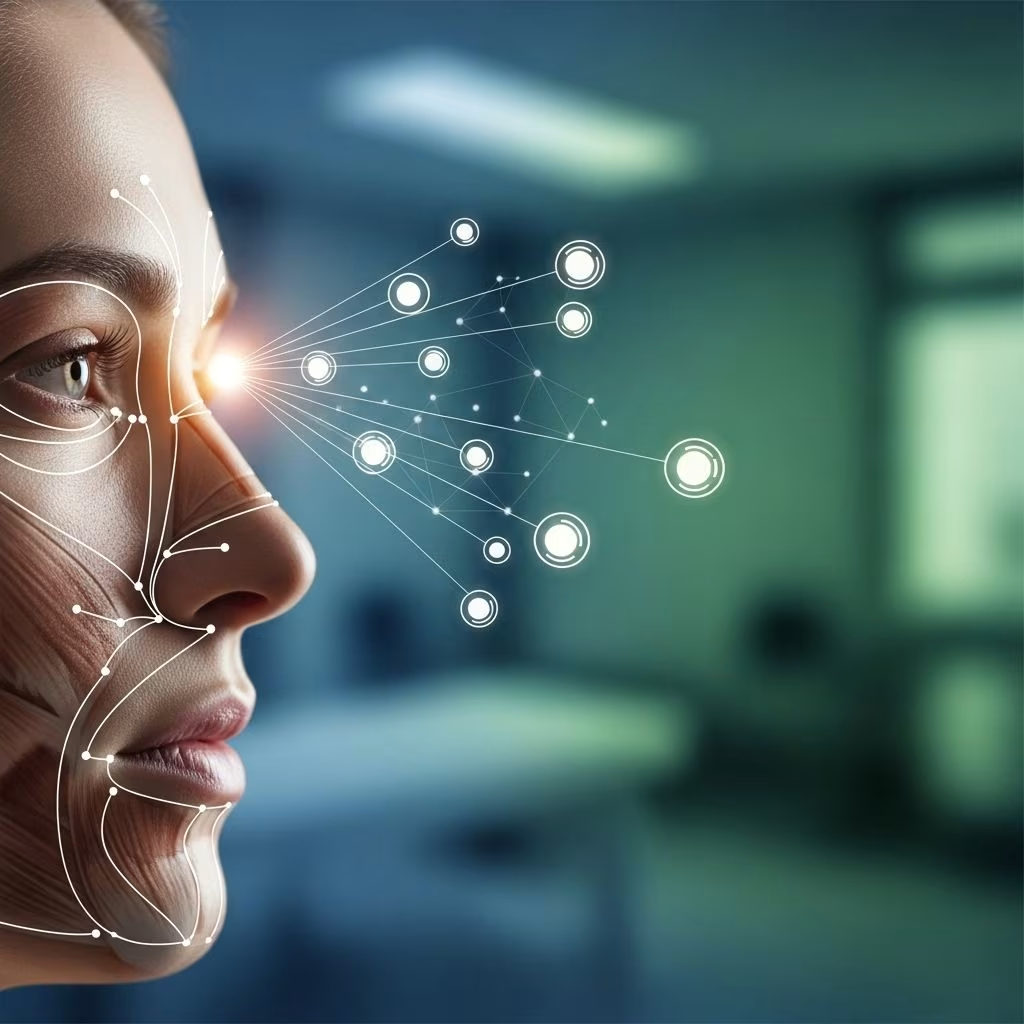
Introduction to Biofeedback Therapy
Biofeedback represents a revolutionary approach in alternative medicine that empowers individuals to gain conscious control over physiological processes typically considered involuntary. This therapeutic modality teaches patients to modify their body’s functions through real-time monitoring and feedback, creating a powerful mind-body connection that can significantly impact conditions ranging from facial tics to stress-related skin disorders.
The foundation of biofeedback rests on the principle that awareness leads to control. By providing immediate information about physiological states such as muscle tension, heart rate, brain wave activity, and skin temperature, biofeedback enables individuals to recognize patterns and learn techniques to influence these processes voluntarily. This capability becomes particularly valuable when addressing stress-related conditions that manifest physically, including involuntary facial movements and dermatological issues.
Stress acts as a powerful catalyst for numerous physical manifestations, with facial tics and skin conditions representing two prominent examples of how psychological tension translates into visible symptoms. The face, being one of the most expressive and socially significant areas of the body, often becomes a focal point for stress-related disorders. Understanding how biofeedback can address these interconnected issues requires exploring both the neurological mechanisms behind tics and the physiological pathways linking stress to skin health.
Understanding Stress-Related Facial Tics
Facial tics are sudden, repetitive, nonrhythmic movements or vocalizations involving discrete muscle groups. These involuntary actions can range from simple motor tics like eye blinking, nose twitching, or facial grimacing to more complex coordinated patterns of movement. While tics can occur in various contexts, stress-related facial tics specifically intensify or emerge in response to psychological pressure, anxiety, or emotional tension.
The neurobiology of tics involves complex interactions within the brain’s motor circuits, particularly the cortico-striato-thalamo-cortical pathways. Research indicates that individuals experiencing tics often demonstrate increased excitability in motor systems, creating a state of over-arousal that makes involuntary movements more likely. Environmental factors, especially stress, anger, anxiety, and excitement, consistently correlate with increased tic burden, suggesting that managing psychological states could potentially reduce tic severity.
Common characteristics of stress-related facial tics include:
The intensity and frequency of tics typically fluctuate based on environmental conditions and emotional states. Many individuals report that their tics worsen during periods of heightened stress, fatigue, or anxiety, while relaxation and focused activities may temporarily reduce symptoms. This variability demonstrates the modifiable nature of tics and provides a rationale for behavioral interventions like biofeedback.
Beyond the physical manifestations, facial tics carry significant psychosocial implications. The visible nature of these movements can lead to self-consciousness, social anxiety, and reduced quality of life. Individuals may experience embarrassment in social situations, difficulty concentrating on tasks, and challenges in professional or educational settings. These secondary effects often create additional stress, potentially establishing a self-perpetuating cycle where anxiety about tics leads to increased tic severity.
How Biofeedback Works for Tic Management
Biofeedback operates on the principle of operant conditioning, where individuals learn to modify their physiological responses through immediate feedback and positive reinforcement. For facial tics specifically, the therapeutic process involves training the brain to reduce motor system excitability and achieve states of calm that naturally decrease involuntary movements.
The mechanism begins with monitoring specific physiological parameters using specialized sensors. These might include electromyography (EMG) for muscle tension, electroencephalography (EEG) for brain wave patterns, or electrodermal activity for stress-related sweating responses. The collected data is then translated into visual, auditory, or tactile feedback that the patient can perceive in real-time, creating awareness of their current physiological state.
In the context of tics, neurofeedback (a specific type of biofeedback focusing on brain activity) has emerged as particularly promising. The brain training occurs at the neural level where tics originate, targeting the over-arousal and motor system hyperexcitability characteristic of tic disorders. When calming of these neural circuits is achieved through repeated training sessions, both motor and vocal tics may be reduced significantly.
The therapeutic process typically involves several key stages:
Self-regulation represents the ultimate goal of biofeedback training. Patients gradually develop the ability to recognize precursors to tics, such as premonitory urges or mounting tension, and implement learned techniques to prevent or reduce the tic expression. This skill transfers beyond the clinical setting, empowering individuals to manage their symptoms in everyday life without continued reliance on monitoring equipment.
Types of Biofeedback for Facial Tics
Neurofeedback Training
Neurofeedback stands as the most sophisticated form of biofeedback for addressing tic disorders. This approach directly trains brain activity patterns, targeting the neural circuits responsible for motor control and impulse regulation. Practitioners have observed significant symptom improvement with appropriate neurofeedback protocols, though outcomes vary individually.
Alpha-theta training represents one prominent neurofeedback protocol for tic management. This approach focuses on increasing alpha waves (8-12 Hz) and theta waves (4-8 Hz) to promote deep relaxation and reduce anxiety, which commonly exacerbates tics. The protocol typically involves electrode placement at central and frontal brain regions, with sessions providing positive feedback when desired brainwave patterns increase. Training sessions usually last 20-30 minutes and occur 2-3 times weekly over a course of 20-40 sessions.
Infra-low frequency neurofeedback represents another specialized approach showing promise in clinical applications. This method addresses stress, anxiety, fears, and oppositional behaviors often accompanying tic disorders. Practitioners report that successful treatment typically results in calming effects and enhanced ability to focus, with many patients requiring reduced medication dosages or achieving medication-free status after 30-40 sessions.
Electromyographic (EMG) Biofeedback
EMG biofeedback directly monitors muscle tension and activity, making it particularly relevant for facial tics involving specific muscle groups. Sensors placed on the face detect electrical activity associated with muscle contractions, providing immediate feedback about tension levels. Patients learn to recognize when facial muscles are tensing and practice relaxation techniques to reduce this tension, potentially preventing tic expression.
Electrodermal Activity Biofeedback
This modality measures skin conductance related to sweat gland activity, serving as an indicator of autonomic nervous system arousal and stress levels. Studies have demonstrated that arousal biofeedback using electrodermal activity can influence tic frequency, with relaxation biofeedback showing particular benefit compared to arousal-focused approaches.
Heart Rate Variability Biofeedback
Heart rate variability (HRV) reflects the balance between sympathetic and parasympathetic nervous system activity. Training to increase HRV promotes parasympathetic dominance associated with relaxation and stress resilience. While not specific to tics, HRV biofeedback addresses the underlying stress mechanisms that exacerbate tic symptoms.
The Stress-Skin Connection
The relationship between psychological stress and skin health represents a well-established bidirectional pathway where mental states influence dermatological conditions and vice versa. This connection becomes particularly relevant when considering the comprehensive effects of stress on facial appearance and the potential for biofeedback to address both tics and skin manifestations simultaneously.
Stress triggers a cascade of physiological responses involving the hypothalamic-pituitary-adrenal axis and sympathetic nervous system activation. These responses increase cortisol production, inflammatory mediators, and oxidative stress throughout the body, including the skin. The facial region, with its rich vascular supply and concentration of nerve endings, proves especially susceptible to stress-related changes.
Common stress-related skin conditions affecting the face include:
Acne breakouts intensify during stressful periods due to increased sebum production and inflammatory responses. Eczema and dermatitis flare when stress compromises skin barrier function and immune regulation. Rosacea episodes increase with stress-induced vascular reactivity and inflammation. Psoriasis lesions worsen through stress-mediated immune dysregulation. Premature aging accelerates as chronic stress damages collagen and elastin through oxidative processes.
The coexistence of facial tics and stress-related skin conditions often creates compounded distress. The physical movements of tics may directly irritate skin, while the psychological burden of visible symptoms from both conditions amplifies overall stress levels. This creates a vicious cycle where stress worsens both tics and skin health, while the symptoms themselves generate additional psychological pressure.
Biofeedback offers a unified approach to breaking this cycle by addressing the underlying stress mechanisms driving both conditions. Through reducing overall physiological arousal, improving stress management capabilities, and promoting parasympathetic nervous system activity, biofeedback can simultaneously benefit tic control and skin health. The relaxation states achieved during biofeedback training decrease cortisol levels, reduce inflammation, and improve autonomic balance, creating conditions favorable for both neurological and dermatological healing.
Biofeedback Treatment Protocols
Initial Assessment and Baseline Establishment
Effective biofeedback treatment begins with comprehensive assessment to establish baseline physiological patterns and identify specific targets for intervention. This phase typically involves recording resting-state measurements of relevant parameters, including brain wave activity through quantitative EEG (qEEG), muscle tension patterns via EMG, stress indicators through electrodermal activity, and cardiovascular parameters including heart rate and HRV.
Clinical evaluation also documents tic characteristics, including frequency, severity, specific muscles involved, and situational triggers. For skin concerns, dermatological assessment establishes baseline condition severity and identifies specific stress-related patterns. This comprehensive baseline enables personalized protocol development and provides objective measures for tracking progress.
Protocol Selection and Customization
Treatment protocols must be tailored to individual presentations, considering factors such as tic characteristics, stress patterns, comorbid conditions, and patient preferences. For patients presenting primarily with motor tics and high anxiety, alpha-theta training combined with EMG biofeedback targeting facial muscles may be optimal. Those with significant autonomic dysregulation might benefit from HRV biofeedback alongside neurofeedback approaches.
Placement strategies for neurofeedback vary based on specific symptoms. Training at right hemisphere sites (T4-P4 and T4-Fp2) has shown particular benefit for calming stress, anxiety, emotional reactivity, and oppositional behaviors common in individuals with tic disorders. These protocols aim to enhance self-regulation capabilities while reducing hyperexcitability in motor circuits.
Training Session Structure
Typical biofeedback sessions follow a structured format designed to maximize learning and skill development. Sessions generally last 30-60 minutes and occur 1-3 times weekly, with total treatment courses ranging from 20-40 sessions depending on individual response and symptom severity.
Each session typically includes a brief pre-training assessment to measure current state, review of home practice and symptom changes since the previous session, the active biofeedback training period with real-time feedback and coaching, post-training assessment to evaluate immediate session effects, and discussion of strategies for applying learned skills in daily life.
During active training periods, patients receive continuous feedback through visual displays, auditory tones, or other modalities that indicate when they are achieving desired physiological states. Therapists provide guidance and coaching to help patients discover mental strategies that reliably produce target responses. Over time, patients develop personalized techniques for achieving relaxed, controlled states that reduce tic likelihood and overall stress levels.
Home Practice and Skill Generalization
Successful outcomes depend significantly on practice outside clinical sessions. Patients typically receive assignments to practice relaxation techniques, mindfulness exercises, or abbreviated biofeedback sessions using portable devices or apps. This regular practice strengthens neural pathways associated with self-regulation and helps generalize skills to real-world situations.
Progressive protocols gradually increase difficulty by introducing mild stressors during training or practicing in situations that typically trigger symptoms. This systematic desensitization helps ensure that learned skills remain effective even under challenging conditions, ultimately reducing both tic frequency and stress-related skin reactivity in everyday life.
Clinical Evidence and Effectiveness
Research examining biofeedback for tic disorders has produced encouraging results, though the evidence base continues to develop. Systematic reviews of relaxation therapy, which often incorporates biofeedback principles, have identified controlled trials demonstrating significant reductions in both tic severity and frequency. Studies consistently show that behavioral approaches addressing stress and tension can meaningfully impact tic symptoms.
In controlled trials examining relaxation-based interventions, participants experienced approximately 32 percent reduction in tic symptoms. While this represents meaningful improvement, comparative studies indicate that relaxation approaches may be somewhat less effective than other behavioral techniques such as habit reversal training, which achieved 55 percent reduction, or self-monitoring at 44 percent reduction. These findings suggest that biofeedback and relaxation training serve best as components of comprehensive treatment approaches rather than standalone interventions.
Neurofeedback specifically has shown promising results in clinical practice. Practitioners report that most cases demonstrate significant symptom improvement with appropriate protocols, though individual variation remains substantial. Some patients experience dramatic tic reduction, while others notice more subtle benefits such as improved relaxation, better sleep quality, and enhanced overall functioning even without complete tic elimination.
The durability of biofeedback effects represents an important consideration. Some studies indicate that relaxation training effects may be of limited duration without ongoing practice, emphasizing the importance of maintenance strategies and continued skill application. However, neurofeedback appears to produce more lasting changes, potentially reflecting its direct impact on neural circuitry rather than just temporary symptom management.
Key research findings include:
Treatment response rates vary considerably, with approximately 58.8 percent of participants in mindfulness-based interventions demonstrating clinically significant improvement. Long-term training appears beneficial for tic conditions, with optimal outcomes often requiring 30-40 sessions. Combination approaches integrating multiple biofeedback modalities with other behavioral strategies typically produce superior results compared to single-technique interventions.
Regarding skin conditions, while direct research on biofeedback for stress-related facial skin issues remains limited, substantial evidence supports biofeedback’s effectiveness for stress reduction generally. Given the established connection between stress and dermatological health, the stress-reducing effects of biofeedback logically extend to improving stress-exacerbated skin conditions. Studies on stress management interventions consistently demonstrate improvements in conditions like acne, eczema, and psoriasis when psychological stress is effectively addressed.
Integrating Biofeedback with Other Therapies
Comprehensive Behavioral Intervention for Tics (CBIT)
Biofeedback integrates powerfully with Comprehensive Behavioral Intervention for Tics, a specialized evidence-based approach recommended by health authorities. CBIT teaches patients to recognize tic triggers and premonitory urges while developing competing responses that prevent or reduce tic expression. Adding biofeedback to CBIT enhances awareness of physiological states associated with tic urges and provides additional tools for achieving the relaxed states that facilitate competing response implementation.
Progressive Muscle Relaxation and Deep Breathing
These fundamental relaxation techniques complement biofeedback by providing specific strategies patients can use independently. Progressive muscle relaxation systematically addresses tension throughout the body, including facial muscles prone to tics. Deep breathing exercises activate parasympathetic responses that counter stress-related arousal. Biofeedback equipment provides objective confirmation that these techniques are producing desired physiological effects, enhancing patient confidence and motivation.
Mindfulness and Meditation Practices
Mindfulness approaches promote awareness of bodily sensations, emotions, and thoughts while increasing attentional control and decreasing physiological arousal. These practices align perfectly with biofeedback principles and can be enhanced through biofeedback monitoring. Patients learn to recognize subtle internal states that precede tics or stress responses and develop non-reactive awareness that reduces symptom expression.
Cognitive-Behavioral Therapy (CBT)
CBT addresses thought patterns and beliefs that contribute to stress, anxiety, and emotional reactivity. For individuals with facial tics and skin conditions, CBT can target concerns about appearance, social anxiety, and catastrophic thinking about symptoms. Combined with biofeedback, CBT provides both psychological and physiological tools for comprehensive symptom management.
Dermatological Treatments
For stress-related skin conditions accompanying facial tics, integrating biofeedback with appropriate dermatological care optimizes outcomes. Topical treatments, skincare routines, and medical interventions address skin symptoms directly, while biofeedback targets underlying stress mechanisms. This dual approach prevents the cycle where skin symptoms cause stress that further worsens skin health.
Medication Management
While biofeedback represents a non-pharmacological intervention, it can complement medication approaches when necessary. For some individuals with severe tics, initial medication may reduce symptom intensity to manageable levels, allowing biofeedback training to proceed more effectively. As biofeedback skills develop and symptoms improve, medication dosages can often be reduced or eliminated under medical supervision. This approach avoids the potential side effects of medications used for tic management while still accessing benefits when needed.
Practical Applications and Techniques
Self-Monitoring and Awareness Building
Developing heightened awareness represents the foundation of successful biofeedback outcomes. Patients learn to recognize subtle cues indicating mounting tension, stress, or premonitory urges preceding tics. This awareness extends to identifying environmental triggers, emotional states, and thought patterns associated with symptom exacerbation. Daily journaling of tic frequency, skin condition changes, and stress levels helps identify patterns and track progress.
Portable Biofeedback Devices and Apps
Modern technology enables biofeedback practice beyond clinical settings through portable devices and smartphone applications. Heart rate variability monitors, stress tracking wearables, and neurofeedback headbands allow patients to receive real-time feedback during daily activities. These tools facilitate frequent practice and skill generalization to real-world situations where symptoms typically occur.
Trigger Identification and Management
Systematic identification of tic triggers enables proactive intervention. Common triggers include specific social situations, academic or work pressures, fatigue, certain environments, or particular emotional states. Once identified, patients can implement learned biofeedback techniques preventively when entering triggering situations, reducing the likelihood of symptom escalation.
Creating Optimal Conditions for Practice
Establishing conducive environments for biofeedback practice enhances skill development. Quiet, comfortable spaces free from distractions allow focused attention on internal states and feedback signals. Regular practice schedules, ideally at consistent times daily, strengthen neural pathways and make self-regulation more automatic. Gradually introducing mild challenges during practice sessions builds resilience and prepares patients for real-world application.
Lifestyle Modifications Supporting Biofeedback
Comprehensive symptom management extends beyond specific biofeedback techniques to include lifestyle factors affecting stress and physiological arousal. Adequate sleep supports nervous system regulation and reduces tic likelihood. Regular physical exercise provides natural stress reduction and improves overall physiological balance. Balanced nutrition supports neurotransmitter function and skin health. Limiting caffeine and other stimulants reduces baseline arousal levels that may increase tic frequency.
Social Support and Education
Family members, friends, and colleagues can support treatment success through understanding and appropriate responses to symptoms. Education about the nature of tics, their relationship to stress, and the biofeedback process helps create supportive environments. Reducing judgment, pressure, or excessive attention to symptoms allows patients to practice self-regulation skills without additional social stress.
Frequently Asked Questions
Q: How long does biofeedback treatment for facial tics typically take to show results?
A: Most individuals begin noticing improvements within 10-15 sessions, though optimal results typically require 20-40 sessions over several months. The timeline varies based on tic severity,young learning pace, and consistency of practice. Some people experience immediate relaxation benefits even if tic reduction takes longer to manifest.
Q: Can biofeedback completely eliminate facial tics?
A: While some individuals achieve complete tic elimination, most experience significant reduction in frequency and severity rather than total elimination. Biofeedback should be viewed as a tool for improved management and quality of life rather than guaranteed cure. Benefits include reduced tic burden, better control over symptoms, and decreased stress overall.
Q: Is biofeedback safe for children with facial tics?
A: Yes, biofeedback is considered safe for children and represents a non-invasive, medication-free option. Children often respond well to biofeedback because they find the technology engaging and game-like. Treatment protocols can be adapted to shorter attention spans and developmental levels, making biofeedback accessible across age groups.
Q: How does biofeedback compare to medication for treating tics?
A: Biofeedback offers advantages of being non-invasive with no medication side effects, while teaching self-regulation skills that persist beyond treatment. Medications may provide faster initial symptom reduction but can cause unwanted side effects. Many clinicians recommend trying behavioral approaches like biofeedback first, potentially adding medication if needed, with the goal of reducing or eliminating medication as biofeedback skills develop.
Q: Will improvements in facial tics from biofeedback also help stress-related skin conditions?
A: Yes, because biofeedback addresses underlying stress mechanisms affecting both conditions. The stress reduction, improved autonomic balance, and enhanced self-regulation achieved through biofeedback training benefit skin health by reducing inflammation, cortisol levels, and stress-related physiological processes. Many patients report improvements in both tics and skin conditions simultaneously.
Q: Do I need to continue biofeedback indefinitely to maintain results?
A: While intensive training typically lasts 20-40 sessions, most individuals can maintain results through periodic booster sessions and continued practice of learned techniques. The self-regulation skills become increasingly automatic with practice, requiring less conscious effort over time. Some people benefit from occasional maintenance sessions, while others successfully manage symptoms independently after completing initial training.
Q: Can I practice biofeedback techniques at home without equipment?
A: Once you learn self-regulation techniques during clinical biofeedback sessions, you can practice many approaches without equipment. Breathing exercises, progressive muscle relaxation, mindfulness, and visualization techniques learned during biofeedback training can be applied anywhere. Portable devices and apps can support home practice, but the ultimate goal is developing internal awareness and control independent of external feedback.
Q: Are there any risks or side effects of biofeedback therapy?
A: Biofeedback is generally considered very safe with minimal risks. Some individuals may experience temporary fatigue after sessions as they learn new skills. Rarely, people feel frustrated if progress is slower than expected. Working with qualified practitioners minimizes any potential issues and ensures appropriate protocol selection for individual needs.
References
- https://pmc.ncbi.nlm.nih.gov/articles/PMC5669407/
- https://biofeedback-neurofeedback-therapy.com/effectiveness-of-neurofeedback-in-tourettes-syndrome-and-tic-disorder-management/
- https://www.frontiersin.org/journals/human-neuroscience/articles/10.3389/fnhum.2022.891924/full
- https://pmc.ncbi.nlm.nih.gov/articles/PMC7196941/
- https://childneurologycenter.com/disorder/tics-tourette-syndrome/
- https://www.braintraincentersinc.com/blog/understanding-tics-and-the-role-of-neurofeedback
- https://www.braintraincentersinc.com/blog
- https://myndstories.com/how-digital-biofeedback-helps-tourette-syndrome-patients/
- https://my.clevelandclinic.org/health/treatments/13354-biofeedback


