


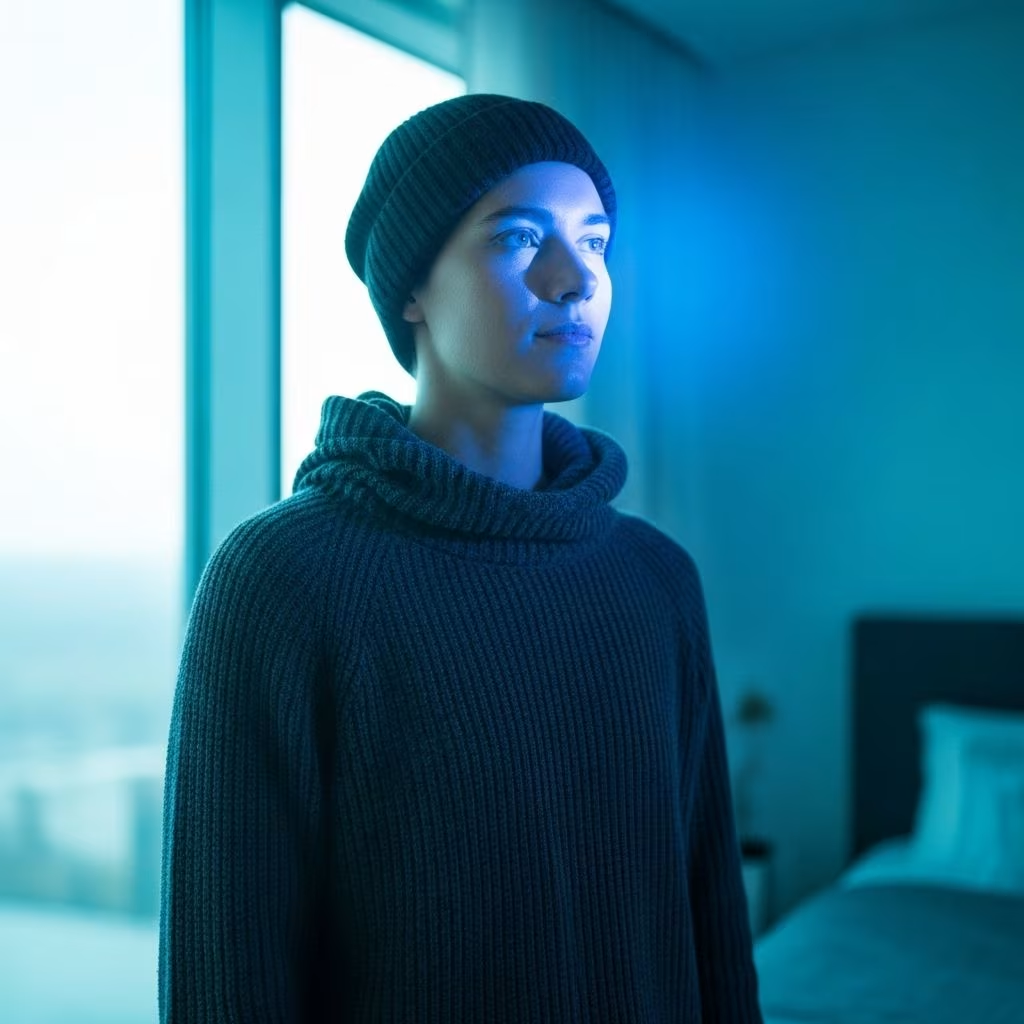
Blue Light Exposure & Melatonin Right After Waking Up
Early morning light exposure, especially blue light, plays a crucial role in regulating our circadian rhythms, suppressing melatonin, and setting the tone for daytime alertness, mood, and cognitive performance. This article discusses how blue light immediately after waking up affects biological processes, explores its benefits and potential risks, and provides practical guidance for optimizing light exposure for health and productivity.
Introduction: Light, Sleep, and the Biological Clock
Human sleep and wake cycles are tightly regulated by the circadian system—a roughly 24-hour internal clock coordinated by environmental light exposure. One key signal is the suppression of melatonin, a hormone secreted by the pineal gland that promotes sleepiness and signals when it’s time to sleep.
Light, especially at short wavelengths (i.e., blue light), is the most important external cue for circadian rhythm alignment. The sleep–wake cycle, mood, and cognitive function are all heavily influenced by how and when we are exposed to natural and artificial light sources.
The Science of Melatonin: Function and Release
Melatonin is often referred to as the “sleep hormone,” as its primary role is to induce sleepiness and help maintain the timing of sleep relative to the environment. Its secretion is minimal during the day, ramps up in the evening, and peaks during the night. Melatonin levels naturally decline in the early morning before waking, but they can persist if not sufficiently suppressed by exposure to light.
Melatonin has additional roles, including modulating immune function, acting as an antioxidant, and supporting metabolic health. Disruption of melatonin rhythms has been linked to insomnia, mood disturbances, and increased risk of metabolic disorders.
What is Blue Light? Sources and Properties
- Definition: Blue light refers to a specific range of wavelengths within the visible light spectrum, typically between 446 and 477 nanometers (nm).
- Main sources:
- Sunlight (natural daylight contains a mixture of all visible wavelengths, with a strong blue component)
- Electronic screens—LED displays on smartphones, tablets, computers, TVs
- LED and fluorescent lighting
- Properties: Blue light is highly effective at influencing alertness by stimulating photoreceptors (specifically melanopsin) in the eye that directly communicate with the brain’s internal clock.
Mechanisms: How Blue Light Suppresses Melatonin
- Blue-wavelength light stimulates specialized cells in the retina (intrinsically photosensitive retinal ganglion cells, or ipRGCs).
- These cells send signals to the suprachiasmatic nucleus (SCN) in the brain, the body’s central circadian clock.
- Signal transmission inhibits the pineal gland’s production of melatonin. In response, melatonin output drops rapidly following blue light exposure, leading to increased alertness.
- Light at other visible wavelengths (green, red) also affects melatonin, but blue light is most potent for suppression, even at lower intensity.
Morning Blue Light Exposure: Effects on Melatonin Suppression
Melatonin suppression after waking is a natural and necessary process that signals the body to transition from sleep to daytime functioning. Several studies have demonstrated that:
- Brief exposure to blue-enriched white light upon waking leads to a rapid and pronounced decline in circulating melatonin levels.
- Exposure to higher irradiances of narrowband blue light (such as from specialized LED lamps) results in dose-dependent melatonin suppression that is stronger than other types of light commonly found indoors.
- Morning exposure to blue light is especially impactful during winter months, when natural light is limited and melatonin levels may remain elevated later into the morning.
- Melatonin suppression of up to 22% has been documented in controlled laboratory settings with human-centric LEDs designed to mimic sunlight.
| Light Source | Wavelength (nm) | Duration | Melatonin Suppression (%) |
|---|---|---|---|
| Sunlight | ~480 | 60 min | Up to 22% |
| Blue LED | 469 | 30 min | Strong, dose-dependent |
| White Fluorescent | Mixed | Varies | Less effective than blue LED |
| Electronic Displays | ~450-470 | Intermittent | Variable, but often significant |
These findings are critical for understanding how modern lighting environments—whether natural or artificial—can be optimized to support healthy sleep–wake transitions.
Benefits of Blue Light Right After Waking Up
- Promotes alertness and improved cognitive performance: Blue light signals to the brain that it is daytime, rapidly shifting physiological states from sleep to wake.
- Supports stable circadian rhythms: Consistent exposure to morning blue light helps keep the internal body clock aligned with the environment, reducing fatigue and jet lag.
- Improves mood and motivation: Blue light exposure in the morning has demonstrated positive effects on mood and may help manage symptoms of seasonal affective disorder and depression.
- Enhances daytime productivity: Studies show that students, office workers, and shift workers experience greater performance and reduced sleep inertia following blue-enriched light exposure after waking.
- Facilitates healthy nighttime sleep: By rapidly suppressing melatonin and shifting the body into a wakeful state, morning blue light exposure sets the stage for timely melatonin release in the evening, supporting restful sleep.
Potential Risks & Considerations
- Excessive exposure: While morning blue light is beneficial, too much exposure late in the day or at night can delay melatonin onset and disrupt sleep.
- Seasonal variation: Individuals living at higher latitudes or in regions with limited daylight during winter may experience prolonged morning melatonin levels and require artificial light supplementation.
- Screen exposure: Devices emit substantial blue light that, if used immediately upon waking or late at night, may excessively suppress melatonin or desynchronize circadian rhythms.
- Light sensitivity: Some individuals (e.g., migraine sufferers, those with sleep disorders) may need to moderate blue light exposure to avoid triggering symptoms.
Practical Tips for Healthy Morning Light Routines
- Maximize exposure to natural daylight shortly after waking: open curtains, move near windows, or step outside for 15–30 minutes.
- If natural light isn’t available (winter, early shifts), consider using full-spectrum or blue-enriched artificial lights designed to mimic sunlight.
- Limit exposure to blue light from screens until after a healthy dose of daylight has initiated melatonin suppression and wakefulness.
- Consistently align light exposure with regular wake times; avoid sudden shifts in schedule that may confuse the body clock.
- In workplaces or learning environments, prioritize lighting solutions that incorporate blue wavelengths in the morning for alertness and productivity, while dimming toward evening hours for restful transition.
Sample Morning Light Routine
- Wake up and immediately expose yourself to sunlight or blue-enriched artificial light for 20–30 minutes.
- Engage in a brief walk or physical activity near natural light sources.
- Avoid prolonged use of electronic screens for entertainment until later in the morning.
- Shift toward warmer, dimmer lighting in the late afternoon and evening.
Frequently Asked Questions
Q: Can blue light exposure after waking improve sleep quality?
A: Yes. By hastening melatonin suppression and aligning the circadian clock with the environment, morning blue light sets up more robust nighttime melatonin release and helps maintain regular sleep patterns.
Q: Is it safe to use blue-enriched artificial lights for melatonin suppression?
A: When used as designed, blue-enriched lights are safe and effective for morning use. Always follow manufacturer guidance for intensity and duration to avoid eye strain or overexposure.
Q: Should everyone seek blue light exposure after waking?
A: Most people can benefit, but individuals with light sensitivity, sleep disorders, or certain medical conditions should consult a healthcare provider before adjusting light routines.
Q: Does screen time after waking provide the same benefit as natural blue light exposure?
A: While screens emit blue light, their intensity and spectrum may not optimally mimic natural sunlight. Purpose-built blue-enriched lighting is preferable for melatonin suppression after waking.
Q: How long after waking should I seek blue light exposure?
A: Aim for exposure within the first 15–30 minutes after waking for maximum effect on alertness and melatonin suppression.
Conclusion
Understanding the relationship between blue light exposure and melatonin regulation after waking allows individuals, students, and workers to optimize their mornings for greater alertness, mood, and productivity. Strategic morning light routines—grounded in science—help fine-tune the biological clock for both short-term performance and long-term health. By balancing blue light exposure with mindful evening routines, you can support your body’s natural rhythm and enhance your overall well-being.
References
- https://pubmed.ncbi.nlm.nih.gov/21164152/
- https://www.healthline.com/nutrition/block-blue-light-to-sleep-better
- https://www.nature.com/articles/s41598-018-36791-5
- https://axial.acs.org/physical-chemistry/using-blue-light-for-sleep-regulation-and-melatonin-control
- https://www.sleepfoundation.org/bedroom-environment/blue-light
- https://www.sbm.org/healthy-living/blue-in-the-face-the-effects-of-blue-light-on-sleep
- https://pmc.ncbi.nlm.nih.gov/articles/PMC9424753/
- https://www.health.harvard.edu/staying-healthy/blue-light-has-a-dark-side
- https://kidshealth.org/en/teens/blue-light.html


