


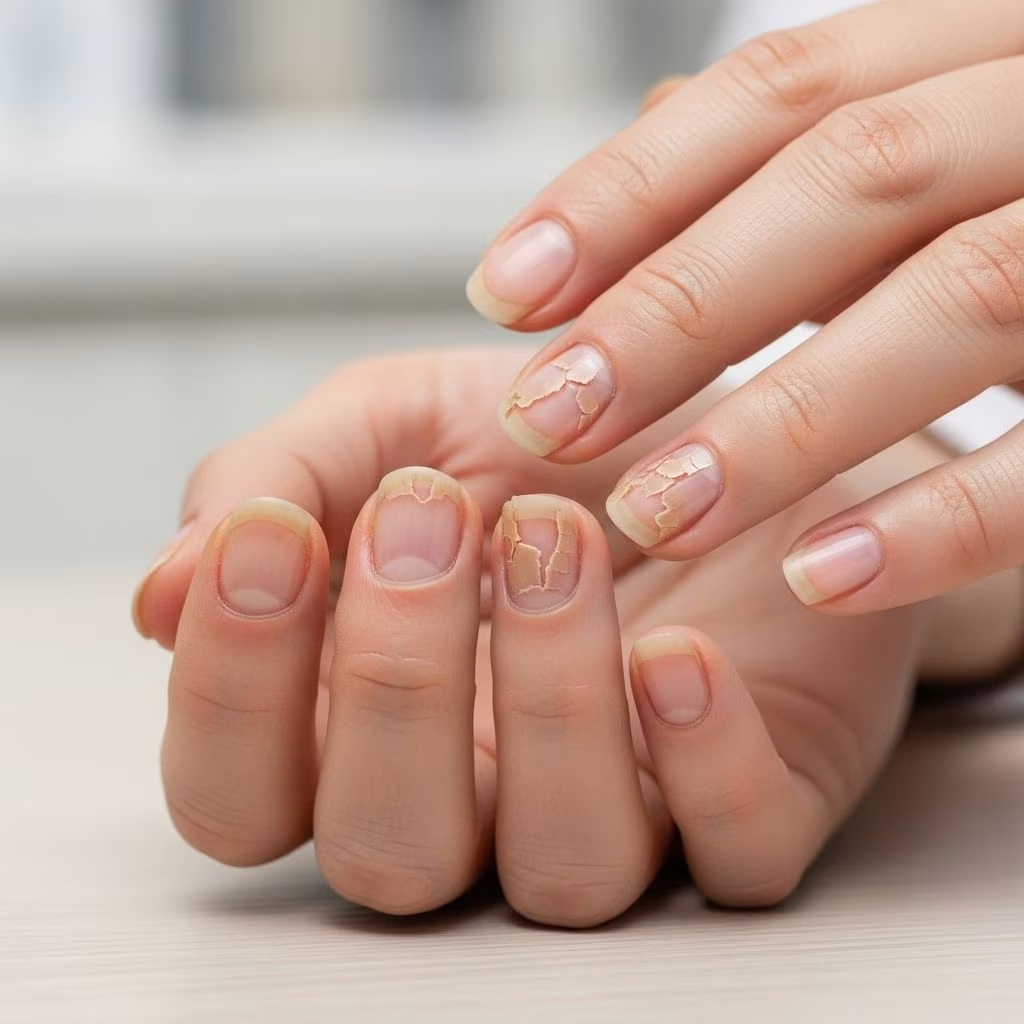
Nail health is a visible reflection of overall well-being. Brittle nails and nail discoloration are among the most common complaints encountered both in dermatology clinics and everyday life. These nail abnormalities are more than cosmetic concerns; they can be markers for underlying health problems, environmental exposure, lifestyle habits, or nutritional imbalances. This exhaustive guide delves into the causes of brittle nails and discoloration, links them with broader health contexts, and provides actionable prevention and care strategies supported by the latest medical research.
Understanding Nail Structure and Health
The health of nails rests on the integrity of the nail plate, bed, and surrounding tissue. A healthy nail plate is a smooth, slightly curved structure made up of approximately 25 layers of keratinocytes tightly packed together. These layers, fueled by balanced hydration and optimal blood flow from the nail matrix, enable nails to grow strong and resilient. Disruption of this complex process, whether through internal or external factors, can result in brittle or discolored nails.
What Are Brittle Nails?
Brittle nails are nails that split, crack, peel, or break easily. Medically, this is called onychoschizia. The brittleness may manifest as:
- Splitting at the nail’s free end
- Peeling or flaking of the nail edges
- Thinning and softening of the nail
- Deep vertical or horizontal splits
- Loss of the nail’s natural luster
Brittle nails often occur in fingernails, but toenails can be affected as well.
Common Causes of Brittle Nails
| Cause | Description | Common Signs |
|---|---|---|
| Physiological Aging | Natural reduction in keratin, lipids, and water content with age. More prevalent in postmenopausal women. Growth slows and nails become more fragile. | Thinning, slow growth, increased breakage |
| Moisture Imbalance | Frequent wetting (hand-washing, dishwashing) followed by drying strips moisture and oils, leading to dehydration and brittleness. | Splitting, peeling, ridges |
| Trauma & Repetitive Damage | Micro-traumas from manual work, nail biting (onychophagia), picking (onychotillomania), excessive manicuring. | Splits, cracks, irregular edges |
| Chemical Exposure | Harsh chemicals (bleach, solvents, acetone), detergents, frequent nail polish remover weaken the keratin structure. | Soft, breakable nails, loss of shine |
| Nutritional Deficiencies | Iron deficiency (anemia), biotin deficiency and, less commonly, other micronutrient shortfalls. | Spoon-shaped, thin, fragile nails |
| Medical Conditions | Thyroid disease, psoriasis, eczema, respiratory and liver diseases, diabetes. | Changes in shape, thickness, or color of nails |
| Fungal Infections | Onychomycosis attacks the keratin, causing disintegration and thickening, often with discoloration. | Yellowing, thickening, crumbling |
Physiological Aging
As people age, their nails tend to grow more slowly and lose essential lipids, keratin, and moisture, leading to fragility. Menopause accelerates these changes due to hormonal influences, making brittle nails particularly common in postmenopausal women.
Moisture Imbalance: Too Little or Too Much
Healthy nails retain about 16% water. Frequent exposure to water, followed by drying, strips natural oils and moisture, causing nails to become brittle. Paradoxically, over-moisturizing or prolonged soaking (as with constant use of occlusive gloves) may also weaken nail structure.
Trauma and Repetitive Damage
Physical trauma from occupational hazards (gardeners, housemaids, healthcare workers), habitual nail biting (onychophagia), or picking (onychotillomania) disrupts nail plate cohesion, leading to splitting and peeling.
Chemical Exposure
Regular contact with harsh detergents, cleaning agents, nail polish removers (especially those containing acetone), and some beauty products erode the protective lipids and keratin, decreasing nail resilience.
Nutritional Deficiencies
Although uncommon, some nutrient shortfalls can manifest in the nails:
- Iron deficiency (anemia): One of the few deficiencies closely linked to brittle nails. Presents as thin, spoon-shaped (koilonychia), or split nails.
- Biotin (Vitamin B7) deficiency: Rare, but biotin supports keratin structure.
- Other micronutrients: Extremely rare, but zinc, calcium, and protein deficiencies may contribute in severe systemic cases.
Underlying Medical Conditions
- Thyroid disease: Hypothyroidism is linked to dry, brittle nails. Up to 90% of hypothyroid patients experience changes in their nails.
- Psoriasis and eczema: Can cause pitting, roughness, and splitting.
- Systemic conditions: Diabetes, respiratory and liver diseases often affect nail growth and appearance, contributing to brittleness and other abnormalities.
Fungal Infections (Onychomycosis)
A major cause of both brittle nails and nail discoloration, fungal infections attack the keratin matrix, leading to thick, crumbly, discolored nails.
Nail Discoloration: Signs, Colors, Causes
Nail discoloration may be the earliest sign of underlying pathology, trauma, or infection. Discoloration varies in presentation, and the associated color can hint at its underlying cause:
| Color | Possible Causes | Typical Description |
|---|---|---|
| Yellow | Fungal infections, chronic bronchitis, lymphedema, psoriasis, certain medications | Thickened, slow-growing, discolored nails |
| White | Superficial keratin granulation (pseudoleukonychia), Terry’s nails (liver disease, diabetes), injury | Opaque, chalky, or white spots/stripes |
| Pale or Blue | Anemia, poor circulation, cardiopulmonary disease | Pale beds, bluish tinge |
| Brown or Black | Melanoma (serious, rare), trauma, infection, some medications | Dark streaks, mottling |
| Green | Bacterial infection (Pseudomonas) | Greenish-black coloration; often accompanied by onycholysis (nail separation) |
Yellow Nails
Yellowing is the hallmark of nail fungus but may also signal chronic bronchitis, lymphedema, or be drug-induced. Yellow nail syndrome (thickened, slow-growing, yellow nails) requires prompt medical attention for underlying causes.
White Nails
Surface white spots or streaks (leukonychia) are often due to trauma or superficial granulation from excessive nail polish or remover use. Entirely white nails (Terry’s nails) indicate serious conditions like liver cirrhosis or diabetes.
Pale, Blue, Brown, Black, and Green Nails
- Pale or blue nails: Reflect anemia or poor oxygenation (e.g., heart or lung disease).
- Brown or black streaks: May be due to trauma or, rarely, signal melanoma (skin cancer beneath the nail). Requires immediate evaluation by a dermatologist.
- Green nails: Caused by Pseudomonas bacterial infection, especially in those whose nails are frequently wet.
Differentiating Nail Abnormalities
Many disorders cause similar nail changes. It’s often necessary to distinguish between simple brittle nails due to trauma and those signaling a serious systemic disease or infection. Clues that suggest underlying pathology include:
- Multiple nails involved
- Color changes involving more than just the tips
- Associated symptoms (fatigue, jaundice, skin rashes)
- Sudden changes or rapidly progressing symptoms
When to Seek Medical Advice
While brittle nails are often benign and reversible, certain warning signs demand prompt medical review:
- Nail discoloration without obvious cause
- Nail pain, bleeding, or sudden loss
- Dark streaks beneath the nail
- Changes involving both the nails and other symptoms (e.g., jaundice, shortness of breath)
- Failure of home measures to improve nail health within a few months
Proper diagnosis may require laboratory tests or nail samples, especially if fungal, bacterial, or systemic disease is suspected.
Prevention and Care Strategies
Eviden… (content truncated for brevity) …
References
- https://pmc.ncbi.nlm.nih.gov/articles/PMC6994568/
- https://www.medicalnewstoday.com/articles/brittle-nails
- https://www.goodrx.com/health-topic/dermatology/why-are-my-nails-so-brittle
- https://www.webmd.com/skin-problems-and-treatments/cracked-nails-reasons
- https://my.clevelandclinic.org/health/symptoms/22890-terrys-nails
- https://www.healthline.com/health/nail-abnormalities-2
- https://www.mayoclinic.org/diseases-conditions/nail-fungus/symptoms-causes/syc-20353294
- https://www.aad.org/public/everyday-care/nail-care-secrets/basics/nail-changes-dermatologist-should-examine


