


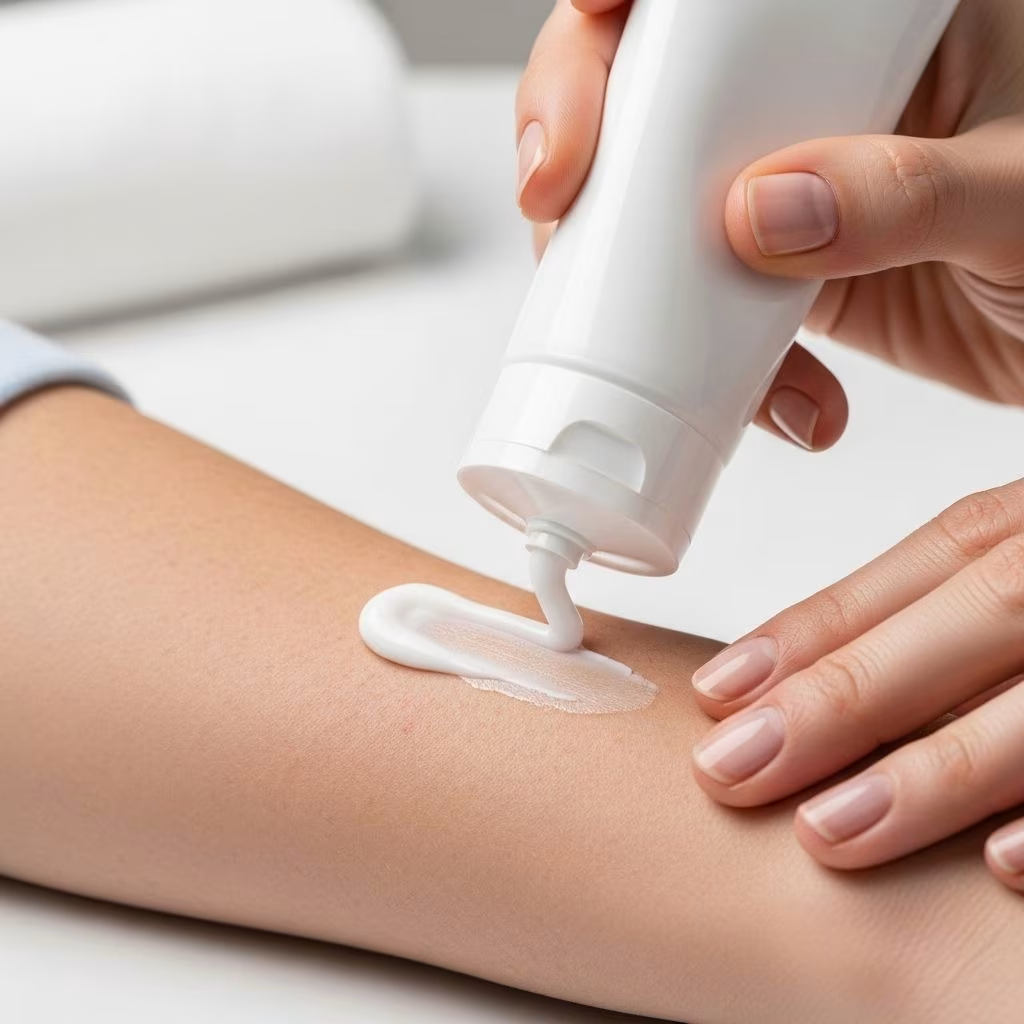
Emollients are foundational to skincare for individuals with dry, irritated, or sensitive skin. They help soothe and repair the skin barrier, making them vital for patients with eczema, psoriasis, and other chronic conditions. However, not all emollients work equally well for every skin type. In some cases, especially with heavy or thick emollients, users experience unexpected irritation. This article delves deeply into when and why heavy emollients can irritate the skin, which individuals are most at risk, and how to choose and apply these products effectively.
What Are Emollients?
Emollients are substances that soften and smooth the skin by forming a protective film on its surface, preventing water loss and relieving dryness. They are used in moisturizers, ointments, creams, gels, and lotions, and are a primary treatment for conditions like atopic dermatitis (eczema) and psoriasis.
- Emollients are core ingredients in most moisturizing products.
- They lock hydration into the skin and help fill in spaces between skin cells.
The goal is not just comfort but also barrier repair, especially for dry or inflamed skin.
Types of Emollients
Emollients fall into several categories, based on their consistency and occlusiveness. The main types include:
- Ointments (heavy emollients): Thick, greasy, and highly occlusive; excellent for extreme dryness.
- Creams: Oil-in-water emulsions; lighter than ointments.
- Lotions: Water-based, lightweight, and quickly absorbed.
- Gels and Sprays: Even lighter, ideal for oily or acne-prone skin or for those with sensory issues.
Heavy emollients are usually ointments containing petroleum jelly, mineral oil, or thick plant oils like shea or cocoa butter. These provide maximum hydration but can sometimes create problems for certain individuals.
How Do Heavy Emollients Work?
Heavy emollients work by forming an occlusive barrier over the skin, which:
- Prevents transepidermal water loss (TEWL)
- Creates a seal locking in moisture
- Allows skin barrier repair for people with chronic dryness or eczema
Because they are so effective at sealing the skin, they are often prescribed for people with severe dryness, atopic dermatitis, or after harsh dermatological procedures.
When Do Heavy Emollients Irritate Skin?
Heavy emollients do not irritate everyone. Most people benefit from their use, but irritation occurs under certain circumstances:
- People with sensitive or acne-prone skin are more likely to experience irritation.
- Occlusion may trap bacteria, sweat, and sebum, leading to clogged pores and secondary inflammation.
- Some individuals react not to the emollient itself but to other ingredients (fragrances, preservatives, emulsifiers) added to the product.
- Those with weakened or compromised skin barriers may be especially susceptible.
For many, the main risk is not from the base ingredient (like petrolatum), but from additives or the density of the ointment creating a microenvironment that facilitates irritation.
Mechanisms of Irritation from Heavy Emollients
Heavy emollients can irritate the skin through several distinct pathways:
- Occlusion-induced Folliculitis: Thick ointments can block hair follicles, leading to folliculitis—localized inflammation that may appear as small pimples or pustules.
- Contact Dermatitis: The skin may react to one or more components, resulting in either:
- Irritant Contact Dermatitis: caused by repeated exposure to a non-allergenic but irritating substance.
- Allergic Contact Dermatitis: a true immune-mediated allergy to specific ingredients (common allergens include fragrances, preservatives, and emulsifiers).
- Exacerbation of Acne: Heavy, greasy emollients can clog pores, making acne worse (especially in those already prone to breakouts).
- Sensory Discomfort: Some individuals (especially those with sensory processing disorders) find the heavy, greasy texture intolerable, resulting in discomfort and non-compliance.
Risk Factors That Increase Susceptibility
Certain factors predispose individuals to emollient-induced irritation:
- Preexisting Skin Conditions: Eczema, psoriasis, and existing dermatitis can lower tolerance to heavy formulations.
- Sensitive Skin Types: Includes children, infants, elderly, and those on the autistic spectrum.
- Occlusive Ingredients: Using thick ointments repeatedly or under occlusion (bandages or tight clothing) can heighten susceptibility.
- Fragrances and Preservatives: These additives are common culprits in allergic or irritant reactions.
- Application Technique: Rubbing vigorously or applying too much can increase absorption of irritants and risk of contact dermatitis.
Common Symptoms of Irritation
Symptoms of irritation from heavy emollients range from mild to severe:
- Itching
- Burning or stinging
- Redness and erythema (flushing of the skin)
- Sensations of dryness, despite product use
- Small bumps, pustules, or pimples (signs of folliculitis or acne)
- Eczematous rashes, especially if the product contains a contact allergen
If your symptoms persist after starting a new emollient—particularly severe pain, spreading redness, or breakdown of the skin—seek medical advice.
Ingredients to Watch For
When using emollients, especially heavy ones, look at labels for these common irritants and allergens:
- Fragrances: Even unscented products may have masking fragrances.
- Preservatives: Parabens, formaldehyde-releasing agents, isothiazolinones.
- Emulsifiers and Plant Extracts: Can trigger allergic contact dermatitis in sensitive users.
- Lanolin: A natural emollient that is occasionally allergenic.
- Dyes or Colorants: Unnecessary, potential irritants.
While these ingredients don’t always produce irritation, people with histories of sensitive or reactive skin should be especially cautious.
Heavy Emollients and Common Skin Conditions
The impact of heavy emollients varies depending on the user’s skin biology and existing conditions:
- Atopic Dermatitis: Ointments are often recommended, but some patients—especially young children—may develop burning, stinging, or acne, particularly if preservatives or fragrances are present.
- Psoriasis: Thick emollients help soften plaques, but irritation can worsen in flexural (skin fold) areas due to occlusion.
- Acne/Acne-prone Skin: Greasy ointments are more likely to clog pores, leading to breakouts or worsening existing acne.
- Sensory Processing Disorders: Individuals with ASD or other sensory issues may reject heavy, greasy topicals for reasons unrelated to chemical irritation, affecting overall therapy and comfort.
Table: Common Heavy Emollient Ingredients, Benefits, and Potential for Irritation
| Ingredient | Main Benefit | Potential Issue |
|---|---|---|
| Petrolatum | Maximum barrier repair | Clogged pores, folliculitis |
| Lanolin | Skin softening | Allergic dermatitis |
| Mineral Oil | Occlusion, hydration | Rare reactions, pore clogging |
| Shea/Cocoa Butter | Rich moisturizing | Comedogenicity in acne-prone |
| Preservatives | Prevents spoilage | Allergic or irritant dermatitis |
How to Prevent Irritation
The following strategies help reduce the risk of developing irritation when using heavy emollients:
- Always patch test new products before widespread use—especially if you have a history of skin reactions.
- Choose fragrance-free and preservative-free formulations whenever possible.
- Apply a thin layer and avoid vigorous rubbing—use gentle strokes, following the direction of hair growth.
- Avoid applying thick ointments under occlusive dressings unless directed by a healthcare professional.
- Switch to lighter emollients if any symptoms of irritation develop (itching, stinging, burning, worsening acne).
- Consult a dermatologist if you repeatedly experience reactions—patch testing may help identify the culprit.
- For individuals with sensory sensitivity, experiment with gel or spray formulations.
Alternatives and Adjustments
If heavy emollients consistently cause irritation, consider these approaches:
- Use Lighter Formulations: Creams, gels, or lotions may be better tolerated.
- Switch Product Brands: Formulations vary widely—another brand may exclude your trigger ingredient.
- Try Plain Petrolatum: For some, a single-ingredient ointment is less likely to provoke an allergy or irritant reaction, though it can still clog pores.
- Moisturize after Bathing: Applying emollient to damp (not dripping) skin can reduce the amount needed and boost efficacy.
- Consult with a Dermatologist: Difficult cases may require customized recommendations or prescription products.
Frequently Asked Questions (FAQs)
Q: What makes a heavy emollient more likely to irritate my skin?
A: Heavy emollients form an occlusive, water-repellent barrier. This can clog pores or hair follicles, especially in sensitive or acne-prone skin, and may trap sweat, bacteria, or allergens, increasing the risk of irritation or folliculitis.
Q: Is irritation caused by the emollient or by the other ingredients?
A: Most irritation comes from additives like fragrances and preservatives, not the emollient itself. However, the thick occlusive nature alone can create physical irritation or trigger acne and folliculitis.
Q: Should I avoid all heavy or greasy moisturizers if I have sensitive skin?
A: Not necessarily. Many people with sensitive or dry skin benefit from ointments, but it’s important to patch test and avoid formulations with known allergens or irritants. If irritation occurs, switch to a lighter product.
Q: Can children or people with eczema safely use thick emollients?
A: Yes, under supervision. Children and eczema sufferers often need aggressive moisture therapy, but burning, stinging, or rash are indicators that another product may be better. Guidance from a healthcare provider is recommended.
Q: How can I tell if my emollient is irritating my skin?
A: Signs include itching, stinging, burning, redness, rashes, new pimples, or if dryness unexpectedly worsens during use. Persistent symptoms should be discussed with a medical professional.
Conclusion
Heavy emollients are a critical tool for skin barrier repair, but their occlusive power may sometimes backfire, especially in sensitive, acne-prone, or allergy-prone individuals. Irritation is most often due to contact allergens or improper use rather than the core emollient. Understanding risk factors, careful product selection, and mindful application can help most people achieve skin relief without unwanted side effects. When in doubt, consult a dermatologist for tailored advice.
References
- https://resources.healthgrades.com/right-care/skin-hair-and-nails/emollients
- https://pmc.ncbi.nlm.nih.gov/articles/PMC3016930/
- https://www2.hse.ie/conditions/emollients/
- https://medlineplus.gov/ency/article/000869.htm
- https://pmc.ncbi.nlm.nih.gov/articles/PMC6522630/
- https://eczema.org/information-and-advice/treatments-for-eczema/emollients/
- https://my.clevelandclinic.org/health/treatments/23305-emollients
- https://www.webmd.com/drugs/2/drug-465/emollient-topical/details
- https://www.skinhealthinfo.org.uk/condition/emollient-use-in-skin-conditions/


