


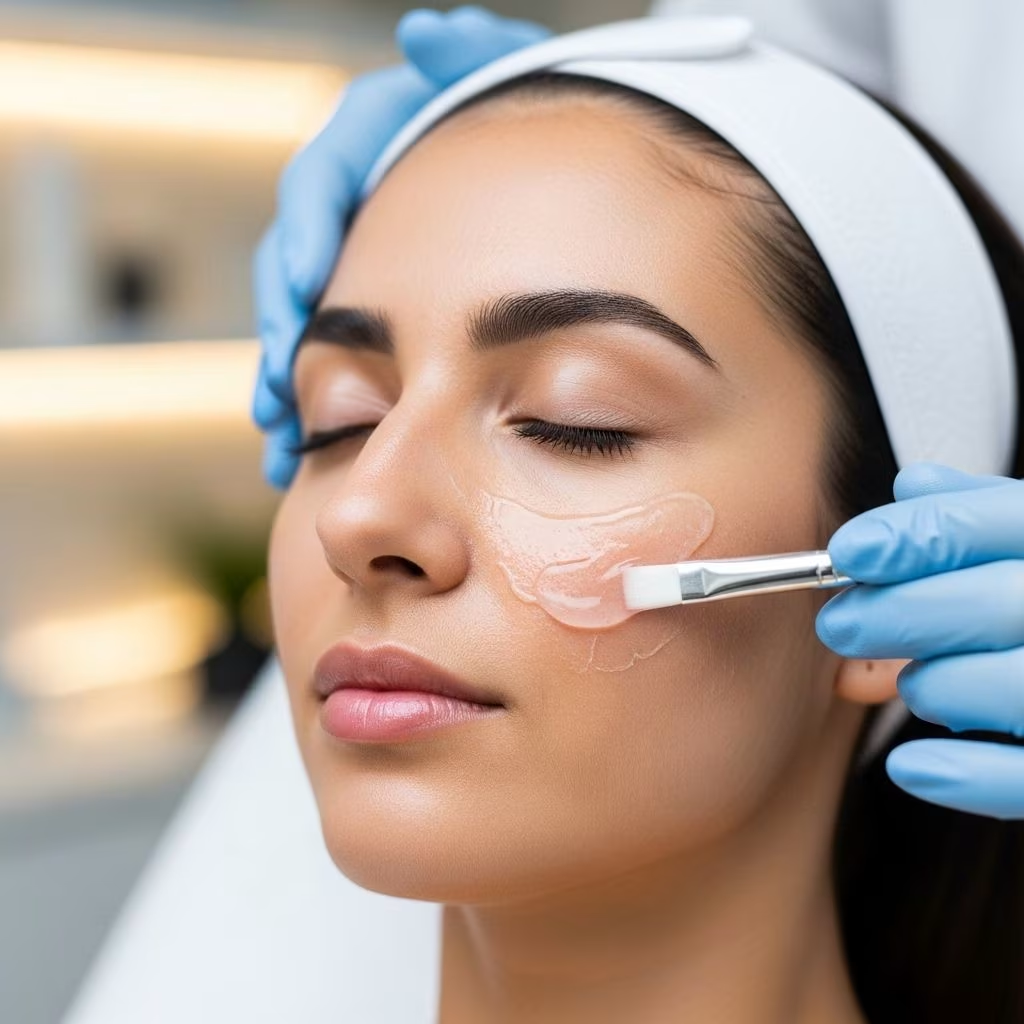
Introduction to Chemical Peels
Chemical peels are a popular cosmetic treatment for addressing various skin concerns, including acne. These procedures involve applying a chemical solution to the skin, which causes the outer layer to exfoliate and eventually peel off, revealing smoother, clearer skin underneath. Whether you’re dealing with mild acne or more severe forms like cystic acne, chemical peels can be an effective solution.
Types of Chemical Peels for Acne
There are three primary types of chemical peels used for acne treatment: glycolic acid peels, salicylic acid peels, and trichloroacetic acid (TCA) peels. Each type targets different layers of the skin and offers distinct benefits.
Glycolic Acid Peels
Benefits: Glycolic acid is an alpha-hydroxy acid (AHA), known for its exfoliating properties, which help reduce the appearance of acne scars and improve skin texture. It encourages collagen production, brightens the complexion, and reduces wrinkles.
Application: Glycolic acid peels are available in concentrations ranging from 20% to 70%. They can be used for superficial to medium-depth peeling, depending on the concentration and exposure time. Due to their potential to increase skin sensitivity to the sun, post-peel sunscreen use is crucial.
Salicylic Acid Peels
Benefits: Salicylic acid is a beta-hydroxy acid (BHA) that penetrates deeply into pores, making it particularly effective for oily skin and blackheads. It has anti-inflammatory properties and does not increase sun sensitivity, making it a versatile choice for acne treatment.
Application: Concentrations range from 5% to 30%, and it is commonly used for superficial peels. Salicylic acid helps reduce inflammation and prevents clogged pores, making it ideal for treating acne and hyperpigmentation.
Trichloroacetic Acid (TCA) Peels
Benefits: TCA peels are medium-depth peels that target more severe acne and scars. They are effective for treating sun damage, fine lines, and hyperpigmentation. TCA peels require more downtime compared to glycolic and salicylic acid peels.
Application: Concentrations typically range from 35% to 50%. TCA peels are stronger than glycolic or salicylic acid peels and may require preparation of the skin before treatment.
How Chemical Peels Help Acne
Chemical peels address several underlying factors contributing to acne, including:
- Excess Oil Production: Some peels help regulate oil glands, reducing sebum production.
- Clogged Pores: Chemical peels exfoliate the skin, removing dead cells and debris that clog pores.
- Inflammation and Bacteria: Certain acids, like salicylic and glycolic, have antibacterial properties, reducing inflammation and bacterial growth.
- Post-Inflammatory Hyperpigmentation (PIH): Peels can lighten PIH and improve mild acne scars.
Preparing for a Chemical Peel
Before undergoing a chemical peel, it’s important to prepare your skin to ensure optimal results and minimize potential side effects.
- Stop Using Certain Products: Avoid using products containing retinoids, benzoyl peroxide, or glycolic acid for a few days before the peel.
- Protect Your Skin from the Sun: Use sunscreen daily, especially after the peel, as your skin may be more sensitive.
- Follow Pre-Peel Instructions: Your dermatologist may provide specific pre-peel instructions based on your skin type and the type of peel.
Post-Peel Care and Recovery
Proper care after a chemical peel is crucial for reducing the risk of complications and ensuring smooth recovery.
- Use Gentle Cleansers and Moisturizers: Avoid exfoliating products and harsh soaps.
- Maintain Hydration: Drink plenty of water to keep your skin hydrated from the inside out.
- Avoid Direct Sun Exposure: Use a broad-spectrum sunscreen with at least SPF 30 daily.
Common Concerns and FAQs
Q: Are chemical peels painful?
A: While chemical peels may cause some discomfort or stinging during the procedure, they are generally well-tolerated. Your dermatologist may provide a topical anesthetic if needed.
Q: How long does it take for the skin to fully recover from a peel?
A: Recovery time varies depending on the depth of the peel. For superficial peels, recovery is usually within a few days, while deeper peels may take up to two weeks.
Q: Can I use chemical peels at home?
A: Yes, but with caution. Home peels are less potent than professional peels, and it’s important to follow instructions carefully to avoid irritation or complications.
Conclusion
Chemical peels, particularly those using glycolic, salicylic, and TCA acids, offer a potent solution for acne-prone skin. By understanding the benefits, preparation steps, and post-treatment care, you can maximize the effectiveness of these treatments and enjoy clearer, healthier skin.
References
- https://trilliumclinic.com/clear-skin-with-chemical-peels-for-acne/
- https://pmc.ncbi.nlm.nih.gov/articles/PMC6053170/
- https://www.healthline.com/health/beauty-skin-care/chemical-peels-at-home
- https://my.clevelandclinic.org/health/treatments/11010-chemical-peels
- https://pmc.ncbi.nlm.nih.gov/articles/PMC6122508/
- https://www.shanidarden.com/blogs/shanis-skin-care-tips/chemical-peel-for-acne-a-guide
- https://hudgensmd.com/chemical-peel-post-care-treatment-instructions/
- https://cosmediclasermd.com/how-to-treat-breakouts-after-chemical-peel/


