


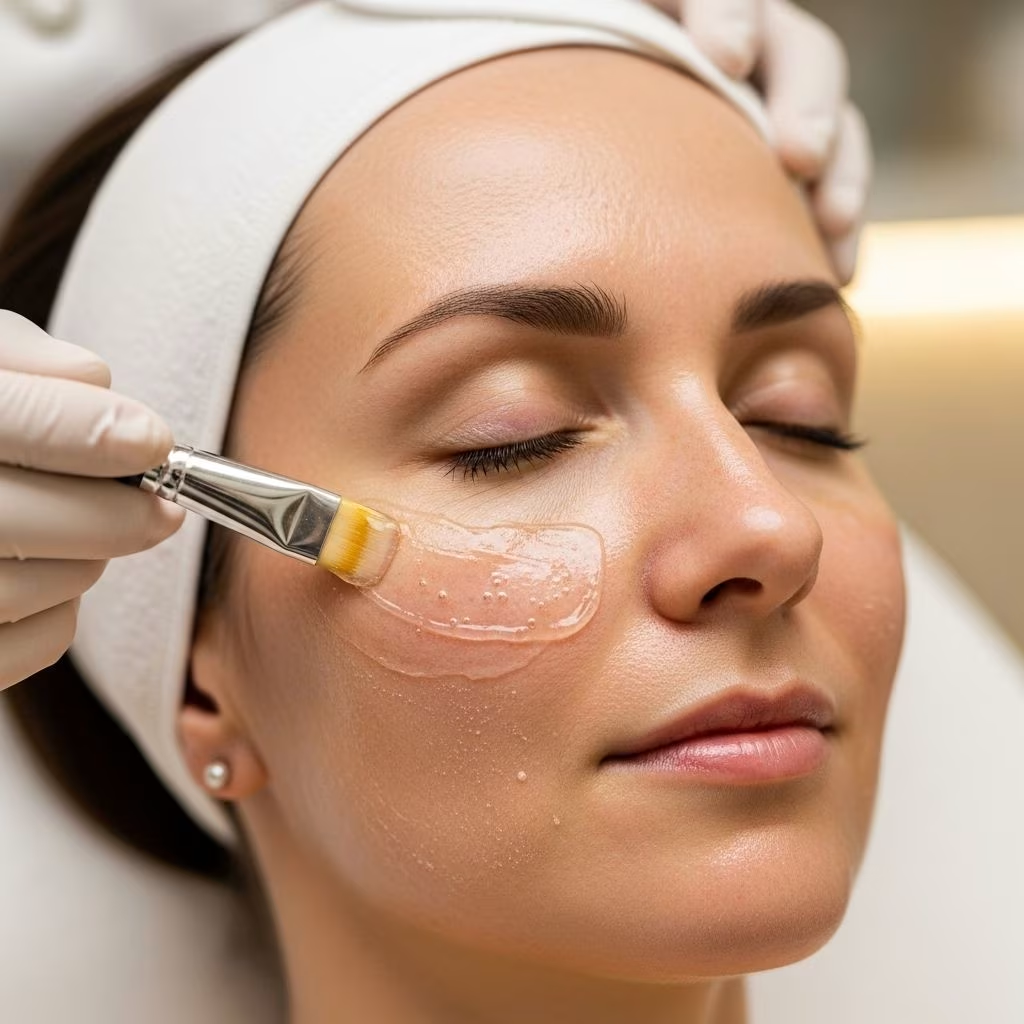
Sun damage and sunspots are common cosmetic concerns resulting from prolonged exposure to ultraviolet (UV) radiation. Over time, UV rays can trigger cellular changes that manifest as hyperpigmentation, uneven skin tone, rough texture, and accelerated aging. Chemical peels, a cornerstone of dermatological rejuvenation, offer a scientifically backed solution for these concerns by promoting skin renewal and restoring clarity. This comprehensive guide delves into the types, mechanisms, benefits, risks, and considerations of chemical peels for sun-damaged skin and sunspots, helping you understand how this procedure can elevate your skin health and confidence.
Introduction
Chronic sun exposure not only accelerates skin aging but also leads to issues such as solar lentigines (sunspots), blotchy pigmentation, fine lines, and uneven texture. While topical creams and sun protection are essential, chemical peels offer a targeted, professional solution by actively exfoliating damaged layers and stimulating healthy skin regeneration. This approach is favored by dermatologists and medical aestheticians for its efficacy and versatility in improving skin quality and addressing both cosmetic and pre-cancerous skin concerns.
What Are Chemical Peels?
Chemical peels are skin-resurfacing procedures that utilize carefully formulated chemical solutions to exfoliate varying depths of the skin. The process encourages cell turnover and repair, revealing fresher, more even-toned skin while fading sunspots and softening signs of UV-induced damage.
- Performed by licensed professionals in dermatology clinics or medical aesthetic practices.
- Solutions are tailored to individual skin types and degrees of sun damage, maximizing safety and effectiveness.
- Widely used to address hyperpigmentation, sunspots, photoaging, acne scars, rough texture, and fine wrinkles.
How Do Chemical Peels Work?
Sunspots and areas of discoloration occur due to localized increases in melanin production in response to UV exposure. Chemical peels act by:
- Applying a chemical solution to the skin, triggering controlled exfoliation of the top layers.
- Removing damaged, pigmented cells and stimulating regeneration of new, healthy skin cells.
- Promoting collagen synthesis and enhancing cell turnover, resulting in smoother, more radiant skin.
The depth of exfoliation—and thus, the extent of improvement—depends on the type and concentration of the peel used.
Types of Chemical Peels for Sun Damage and Sunspots
Chemical peels are classified by their depth of penetration and the specific active ingredients used. The three main categories are:
Superficial Peels
- Alpha-Hydroxy Acids (AHAs) (e.g., glycolic, lactic, mandelic acids): Target the outermost layer of skin (epidermis).
- Best suited for mild sun damage, fine lines, dullness, and slight pigmentation.
- Minimal downtime; often termed “lunchtime peels.” Recovery within hours.
Medium Peels
- Trichloroacetic Acid (TCA) and Jessner’s Solution: Penetrate the epidermis and upper dermis.
- Effective for moderate sun damage, sunspots, superficial wrinkles, and pigment irregularities.
- Downtime of 5–7 days, with temporary redness, peeling, and swelling.
Deep Peels
- Phenol and Croton Oil peels: Reach deeper layers, producing dramatic improvement.
- Reserved for severe sun damage, deep wrinkles, and highly pigmented spots.
- Longer recovery (up to two weeks); significant results but higher risk profile.
Specialist Peels for Sunspots
- Retinoic Acid Peels: Advanced vitamin A derivatives, either standalone or laser-assisted, help reduce pigmentation and signs of aging.
- Jessner’s and TCA peels can be customized or combined with lasers for layered treatment.
Summary Table: Chemical Peel Types and Indications
| Peel Type | Active Ingredients | Penetration | Indications | Downtime |
|---|---|---|---|---|
| Superficial | Glycolic, Lactic, Mandelic Acid (AHAs), Retinoic Acid | Outer Epidermis | Mild sun damage, light sunspots, uneven tone | None–Few hours |
| Medium | TCA, Jessner’s Solution | Epidermis & Upper Dermis | Moderate sunspots, photodamage, fine wrinkles | 5–7 days |
| Deep | Phenol, Croton Oil | Deep Dermis | Severe sun damage, deep spots, pronounced wrinkles | 10–14 days |
The Chemical Peel Treatment Process
Understanding the procedural steps helps demystify the chemical peel experience and highlights safety considerations:
- Consultation: The practitioner assesses your skin type, degree of sun damage, and medical history to recommend the suitable peel.
- Preparation: Skin is cleansed and, for deeper peels, may undergo priming with topical agents (e.g., retinoids) for 2–4 weeks prior.
- Application: Chemical solution is applied using a brush or gauze, targeting the affected areas. A transient tingling or warmth is common and indicates activity.
- Duration: Varies by peel type: superficial (15–20 minutes), medium (20–30 minutes), deep (up to an hour).
- Neutralization & Aftercare: The solution is removed or neutralized. Soothing moisturizer and sunscreen are applied, and detailed aftercare is provided to optimize results and minimize risk.
Results may become visible within days as old skin sheds and new tissue emerges, with full improvements apparent after complete healing.
Benefits and Results
- Reduction of Sunspots: Removes hyperpigmented cells for clearer, brighter skin.
- Improvement in Texture: Smoothes rough, uneven surfaces and softens fine lines induced by sun exposure.
- Uniform Skin Tone: Fades blotchiness, promoting even pigmentation and radiance.
- Stimulation of Collagen: Encourages dermal collagen production, supporting youthful elasticity.
- Prevention of Recurrence: Superficial peels can help prevent new sunspots by regular exfoliation.
Clinical studies confirm the effectiveness of peels for photoaging, with successive treatments yielding cumulative improvements.
Risks, Side Effects, and Safety Considerations
Chemical peels are generally safe when administered by trained professionals. However, potential side effects and complications can include:
- Redness, swelling, transient tingling, or burning sensation during and after treatment
- Flaking and peeling of treated skin
- Sensitivity to sunlight—critical to use broad-spectrum sunscreen post-treatment
- In rare cases: infection, scarring, persistent discoloration, or allergic reactions
Proper pre-peel assessment and strict adherence to aftercare instructions dramatically reduce these risks.
Chemical Peels vs. Other Sun Damage Treatments
| Treatment | Mechanism | Effectiveness | Downtime | Cost |
|---|---|---|---|---|
| Chemical Peels | Exfoliates damaged skin cells, stimulates renewal | Excellent for sunspots, pigmentation, fine wrinkles | 1 hour to 2 weeks (depends on depth) | Varies ($100–$2,000+) |
| Laser Resurfacing | Uses focused light energy to vaporize skin layers | Comparable or faster recovery for some lasers | Days to a week | $1,000+ |
| Topical Creams (e.g., Retinoids) | Gradual exfoliation, pigment inhibition | Good for mild pigmentation, not rapid sunspot removal | No downtime | $20–$200/month |
| Photodynamic Therapy | Light-activated agents target abnormal cells | Treats pre-cancerous lesions, some pigment | Days | $500–$1,500+ |
Medium to deep peels can match or exceed the efficacy of prescription creams and some energy-based modalities, with the added benefit of addressing both cosmetic and pre-cancerous concerns in a single session.
Who Should Consider Chemical Peels?
Chemical peels may be ideal if you:
- Struggle with sunspots, blotchy pigmentation, or uneven skin texture
- Notice fine lines or roughness due to UV exposure
- Desire quick, visible improvement in skin clarity and radiance
- Seek treatment for superficial precancerous lesions (e.g., solar keratosis)
- Are medically cleared for cosmetic procedures (no active infection, healthy healing response)
Contraindications include active skin infection, uncontrolled medical conditions, recent isotretinoin use, or history of abnormal scarring.
Aftercare and Maintenance
Optimal results and rapid recovery depend on strict adherence to post-peel care:
- Protect treated skin from sun with SPF 30+ and avoid direct UV exposure for several weeks.
- Use gentle, hydrating cleansers and moisturizers; avoid exfoliants or retinoids until cleared by your provider.
- If prescribed, apply topical antibiotics or anti-inflammatory ointments.
- Expect visible peeling and redness; do not pick or scrub flaking skin.
- Depending on peel depth, schedule maintenance peels or combine with topical treatments as recommended.
Most patients enjoy clearer, smoother skin after a single session, with cumulative improvement after repeated treatments. Maintenance and lifestyle changes (sun protection, antioxidant serums) help prolong results.
Frequently Asked Questions (FAQs)
Q: Are chemical peels safe for all skin types?
A: Chemical peels can be customized for many skin types, but those with darker skin tones require specialized formulations and professional supervision to minimize post-inflammatory hyperpigmentation risk.
Q: How many sessions are needed to treat sunspots effectively?
A: Results are often seen after a single medium or deep peel, while superficial peels may require a series of 3–6 treatments for optimal improvement. Your provider can recommend a personalized plan.
Q: What is the downtime after a chemical peel?
A: Recovery varies by peel type—superficial peels have minimal downtime, medium peels require 5–7 days, and deep peels may involve up to two weeks of peeling and redness.
Q: Can chemical peels prevent future sunspots?
A: Regular superficial peels can help prevent new sunspots by maintaining cell turnover, but daily sun protection remains essential.
Q: Is there a risk of scarring or permanent changes?
A: When performed correctly by trained professionals, permanent complications are rare. Following pre- and post-treatment protocols minimizes risks substantially.
Conclusion
Chemical peels provide a powerful, evidence-backed method for reversing sun damage and fading sunspots. By selecting the appropriate peel type, adhering to safety protocols, and maintaining post-treatment care, patients can achieve significant cosmetic and dermatological benefits. Consulting with a board-certified dermatologist or experienced aesthetic specialist ensures individual risks are managed and optimal results are delivered, helping restore your skin’s clarity and vitality.
References
- https://www.skinbylovely.com/blog/how-chemical-peels-are-used-to-treat-sun-damaged-skin/
- https://drdavinlim.com/chemical-peels-for-sunspots/
- https://ellamedaesthetics.com/chemical-peels-for-sun-damage-relief/
- https://www.asds.net/skin-experts/skin-treatments/chemical-peels/chemical-peels-for-sun-damaged-skin
- https://my.clevelandclinic.org/health/treatments/11010-chemical-peels
- https://pmc.ncbi.nlm.nih.gov/articles/PMC2921757/
- https://www.mayoclinic.org/tests-procedures/chemical-peel/about/pac-20393473
- https://www.denverfacialplastics.com/blog/chemical-peels-for-brown-spots/
- https://laviemd.us/laser-skin-resurfacing-vs-chemical-peels-which-one-is-better-for-you/


