


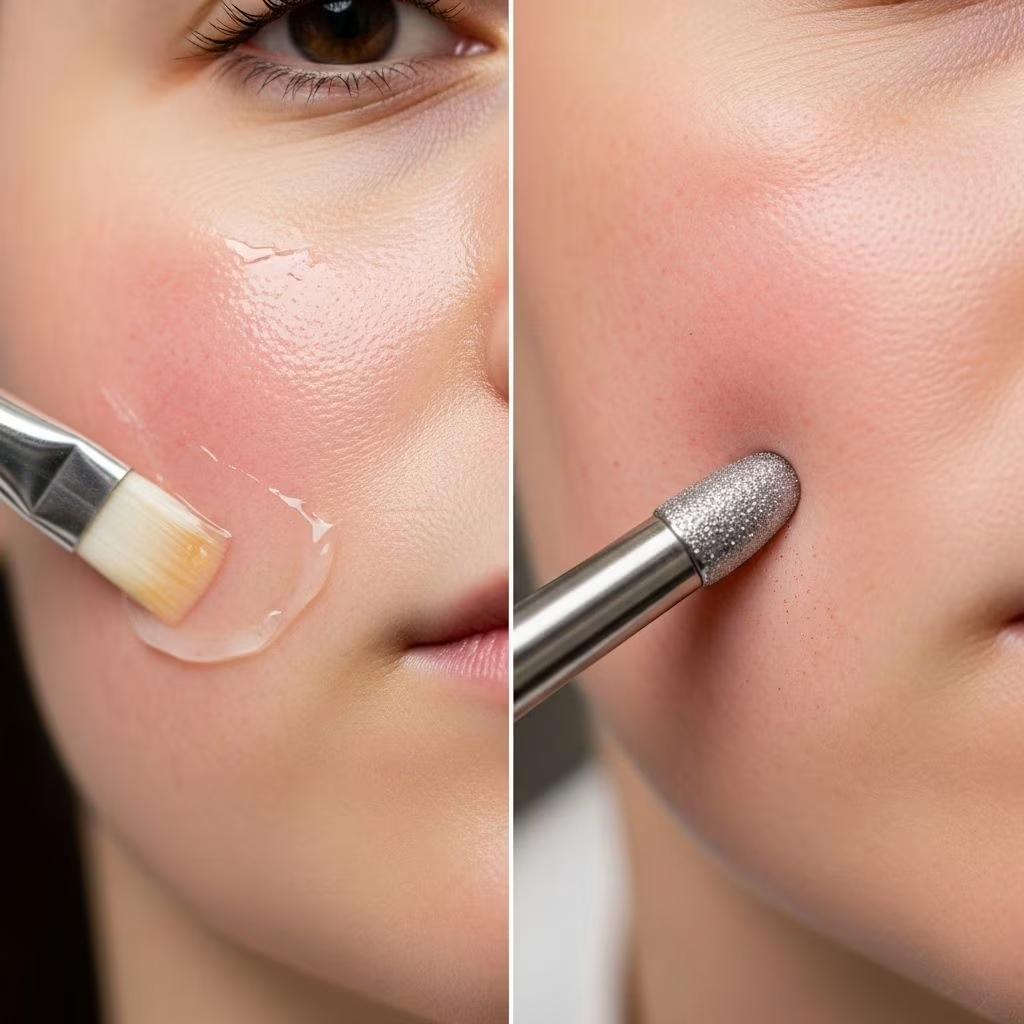
When it comes to addressing superficial vascularity and improving skin texture, two prominent treatments dominate the skincare landscape: chemical peels and microdermabrasion. Both procedures offer unique approaches to skin resurfacing, but their effectiveness varies significantly when dealing with vascular concerns and superficial skin imperfections.
Superficial vascularity refers to the visibility of small blood vessels, capillaries, and vascular networks near the skin’s surface. This condition can manifest as spider veins, broken capillaries, rosacea-related redness, or general facial flushing. Understanding how different treatment modalities interact with these delicate vascular structures is crucial for achieving optimal results while maintaining skin health.
Understanding Superficial Vascularity
Superficial vascularity encompasses various vascular manifestations that appear close to the skin’s surface. These include telangiectasias (spider veins), dilated capillaries, and diffuse redness associated with conditions like rosacea or chronic sun damage. The delicate nature of these vascular structures requires careful consideration when selecting appropriate treatment modalities.
Types of Superficial Vascular Concerns
Telangiectasias are small, dilated blood vessels that appear as thin red or purple lines on the skin surface. These are commonly found on the face, particularly around the nose, cheeks, and chin area. They result from various factors including sun exposure, genetics, hormonal changes, and certain medical conditions.
Facial erythema presents as persistent redness or flushing, often associated with rosacea or sensitive skin conditions. This type of vascularity involves multiple capillary networks and requires gentle treatment approaches to avoid exacerbating the condition.
Broken capillaries appear as small red spots or lines on the skin, typically resulting from trauma, aggressive skincare treatments, or environmental factors. These require careful assessment before treatment selection to prevent further vascular damage.
Factors Influencing Vascular Sensitivity
Several factors determine how superficial vascularity responds to different treatments. Skin type plays a crucial role, with fair-skinned individuals typically showing more pronounced vascular visibility. Age-related changes affect vessel wall integrity, making older patients more susceptible to vascular damage during aggressive treatments.
Environmental factors such as sun exposure, temperature extremes, and wind can exacerbate superficial vascularity. Pre-existing conditions like rosacea, eczema, or seborrheic dermatitis create additional considerations for treatment selection and protocol modification.
Chemical Peels: Comprehensive Overview
Chemical peels utilize acid-based solutions to create controlled exfoliation of the skin’s surface layers. This process promotes cellular turnover, improves skin texture, and can address various superficial skin concerns. However, their interaction with superficial vascularity requires careful consideration and proper patient selection.
Types of Chemical Peels for Vascular Concerns
Superficial peels represent the mildest category of chemical exfoliation. These treatments use low concentrations of acids such as glycolic acid, lactic acid, or salicylic acid to remove only the outermost layer of dead skin cells. For patients with superficial vascularity, these peels offer the safest option as they minimize the risk of vascular irritation while still providing skin texture improvements.
Medium-depth peels penetrate deeper into the skin layers, using trichloroacetic acid (TCA) or higher concentrations of alpha hydroxy acids. While more effective for addressing pigmentation and deeper skin concerns, these peels pose increased risks for patients with superficial vascularity, potentially causing inflammation and temporary worsening of vascular visibility.
Deep peels are rarely recommended for patients with superficial vascularity due to their aggressive nature and high risk of complications. These treatments can cause significant inflammation and potentially permanent changes to vascular structures.
Mechanism of Action in Vascular Skin
Chemical peels work by breaking down the bonds between dead skin cells, promoting their removal and stimulating new cell growth. In patients with superficial vascularity, this process must be carefully controlled to avoid triggering inflammatory responses that could worsen vascular visibility.
The acid solutions used in chemical peels can temporarily increase skin sensitivity and blood flow to the treated area. This physiological response can make existing superficial vascularity more prominent during the healing phase, requiring proper patient counseling and post-treatment care protocols.
Benefits for Superficial Vascular Concerns
When properly selected and applied, chemical peels can improve the overall appearance of skin with superficial vascularity. The exfoliation process removes dulling surface cells, potentially making the skin appear more uniform and less prone to highlighting vascular patterns. Additionally, the stimulation of collagen production can help strengthen the skin structure around delicate vascular networks.
Superficial peels can also improve the efficacy of topical treatments used to manage vascular conditions, as the removal of surface barriers allows for better penetration of therapeutic ingredients.
Microdermabrasion: Detailed Analysis
Microdermabrasion employs physical exfoliation to remove dead skin cells and promote skin renewal. This mechanical approach uses either diamond-tipped wands or crystal-based systems combined with suction to achieve controlled skin resurfacing. For patients with superficial vascularity, understanding the mechanical forces involved is essential for safe treatment planning.
Microdermabrasion Techniques and Vascular Impact
Diamond-tip microdermabrasion uses a diamond-coated wand to gently abrade the skin surface while vacuum suction removes the exfoliated debris. This method offers more precise control over treatment intensity, making it potentially safer for patients with delicate vascular structures.
Crystal microdermabrasion employs fine crystals (typically aluminum oxide) that are sprayed onto the skin surface and then vacuumed away along with dead skin cells. While effective for general skin resurfacing, this technique may pose higher risks for patients with superficial vascularity due to the more aggressive crystal bombardment.
Vascular Considerations in Microdermabrasion
The suction component of microdermabrasion treatments requires particular attention when treating patients with superficial vascularity. Excessive suction pressure can potentially damage delicate capillaries or worsen existing telangiectasias. Proper technique involves using minimal suction pressure and avoiding prolonged contact over visible vascular areas.
The physical nature of microdermabrasion means that immediate post-treatment erythema is normal, but practitioners must distinguish between normal treatment response and excessive vascular reaction. Patients with pre-existing rosacea or highly visible superficial vascularity may experience more pronounced and longer-lasting redness following treatment.
Benefits for Vascular-Prone Skin
Despite the considerations required, microdermabrasion offers several advantages for patients with superficial vascularity. The treatment provides immediate skin texture improvement without the chemical irritation potential of acid-based peels. The mechanical exfoliation can improve skin tone uniformity, potentially making vascular patterns less noticeable.
The collagen stimulation effects of microdermabrasion can help strengthen the skin’s supportive structure around delicate vascular networks over time. This may contribute to improved overall skin appearance and potentially reduced visibility of superficial vascularity with regular treatments.
Comparative Analysis: Chemical Peels vs. Microdermabrasion
When comparing chemical peels and microdermabrasion for patients with superficial vascularity, several key factors must be evaluated to determine the most appropriate treatment approach.
| Aspect | Chemical Peels | Microdermabrasion |
|---|---|---|
| Mechanism | Chemical exfoliation via acid solutions | Physical exfoliation via abrasion and suction |
| Vascular Risk | Potential chemical irritation and inflammation | Risk of mechanical damage to capillaries |
| Downtime | Variable (2-14 days depending on depth) | Minimal to none |
| Customization | Highly customizable with different acid types and concentrations | Limited customization, mainly pressure and duration adjustments |
| Cost per Session | Moderate to high depending on peel type | Generally lower cost per session |
| Treatment Frequency | Every 4-6 weeks for superficial peels | Every 2-4 weeks |
| Long-term Results | More dramatic improvements possible | Gradual, subtle improvements |
Effectiveness Comparison
Chemical peels generally offer more dramatic results for overall skin texture and tone improvement, but this comes with increased risks for patients with superficial vascularity. The ability to customize acid types and concentrations allows for more targeted treatment approaches, but requires expertise in patient selection and treatment modification.
Microdermabrasion provides more predictable, subtle results with lower risk profiles for vascular-prone skin. While the improvements may be less dramatic per session, the cumulative effects of regular treatments can achieve significant skin texture enhancement without the inflammation risks associated with chemical peels.
Safety Profile Analysis
For patients with superficial vascularity, safety considerations often outweigh potential dramatic results. Chemical peels carry higher risks of triggering inflammatory responses that could worsen vascular visibility, particularly in patients with rosacea or sensitive skin conditions.
Microdermabrasion, when performed with appropriate pressure settings and technique modifications, generally presents a safer option for vascular-prone skin. The immediate visual feedback during treatment allows for real-time adjustment of parameters to minimize vascular stress.
Safety Considerations for Superficial Vascularity
Treating patients with superficial vascularity requires specialized knowledge and modified protocols to ensure optimal outcomes while minimizing risks of vascular complications.
Pre-treatment Assessment Protocol
Comprehensive skin analysis should include detailed vascular mapping to identify areas of particular concern. Assessment of vessel size, location, and associated skin conditions helps determine treatment suitability and necessary protocol modifications.
Medical history review must include current medications, particularly those affecting vascular function or skin sensitivity. Blood thinners, topical retinoids, and certain cardiovascular medications can increase treatment risks and may require temporary discontinuation or dose adjustments.
Treatment Modifications for Vascular Safety
Both chemical peels and microdermabrasion protocols require specific modifications when treating superficial vascularity. For chemical peels, this includes using lower acid concentrations, shorter application times, and more frequent neutralization monitoring. Test patches on inconspicuous areas should always precede full treatment.
Microdermabrasion modifications focus on reduced suction pressure, lighter crystal flow rates, and avoiding multiple passes over visible vascular areas. Treatment timing may need adjustment, with longer intervals between sessions to allow complete vascular recovery.
Post-treatment Vascular Care
Post-treatment protocols for vascular-prone skin emphasize anti-inflammatory care and vascular protection. This includes the use of cooling compresses, gentle anti-inflammatory topicals, and strict sun protection to prevent vascular flare-ups.
Monitoring protocols should include regular follow-up assessments to evaluate vascular response and adjust future treatment parameters as needed. Patients should be educated on signs of concerning vascular changes requiring immediate professional evaluation.
Treatment Recommendations by Skin Type
Treatment selection for superficial vascularity should be individualized based on specific skin characteristics, vascular patterns, and patient goals.
Recommendations for Mild Superficial Vascularity
Patients with minimal vascular visibility and no active inflammatory conditions may be suitable candidates for either treatment modality. In these cases, the choice often depends on patient preference for chemical versus physical exfoliation and desired treatment frequency.
Superficial chemical peels using gentle acids like lactic acid or low-concentration glycolic acid can provide effective results with minimal vascular risk. Microdermabrasion with reduced pressure settings offers an alternative with even lower risk profiles and more frequent treatment options.
Recommendations for Moderate Vascular Concerns
Patients with more prominent superficial vascularity, including visible telangiectasias or mild rosacea, require more cautious treatment approaches. Microdermabrasion with significant pressure reduction and extended treatment intervals often represents the safer initial choice.
If chemical peels are chosen, superficial peels with the gentlest acids and shortest application times should be used. Combination approaches, alternating between very gentle treatments, may provide optimal results while minimizing risks.
Recommendations for Sensitive Vascular Skin
Patients with active rosacea, extensive telangiectasias, or history of adverse reactions to facial treatments may not be suitable candidates for either standard chemical peels or microdermabrasion. In these cases, alternative treatments such as gentle enzyme peels or specialized vascular treatments may be more appropriate.
When any form of resurfacing is attempted in highly vascular-sensitive patients, extensive pre-treatment conditioning with anti-inflammatory protocols and very conservative treatment parameters are essential.
Cost Analysis and Treatment Frequency
Economic considerations play an important role in treatment selection, particularly given the ongoing nature of maintenance required for optimal results in vascular-prone skin.
Initial Treatment Investment
Chemical peels typically require higher per-session costs but may achieve desired results with fewer total treatments. The customization potential of chemical peels can provide more targeted results, potentially reducing the total number of sessions needed.
Microdermabrasion sessions generally cost less individually but require more frequent treatments to achieve comparable results. For patients with superficial vascularity, the gentler approach may actually prove more cost-effective due to reduced risk of complications and associated treatment costs.
Long-term Maintenance Costs
Both treatments require ongoing maintenance to sustain results, but the frequency and intensity may differ based on individual response and vascular sensitivity. Patients with superficial vascularity often require more conservative maintenance protocols, potentially affecting long-term cost calculations.
The reduced risk profile of modified microdermabrasion treatments may result in more predictable long-term costs, while chemical peels may require more variable spacing based on individual vascular responses.
Frequently Asked Questions
Q: Can chemical peels worsen superficial vascularity?
A: Yes, chemical peels can potentially worsen superficial vascularity if not properly selected and performed. Aggressive peels can cause inflammation that makes existing vascular patterns more visible or even damage delicate capillaries. However, when appropriate superficial peels are used with proper technique and patient selection, risks are minimized.
Q: Is microdermabrasion safe for rosacea patients?
A: Microdermabrasion requires extreme caution in rosacea patients and may not be appropriate for those with active inflammatory rosacea. The physical exfoliation and suction can potentially trigger rosacea flares. If considered, significantly modified protocols with minimal pressure and longer recovery periods are essential.
Q: How long should I wait between treatments if I have superficial vascularity?
A: Patients with superficial vascularity typically require longer intervals between treatments compared to those with normal vascular patterns. For microdermabrasion, 4-6 weeks between sessions is often recommended instead of the standard 2-4 weeks. Chemical peels may require 6-8 week intervals to ensure complete vascular recovery.
Q: Which treatment shows faster results for skin texture improvement?
A: Chemical peels generally provide more immediate and dramatic texture improvements, often visible within a week of treatment. Microdermabrasion provides subtler improvements that build gradually over multiple sessions. For patients with superficial vascularity, the gentler microdermabrasion approach may be preferable despite slower results.
Q: Can I combine both treatments for better results?
A: While combining treatments can enhance results in appropriate candidates, patients with superficial vascularity require careful evaluation before considering combination approaches. When both treatments are used, they should be spaced at least 2-3 weeks apart, and extremely conservative parameters should be used for both procedures.
Q: What are the warning signs of vascular complications after treatment?
A: Warning signs include persistent redness lasting more than 48-72 hours, development of new visible vessels, increased sensitivity to temperature changes, burning sensations, or any unusual skin reactions. Patients should contact their provider immediately if these symptoms occur, as prompt intervention can prevent permanent vascular damage.
References
- https://smoothsynergy.com/microdermabrasion-versus-chemical-peel
- https://www.believeaesthetics.com/ipl-vs-microdermabrasion-vs-chemical-peels/
- https://davisdermatology.net/skin-treatments-microdermabrasion-vs-chemical-peels/
- https://www.cosmeticlasercenters.com/2025/08/20/chemical-peels-vs-microdermabrasion-which-is-right-for-your-skin/
- https://drjackpeterson.com/blog/chemical-peels-vs-microdermabrasion-which-is-right-for-you/
- https://columbiaskinclinic.com/skin-care/chemical-peel-and-microdermabrasion/
- https://www.skinmds.com/blog/microdermabrasion-vs-chemical-peels-which-is-right-for-you/
- https://www.aesthetispa.com/blog/microdermabrasion-vs-chemical-peel-which-is-right-for-you/
- https://www.primeaesthetica.com/blog/microdermabrasion-vs-chemical.html


