


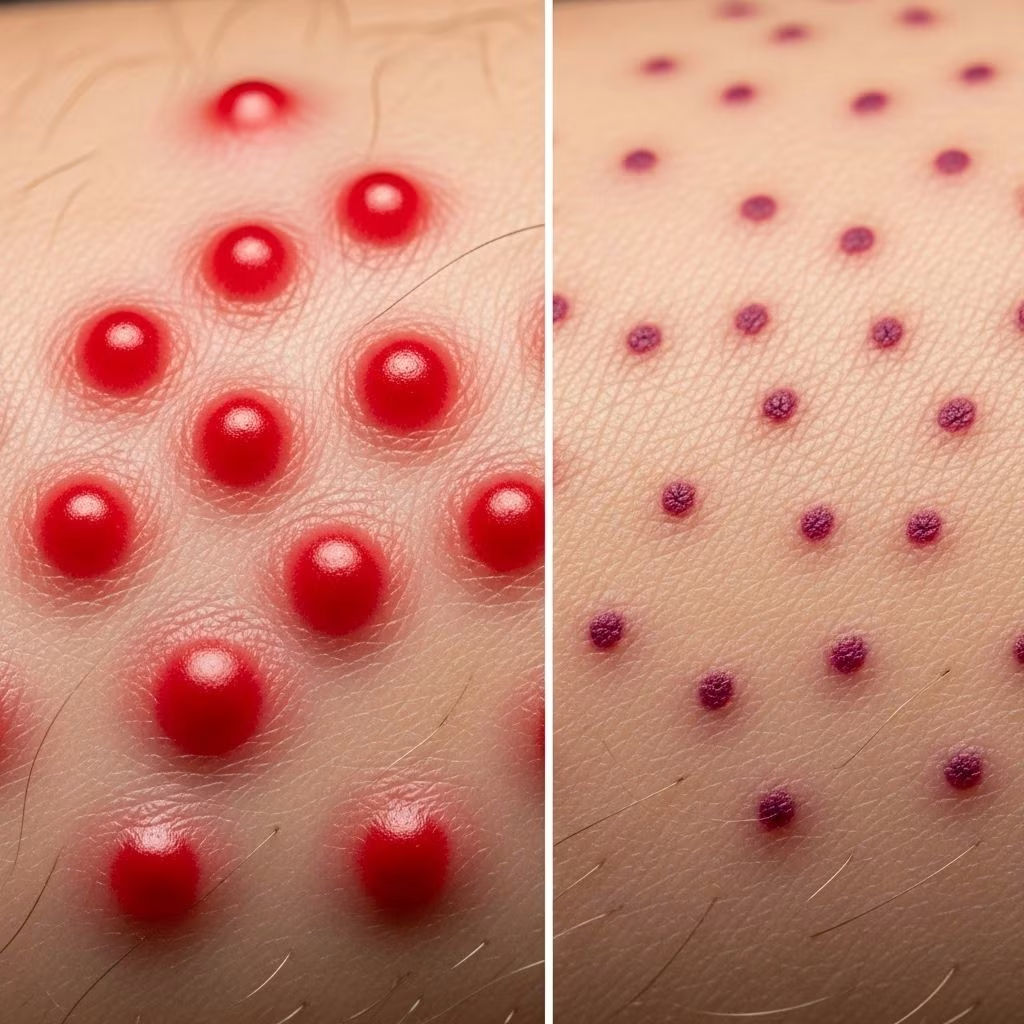
Introduction to Cherry Angiomas and Petechiae
Cherry angiomas and petechiae are two common skin conditions that are often confused with each other due to their similar appearance. However, they have distinct differences in terms of their causes, symptoms, and implications for health. Cherry angiomas are benign skin growths composed of blood vessels, often appearing as bright red spots on the skin. On the other hand, petechiae are small, pinpoint spots resulting from bleeding under the skin. Understanding these differences is crucial for accurate diagnosis and appropriate treatment.
What are Cherry Angiomas?
Cherry angiomas, also known as “ruby spots” or “senile angiomas,” are small, benign tumors formed by clumps of capillaries. They typically appear as bright red or purplish papules on the skin. These growths are most commonly found on the torso but can occur anywhere on the body. While the exact cause of cherry angiomas is unclear, factors such as advancing age, genetics, pregnancy, and certain medical conditions may influence their development.
Key Features of Cherry Angiomas
- Color: Typically bright red, but can darken over time.
- Size: Ranges from pinpoint-sized to around a quarter inch.
- Shape: Usually round or oval.
- Location: Common on the torso but can appear anywhere on the body.
- Cause: Exact cause is unclear, but factors like age, genetics, and some medical conditions may play a role.
What are Petechiae?
Petechiae are small, colored spots on the skin caused by minor bleeding (hemorrhaging) from capillaries under the skin. They can appear as red, purple, or brown spots and are most commonly seen on the arms, legs, stomach, and sometimes around the eyelids or in the mouth. Petechiae are often associated with conditions such as infections, low platelet counts, medications like blood thinners, and certain hematological disorders.
Key Features of Petechiae
- Color: Red, purple, or brown.
- Size: Usually less than 3 mm in diameter.
- Shape: Round.
- Location: Can appear anywhere on the body.
- Cause: Caused by bleeding under the skin due to various factors such as injury, infection, or medical conditions.
Differentiating Cherry Angiomas and Petechiae
The differentiation between cherry angiomas and petechiae is crucial for diagnosis and understanding their implications on health. The following points highlight the main differences:
Texture and Appearance
Cherry angiomas are slightly raised, while petechiae are flat. This difference in texture can help in distinguishing them.
Duration and Persistence
Cherry angiomas are permanent unless removed, whereas petechiae can fade within 3-4 days if the underlying cause is addressed.
Blanching Test
Cherry angiomas may partially blanch when pressed, though they are highly vascular and may not blanch significantly. Petechiae do not blanch because the blood has leaked into the skin.
Associated Symptoms
Cherry angiomas are typically asymptomatic, while petechiae can be associated with other symptoms depending on the underlying cause, such as fever if related to an infection.
Causes and Implications
Cherry angiomas are benign growths generally not linked to serious health risks, whereas petechiae can signal an underlying condition that needs medical attention.
Treatment and Management
Treatment for these conditions varies based on their nature and causes:
Cherry Angioma Treatment
Cherry angiomas are usually left alone unless they cause discomfort or aesthetic concerns. They can be removed through techniques like laser therapy or surgical excision.
Petechiae Treatment
Treatment for petechiae focuses on addressing the underlying cause, whether it be a medical condition, medication, or other factors. This might involve changing medications, treating infections, or managing platelet disorders.
When to Consult a Dermatologist
It is important to consult a dermatologist if you notice:
- Rapid Appearance: If numerous spots appear suddenly.
- Associated Symptoms: Fever, unexplained bruising, or other unusual symptoms alongside skin spots.
- Concern about Appearance: For aesthetic concerns or potential other skin conditions.
- Uncertainty: If you’re unsure about any skin change, it’s wise to seek professional advice.
Frequently Asked Questions (FAQs)
Q: Are Cherry Angiomas a Sign of an Underlying Health Condition?
A: Generally, cherry angiomas are benign and not associated with serious health conditions. However, a rapid increase in number could be related to underlying factors and should be evaluated.
Q: How Do I Know if I Have Petechiae or Cherry Angioma?
A: Look for differences in texture (raised vs. flat), color change under pressure (blanching), and persistence of the spots. Consult a dermatologist for a definitive diagnosis.
Q: Can Petechiae Indicate a Serious Health Issue?
A: Yes, petechiae can signal an underlying health condition, such as a low platelet count or infection. It is important to investigate the cause.
Summary
In conclusion, while cherry angiomas and petechiae are both vascular skin conditions, they have distinct differences in appearance, causes, and health implications. Understanding these differences is crucial for accurate diagnosis and appropriate management.
References
- https://www.dralpana.com/post/cherry-angioma-vs-petechiae
- https://ayanaderm.com/cherry-angioma-vs-petechiae/
- https://medisearch.io/blog/cherry-angioma-versus-petechiae
- https://resources.healthgrades.com/right-care/skin-hair-and-nails/cherry-angioma
- https://hmgsderm.com/cherry-angiomas-vs-other-red-skin-growths-accurate-diagnosis-in-marlton/
- https://www.patientpower.info/navigating-cancer/leukemia-red-spots
- https://www.goodrx.com/health-topic/hematology/petechiae
- https://www.bannerhealth.com/healthcareblog/better-me/that-skin-condition-that-looks-like-a-rash-could-be-petechiae
- https://onlinedoctor.superdrug.com/petechiae.html


