


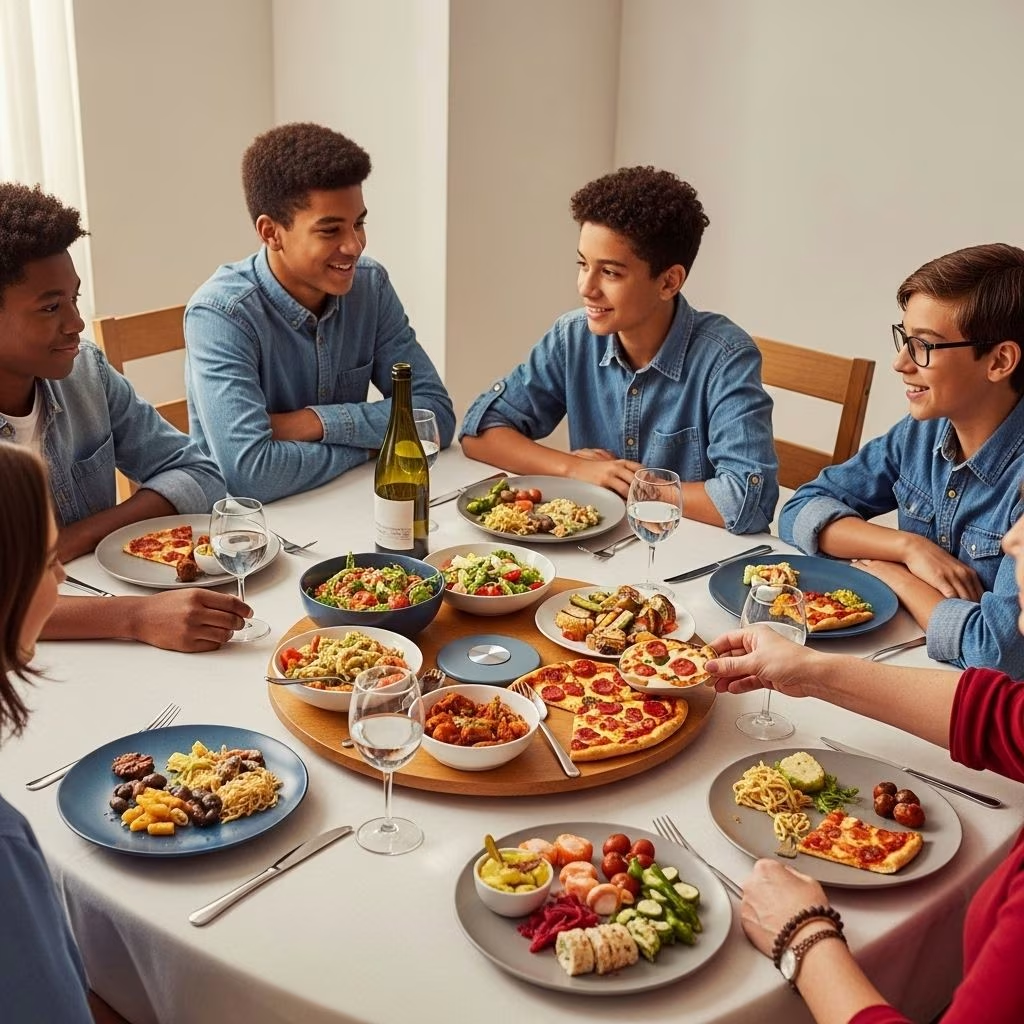
Engaging teenagers in planning and preparing family dinners is more than a strategy for easing a parent’s burden—it’s a vital tool for building stronger relationships, empowering young adults, and creating positive associations with food and home. This comprehensive guide delves into the practical dynamics, benefits, and best practices of collaborative dinner choice rotation with teens, equipping families to succeed at the dinner table and beyond.
Introduction: Why Collaborative Dinner Planning Matters
The modern family lives at a breakneck speed, with packed schedules, extracurricular commitments, and digital distractions. While dinner together may seem like a small thing, research shows it can be one of the most influential family rituals, especially during the teenage years. Collaborative dinner choice rotation is a practical strategy that shares responsibility across the household and supports teens in developing autonomy, nutritional awareness, and communication skills—all while relieving parental stress .
Core Concepts of Collaborative Dinner Choice Rotation
Collaborative dinner choice rotation means each family member, including teens, takes turns choosing (and sometimes preparing) what the family will have for dinner on a given night. This approach can be adapted for any family size or dietary need and is ideal for engaging teens seeking greater independence .
Key features of a successful rotation system include:
- Rotation: Assigning each person specific nights or allowing weekly selection turns
- Democratic Decision-Making: Each voice is equal at the menu planning table
- Skill Development: Teens help with more than just choosing—they can shop, prep, and cook under guidance
- Flexibility: Systems can (and should) adapt to changing schedules and preferences
Key Benefits of Teen Involvement in Dinner Planning
Involving teens in choosing and preparing dinner creates a powerful ripple effect:
- Strengthens family bonds: Shared planning and cooking foster connection and teamwork
- Reduces mealtime conflict: Teens are more likely to eat what they’ve helped choose or cook
- Builds life skills: Meal planning, grocery shopping, and basic cooking are essential for future independence
- Teaches respect and empathy: Teens learn to consider the tastes, allergies, and preferences of others
- Improves nutritional literacy: Conversations about balanced meals occur naturally during planning
- Reduces parental stress: The “what’s for dinner?” burden is shared, not shouldered alone
Getting Started: Setting Up a Dinner Choice Rotation
Launching a collaborative dinner choice system is simple, but setting clear expectations and routines is key. Here’s a step-by-step approach:
- Hold a Family Meeting: Discuss why you want to rotate dinner choices and what everyone hopes to gain. Explain that this is a chance for teens to practice independence and creativity .
- Create a Dinner Calendar: Use a whiteboard, chalkboard, or shared digital calendar so everyone can see the plan for the week .
- Set Ground Rules:
- Each meal should contain a vegetable or consider family allergies/preferences
- Each pick should aim for variety (no repeats in the same week, try a new recipe monthly)
- The chooser helps with meal prep, from shopping list to plating (with appropriate supervision)
- Make It Routine: Schedule meal planning at the same time each week, such as Sunday evenings .
- Celebrate Success: Thank each participant for their contributions and enjoy the meal together
Best Practices for Successful Collaboration
- Empower Teens: Allow them full control on their assigned night—within general family guidelines .
- Share Responsibility: If teens cook, parents can partner as sous-chefs, or siblings can help with side dishes .
- Prepare Together: Use kitchen time to chat about music, hobbies, or even difficult topics in a casual environment .
- Reflect and Adjust: End the week by discussing favorites, not-so-great experiments, and what could be tried next time .
Here’s a sample weekly rotation for a four-person family:
| Day | Teen 1 | Teen 2 | Parent 1 | Parent 2 |
|---|---|---|---|---|
| Monday | ✔ | |||
| Tuesday | ✔ | |||
| Wednesday | ✔ | |||
| Thursday | ✔ | |||
| Friday (Theme Night) | Everyone votes on a fun family favorite or take-out | |||
Overcoming Common Challenges
While collaborative dinner planning is beneficial, it’s not without bumps. Here’s how to conquer the most common issues:
- “I don’t know what to pick!”: Provide a meal idea list or browse recipe sites together
- Picky eaters: Set guidelines that each chooser includes something everyone can eat, and keep sides flexible
- Busy schedules: Take advantage of meal prepping or try slow-cooker dishes for nights with activities
- Kitchens skills gaps: Parents can act as mentors, teaching cutting, cooking, safety, and clean-up
- Uneven effort: Rotate cleanup duty, or assign kitchen tasks to create a felt sense of fairness
Theme Nights and Creative Rotations
Adding structure with theme nights is a proven way to build excitement and reduce decision fatigue—a particularly effective approach with teens. Popular weekly frameworks include:
- Taco Tuesday: Shells, tortillas, bowls—everyone assembles their own, supporting autonomy
- Pasta Night: Rotating sauces, shapes, and add-ins; let a teen try making sauce from scratch one week
- Build-Your-Own Pizza Night: Individual pizzas highlight creativity and cater to personal tastes
- International Night: Each week, a family member picks a country and explores a new cuisine
- Leftover Remix Night: Creative use of leftovers—fried rice, wraps, salads—reduces food waste, teaches resourcefulness, and encourages problem-solving
- Wild Card Friday: Surprise dish, guest chef, or take-out night where anyone can suggest something new
These routines establish comfort, predictability, and spark new culinary interests—especially motivating for teens who may otherwise lose interest in “family rules.”
Teaching Life Skills Through Dinner Planning
The collaborative dinner rotation builds essential life skills in real-world contexts. With gentle guidance, teens grow in:
- Meal planning and time management: Choosing recipes, making timetables, and budgeting time for each part of meal prep
- Budgeting and shopping: Estimating costs, comparing prices, and reading nutrition labels
- Culinary confidence: Cooking basics, food safety, reading recipes, improvising when short an ingredient
- Teamwork and leadership: Taking responsibility for leading dinner and assigning kitchen tasks
- Communication and compromise: Advocating for preferences while negotiating menu details with the family
- Critical thinking: Making substitutions for allergies, adjusting seasonings, and recovering from kitchen mishaps
Parents are encouraged to step back and let teens experiment—even when burnt edges or odd flavor combos appear! These failures are invaluable learning moments .
Collaborative Tools and Apps
Technology offers new ways to keep everyone in sync. Try the following to supercharge your dinner rotation:
- Shared calendar apps: Google Calendar, Cozi, or Apple Calendar can show the meal plan and cooking assignments
- Meal planning apps: Apps like Paprika, Plan to Eat, or Family Daily allow shared recipe lists, digital shopping checks, and reminders
- Group chats: Dedicated family chat threads or group texts can vote on selections or alert the group to changes
- Digital grocery lists: Keep a running shopping list accessible to all members
- Recipe sites: Teens can search and share new ideas from curated kid/teen-friendly sites or YouTube channels for novice cooks
Frequently Asked Questions
How do I motivate an uninterested teen to participate?
Start with meals or cuisines they love, empower them to choose or customize recipes, and incorporate jointly learning a new culinary skill or global cuisine. Avoid coercion—present it as a privilege and opportunity for independence rather than another chore .
What if my teens’ choices are always unhealthy or repetitive?
Establish broad nutrition guidelines: every meal must include a protein, a vegetable, and a staple. Use gentle discussion to highlight variety and balance, and encourage trying new recipes at least once a month .
How do we account for special diets, allergies, or picky eaters?
Set simple rotation rules: each meal must accommodate all dietary needs. Brainstorm inclusive main courses, and use customizable sides or “build-your-own” frameworks to increase participation. Keep communication open and flexible .
We have a super busy schedule—how can this work for us?
Some families shift rotation to fewer nights per week or pick “prep-ahead” recipes for activity nights. Slow-cooker meals, batch-cooking weekends, and flexible substitution nights help keep the routine alive despite changing commitments .
How can technology help with collaborative dinner planning?
Family meal planning apps allow everyone to contribute ideas, vote on meals, generate shared grocery lists, and set reminders about prep times—streamlining communication and making planning more interactive and visual for tech-savvy teens .
Sample Collaborative Dinner Rotation Plan
Here’s a weekly example for a family with two teens:
| Day | Family Chef | Meal Example |
|---|---|---|
| Monday | Teen 1 | Homemade Sushi Night |
| Tuesday | Teen 2 | Tex-Mex Tacos (Build-Your-Own) |
| Wednesday | Parent 1 | Chicken Parmesan with Salad |
| Thursday | Parent 2 | Stir-Fry Veggies & Rice (Family Collaboration) |
| Friday | Everyone | Make-Your-Own Pizza Night |
Conclusion
Collaborative dinner choice rotation with teens is more than just picking menus—it’s a powerful platform for connection, growth, and developing skills that last a lifetime. With open communication, creative approaches, and the right blend of structure and flexibility, dinner can be transformed from a daily dilemma into one of the most rewarding family rituals.
References
- https://theculinarycollectiveatl.com/family-meal-planning-ideas/
- https://prepdish.com/meal-planning/family-dinner/
- https://kellyjonesnutrition.com/collaborative-meal-planning/
- https://thefamilydinnerproject.org/newsletter/preparing-teens-for-dinner-independence/
- https://www.businessinsider.com/mom-uses-chatgpt-as-parenting-coach-virtual-assistant-meal-planner-2025-10
- https://www.familydaily.app/blog/how-can-i-plan-meals-in-a-shared-family-meal-planning-app
- https://feeds.captivate.fm/cooking-with-teens/
- https://www.youtube.com/watch?v=YVvAIGDxnKE


