


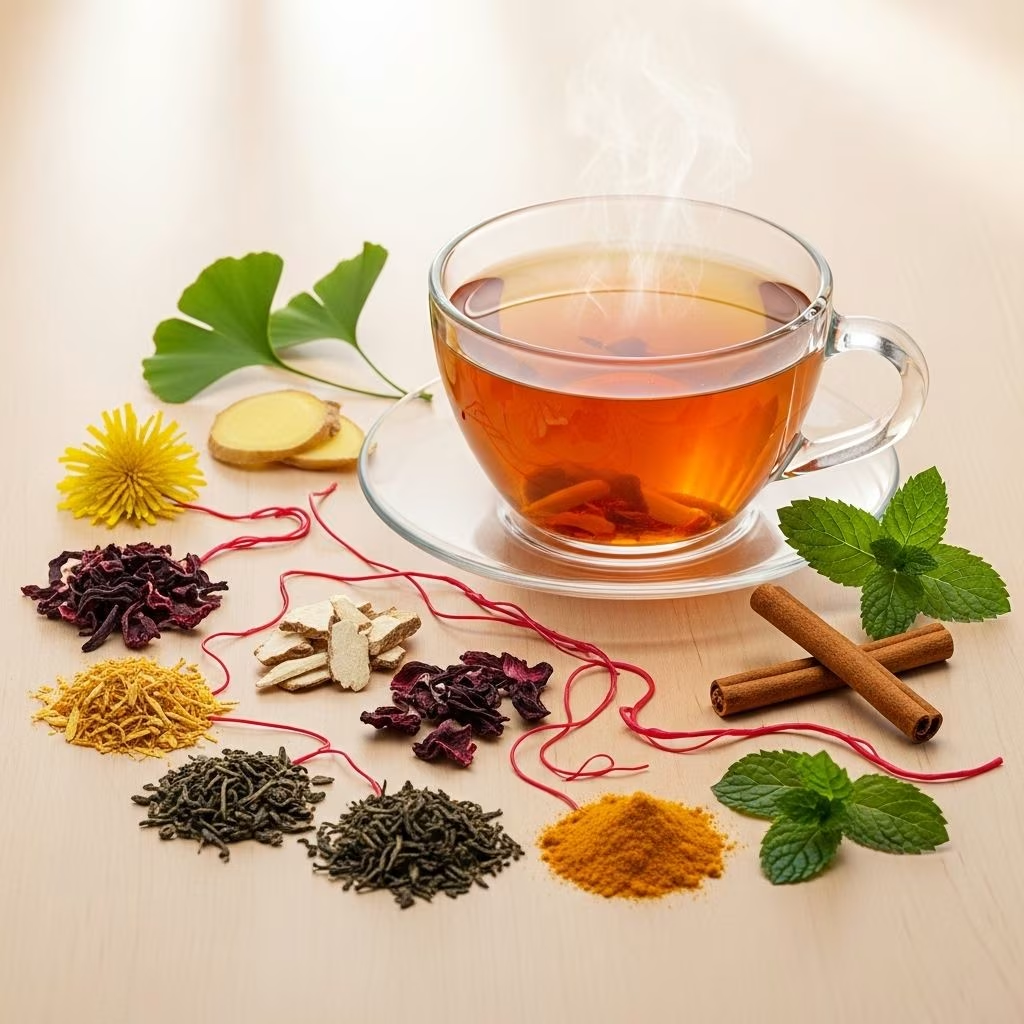
Interest in detox teas as holistic remedies continues to surge, with claims ranging from improved circulation and clearer skin to system-wide rejuvenation. But do detox teas actually deliver on these promises? Drawing from the latest evidence and traditional wisdom, this article explores the science, proven benefits, potential risks, and best practices for using detox teas specifically to promote circulatory and skin health.
Introduction: The Rise of Detox Teas
Detox teas are herbal blends designed to promote the elimination of “toxins,” a term used broadly in wellness circles to refer to substances believed to compromise overall health. Traditionally, many cultures have relied on herbal teas to support various organ systems, including the cardiovascular and integumentary (skin) systems. In recent years, commercial detox teas have emerged as popular quick-fix solutions, often promising weight loss, increased energy, and glowing skin.
While some detox teas have roots in ancient healing practices, modern formulations frequently blend botanicals purported to enhance circulation and skin clarity. Understanding whether these claims hold up under scientific scrutiny is essential for consumers seeking real benefits.
How Detox Teas Impact Circulation
Healthy blood circulation is crucial for delivering oxygen and nutrients throughout the body and facilitating waste removal. Poor circulation can lead to fatigue, swelling, cold extremities, and even impact skin health. Many detox teas target this system, aiming to:
- Stimulate blood flow with vasodilatory herbs
- Support cardiovascular health via antioxidants
- Reduce water retention and swelling with mild diuretics
Key mechanisms by which detox teas may aid circulation include:
- Antioxidant Action: Polyphenols in teas like green and black tea have well-documented antioxidant effects that protect vessels from oxidative stress.
- Blood Pressure Modulation: Some herbs such as hibiscus have been shown to lower blood pressure in clinical trials.
- Mild Diuretic Effects: Ingredients like dandelion and nettle promote fluid balance, potentially easing swelling in the extremities.
What the Evidence Shows
Research suggests that teas rich in flavonoids and polyphenols, such as green tea and black tea, can improve endothelial function and enhance plasma antioxidant status, both of which are fundamental for circulatory health. After consuming green or black tea, individuals show measurable increases in total antioxidant capacity and functional blood flow. However, these benefits are generally modest and require sustained consumption as part of a healthy lifestyle.
Detox Teas and Skin Health
The skin, our largest organ, is a visible reflection of internal health and circulatory efficiency. Improved blood flow nourishes skin cells and can result in:
- Radiant, even-toned complexion
- Faster skin repair and regeneration
- Reduced water retention and puffiness
- Enhanced removal of waste products through the lymphatic and circulatory systems
Many detox teas incorporate ingredients known for their skin benefits. For example, burdock root is used in traditional medicine for its purported ability to “purify blood” and support clear skin. Green tea polyphenols have been linked to reduced inflammation and improved overall skin appearance by combating free radical damage.
Hydration: A Key Factor
Any herbal tea, by virtue of being a fluid, supports skin by bolstering hydration. Well-hydrated skin is less prone to dryness, irritation, and the appearance of fine lines.
Key Herbal Ingredients for Circulation & Skin
Detox teas may contain a wide range of herbs. Some have proven physiological effects on the vascular system, while others are valued more for their traditional uses or anecdotal skin benefits. Common ingredients include:
| Herb | Primary Function | Contribution to Circulation and Skin |
|---|---|---|
| Green Tea (Camellia sinensis) | Antioxidant, Metabolism Booster | Enhances blood flow, supports skin health via catechins |
| Ginger | Anti-inflammatory, Circulatory Stimulant | Promotes blood movement, may reduce swelling |
| Hibiscus | Blood Pressure Support | Shown to lower blood pressure, supports vessel integrity |
| Dandelion | Mild Diuretic, Liver Support | Reduces water retention, may help with puffiness |
| Burdock Root | “Blood Purifier” in Tradition | Historically used for skin issues and cleansing |
| Milk Thistle | Liver Detoxification | Antioxidant action may indirectly benefit skin tone |
| Nettle | Diuretic, Anti-inflammatory | Historically used for skin and joint health, reduces swelling |
| Senna Leaf and Cascara Sagrada | Laxative | Stimulate bowel movements but carry risks for long-term use |
Note: Individual results will vary, and the effects of combined herbs have not been studied as extensively as those of single ingredients.
Scientific Evidence Versus Marketing Claims
Despite bold marketing promises, most detox teas do not remove toxins in any way your body cannot accomplish naturally. The body already possesses its own detoxification systems (primarily the liver, kidneys, and skin). Claims that a tea can “flush toxins,” “purify blood,” or cause dramatic, lasting weight loss are unsupported by clinical studies.
Where detox teas might provide tangible benefits are due to their:
- Antioxidant effects: Reducing oxidative stress and supporting vessel health
- Mild diuretic and laxative effects: Decreasing water retention and temporarily relieving bloating
- Improved hydration: Supporting cellular health and promoting regular elimination
However, any observed benefits such as:
- Increased energy
- Weight loss
- Improved skin
are typically short-lived and related to fluid loss or dietary changes accompanying detox routines, not to actual removal of toxins or systemic overhaul.
Summary Table: Claims Versus Evidence
| Claim | Supported by Evidence? | Notes |
|---|---|---|
| Flushes toxins from body | No | Body detoxifies naturally via liver and kidneys |
| Improves circulation | Partially | Antioxidants may offer mild improvement |
| Enhances skin health | Partially | Hydration and reduced inflammation are beneficial, but effects are modest |
| Weight loss | Temporary | Due to water loss, not fat reduction |
| Improves energy | Subjective | May relate to caffeine or placebo effect |
Potential Risks and Side Effects
While generally safe for most healthy adults when used occasionally, detox teas are not without risks. Chief concerns include:
- Dehydration: Due to diuretic or laxative ingredients, especially if overused
- Electrolyte Imbalances: Water and electrolyte loss can lead to headaches, muscle cramps, and heart irregularities
- Digestive Discomfort: Cramping, diarrhea, or dependence on stimulant laxatives like senna
- Medication Interactions: Some herbs may interfere with heart medications, diuretics, or other prescribed drugs
Children, pregnant or breastfeeding women, and people with chronic conditions should generally avoid detox teas unless supervised by a healthcare provider. For anyone, moderation and attention to the body’s responses are vital.
Best Practices for Incorporating Detox Teas
- If choosing to use detox teas, select reputable brands that list all ingredients and avoid extreme claims.
- Use teas as a complement, not a replacement, for healthy eating, regular exercise, and adequate hydration.
- Avoid prolonged use (more than 1 week) without professional guidance, especially for teas containing stimulant laxatives.
- Maintain a balanced diet so as not to compromise nutrient intake during detox routines.
- Listen to your body. Stop use if you experience dizziness, heart irregularities, digestive pain, or other adverse effects.
Simple Detox Tea Recipes for Circulation and Skin:
- Green tea with fresh ginger slices
- Hibiscus tea with lemon
- Dandelion root tea (unsweetened)
- Burdock root and nettle infusion
Alternatives and Complementary Approaches
Rather than relying exclusively on detox teas, consider these sustainable strategies for circulatory and skin health:
- Drink 6–8 glasses of pure water daily
- Eat a varied diet rich in fruits, vegetables, nuts, and whole grains
- Engage in regular aerobic exercise (walking, swimming, cycling)
- Practice stress management (meditation, yoga)
- Get adequate sleep to support skin and vascular repair
Herbal teas can fit harmoniously within this holistic framework, delivering antioxidant and anti-inflammatory compounds, but should not be viewed as a panacea or a substitute for foundational habits.
Frequently Asked Questions (FAQs)
Q: Do detox teas really flush toxins from your body?
No. The body relies on the liver, kidneys, and digestive system for detoxification. Detox teas may support hydration and provide antioxidants, but do not “flush” toxins in the medical sense.
Q: Can detox teas improve circulation?
Certain ingredients, like green tea and hibiscus, offer antioxidants and may have modest blood pressure or circulatory benefits if consumed regularly. However, effects are usually mild and best achieved as part of an overall healthy lifestyle.
Q: Are detox teas good for your skin?
By promoting hydration and delivering anti-inflammatory plant compounds, detox teas can contribute to clearer, more radiant skin for some people. Effects are generally moderate and should be paired with a holistic skincare and nutrition plan.
Q: What side effects should I watch out for?
Overuse can cause dehydration, diarrhea, digestive discomfort, and even heart or kidney strain, particularly in teas with strong diuretics or laxatives. Always moderate use and discontinue if adverse symptoms occur.
Q: What are safe alternatives to detox teas?
Focus on drinking more water, eating antioxidant-rich foods, exercising, and sleeping well. These practices are more effective and sustainable ways to support circulation and skin health than relying on any single beverage or supplement.
References
- Pyramid Healthcare. Do Detox Teas Really Work?
May 27, 2024. - MedicineNet. What is the Best Tea for Detoxing?
- NCBI Bookshelf: Health Benefits of Tea – Herbal Medicine
References
- https://www.pyramid-healthcare.com/blog/2024/05/27/do-detox-teas-really-work/
- https://www.medicinenet.com/what_is_the_best_tea_for_detoxing/article.htm
- https://www.ncbi.nlm.nih.gov/books/NBK92768/
- https://www.brownhealth.org/be-well/truth-about-detox-teas
- https://pmc.ncbi.nlm.nih.gov/articles/PMC10563719/
- https://www.healthline.com/health/detox-tea-side-effects
- https://www.kuchatea.com/blog/detox-tea-cleanse-new-year/
- https://lamclinic.com/blog/best-tea-for-detox/
- https://matcha.com/blogs/news/green-tea-black-tea-detox-tea-what-s-heart-healthy-and-what-s-not
- https://www.medicalnewstoday.com/articles/269538


