


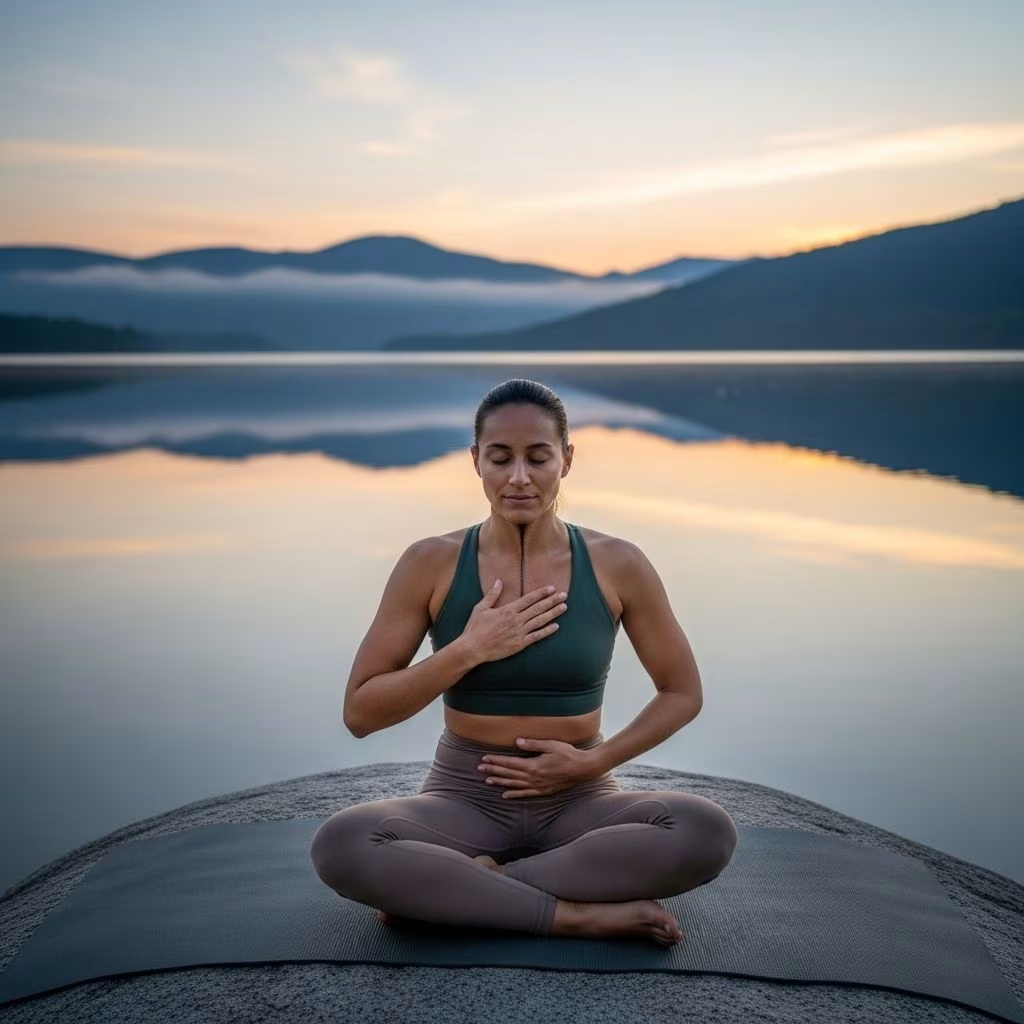
What is Diaphragmatic Breathing?
Diaphragmatic breathing, also known as belly breathing, deep breathing, relaxed breathing, or abdominal breathing, is a fundamental breathing technique that optimizes the use of the diaphragm, the main muscle responsible for respiration. Unlike shallow chest breathing that most people practice unconsciously, diaphragmatic breathing engages the diaphragm fully, resulting in slower, deeper, and more efficient breathing patterns.
The diaphragm is a large, dome-shaped muscle located at the base of the lungs, separating the chest cavity from the abdominal cavity. When functioning properly, this muscle contracts and flattens during inhalation, creating more space in the chest cavity and allowing the lungs to expand fully. During exhalation, the diaphragm relaxes and returns to its dome shape, helping to expel air from the lungs.
In contrast to shallow thoracic breathing, diaphragmatic breathing is characterized by the expansion of the abdomen rather than the chest during inhalation. This technique draws more air into the lower portions of the lungs, which are richly supplied with blood vessels, allowing for more efficient oxygen exchange. The result is a breathing pattern that maximizes oxygen intake while minimizing the work required by the respiratory system.
How Diaphragmatic Breathing Works
Understanding the mechanics of diaphragmatic breathing helps practitioners master this valuable technique more effectively. The process involves a coordinated effort between several muscle groups, including the diaphragm, intercostal muscles, abdominal muscles, and pelvic floor muscles.
The Respiratory Process
During normal, shallow breathing, the chest rises and falls while the diaphragm moves minimally. This type of breathing primarily uses the intercostal muscles between the ribs and doesn’t fully engage the lungs’ capacity. In contrast, diaphragmatic breathing actively pulls the diaphragm downward with each inward breath, creating a vacuum effect that draws air deep into the lungs.
When practicing diaphragmatic breathing, the stomach rises and falls noticeably, while the chest remains relatively stable. This expansion occurs because as the diaphragm contracts downward, it pushes against the abdominal organs, causing the belly to protrude outward. This movement indicates that the lungs are filling from the bottom up, utilizing their full capacity.
Physiological Changes
Diaphragmatic breathing triggers several important physiological changes in the body. It activates the parasympathetic nervous system, often called the “rest and digest” response, which counteracts the stress-induced sympathetic nervous system activation. This shift leads to decreased heart rate, lower blood pressure, reduced cortisol levels, and improved overall relaxation.
The technique also improves oxygen delivery throughout the body by increasing the efficiency of gas exchange in the lungs. When the lower portions of the lungs are utilized, blood circulation improves, and the body receives more oxygen per breath, reducing the overall respiratory rate and decreasing the workload on the cardiovascular system.
Health Benefits of Diaphragmatic Breathing
Research has demonstrated numerous health benefits associated with regular diaphragmatic breathing practice. These benefits extend beyond respiratory improvement to encompass physical, mental, and emotional well-being.
Physical Health Benefits
Diaphragmatic breathing strengthens the diaphragm itself, improving overall respiratory function and endurance. Regular practice can lead to improved core stability as the diaphragm works in conjunction with other core muscles to support proper posture and spinal alignment. The technique also helps lower both heart rate and blood pressure by activating the parasympathetic nervous system and reducing overall cardiovascular stress.
For individuals with chronic pain conditions, diaphragmatic breathing provides a non-pharmacological tool for pain management. The relaxation response triggered by this breathing technique can help reduce pain perception and provide a positive distraction from discomfort. Additionally, the improved oxygenation supports cellular repair and healing processes throughout the body.
Mental and Emotional Benefits
The mental health benefits of diaphragmatic breathing are equally significant. Regular practice can reduce anxiety and stress levels by modulating the body’s stress response system. The technique helps interrupt negative thought patterns and provides a sense of control over physical symptoms, shifting individuals from a passive to an active role in managing their health.
Diaphragmatic breathing serves as a foundation for many meditation and mindfulness practices, promoting mental clarity and emotional regulation. It can improve sleep quality by helping the body transition into a relaxed state before bedtime. The technique also enhances focus and concentration by providing a calming anchor for attention during stressful or challenging situations.
Therapeutic Applications
Healthcare professionals increasingly recognize diaphragmatic breathing as a valuable therapeutic tool for various conditions. It has shown particular promise in managing chronic obstructive pulmonary disease (COPD), asthma, and other respiratory conditions by improving breathing efficiency and reducing respiratory distress.
The technique is also beneficial for individuals with anxiety disorders, panic attacks, and post-traumatic stress disorder (PTSD). Mental health professionals often incorporate diaphragmatic breathing into treatment plans as a grounding technique that patients can use independently to manage symptoms.
Step-by-Step Practice Guide
Learning diaphragmatic breathing requires patience and practice, but most people can master the basic technique within a few sessions. The key is to start with simple exercises and gradually build proficiency.
Basic Diaphragmatic Breathing Technique
Begin by finding a comfortable, quiet environment where you won’t be disturbed. For beginners, lying down on a flat surface is often the easiest position to learn proper technique.
Step 1: Positioning
Lie down on a comfortable, flat surface such as your bed or a yoga mat. Place a pillow under your head for comfort and additional pillows beneath your knees to reduce strain on your lower back. This positioning helps maintain proper spinal alignment and allows for relaxation.
Step 2: Hand Placement
Place one hand on your upper chest, just below the collarbone, and the other hand on your stomach, just beneath the rib cage but above the diaphragm. This hand placement allows you to monitor the movement of your chest and abdomen during breathing.
Step 3: Relaxation
Relax your shoulders, allowing them to drop away from your ears. Release any tension in your neck, jaw, and facial muscles. Take a moment to settle into this relaxed position before beginning the breathing exercise.
Step 4: Inhalation
Slowly breathe in through your nose, drawing the breath down toward your stomach. Focus on expanding your abdomen rather than your chest. The hand on your stomach should rise, while the hand on your chest should remain relatively still. Aim for a slow, controlled inhalation lasting about 4-6 seconds.
Step 5: Exhalation
Purse your lips as if you’re going to whistle or sip through a straw. Slowly exhale through your pursed lips for about 4-6 seconds, gently contracting your abdominal muscles to help push the air out. The hand on your stomach should fall, while the chest hand remains still.
Step 6: Repetition
Repeat this breathing pattern for 5-10 minutes, focusing on the rhythm and the sensation of your abdomen rising and falling. If you feel dizzy or lightheaded, slow down your breathing rate or take a break.
Progression to Seated and Standing Practice
Once you’ve mastered the basic technique while lying down, you can progress to practicing diaphragmatic breathing while seated and eventually while standing. When transitioning to these positions, maintain the same focus on abdominal expansion and keep your shoulders, head, and neck relaxed.
For seated practice, sit in a comfortable chair with your feet flat on the floor and your back supported. Place your hands in the same position as during the lying exercise and follow the same breathing pattern. Standing practice follows similar principles, with feet shoulder-width apart and knees slightly bent for stability.
Advanced Techniques and Variations
As proficiency develops, practitioners can explore advanced variations of diaphragmatic breathing to enhance their practice and target specific health goals.
4-7-8 Breathing Technique
This variation involves inhaling for 4 counts, holding the breath for 7 counts, and exhaling for 8 counts. This technique is particularly effective for promoting relaxation and improving sleep quality. The extended exhalation phase activates the parasympathetic nervous system more intensely than basic diaphragmatic breathing.
Box Breathing
Box breathing, also known as square breathing, involves equal counts for inhalation, breath retention, exhalation, and breath retention. For example, inhale for 4 counts, hold for 4 counts, exhale for 4 counts, and hold empty for 4 counts. This technique helps develop breath control and mental focus.
Progressive Muscle Relaxation with Diaphragmatic Breathing
Combining diaphragmatic breathing with progressive muscle relaxation enhances the relaxation response. This technique involves systematically tensing and releasing different muscle groups while maintaining diaphragmatic breathing, creating a comprehensive stress-reduction practice.
Who Can Benefit from Diaphragmatic Breathing
Diaphragmatic breathing is a safe and beneficial practice for most people, regardless of age or fitness level. However, certain groups may find it particularly valuable.
Healthcare Applications
Patients with chronic respiratory conditions such as COPD, asthma, or pulmonary fibrosis can benefit significantly from diaphragmatic breathing training. The technique helps improve breathing efficiency and reduces the work of breathing, leading to better symptom management and quality of life.
Individuals with cardiovascular conditions may also benefit from the blood pressure and heart rate lowering effects of diaphragmatic breathing. However, these individuals should consult with their healthcare provider before beginning a breathing exercise program.
Mental Health and Stress Management
People experiencing high levels of stress, anxiety, or depression can use diaphragmatic breathing as part of their self-care toolkit. The technique is particularly useful for managing panic attacks, as it helps counteract the rapid, shallow breathing that often accompanies anxiety.
Healthcare workers, first responders, and others in high-stress professions can benefit from learning diaphragmatic breathing as a quick stress-reduction technique that can be used during breaks or challenging situations.
Performance Enhancement
Athletes and performers often incorporate diaphragmatic breathing into their training routines to improve focus, reduce performance anxiety, and enhance recovery. The technique can help optimize oxygen delivery during physical activity and promote faster recovery between training sessions.
Precautions and Practice Tips
While diaphragmatic breathing is generally safe for most people, certain precautions should be observed to ensure safe and effective practice.
Safety Considerations
Individuals with serious lung conditions should consult with their healthcare provider before beginning diaphragmatic breathing exercises. Some people may experience dizziness or lightheadedness when first learning the technique, particularly if they breathe too quickly or deeply. If this occurs, slow down the breathing rate or take a break.
People with certain medical conditions, such as severe heart disease or specific respiratory disorders, should seek medical guidance before incorporating breathing exercises into their routine. Pregnant women should also consult with their healthcare provider, as some breathing techniques may not be appropriate during certain stages of pregnancy.
Maximizing Effectiveness
Consistency is key to developing proficiency in diaphragmatic breathing. Practice the technique for 5-10 minutes, 3-4 times daily, to build muscle memory and experience maximum benefits. Choose regular times for practice, such as upon waking, before meals, or before bedtime, to establish a routine.
Create a conducive environment for practice by choosing a quiet, comfortable space free from distractions. Some practitioners find it helpful to use soft background music or nature sounds to enhance relaxation during breathing exercises.
Be patient with the learning process, as it may take several weeks to feel completely comfortable with the technique. Focus on gradual improvement rather than perfection, and remember that the benefits of diaphragmatic breathing accumulate over time with regular practice.
Frequently Asked Questions
Q: How long does it take to learn diaphragmatic breathing?
A: Most people can learn the basic technique within 5-10 minutes of instruction, but developing proficiency and experiencing significant benefits typically takes several weeks of regular practice. Consistency is more important than duration when building this skill.
Q: Can diaphragmatic breathing help with sleep problems?
A: Yes, diaphragmatic breathing can significantly improve sleep quality by activating the parasympathetic nervous system and promoting relaxation. Practicing the technique before bedtime can help calm the mind and prepare the body for sleep.
Q: Is it normal to feel dizzy when first practicing diaphragmatic breathing?
A: Some people may experience mild dizziness or lightheadedness when first learning diaphragmatic breathing, especially if they breathe too quickly or deeply. This is usually temporary and resolves as you become more comfortable with the technique. If dizziness persists, slow down your breathing rate or consult a healthcare professional.
Q: How often should I practice diaphragmatic breathing?
A: For optimal benefits, practice diaphragmatic breathing for 5-10 minutes, 3-4 times daily. However, even short sessions of 2-3 minutes can be beneficial when used as needed for stress relief or relaxation.
Q: Can children learn diaphragmatic breathing?
A: Yes, children can learn and benefit from diaphragmatic breathing, often more easily than adults. The technique can help children manage anxiety, improve focus, and develop healthy coping skills. Make the learning process fun and age-appropriate for best results.
Q: What’s the difference between diaphragmatic breathing and deep breathing?
A: While often used interchangeably, diaphragmatic breathing specifically focuses on using the diaphragm muscle to breathe, resulting in abdominal expansion. Deep breathing can refer to any technique that increases lung capacity, but may not necessarily engage the diaphragm properly.
References
- https://www.va.gov/WHOLEHEALTHLIBRARY/tools/diaphragmatic-breathing.asp
- https://www.healthline.com/health/diaphragmatic-breathing
- https://www.medicalnewstoday.com/articles/diaphragmatic-breathing
- https://pmc.ncbi.nlm.nih.gov/articles/PMC7602530/
- https://my.clevelandclinic.org/health/articles/9445-diaphragmatic-breathing
- https://www.health.harvard.edu/healthbeat/learning-diaphragmatic-breathing
- https://www.koyamedical.com/blog/diaphragmatic-breathing-aka-belly-breathing-explained-by-experts
- https://www.lung.org/lung-health-diseases/wellness/breathing-exercises


