


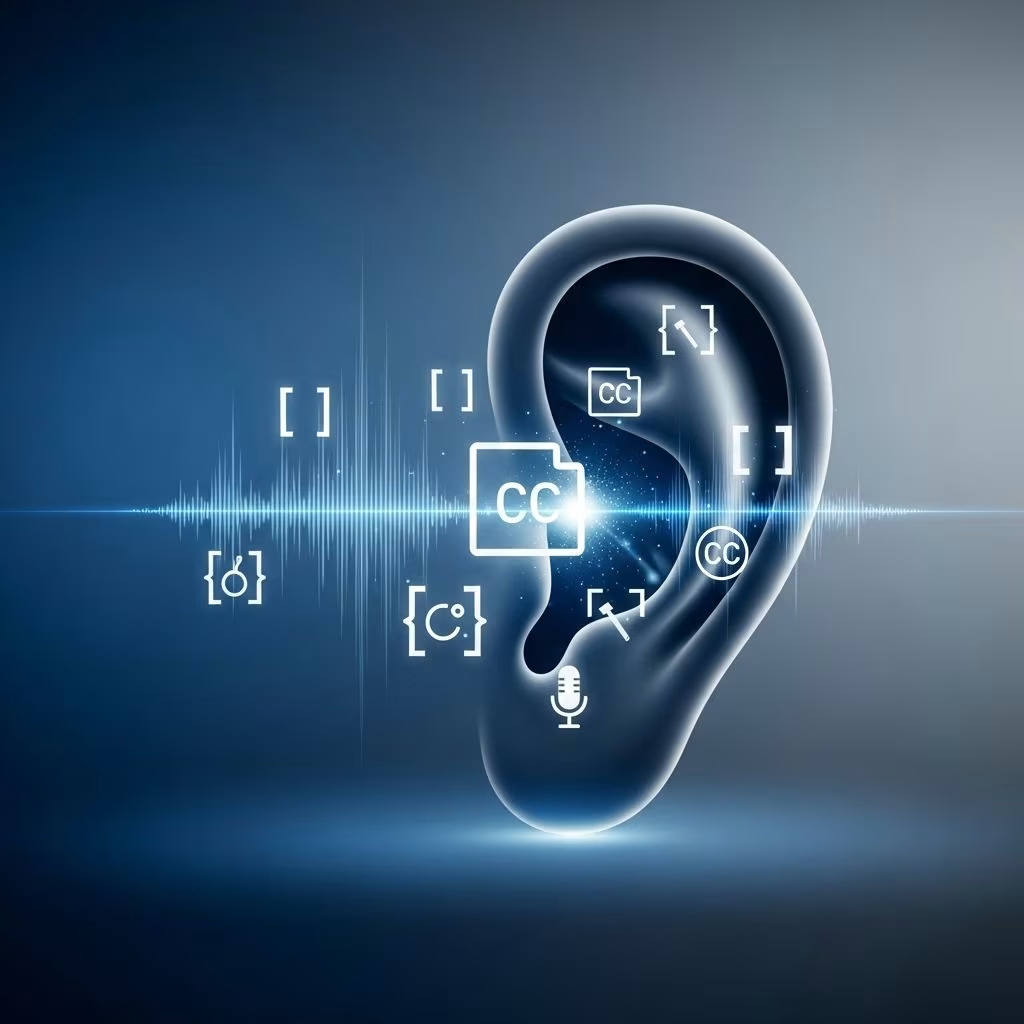
Introduction to Digital Mindfulness and Hearing Loss
Digital mindfulness involves cultivating awareness and presence in a digital age, which is particularly important for individuals dealing with health challenges like hearing loss. The integration of captioning technology has significantly impacted the lives of those with hearing impairments, offering enhanced accessibility and communication tools. This article delves into the concept of digital mindfulness for hearing loss caption dependency, exploring the benefits, challenges, and future directions in this field.
Digital Mindfulness in the Age of Captioning
Digital mindfulness emphasizes the intentional use of technology to enhance well-being and reduce stress. For individuals with hearing loss, the use of captions can significantly improve their ability to engage with digital content and communicate effectively. Captioning technology provides a visual representation of spoken words, making it easier for users to follow conversations in noisy environments or when the audio quality is poor.
Benefits of Captioning for Hearing Loss
Captioning offers several benefits for individuals with hearing loss:
- Improved Accessibility: Captions make digital content more accessible by providing a clear visual representation of speech, enhancing understanding and engagement.
- Enhanced Literacy and Comprehension: For those with hearing impairments or those learning a new language, captions can improve literacy skills and comprehension by offering a visual supplement to audio.
- Multilingual Support: Many captioning tools allow users to select their preferred language, facilitating communication across linguistic barriers.
- Reduced Cognitive Load: By alleviating the need to concentrate solely on audio, captions can reduce the cognitive load associated with listening, especially in noisy environments.
Challenges and Limitations of Captioning
Despite its benefits, captioning also presents some challenges:
- Accuracy and Error Rates: While pre-scripted captions are generally accurate, real-time captions may contain errors, especially with fast-paced or unclear speech.
- Caption Speed and Cognitive Processing: Older adults may find it challenging to keep up with typical caption speeds, which can impact comprehension.
- Dependence on Technology: Heavy reliance on captions can lead to a decrease in auditory skills or increased difficulty in environments without captions.
Captioning Technologies
There are several types of captioning technologies available:
- Pre-Scripted Captions: These are carefully written and embedded into media files, ensuring accuracy but requiring preparation time.
- Live Caption Writers: Trained writers provide real-time captions, though there may be a slight delay and occasional errors.
- Real-Time AI Captioning: AI-driven systems generate captions instantly but may struggle with unclear or fast speech, leading to minor inaccuracies.
Impact on Digital Mindfulness
Caption dependency can influence digital mindfulness in several ways:
- Mindful Consumption: By offering a visual aid, captions can help individuals stay engaged and focused on digital content, promoting mindful consumption.
- Stress Reduction: The clarity provided by captions can reduce stress associated with misunderstandings or missed information, enhancing overall well-being.
- Personal Growth: The ability to engage more effectively with digital content can lead to personal growth through increased access to information and educational resources.
Future Directions in Captioning Technology
Advancements in captioning technology are expected to further improve accessibility and user experience:
- Improved AI Accuracy: Enhancements in AI learning algorithms may lead to more accurate real-time captions.
- Personalized Captions: Future systems might allow for personalized captioning speed and style preferences.
- Integration with Other Technologies: Combining captioning with other assistive technologies could provide even more comprehensive support for individuals with hearing loss.
Frequently Asked Questions (FAQs)
Q: How do captions benefit individuals with hearing loss?
A: Captions provide a visual representation of speech, making it easier to follow conversations and understand content, especially in noisy environments or when audio quality is poor.
Q: What are the types of captioning technologies available?
A: There are pre-scripted captions, live caption writers, and real-time AI captioning, each with its strengths and limitations.
Q: How can digital mindfulness be enhanced with caption dependency?
A: By providing clarity and reducing cognitive load, captions can promote mindful consumption of digital content and reduce stress associated with communication challenges.
References
- https://pubmed.ncbi.nlm.nih.gov/34260436/
- https://www.ava.me/blog/digital-accessibility-and-closed-captioning-for-deaf-hearing-people
- https://soundlogicmd.com/the-benefits-of-captioning-software-for-people-with-hearing-loss/
- https://pmc.ncbi.nlm.nih.gov/articles/PMC2820302/
- https://www.hearingloss.org/find-help/captioning/
- https://katherinebouton.me/category/captions-for-hearing-loss/
- https://www.audioeye.com/post/digital-accessibility-deaf-hard-of-hearing/
- https://uxdesign.cc/captions-in-video-calls-better-accessibility-but-harmful-side-effects-625d416f81af
- https://www.mixcord.co/blogs/content-creators/captioning-apps-for-hearing-impaired
- https://www.youtube.com/watch?v=uwB4ljcC-Fk


