


Introduction
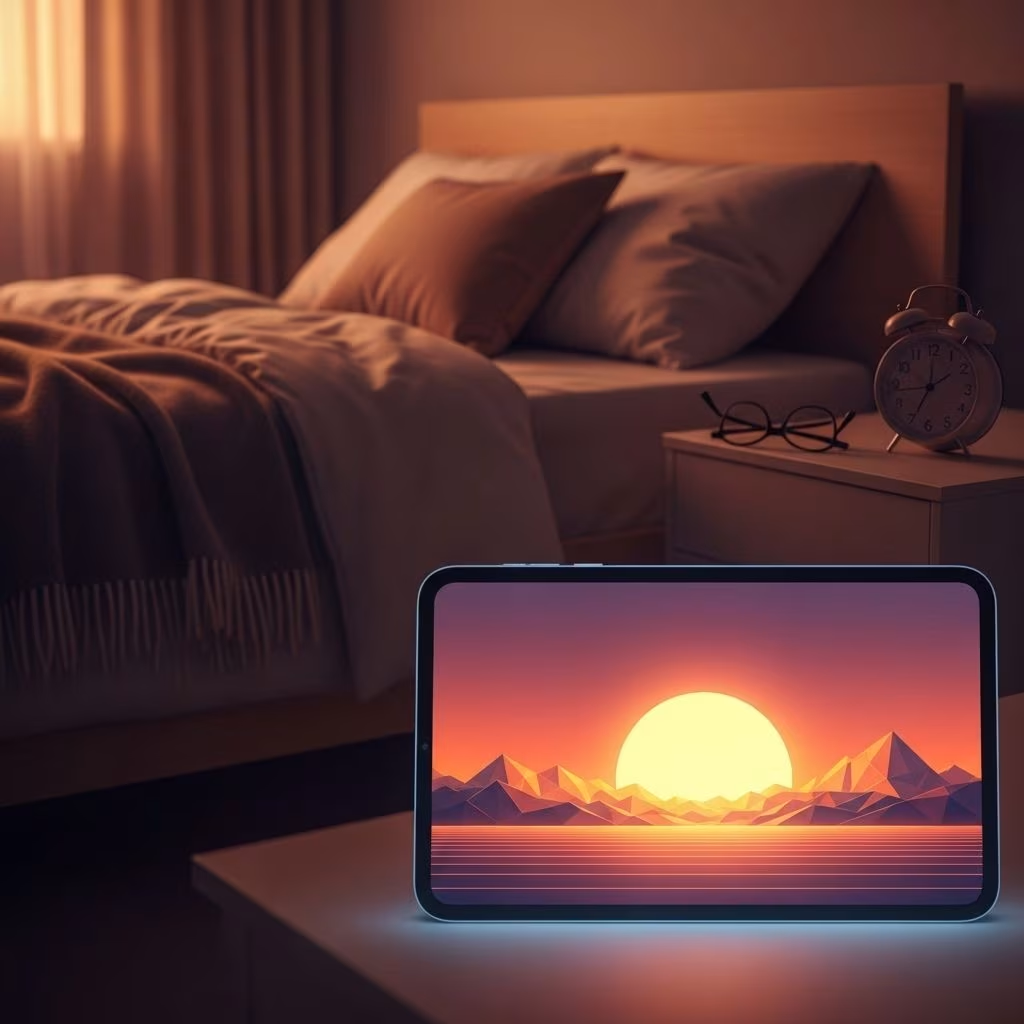
In the digital age, screens are ubiquitous—used for work, entertainment, and social connection. However, this evolution has come with a significant downside: disrupted sleep patterns. The concept of a “digital sunset”—unplugging from digital devices before bedtime—is gaining traction as a simple yet effective strategy for improving sleep quality. This article explores the science behind how screen time affects sleep, the benefits of a digital sunset, and practical steps you can take to foster healthier sleep habits.
The Science of Sleep and Screen Time
The human sleep-wake cycle, or circadian rhythm, is regulated by light exposure. In natural settings, sunlight signals wakefulness, while darkness triggers the production of melatonin, a hormone that promotes sleepiness. However, the artificial blue light emitted by screens mimics daylight, tricking the brain into staying alert and suppressing melatonin production. This disruption can delay sleep onset, shorten sleep duration, and reduce sleep quality.
Melatonin suppression is not the only issue. Engaging with stimulating content—such as social media, news, or video games—activates the brain, making it harder to relax and transition into sleep. The result is a vicious cycle: difficulty falling asleep leads to later bedtimes, less total sleep, and increased daytime sleepiness.
How Screen Time Disrupts Sleep
Screen time before bed impacts sleep through multiple mechanisms:
- Blue Light Exposure: Screens emit blue light, which is especially potent at suppressing melatonin. Even short exposures can delay sleep onset and reduce sleep quality.
- Mental Stimulation: Scrolling through social media, reading news, or playing games keeps the brain active, counteracting the relaxation needed for sleep.
- Delayed Bedtimes: The addictive nature of digital content often leads to “just one more video” syndrome, pushing bedtime later and shortening overall sleep duration.
- Disrupted Circadian Rhythm: Regular exposure to screens before bed can alter the body’s natural sleep-wake cycle, potentially leading to chronic insomnia and other sleep disorders.
| Screen Activity | Effect on Sleep | Mechanism |
|---|---|---|
| Smartphone/Tablet Use | Delays sleep onset, reduces sleep quality | Blue light, mental stimulation |
| TV Watching | Similar effects, though often less interactive | Blue light, content stimulation |
| Video Games | Significant delay in sleep onset | High mental engagement, adrenaline |
Effects on Sleep Duration and Quality
Numerous studies have quantified the impact of screen time on sleep. Adults who regularly use screens before bed experience later bedtimes, shorter sleep durations, and poorer sleep quality compared to those who avoid screens in the evening. For example, daily electronic screen use before bed is associated with nearly 50 minutes less sleep each week and a 33% higher prevalence of poor sleep. The effects are even more pronounced in “night owls”—those with a later chronotype—who naturally prefer staying up late.
Poor sleep quality and insufficient sleep are linked to a host of health issues, including heart disease, diabetes, high blood pressure, depression, and obesity. Chronic sleep deprivation can also impair concentration, memory, and overall daily functioning.
The Concept of Digital Sunset
A “digital sunset” refers to the practice of turning off digital devices at least one to two hours before bedtime, allowing the brain to transition naturally into sleep. This period of screen-free time helps restore the normal rise in melatonin and reduces mental stimulation, making it easier to fall asleep and stay asleep.
The idea is inspired by the natural sunset, which signals to our bodies that it’s time to wind down. By creating an artificial sunset in our homes—dimming lights, avoiding screens, and engaging in calming activities—we can support our natural sleep-wake cycles.
Practical Steps to Implement Digital Sunset
Implementing a digital sunset can be challenging in a world dominated by screens, but the following strategies can help:
- Set a Cutoff Time: Decide on a specific time each night to stop using digital devices—ideally one to two hours before bed.
- Use Blue Light Filters: Enable “night mode” or blue light filters on devices if you must use them in the evening.
- Create a Screen-Free Bedroom: Remove TVs, computers, and smartphones from the bedroom to reduce temptation and association with wakefulness.
- Establish a Relaxing Routine: Replace screen time with calming activities such as reading a physical book, listening to music, or practicing meditation.
- Gradual Reduction: If going cold turkey is difficult, gradually reduce screen time each night until you reach your goal.
- Involve the Family: Make digital sunset a household rule to support everyone’s sleep health, especially children and adolescents.
Alternative Activities Before Bed
Replacing screen time with relaxing activities can make the transition to a digital sunset easier and more enjoyable. Consider the following alternatives:
- Reading: Physical books or e-readers without backlighting.
- Journaling: Reflecting on the day or writing down thoughts.
- Gentle Stretching or Yoga: Light exercise to relax the body.
- Listening to Calm Music or Podcasts: Audio-only content without visual stimulation.
- Meditation or Deep Breathing: Practices that promote relaxation and reduce stress.
Long-Term Benefits of Reducing Screen Time Before Bed
Consistently practicing a digital sunset can lead to numerous long-term benefits:
- Improved Sleep Quality: Deeper, more restorative sleep with fewer awakenings.
- Regulated Circadian Rhythm: More consistent sleep and wake times, aligning with natural light-dark cycles.
- Enhanced Mood and Mental Health: Better sleep is linked to reduced anxiety, depression, and irritability.
- Increased Daytime Alertness: Less daytime sleepiness and improved concentration.
- Better Overall Health: Lower risk of chronic diseases associated with poor sleep, such as obesity and cardiovascular issues.
Frequently Asked Questions
Q: How long before bedtime should I stop using screens?
Most experts recommend turning off all screens at least one to two hours before bedtime to allow melatonin to rise naturally and the mind to relax.
Q: Are some screens worse than others for sleep?
All screens emitting blue light can disrupt sleep, but interactive devices (smartphones, tablets) may be more stimulating than passive ones (TVs), depending on content.
Q: Can blue light filters or night mode help?
Blue light filters can reduce melatonin suppression, but they do not eliminate the mental stimulation from device use. For best results, aim for a true digital sunset.
Q: What if I need my phone for an alarm?
Consider using a traditional alarm clock to keep your phone out of the bedroom, or place it in another room during your digital sunset period.
Q: How does screen time affect children’s sleep?
Children and adolescents are especially sensitive to screen time before bed, with studies showing delayed bedtimes, shorter sleep duration, and increased daytime sleepiness. Establishing screen-free routines is crucial for their development.
Conclusion
In a digitally connected world, the lure of screens before bedtime is strong, but the cost to sleep—and overall health—is significant. The research is clear: screen time before bed disrupts melatonin production, delays sleep onset, reduces sleep quality, and can lead to long-term health issues. The concept of a digital sunset offers a practical, evidence-based solution. By setting aside screens in the evening and embracing calming, screen-free activities, you can improve your sleep quality, regulate your circadian rhythm, and enhance your well-being. Make a digital sunset part of your nightly routine—your body and mind will thank you.
References
- https://www.calm.com/blog/screen-time-before-bed
- https://www.sutterhealth.org/health/screens-and-your-sleep-the-impact-of-nighttime-use
- https://pmc.ncbi.nlm.nih.gov/articles/PMC11950897/
- https://jamanetwork.com/journals/jamanetworkopen/fullarticle/2831993
- https://www.psychologytoday.com/us/blog/the-colors-of-contemporary-psychiatry/202406/digital-detox-set-boundaries-with-your-screens
- https://pmc.ncbi.nlm.nih.gov/articles/PMC8776263/
- https://risewithdrew.com/why-a-digital-sunset-improves-sleep/
- https://raisingchildren.net.au/preschoolers/media-technology/screen-time-healthy-screen-use/screen-time-sleep


