


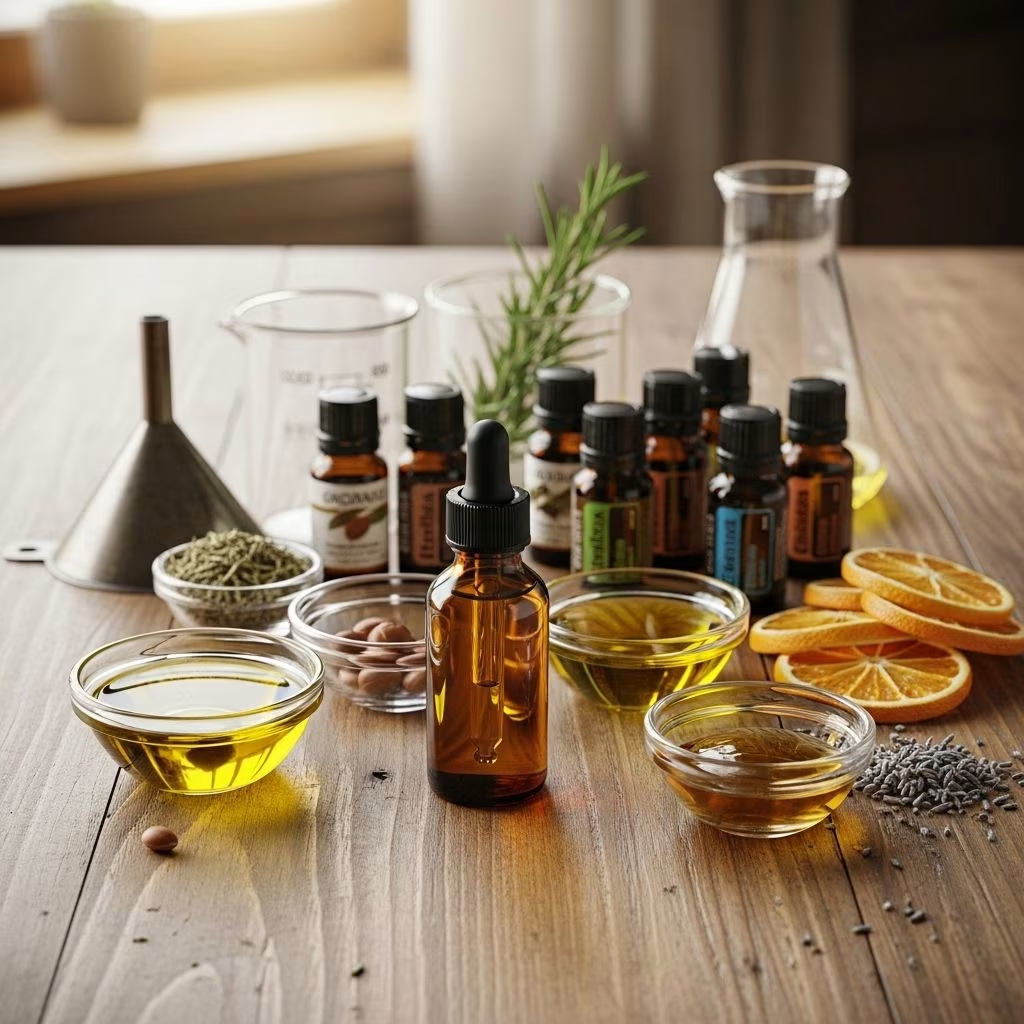
DIY Custom Beard Oil Recipe (Step-by-Step): The Ultimate Guide for Soft, Healthy Facial Hair
Beard oil is more than a grooming accessory—it’s a necessity for keeping facial hair soft, nourished, and healthy. If you’re tired of store-bought blends filled with unnecessary chemicals, crafting your own custom beard oil at home is easier than you think. This exhaustive guide will teach you everything about homemade beard oils: from selecting the best ingredients to mixing your blend and applying it for optimal results.
Why Use Beard Oil?
Beard oil serves both aesthetic and health purposes for anyone growing facial hair. It offers:
- Moisturization: Hydrates hair and the skin beneath, preventing dryness and flakiness (“beardruff”).
- Softness & Manageability: Tames scruff, making your beard softer, smoother, and easier to style.
- Growth Support: Nutrient-rich oils encourage healthy hair growth and improve overall beard thickness.
- Natural Fragrance: Essential oils provide a light, appealing scent without synthetic chemicals.
Understanding Beard Oil Ingredients
The basic composition of beard oil includes carrier oils and essential oils. Knowing their properties ensures you craft a blend suited to your skin and hair type.
Carrier Oils Explained
Carrier oils serve as the nourishing base for beard oil. Each offers unique benefits:
| Oil | Key Benefits |
|---|---|
| Jojoba Oil | Mimics skin’s natural sebum; moisturizing, noncomedogenic, antioxidant, helps with skin conditions. |
| Argan Oil | Promotes hair growth, high in vitamin E, softens and repairs hair. |
| Sweet Almond Oil | Rich in vitamins A & E, light texture, soothes irritation. |
| Avocado Oil | Deeply nourishing, supports skin repair. |
| Fractionated Coconut Oil | Lightweight, absorbs quickly, prevents breakage. |
| Castor Oil | Thick and viscous, promotes growth (use in small amounts). |
| Grapeseed Oil | Mild, antioxidant-rich, suitable for sensitive skin. |
Essential Oils Explained
Essential oils give beard oil scent, and many have additional skin and hair benefits. Some popular choices:
- Lavender: Soothing, antiseptic, lightly floral
- Peppermint: Energizing, cooling
- Cedarwood: Earthy, masculine scent
- Tea Tree: Antimicrobial, helps acne-prone skin
- Bergamot: Citrusy, uplifting
- Orange, Lemon: Bright, fresh (use with care—see notes on phototoxicity)
- Tobacco & Bay Leaf Fragrance: Warm, woody, popular in commercial blends
Essential Equipment for DIY Beard Oil
Making beard oil doesn’t require specialized laboratory gear. The following items suffice:
- 1 or 2 ounce glass dropper bottle (amber glass preferred for UV protection)
- Measuring cup and spoons
- Stainless steel fork, whisk, or toothpick for mixing
- Small funnel (optional, for neat pouring)
- Labeling supplies (optional: for keeping track of blends)
Choosing Your Custom Blend
Customizing beard oil is about tailoring benefits and scent to your needs and preferences. Here’s what to consider:
- Skin Type: Jojoba and grapeseed for oily/combination skin; argan and avocado for dry/sensitive.
- Hair Texture: Thicker beards benefit from argan and castor; lighter oils like almond for softer beards.
- Scent Profile: Choose essential oils that complement your personal style—woodsy, citrus, floral, or herbal.
- Special Needs: Add tea tree for acne-prone skin, peppermint for invigoration, or lavender for relaxation.
Sample Ratios for Beginners
- Carrier oils: 30 ml (1 oz) total for a 1 oz bottle
- Essential oils: 10-20 drops per 1 oz blend (do not exceed for skin safety)
Step-by-Step: Making Your Beard Oil
Follow these detailed steps for a flawless homemade beard oil:
Step 1: Gather Ingredients
- 15 ml (0.5 oz) jojoba oil
- 15 ml (0.5 oz) argan oil
- Up to 20 drops of essential oils (see blend ideas below)
Step 2: Mixing the Oil
- Add your chosen essential oils to the glass dropper bottle.
- Top with carrier oils to fill up to 30 ml (1 oz).
- Fasten the dropper, then shake or swirl well to fully combine.
Step 3: Storage
- Store beard oil in a cool, dark place. Use amber glass to preserve freshness.
- Typical shelf life for homemade beard oil is around 3 months.
How to Apply Beard Oil
The method of application is as important as the blend itself. Proper use ensures maximum absorption and benefits.
- Wash and gently towel-dry your beard (slightly damp hair absorbs oil better).
- Dispense a few drops (2-5 for shorter beards; up to 10 for longer/thicker) into your palm.
- Rub hands together to distribute oil evenly.
- Massage into beard, focusing on hair and underlying skin.
- Comb through for even distribution and styling.
- Let absorb for at least 30 minutes before touching or styling further.
Apply beard oil once daily, preferably in the morning. Increase application as needed for dryness or styling.
Top DIY Beard Oil Blend Ideas
Experiment with these proven recipes for various benefits and scent profiles:
| Name | Carrier Oils | Essential Oils (per 1 oz) | Notes |
|---|---|---|---|
| Classic Nourish Blend | 0.5 oz jojoba; 0.5 oz argan | 7 drops lavender; 5 drops orange | Relaxing, soothing, suitable for sensitive skin |
| Woodland Cedar | 1 oz sweet almond | 16–20 drops cedarwood; 7 drops orange | Warm, masculine, great for dryness |
| Invigorating Citrus | 0.5 oz grapeseed; 0.5 oz avocado | 10 drops bergamot; 4 drops lemon | Energizing, use at night or with sunscreen if outdoors |
| Herbal Spice | 0.5 oz jojoba; 0.5 oz argan | 5 drops tea tree; 3 drops peppermint; 2 drops orange | Refreshing; antimicrobial for blemish-prone skin |
| Bourbon & Ginger | 0.5 oz castor; 0.5 oz almond | 10 drops ginger; 5 drops vanilla extract | Sweet, spicy—unique scent |
Tips for Customizing
- Mix and match carrier oils to suit your needs and texture preferences.
- Keep records of your blends for future reference and experimentation.
- Patch-test new recipes to avoid allergic reactions.
- Avoid exceeding 20 drops of essential oil per ounce.
Troubleshooting & Tips
- Greasy Feel? Use less oil per application, or switch to lighter carrier oils like grapeseed.
- Breakouts? Use noncomedogenic oils like jojoba; avoid coconut oil if prone to acne.
- Fragrance Too Strong? Reduce essential oil volume or choose milder scents.
- Beard Feels Dry? Increase application frequency, or add nourishing oils like argan or avocado.
- Short Shelf Life? Store oils away from sunlight and heat; always use clean equipment to avoid contamination.
- Concerned About Phototoxicity? Citrus oils (lemon, lime, bergamot) may cause photosensitivity—use at night or avoid direct sunlight.
Frequently Asked Questions (FAQs)
Q: How long does homemade beard oil last?
A: Most recipes last about 3 months if kept in a cool, dark place in amber glass bottles.
Q: Can I use beard oil on short or patchy beards?
A: Absolutely. Beard oil benefits all lengths and helps nourish new growth.
Q: What’s the difference between beard oil and beard balm?
A: Beard oil is a liquid blend made mainly with carrier and essential oils to moisturize and soften. Beard balm includes waxes or butters for hold and styling.
Q: Can women use beard oil for their hair?
A: Yes. The nourishing oils are great for scalp and hair ends, but test for sensitivity before regular use.
Q: What is phototoxicity, and why should I care?
A: Some citrus oils make skin more sensitive to sunlight, potentially causing irritation or burns. If you use citrus essential oils, apply beard oil at night or use sunscreen afterward.
Q: Can I omit essential oils?
A: Yes. Carrier oils alone will condition and soften your beard, but you’ll miss out on scent and some therapeutic benefits.
Q: How do I choose essential oils for my beard oil?
A: Start with scents you enjoy. Many essential oils provide additional benefits (antimicrobial, soothing, energizing)—see the ingredient list for ideas.
Q: Why use glass dropper bottles?
A: Glass is inert, non-reactive, and prevents light exposure, helping preserve oil freshness and potency.
Final Thoughts
Crafting your own beard oil not only saves money but lets you control every ingredient going onto your skin and hair. Experiment with carrier and essential oils to develop a blend that fits your style, skin type, and grooming needs. With minimal time, simple equipment, and natural ingredients, your beard can look, feel, and smell better than ever.
Additional Resources
- Carrier and essential oils sourcing guidelines
- How to store homemade personal care products
- Recipe labels for easy blend identification
- Safety tips for essential oil use
References
- https://mommypotamus.com/beard-oil-recipe/
- https://www.youtube.com/watch?v=WQXPvhujuw0
- https://www.artofmanliness.com/style/facial-hair/diy-beard-oil/
- https://ascensionkitchen.com/homemade-beard-oil/
- https://www.parsnipsandpastries.com/diy-beard-oil/
- https://blog.mountainroseherbs.com/beard-oil-recipe
- https://livebearded.com/blogs/do-better/how-to-make-beard-oil-at-home
- https://wellnessmama.com/beauty/beard-oil/
- https://thesweetestdigs.com/diy-beard-oil-recipe-labels/


