


Introduction
Facial essences are lightweight, water-based skincare products that deliver hydration and active ingredients deep into the skin, prepping it for better absorption of serums and moisturizers. In this comprehensive guide, you’ll learn everything about crafting your own facial essence, from basic recipes to advanced custom blending with essential oils, and how to tailor formulas for different skin types and concerns.
What is a Facial Essence?
A facial essence is a light, watery product applied after cleansing and before moisturizing. It typically contains humectants, botanical extracts, and sometimes gentle acids to hydrate, soothe, and prepare the skin for subsequent products. Unlike toners, essences often have more concentrated active ingredients and a slightly viscous texture, making them ideal for layering in a multi-step skincare routine.
Why Make a DIY Facial Essence?
- Cost-Effective: Homemade essences use simple, affordable ingredients.
- Customizable: You control the formula, excluding irritants and allergens.
- Natural Ingredients: Avoid synthetic preservatives, dyes, and fragrances.
- Eco-Friendly: Reduce packaging waste and carbon footprint.
- Personalized Skincare: Tailor ingredients to your skin type and concerns.
Key Ingredients for DIY Facial Essences
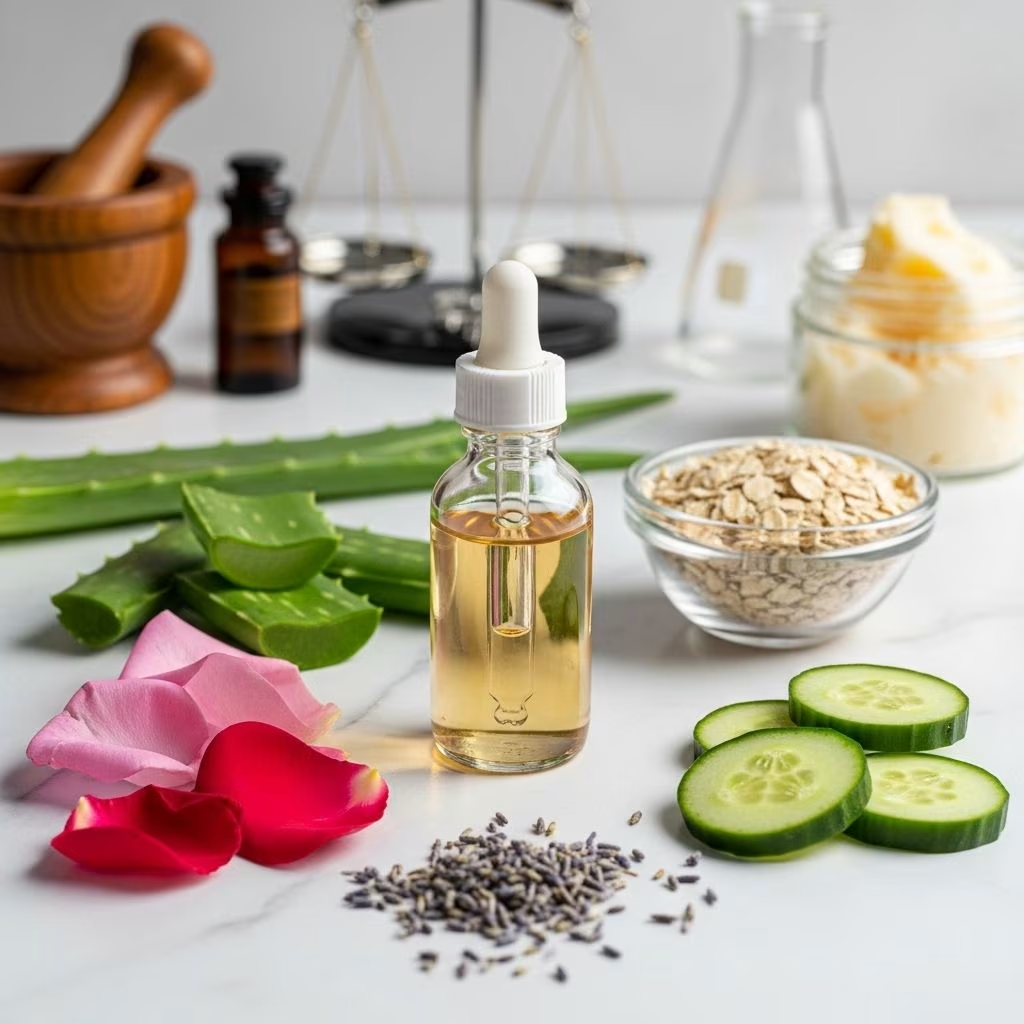
The foundation of any DIY facial essence is distilled water, which ensures purity and reduces contamination risk. Beyond water, common hydrating and soothing ingredients include:
- Aloe Vera: Soothes, hydrates, and reduces inflammation.
- Glycerin: A natural humectant that attracts moisture to the skin.
- Hydrosols: Floral or herbal waters (e.g., rose water) add scent and mild benefits.
- Essential Oils: Small amounts for fragrance and skin benefits (e.g., lavender, palmarosa, frankincense).
- Optional Oils: Almond oil or other lightweight carriers for extra moisture.
- Preservatives (if necessary): To extend shelf life in water-based products (e.g., Germaben II).
Basic DIY Facial Essence Recipes
Simple Soothing Essence
This basic recipe is gentle, hydrating, and suitable for most skin types. It uses minimal ingredients for maximum benefit.
- Ingredients:
- ½ cup hot distilled water
- 10 grams aloe vera gel
- 1 gram vegetable glycerin
- 3 drops palmarosa essential oil
- 2 drops Beauty Within essential oil blend (or substitute with lavender or rose)
- 0.5 grams Germaben II (optional, for preservation)
- Tools: Glass jar, coffee filter, funnel, 2-ounce spray bottle, digital scale.
- Directions:
- Heat distilled water until hot but not boiling. Pour into a glass container.
- Add essential oils, cover, and let sit until cool—this creates a mild hydrosol.
- Strain the liquid through a coffee filter to remove any oil droplets.
- In a spray bottle, combine 38.5 grams of the strained hydrosol, aloe vera, glycerin, and preservative (if using). Shake well.
- Use after cleansing and toning, before serums and moisturizers.
Yield: 2 ounces
Shelf Life: Up to 6 weeks in the refrigerator (if no preservative, use within 1–2 weeks).
Korean-Inspired DIY Essence
This simple recipe mimics the lightweight, hydrating essences popular in Korean skincare routines:
- Ingredients:
- Oil of choice (jojoba, almond, or grapeseed)
- Aloe vera juice or rose water
- Vegetable glycerin
- Empty spray bottle
- Directions:
- Mix equal parts aloe vera juice (or rose water), oil, and a few drops of glycerin in a spray bottle.
- Shake well before each use—oil and water will separate.
- Spritz onto cleansed skin, or apply with a cotton pad.
Custom Essential Oil Blending for Personalized Essences
Essential oils offer not just fragrance but also therapeutic benefits, from calming irritation to promoting radiance. Custom blending allows you to target specific concerns:
Choosing Essential Oils
Always dilute EOs properly (1–2 drops per ounce of carrier) and patch test before full-face use. Here are some skin-friendly options:
| Skin Concern | Recommended Essential Oils | Benefits |
|---|---|---|
| Acne-Prone | Tea tree, lavender, geranium | Antibacterial, soothing |
| Dry/Mature | Sandalwood, frankincense, rose | Hydrating, anti-aging |
| Sensitive/Redness | Chamomile, helichrysum, palmarosa | Calming, anti-inflammatory |
| Dullness | Orange, lemon, grapefruit (use with caution, photosensitivity) | Brightening, energizing |
How to Create Your Custom Blend
- Identify your skin’s needs (hydration, calming, brightening, etc.).
- Select 2–3 complementary essential oils from the table above.
- Add 1 drop of each EO per ounce of essence base (e.g., 3 drops total in a 3-ounce bottle).
- Mix well and store in an amber or dark glass bottle to preserve potency.
Sample Custom Essence Recipe: Glow Booster
In a 2-ounce amber dropper bottle, combine:
- 20 drops frankincense essential oil
- 20 drops copaiba essential oil
- 20 drops lavender essential oil
- 10 drops geranium or rose essential oil (optional)
- A splash of unscented, alcohol-free witch hazel
- Top off with a carrier oil of choice (e.g., hemp, grapeseed)
Shake well before each use. Apply 2–3 drops to cleansed skin, followed by moisturizer.
How to Apply Your DIY Facial Essence
Facial essences are most effective when used in the correct order:
- Cleanse your face thoroughly.
- Tone (optional, depending on your routine).
- Apply essence by spritzing or pressing into skin with clean hands or a cotton pad.
- Wait a few moments for absorption before applying serum and moisturizer.
- Use morning and/or evening as part of your regular regimen.
For an extra soothing effect, store your essence in the fridge.
Storage and Shelf Life
Because DIY essences often lack industrial preservatives, proper storage is crucial:
- Refrigerate: Extends freshness, especially for preservative-free formulas.
- Use clean containers: Sanitize bottles and tools before mixing.
- Shelf life: 1–2 weeks without preservative; up to 6 weeks with a broad-spectrum preservative.
- Label: Note the date of creation and ingredients for safety.
Advanced Tips and Variations
- For oily skin: Skip the carrier oil and focus on aloe, glycerin, and astringent hydrosols (witch hazel, tea tree hydrosol).
- For dry skin: Add a few drops of non-comedogenic oil (jojoba, almond, squalane).
- For sensitive skin: Avoid citrus oils and always patch test. Use chamomile or lavender for calming effects.
- Boost hydration: Add a pinch of hyaluronic acid powder or a splash of panthenol (vitamin B5).
- Custom scents: Blend EOs for aromatherapeutic benefits—lavender for relaxation, peppermint for invigoration.
Troubleshooting Common Issues
- Separation: Oil and water don’t mix—shake well before each use.
- Irritation: Discontinue use if redness or itching occurs. Always dilute EOs properly.
- Short shelf life: Add a preservative (e.g., Germaben II) or make smaller batches more frequently.
- Cloudiness or odor: Discard immediately—this indicates spoilage.
Safety Considerations
- Patch test new ingredients and blends on a small area of skin.
- Proper dilution of essential oils is crucial to avoid irritation.
- Avoid photosensitizing oils (e.g., bergamot, lemon) in daytime routines.
- Consult a professional if you have sensitive skin, allergies, or are pregnant.
- Keep away from eyes and mucous membranes.
Frequently Asked Questions (FAQs)
Q: What’s the difference between a toner and an essence?
A: Toners typically balance pH and remove residual impurities, while essences hydrate and deliver active ingredients to prep skin for serums and creams. Essences are often more viscous and nutrient-rich.
Q: Can I use tap water instead of distilled water?
A: Distilled water is recommended to avoid contaminants and minerals that could irritate skin or cause spoilage in homemade products.
Q: How do I know if my DIY essence has gone bad?
A: Watch for changes in odor, color, or texture. Cloudiness or an off smell means it’s time to discard.
Q: Can I add vitamin C or other actives to my DIY essence?
A: Yes, but be cautious with stability and concentration. Vitamin C (L-ascorbic acid) is unstable in water and may degrade quickly; consider a stable derivative or a separate serum.
Q: Is a preservative necessary for DIY essence?
A: For water-based products, a preservative is recommended to prevent bacterial growth, especially if you don’t plan to refrigerate or use the product within a week.
Conclusion
Creating your own DIY facial essence is a rewarding way to take control of your skincare, saving money while customizing formulations to your unique needs. With simple ingredients like aloe vera, glycerin, distilled water, and a curated selection of essential oils, you can craft a product that rivals expensive store-bought options. Whether you’re targeting hydration, soothing, or a radiant glow, the possibilities for custom blending are nearly endless. Experiment safely, listen to your skin, and enjoy the journey to healthier, more radiant skin—one homemade essence at a time.
References
- https://www.yourbeautyblog.com/2021/03/diy-essence-for-face-with-essential-oils.html
- https://www.eternalessenceoils.com/blogs/blog/diy-recipe-make-your-own-natural-face-moisturizer
- https://thefoxandshe.com/diy-face-serum-essential-oils/
- https://blog.simplyearth.com/diy-soothing-essence-for-face/
- https://www.youtube.com/watch?v=NChr4ePzkag
- https://timesofindia.indiatimes.com/life-style/beauty/you-can-make-this-korean-facial-essence-at-home-and-include-it-in-your-skincare-routine/articleshow/76300354.cms
- https://www.healthline.com/health/beauty-skin-care/diy-toner


