


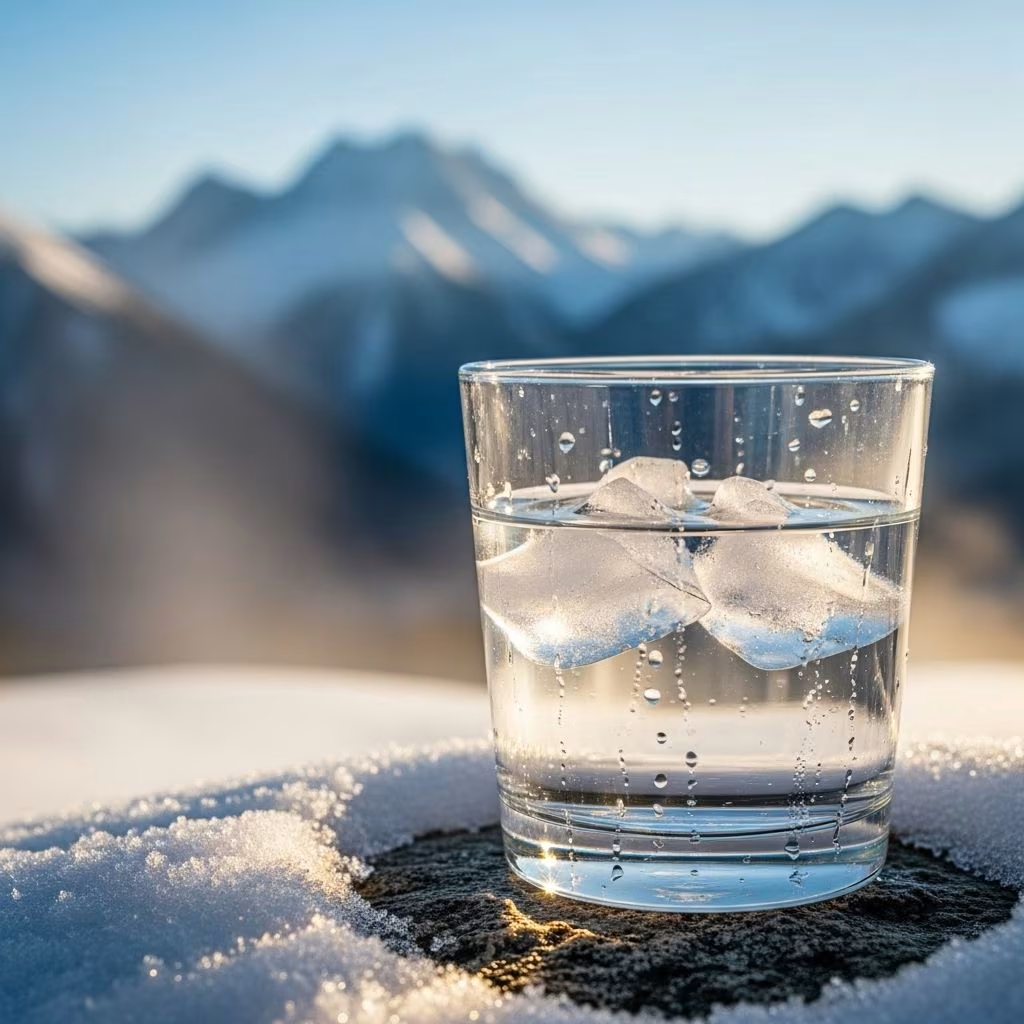
The practice of drinking melted snow water has fascinated humans for centuries, with many cultures attributing healing properties to this natural source of hydration. As interest in natural and sustainable water sources grows, understanding the benefits and safety considerations of consuming melted snow water becomes increasingly important. This comprehensive guide explores everything you need to know about drinking melted snow water, from its potential health benefits to essential safety precautions.
What is Melted Snow Water?
Melted snow water, also known as meltwater, is the liquid form of snow that has undergone the natural or artificial process of melting. This type of water is categorized into two main types: snow water, which comes from melted snow and is often referred to as “living” water, and ice water, which is produced by melting ice from natural bodies of water.
The unique properties of melted snow water stem from its formation process. Snow forms when water vapor in the atmosphere crystallizes around microscopic particles, creating a structure that differs from regular tap water. This process results in water with distinct characteristics that have captured the attention of researchers and health enthusiasts alike.
Potential Health Benefits of Melted Snow Water
Enhanced Bioavailability
One of the most significant advantages of melted snow water lies in its excellent bioavailability for the human body. The water has a high density and low salt content, making it softer than conventional tap water. This enhanced bioavailability means that the body can more easily absorb and utilize the water, potentially leading to better hydration at the cellular level.
Immune System Support
Consuming melted snow water may help strengthen the overall immune system and increase physical endurance. The low calcium salt content in meltwater is believed to help free cells from accumulated toxins and metabolic waste products, supporting the body’s natural detoxification processes.
Potential Therapeutic Applications
Proponents of melted snow water consumption suggest it may help with various health conditions, including:
- High blood pressure and respiratory issues
- Joint problems such as polyarthritis
- Circulatory issues like varicose veins
- Weight management concerns
- Gastrointestinal disorders
- Skin conditions including psoriasis and eczema
Cellular Rejuvenation
The detoxification process associated with consuming melted snow water is said to lead to cellular rejuvenation, potentially resulting in improvements in appearance and overall well-being. This process may take between six months to a year, beginning with the organs that require the most support.
Safety Considerations and Risks
Contamination Concerns
While fresh snow can be remarkably pure, it can also contain various contaminants that pose health risks. Snow acts as a natural filter as it falls through the atmosphere, potentially collecting pollutants, bacteria, viruses, and heavy metals along the way. In urban areas and heavily polluted regions, these contamination levels can be particularly high and dangerous for human consumption.
Microbiological Risks
Melted snow water can harbor harmful microorganisms, including bacteria, viruses, and parasites that can cause illnesses such as diarrhea, nausea, and vomiting. These pathogens can be present even in seemingly clean snow, making proper treatment essential before consumption.
Chemical Contamination
Snow can contain various chemicals, including pesticides, heavy metals, and industrial pollutants. The concentration of these substances depends largely on the location where the snow was collected and the environmental conditions in the area.
Proper Collection Methods for Safe Snow Water
Choosing the Right Snow
To collect safe snow for melting and consumption, several important guidelines should be followed:
- Only use freshly fallen snow or old snow from shaded, undisturbed areas
- Avoid collecting snow from urban areas, roadsides, or industrial zones
- Select snow that is pristine white and comes from the top layer
- Ensure the collection area is free from obvious contamination sources
Collection Equipment and Process
Use clean, food-grade containers for snow collection, preferably stainless steel or food-safe plastic. Avoid using containers that may have been exposed to chemicals or other contaminants. When collecting, gather snow from multiple clean locations to ensure the best quality sample.
Safe Melting and Treatment Procedures
Melting Process
The collected snow should be stored in a clean, covered container such as an enameled bucket. To accelerate the melting process safely:
- Place the container in a bowl of warm water
- Never heat snow directly on a stove or in an oven
- Allow the snow to melt naturally at room temperature when possible
- Discard any snow that produces resinous residue at the bottom
Filtration and Purification
After melting, the water should undergo several treatment steps:
- Filter the melted water through fine cloth or a clean coffee filter
- Transfer the filtered water to a clean glass container
- Boil the water until bubbles begin to rise to eliminate pathogens
- Allow the water to cool before consumption
- Store the treated water in a tightly sealed, clean container
Best Practices for Consumption
Gradual Introduction
When transitioning from tap water to melted snow water, it’s important to proceed gradually. The body may need time to adjust to the different mineral content and properties of meltwater. Start with small amounts and monitor your body’s response.
Recommended Consumption Guidelines
For those choosing to consume melted snow water:
- Drink one glass of treated snow water daily, preferably 30 minutes before meals
- Limit initial consumption to one or two handfuls of snow per day
- Use treated snow water within one week for optimal benefits
- Enhance taste with natural additives like lemon juice or honey if desired
Environmental and Sustainability Considerations
One of the appealing aspects of melted snow water is its sustainability. Snow is a natural, renewable resource that doesn’t require energy-intensive treatment plants or plastic packaging. This makes it an environmentally friendly alternative to bottled water, provided it can be collected and treated safely.
However, the environmental benefits must be weighed against the potential risks and the energy required for proper treatment and purification.
Scientific Research and Evidence
While anecdotal evidence supports many claims about melted snow water benefits, scientific research on the topic remains limited. Some studies have shown interesting results, such as experiments where plants watered with snow water produced significantly higher yields than those watered with tap water. However, more rigorous scientific studies are needed to substantiate health claims for human consumption.
Comparison with Other Water Sources
| Water Source | Purity Level | Mineral Content | Treatment Required | Accessibility |
|---|---|---|---|---|
| Fresh Snow Water | Variable | Low | High | Seasonal/Geographic |
| Tap Water | Regulated | Moderate | Pre-treated | High |
| Bottled Water | Variable | Variable | Pre-treated | High |
| Well Water | Variable | High | Testing Required | Geographic |
Important Medical Considerations
It’s crucial to understand that melted snow water should never be used as a substitute for prescribed medications or professional medical treatment. Individuals with pre-existing health conditions should consult healthcare professionals before making significant changes to their water consumption habits.
The detoxification claims associated with melted snow water consumption lack substantial scientific backing, and the body’s natural detoxification systems through the liver and kidneys are generally sufficient for healthy individuals.
Frequently Asked Questions (FAQs)
Q: Is it safe to drink melted snow water without treatment?
A: No, melted snow water should always be properly filtered and boiled before consumption to eliminate potential pathogens and contaminants.
Q: How long can treated snow water be stored?
A: Treated snow water should be consumed within one week for optimal benefits and safety. Store it in a clean, sealed glass container in the refrigerator.
Q: Can melted snow water replace all my daily water intake?
A: It’s recommended to introduce melted snow water gradually and not completely replace your regular water intake without consulting a healthcare professional.
Q: What types of snow should be avoided for melting and drinking?
A: Avoid snow from urban areas, roadsides, colored snow, old dirty snow, and snow that has been in contact with potential contamination sources.
Q: Are there any contraindications for drinking melted snow water?
A: While there are no specific contraindications, individuals with compromised immune systems, kidney problems, or those taking medications should consult healthcare providers first.
Conclusion
Drinking melted snow water can be a safe and potentially beneficial practice when proper collection, treatment, and consumption guidelines are followed. While the claimed health benefits require more scientific validation, the practice offers a sustainable alternative to conventional water sources in appropriate circumstances.
The key to safely consuming melted snow water lies in careful source selection, proper treatment procedures, and gradual introduction to your diet. Always prioritize safety by thoroughly treating melted snow water before consumption and consulting healthcare professionals if you have any underlying health conditions.
Remember that melted snow water should complement, not replace, professional medical care and prescribed treatments. As with any significant dietary change, approach melted snow water consumption thoughtfully and prioritize your health and safety above all else.
References
- https://www.wasserladenonline.com/en/blog/post/meltwater-for-well-being-and-the-mind
- https://www.sjwave.com/pages/can-you-trust-rainwater-and-snow-melt-for-safe-drinking-water
- https://draxe.com/nutrition/can-you-eat-snow/
- https://health.clevelandclinic.org/can-you-eat-snow
- https://talavoda.com/en/blog/talaja-voda
- https://backpackinglight.com/forums/topic/65171/
- https://sectionhiker.com/how-long-should-you-boil-snowmelt-in-winter/


