


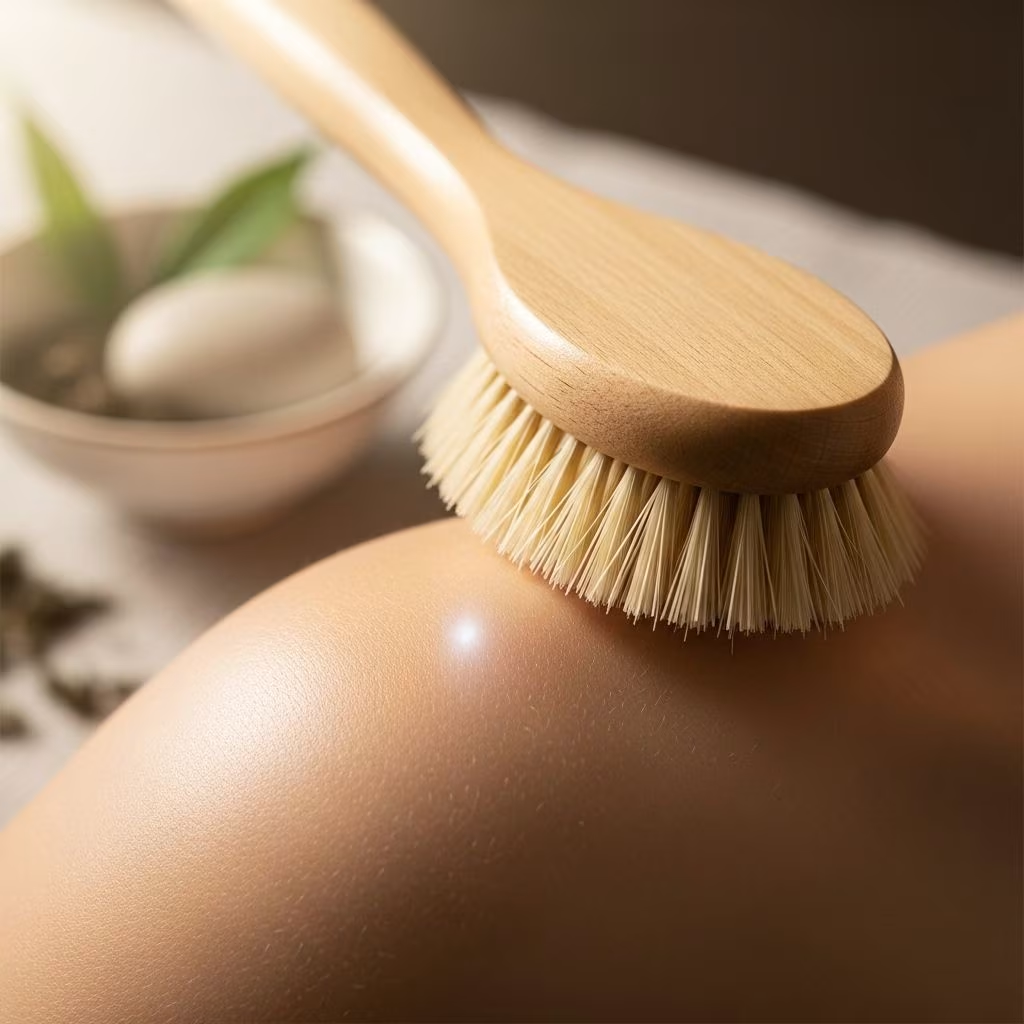
Dry brushing is an age-old wellness ritual experiencing a surge in popularity as more people seek natural ways to revitalize their skin and promote holistic well-being. By simply sweeping a dry, natural-bristle brush across your skin, you can unlock a host of benefits—ranging from enhanced circulation and lymphatic drainage to improved skin texture and stress relief. This comprehensive guide delves into the science, techniques, benefits, and precautions of dry brushing, offering actionable insights to help you rejuvenate your skin and health.
What Is Dry Brushing?
At its core, dry brushing is the practice of sweeping a dry, bristled brush over the skin in a particular pattern, typically before bathing. The technique has roots in various ancient medical traditions and is celebrated today for both its skincare and whole-body wellness effects. Unlike wet exfoliation or scrubbing, dry brushing uses a completely dry brush on dry skin, producing unique mechanical stimulation of the skin and underlying tissues.
How Does Dry Brushing Work?
Dry brushing works on several levels:
- Exfoliation: The brush’s firm natural bristles remove dead skin cells, helping open pores and encourage natural skin renewal.
- Lymphatic stimulation: Brushing stimulates tiny lymph vessels directly beneath the skin, prompting the movement of lymph fluid and thereby aiding toxin removal.
- Circulatory boost: The physical brushing promotes increased blood flow to the skin’s surface, enhancing the delivery of oxygen and nutrients to these cells.
- Neural effects: The repetitive, rhythmic motion calms the nervous system, providing a boost to mental well-being and relaxation.
These combined effects make dry brushing a holistic ritual for both body and mind.
Key Benefits of Dry Brushing
- Supports healthy lymphatic drainage and detoxification
- Improves circulation to promote glowing, nourished skin
- Gently exfoliates dead skin cells for softer, smoother skin
- May help decrease inflammation and water retention
- Reduces the appearance of cellulite (anecdotal reports; limited scientific data)
- Relieves stress and soothes anxiety through calming, meditative movements
- Supports hormonal balance and reproductive health by aiding in detoxification and stress reduction
Skin Health Benefits
One of the most noticeable results of consistent dry brushing is the transformation of the skin’s surface. Here’s how:
- Mechanical exfoliation removes dead skin cells, unclogs pores, and allows for better absorption of moisturizing products.
- Prevents ingrown hairs by keeping follicles and pores clear.
- Improves skin texture and gives a healthy, vibrant glow.
- May reduce rough patches associated with keratosis pilaris and other common conditions.
Circulation & Detoxification: The Science
Everyone wants glowing, healthy skin—but did you know your skin is also a detoxification organ? When your body’s primary detox organs (the liver and kidneys) are overburdened, your skin takes on a secondary cleansing role. Dry brushing helps by:
- Enhancing circulation: The brushing motion increases blood flow at the skin’s surface, which supports better skin oxygenation and repair.
- Lymphatic drainage: The lymphatic system relies on movement to circulate lymph. Dry brushing moves lymph towards central drainage points (lymph nodes), helping to clear toxins, cellular debris, and even excess hormones like estrogen.
- Assisting overall detoxification: With improved lymph and blood flow, your body can process and eliminate metabolic waste more efficiently. This may alleviate symptoms of sluggish detoxification such as bloating, puffiness, and fatigue.
Scientific note: While many health professionals support dry brushing’s benefits for circulation and lymph flow, high-level clinical trials are limited. Nonetheless, manual techniques like Japanese kanpumasatsu (similar to dry brushing) have shown improved immune function and circulation in preliminary research.
Hormonal Balance & Fertility Support
Hormonal health is intimately tied to the body’s detoxification and relaxation systems. Dry brushing adds support in several ways:
- Estrogen clearance: Excess estrogen can contribute to PMS, heavy periods, and mood swings. Enhanced lymphatic drainage helps eliminate metabolized estrogen from the body.
- Progesterone balance: By supporting relaxation and estrogen detoxification, dry brushing may indirectly help maintain stable progesterone levels—important for cycle regularity and mood.
- Fertility and reproductive function: Improved blood flow to reproductive organs and reduced stress collectively create a more favorable environment for natural conception.
- Nervous system support: The ritual of dry brushing can calm the HPO axis (hypothalamic-pituitary-ovarian axis), pivotal for all hormone signaling in the body.
Mental Health & Stress Relief
Emerging research and practitioner experience indicate that dry brushing isn’t just skin-deep in its effects. As a mindful, repetitive ritual, it offers:
- Activation of the parasympathetic nervous system, reducing stress and anxiety
- Calm and ground the mind before or after a busy day
- Sense of self-compassion and body connection, similar to meditation or mindful self-touch
These benefits may further support hormonal balance, immunity, and overall well-being.
How to Dry Brush: Step-by-Step Guide
Effective dry brushing is all about consistency and technique. Here’s a practical guide:
- 1. Choose your brush: Select a natural-bristle brush (avoid synthetics) with moderately firm bristles; a long handle aids in reaching your back and lower legs.
- 2. Start with dry skin: Brush before showering for maximum exfoliation benefits.
- 3. Begin at the feet: Use long, gentle strokes upward towards your heart. Apply lighter pressure on sensitive areas.
- 4. Move up the legs, thighs, and hips: Brush in an upward (or circular) direction, always towards the core of your body.
- 5. Address arms and torso: Start at your hands and move inward; when on your torso, use circular motions over the abdomen and small, gentle strokes on the chest.
- 6. Focus on lymphatic areas: Spend extra time on the armpits, groin, and back of knees to support lymphatic flow.
- 7. Avoid broken, irritated, or sensitive skin: Skip over rashes, wounds, or conditions such as eczema.
- 8. Shower immediately after: Rinse off exfoliated skin cells and toxins. Complete with a natural oil or moisturizer.
- 9. Frequency: Aim for 2–5 times per week, based on skin sensitivity.
Choosing the Right Brush
Not all brushes are created equal. Look for these features when selecting yours:
- Bristle type: Natural bristles (like boar or plant fiber) are best; avoid synthetic bristles which can scratch or irritate.
- Firmness: Choose a brush that offers a firm, but not harsh, stimulation.
- Handle: A long handle allows for easier brushing of hard-to-reach places like the back.
- Detachable head (optional): Useful for travel or switching between body and face brushes.
Brushes should be rinsed and air-dried weekly to prevent bacterial build-up.
Common Mistakes & Safety Tips
- Over-brushing: More isn’t always better—overzealous brushing can irritate or sensitize the skin.
- Brushing over inflamed or broken skin: Avoid culprit areas; this includes eczema, sunburn, open wounds, or skin infections.
- Using a dirty brush: Accumulated dead skin and debris can transfer bacteria back to the skin; rinse and dry your brush regularly.
- Excessive pressure: Use gentle, not aggressive, strokes. The goal is stimulation, not abrasion.
- Skipping hydration: Always follow with moisturizer after brushing and bathing.
Frequently Asked Questions (FAQs)
Q: Can dry brushing help with cellulite?
A: Dry brushing may temporarily improve the appearance of cellulite by boosting circulation and lymph drainage, but there’s limited evidence for long-term reduction.
Q: Is dry brushing safe for everyone?
A: Most healthy adults can safely dry brush, but those with sensitive skin, eczema, psoriasis, or open wounds should avoid or consult a dermatologist first.
Q: How often should I dry brush?
A: 2–5 times per week is optimal for most, though you can adjust based on your skin’s sensitivity. Over-brushing may cause irritation.
Q: Can I dry brush my face?
A: Only with a very soft, fine-bristle brush made for facial use—never use a body brush on the face, as facial skin is much more delicate.
Q: What’s the difference between dry brushing and exfoliating scrubs?
A: Dry brushing uses mechanical stimulation with a brush on dry skin, while scrubs use abrasive products, often with oils, on wet skin. Dry brushing offers lymphatic benefits in addition to exfoliation.
Q: When is the best time to dry brush?
A: In the morning before showering to wake up your skin and stimulate energy; however, evenings are also suitable for a relaxing wind-down routine.
Quick Reference: Dry Brushing Basics
| Step | Instructions |
|---|---|
| 1. Select Brush | Natural bristles; medium firmness; long handle |
| 2. Preparation | Start on dry, clean skin before showering |
| 3. Brushing Direction | Always swipe toward the heart |
| 4. Sensitive Areas | Avoid rashes, wounds, face (use special face brush only) |
| 5. Follow Up | Shower, then apply moisturizer or oil |
| 6. Frequency | 2–5 times per week as tolerated |
Final Thoughts
Dry brushing is a simple, affordable, and deeply nurturing practice that offers a spectrum of benefits—from softer, glowing skin to better circulation, gentle detoxification, and a sense of calm. When performed with care and consistency, it can become a cherished part of your personal wellness routine, supporting inner and outer radiance.
References
- https://www.theviolettehouse.com/blog/dry-brushing-for-hormone-balance-a-simple-ritual-with-big-benefits
- https://aanmc.org/naturopathic-medicine/dry-brushing-for-skin-and-detox/
- https://johnscreekchiropractic.com/dry-brushing-for-beginners-a-simple-way-to-support-your-bodys-detox-process/
- https://higherdose.com/blogs/the-high-life-blog/benefits-of-dry-brushing-go-beyond-smooth-skin
- https://wildling.com/blogs/news/dry-brushing-lymphatic-drainage
- https://health.clevelandclinic.org/the-truth-about-dry-brushing-and-what-it-does-for-you
- https://www.healthline.com/health/dry-brushing


