


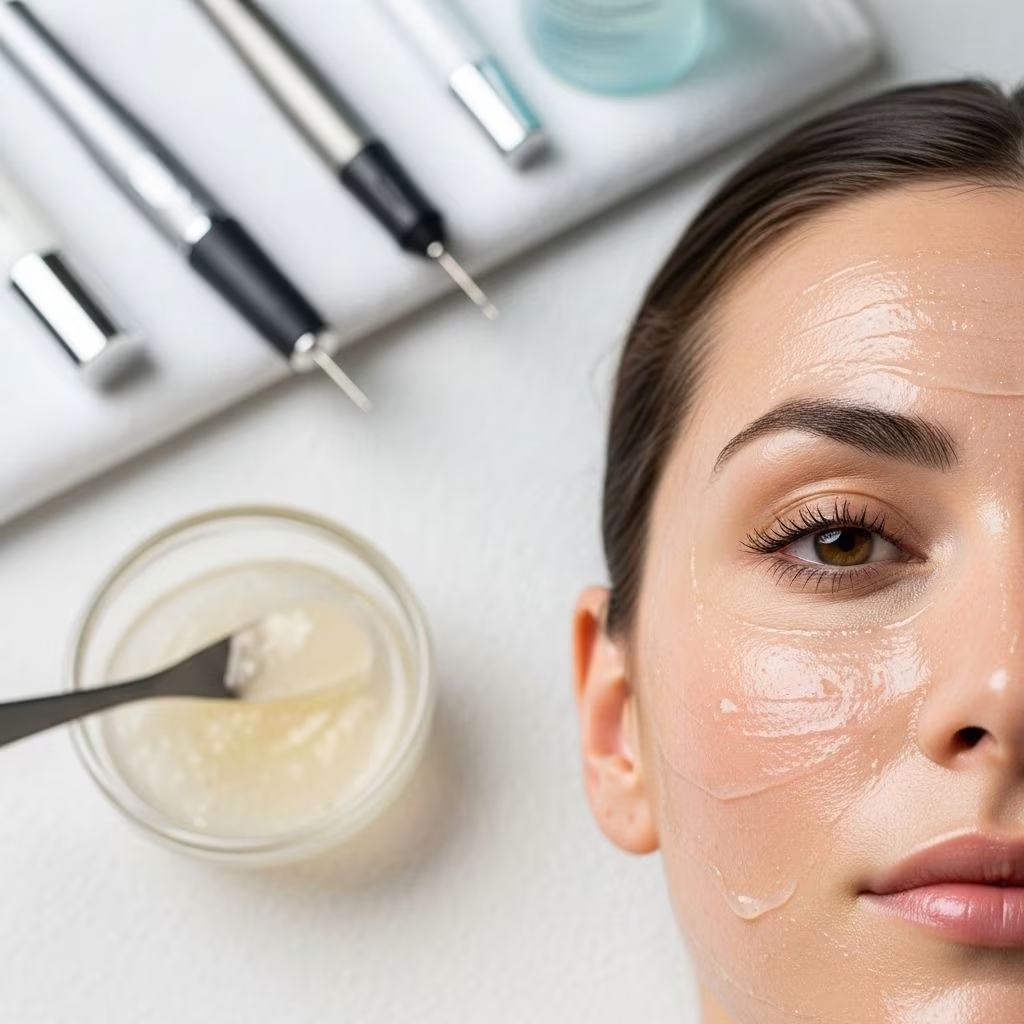
Enzyme Prep for Microneedling: Boost Treatment Results
Microneedling is a revolutionary cosmetic procedure that uses ultra-fine needles to create controlled micro-injuries in the skin, stimulating the body’s natural healing process and boosting collagen production. Pairing microneedling with enzyme therapy as a preparatory step can significantly maximize its benefits, enhance skin health, and accelerate treatment results.
Introduction to Microneedling
Microneedling, also known as collagen induction therapy, is a minimally invasive procedure typically performed using a tool called a dermaroller or a motorized pen. The device makes thousands of microscopic punctures in the superficial skin layers. These micro-injuries activate a cascade of healing responses, including the release of growth factors and recruitment of fibroblasts—the cells that synthesize collagen and elastin.
The popularity of microneedling stems from its versatility and efficacy in treating a wide range of skin concerns, including:
- Acne scars
- Fine lines and wrinkles
- Skin laxity
- Stretch marks
- Pigmentation issues
- Enlarged pores
Principles and Benefits of Microneedling
Microneedling is grounded in the principle of controlled micro-injury. By targeting the skin’s deeper layers without ablating the surface, it prompts the following biological mechanisms:
- Collagen Induction: Stimulation of fibroblast activity results in new collagen and elastin formation, improving skin structure and resilience.
- Neovascularization: Promotes new blood vessel formation, increasing skin nourishment and vitality.
- Enhanced Product Absorption: Temporarily bypasses the stratum corneum to allow deeper penetration of topical agents, including peptides, vitamins, and medicinal substances.
These changes can lead to up to a 400% increase in collagen and elastin deposition months after repeated treatments.
The innovation of radiofrequency (RF) microneedling combines the mechanical action of needles with heat energy, further intensifying collagen synthesis and skin tightening.
Role of Enzymes in Skin Health
Enzyme therapy harnesses biological catalysts—usually derived from fruit or plant sources—to decompose dead skin cells, excess proteins, and other accumulated impurities. The process gently resurfaces the skin without the risk associated with harsher chemical or physical exfoliation methods.
- Accelerated Cell Turnover: Enzymes encourage rapid renewal of skin cells for a youthful, radiant appearance.
- Non-Invasive and Gentle: Unlike peels or mechanical scrubs, enzymes do not damage healthy cells and minimize irritation—even for sensitive skin.
- Restoration of Skin Function: Enzyme treatments normalize sebum production, detoxify tissues, and balance pH levels.
- Reduction of Acne and Pigmentation: Regular enzyme therapy helps reduce post-inflammatory hyperpigmentation and diminishes blemishes.
- Enhanced Hydration: Many enzyme formulas contain hydrating botanicals such as aloe vera for added plumpness and suppleness.
Enzyme Prep Before Microneedling
Preparing the skin with enzyme therapy prior to microneedling creates the optimal environment for maximal treatment efficacy. By removing surface debris and dead protein, enzyme prep enables:
- Unimpeded needle penetration and uniform microchannel formation
- Minimized risk of post-procedural congestion or breakouts
- Improved tolerance and healing response
- Reduced inflammation and downtime
Enzyme prep also primes the skin’s detoxification and healing pathways, ensuring growth factors released during microneedling can be optimally utilized for regeneration.
Comparison Table: Enzyme Prep vs. No Prep Before Microneedling
| Aspect | With Enzyme Prep | Without Prep |
|---|---|---|
| Collagen Response | Fully optimized | Variable, may be reduced |
| Risk of Irritation | Lower due to debris removal | Higher due to surface blockages |
| Product Absorption | Enhanced penetration | Restricted by surface buildup |
| Healing Rate | Faster and more uniform | Potential for delayed recovery |
Scientific Basis for Combination Therapy
Several studies and clinical observations support the synergistic potential of enzyme therapy with microneedling. Enzyme treatments remove dead cells and excess protein, which otherwise impede the uniform formation of microchannels, and help normalize skin physiological responses.
Microneedling increases the uptake of applied serums and medications, while enzyme-prepped skin responds better, absorbing active ingredients more efficiently and reducing the risk of adverse post-inflammatory pigmentation and congestion.
Key mechanisms include:
- Reverse osmosis action (in DMK Enzyme Therapy) clears toxins and optimizes oxygenation.
- Enhanced blood circulation supports fibroblast migration and amplifies collagen production.
- Matrix metalloproteinase modulation can reduce hyperpigmentation following procedures.
Clinical Benefits and Applications
Combining enzyme prep with microneedling has yielded exceptional clinical outcomes:
- Acne Scar Reduction: Enzyme therapy improves post-acne healing, while microneedling promotes scar remodeling through new collagen synthesis.
- Wrinkle Reduction: Both treatments smooth out fine lines and promote elasticity, revealing younger-looking skin.
- Pigmentation Control: Normalization of skin turnover and reduction of post-inflammatory hyperpigmentation.
- Stretch Marks and Textural Irregularities: Enhanced tissue renewal and collagen deposition reduce the appearance of stretch marks.
- Treatment of Sensitive or Problematic Skin: Gentle nature of enzyme therapy prevents irritation and facilitates safe microneedling even in sensitive populations.
Dermatologists widely recommend combination treatments for those seeking significant cosmetic improvements with minimal downtime.
Step-by-Step Enzyme Prep Process
An optimal protocol for enzyme prep before microneedling should be guided by a skincare professional and typically includes:
- Cleansing: Use a gentle, sulfate-free cleanser to remove environmental impurities and ready the skin for enzyme application.
- Enzyme Mask/Treatment: Apply the selected enzyme mask (commonly containing fruit enzymes such as papain or bromelain) or professional DMK Enzyme Therapy. Allow the mask to remain for the recommended duration, typically 20–45 minutes, to fully activate biological processes.
- Massage and Lymphatic Stimulation: Some protocols include a light facial massage to enhance enzyme penetration and stimulate drainage of toxins and excess fluids.
- Rinsing and Skin Assessment: Thoroughly rinse off the mask and examine how the skin responds—ensuring no residual irritation or redness remains.
- Microneedling Procedure: Proceed with microneedling using a sterile device, adjusting needle depth to suit the patient’s indication (shallow for superficial rejuvenation, deeper for scar treatment).
- Post-Treatment Soothing: Apply hydrating and anti-inflammatory serums formulated for post-microneedling care to accelerate healing.
- Sun Protection: Advise strict photoprotection for several days following treatment with a broad-spectrum SPF.
It is essential to avoid retinoids, harsh acids, or abrasive scrubs for several days before and after treatment to prevent inflammation and optimize results.
Frequently Asked Questions (FAQs)
Q: Why is enzyme prep superior to standard exfoliation before microneedling?
A: Enzyme prep specifically targets dead protein and cellular debris without harming living tissue, reducing the risk of irritation and enhancing microneedling efficacy.
Q: Can enzyme prep help prevent post-microneedling breakouts?
A: Yes, thorough removal of surface debris by enzymes limits bacterial growth and congestion, reducing breakout risk after treatment.
Q: Are all enzyme masks suitable for prep, or should I use a specific variety?
A: Professional enzyme treatments such as DMK Enzyme Therapy are preferred, but at-home masks with papain (papaya enzyme), bromelain (pineapple enzyme), or pumpkin enzymes can be effective if chosen for your skin type.
Q: Is this combination safe for sensitive skin?
A: Yes, enzyme therapy is gentle and non-abrasive, making it a safe preparatory option for even sensitive or compromised skin. However, always consult a licensed provider.
Q: What results can I expect and how soon?
A: Most patients notice improved smoothness, radiance, and collagen density within weeks of their initial session, with cumulative benefits over three or more treatments.
Summary of Best Practices
- Always consult with a licensed aesthetician or dermatologist for assessment and protocol customization.
- Integrate enzyme therapy as a routine pre-microneedling step for optimal outcomes.
- Mind post-procedural care—hydration, sun protection, and avoidance of irritants are essential.
- Schedule treatments at intervals recommended by your provider (often 4–6 weeks apart for microneedling).
Enzyme therapy and microneedling are powerful allies in the quest for healthy, rejuvenated skin. By combining their strengths, patients can reduce scars, minimize wrinkles, brighten skin tone, and restore youthful structure—all with minimal discomfort and downtime.
References
- https://pmc.ncbi.nlm.nih.gov/articles/PMC4976400/
- https://www.drtyrone.com/patient-info/blog/the-major-benefits-of-rf-microneedling/
- https://www.coastalmassagewellness.com/post/how-to-address-acne-scars-with-microneedling-dmk-enzyme-therapy-and-chemical-peels
- https://purebeautyaesthetics.net/enzyme-therapy-for-wrinkle-reduction/
- https://my.clevelandclinic.org/health/treatments/23113-microneedling
- https://casmedispa.com/blog/what-are-the-benefits-of-enzyme-treatment/
- https://philipjohnsonsalon.com/2024/06/04/the-incredible-benefits-of-enzymes-in-skincare-services/
- https://westashevilleaesthetics.com/dmk-facial-treatments/


