


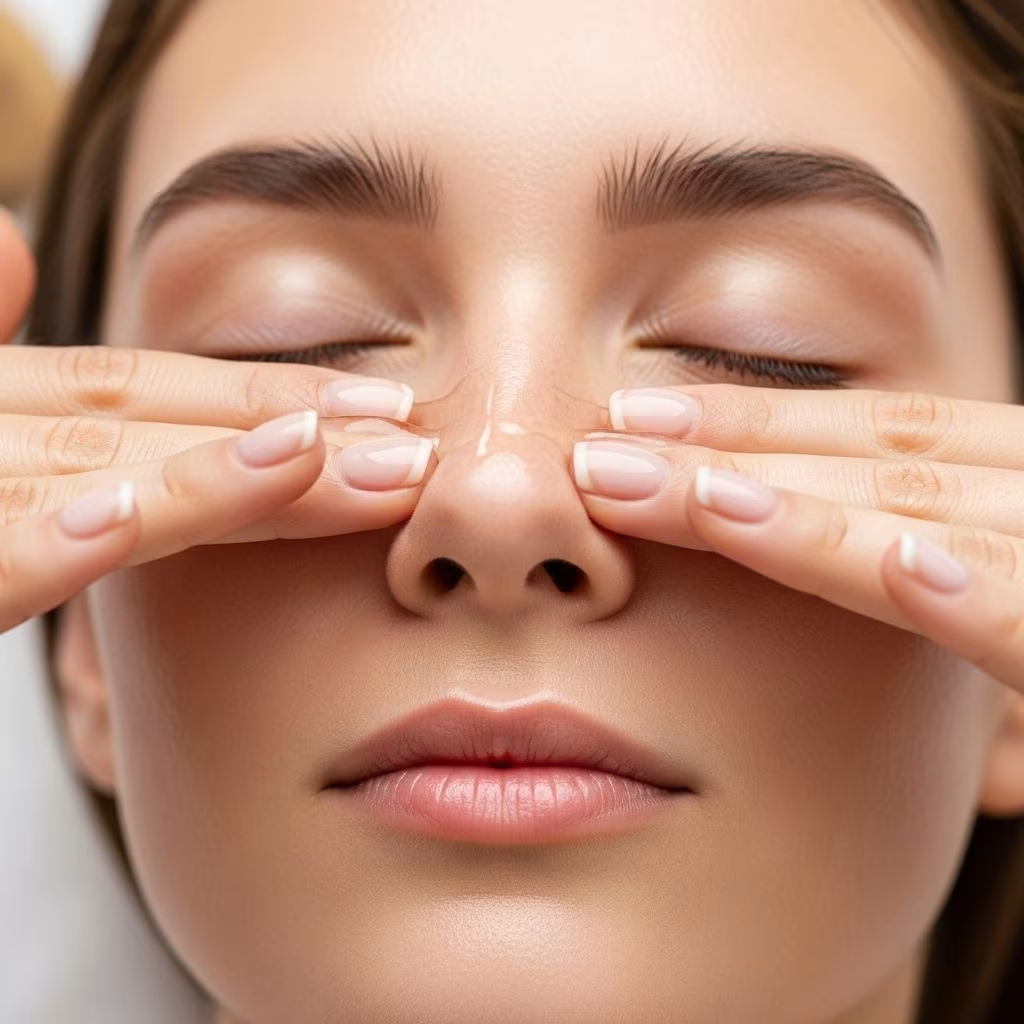
The T-zone—forehead, nose, and chin—is notorious for accumulating oil, dead skin, and impurities, making it a hotspot for congestion and breakouts. Facial massage offers a scientifically supported, non-invasive approach to managing T-zone congestion, transforming skin texture, clarity, and overall health. This comprehensive guide explores the mechanisms, techniques, and expert advice for integrating facial massage into your skincare routine, unlocking a pathway to balanced, radiant skin.
Understanding T-Zone Congestion
The T-zone refers to the central part of the face encompassing the forehead, nose, and chin. This area typically houses more active sebaceous (oil) glands, which can lead to increased oiliness and clogged pores. T-zone congestion, characterized by blackheads, whiteheads, enlarged pores, and breakouts, represents a combination of excess sebum, improper shedding of dead skin cells, environmental pollutants, and bacterial growth.
- Forehead: Prone to developing small bumps, uneven skin texture, and shiny appearance.
- Nose: Common site for visible blackheads and sebaceous filaments.
- Chin: Frequent area for hormonal breakouts, especially in adults.
Factors contributing to T-zone congestion include hormonal fluctuations, genetics, improper skincare, diet, stress, environmental exposures, and using comedogenic products.
How Facial Massage Addresses T-Zone Congestion
Facial massage is recognized for its ability to stimulate lymphatic drainage, enhance blood circulation, and facilitate toxin removal. By gently manipulating the skin and underlying structures, facial massage can:
- Mobilize and loosen sebaceous blockages
- Encourage proper flow and drainage of interstitial fluids
- Detoxify by supporting lymph movement and toxin clearance
- Reduce puffiness caused by fluid retention
- Decrease the likelihood of congested pores and comedones
Scientific studies have demonstrated that facial massage increases local circulation and lymphatic flow, reduces inflammation, and delivers nutrients to skin cells, supporting skin healing and resilience.
Key Benefits of Facial Massage for T-Zone
Regular and properly performed facial massage offers a range of targeted benefits for individuals struggling with T-zone congestion:
- Balances Sebum Production: Helps distribute natural oils more evenly, reducing excessive buildup in the T-zone.
- Decongests Pores: Manual movements dislodge impurities and encourage their elimination, supporting clearer pores.
- Improves Circulation: Enhances blood and oxygen supply to the skin, promoting cell renewal and healthier tissue.
- Boosts Lymphatic Drainage: Aids in removing toxins and excess fluids, minimizing puffiness and inflammation.
- Enhances Absorption of Treatments: Prepares the skin to better absorb active ingredients from serums and creams.
- Reduces Stress: Relieves tension in facial muscles, which can contribute to congestion and breakouts, particularly around the jaw and forehead.
- Promotes Healing: Stimulates collagen production, improving elasticity and supporting recovery from breakouts.
Essential Facial Massage Techniques for T-Zone
Not all facial massage methods are equal—specific techniques effectively address T-zone congestion. Here are evidence-backed methods to try:
1. Lymphatic Drainage Massage
- Use light, rhythmic, upward strokes from the chin along the jawline and nose, sweeping towards the hairline and ears.
- This movement stimulates the lymphatic system, reducing puffiness and transporting toxins away from congested areas.
2. Circular Motions on the T-zone
- Use your fingertips to gently perform small, circular movements along the forehead, down the bridge of the nose, and across the chin.
- This helps dislodge impurities inside pores and boosts microcirculation.
3. Pressure Point Massage
- Identify pressure points along the brow line, sides of the nose, and chin.
- Apply gentle but firm pressure for a few seconds on each point to help soothe congestion and calm inflammation.
4. Upward and Outward Strokes
- Start at the center of the forehead and glide outward toward the temples.
- Repeat from the sides of the nose outward across the cheeks to promote drainage.
- Finish by sweeping along the jawline toward the ears.
5. Kneading and Tapping
- For particularly stubborn congestion, use kneading (with fingertips) and gentle tapping to stimulate deeper tissue and break up blockages.
- Always use caution and moderate pressure, especially if skin is inflamed.
Customizing Facial Massage by Skin Type
| Skin Type | Recommended Techniques | Benefits for T-Zone |
|---|---|---|
| Oily / Acne-Prone | Gentle lymphatic drainage, cooling massage tools, non-comedogenic oils | Clears congestion, regulates oil, soothes inflammation |
| Combination | Dual techniques—hydrating for dry areas, oil-balancing for T-zone | Balances sebum, decongests T-zone, nourishes drier areas |
| Dry | Extra hydration, light kneading, avoid overstimulation | Prevents overdrying, supports healthy barrier function |
| Sensitive | Feather-light strokes, cool compresses, avoid friction | Reduces redness, calms irritation without adding congestion |
| Mature | Stimulate collagen with tapping/pinching, focus on elasticity | Improves tone, supports healing and renewal in congested areas |
Integrating Facial Massage Into Your Skincare Routine
Consistency and timing are crucial for optimal results. Here’s how to weave facial massage seamlessly into your regimen:
- Frequency: 2–4 times per week. Daily massage is suitable for robust, non-sensitive skin.
- Preparation: Always start with a clean face. Remove makeup and wash away surface oils.
- Application: Use a lightweight, non-comedogenic facial oil, gel, or serum to provide slip and prevent friction.
- Duration: 5–10 minutes per session is sufficient to see benefits without overstimulating the skin.
- Direction: Favor upward and outward strokes to lift and avoid dragging the skin downward.
Tools and Products for Effective T-Zone Massage
The following tools can elevate your massage and target T-zone congestion more efficiently:
- Fingertips: Your most sensitive and precise tool for gentle, targeted pressure.
- Jade Roller: Cools, soothes, and helps drain excess fluid and minimize swelling.
- Gua Sha Stone: Sculpting tool to aid in lymphatic drainage, decongest pores, and relieve tension.
- Silicone Brushes: Gently exfoliate and enhance product absorption without abrasion.
- Non-comedogenic Oils: Squalane, jojoba, and grapeseed are suitable for oily or acne-prone T-zones.
- Serums: Niacinamide or zinc serums support oil balance and calm the skin during and after massage.
Professional vs. DIY Facial Massage
Facial massage may be performed either by a licensed esthetician or at home. Here’s a comparative overview:
| Aspect | Professional Facial Massage | DIY Facial Massage |
|---|---|---|
| Technique | Advanced, customized to your skin’s needs | Simple, effective with practice |
| Products | Professional-grade tools and actives | At-home serums, oils, basic tools |
| Frequency | Monthly or as recommended | 2–4 times weekly |
| Benefits | Targeted, noticeable improvements | Maintenance, gradual improvements |
| Risks | Minimal (when performed by experts) | Possible irritation with incorrect technique |
Common Mistakes to Avoid
- Using harsh scrubs or excessive pressure, leading to microtears and increased oil production.
- Massaging over active inflammation, cystic acne, or broken skin, which can worsen irritation.
- Ignoring hygiene—always wash hands and cleanse skin before starting.
- Skipping suitable products—avoid heavy or comedogenic oils if you are prone to breakouts.
- Massaging in the wrong direction—favor upward and outward for lymphatic flow.
- Overdoing frequency or duration, which may overstimulate sebaceous glands or cause sensitivity.
Frequently Asked Questions (FAQs)
Q: Can facial massage eliminate blackheads in the T-zone?
A: Facial massage helps loosen and mobilize debris within the pores, making blackheads easier to remove, but does not eliminate them alone. Consistent massage, paired with exfoliation and proper skincare, offers the best results.
Q: How long does it take to see results from facial massage for congestion?
A: Most people notice improvement in texture, reduced puffiness, and enhanced glow after several sessions over a few weeks. For persistent congestion, combine with regular cleansing and targeted treatments.
Q: Is facial massage safe for acne-prone or sensitive skin?
A: With the right technique and products, yes. Use gentle strokes and non-comedogenic formulations, and avoid direct massage on inflamed or cystic areas.
Q: Should I perform facial massage before or after applying serums?
A: Massage may be done both ways. Start with a light oil or serum to provide glide, then follow with your regular treatment products for enhanced absorption.
Q: What signs suggest I should stop or pause facial massage?
A: If you notice increased irritation, sensitivity, breakout clusters, or discomfort, pause the practice and consult a skincare professional.
Conclusion
Facial massage is a cornerstone of modern, holistic skincare for relieving T-zone congestion. Through evidence-backed techniques, proper tools, and tailored approaches, you can effectively decongest pores, balance oils, and support clear, healthy skin. Consult a dermatologist or esthetician for advanced concerns, and remember—gentle, consistent care yields the greatest rewards for your complexion.
References
- https://sfintercare.com/blog/facial-massage-not-just-a-relaxation
- https://www.spatheory.com/spa-theory-wellness-beauty-blog/facial-massage-techniques-and-benefits
- https://www.lineerasermd.com/blog/benefits-of-facial-massage-for-skin-and-health/
- https://www.healthline.com/health/beauty-skin-care/facial-massage-benefits
- https://www.belvisomedicalspa.com/how-to-choose-the-best-facial-massage-for-your-skin-type
- https://xendurance.com/blogs/blog/benefits-of-face-massage-before-or-after-skincare
- https://bioelements.com/blogs/blog/face-massage


