


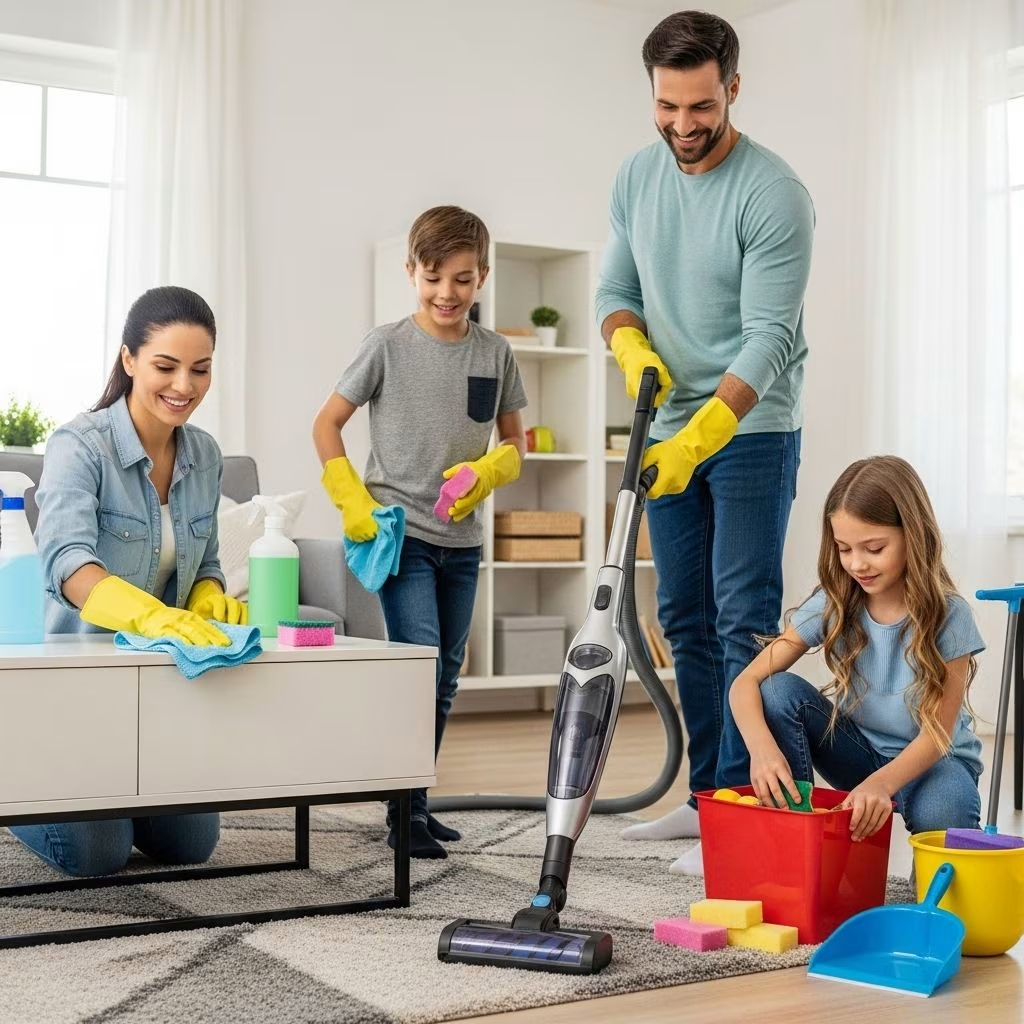
The family power hour cleaning routine has emerged as a transformative solution for busy households seeking order, cleanliness, and shared responsibility. By dedicating just one focused hour, families can reset their entire home, reduce clutter, and foster teamwork – all without overwhelm. This step-by-step guide explores the principles, preparation, and execution of a power hour cleaning, providing expert strategies and actionable insights for a seamlessly tidy living space.
What is Family Power Hour Cleaning?
Power hour cleaning refers to a targeted, high-intensity one-hour cleaning session where each family member focuses on specific tasks to make the greatest possible impact in the shortest amount of time. Unlike sporadic cleaning, this approach leverages teamwork and a timer to reset the home efficiently and effectively. The aim is not perfection but substantial progress: declutter, wipe surfaces, tidy, and refresh every high-traffic space in just 60 minutes.
A family power hour:
- Divides cleaning responsibilities among all household members
- Focuses on surface cleaning, decluttering, and essential resets
- Works room by room, often using a prepared checklist
- Encourages family bonding and shared accountability
Why the Power Hour Cleaning Routine Works
- Time-Efficient: Limiting cleaning to just one hour reduces procrastination and fits into even the busiest schedules.
- Teamwork: Involving the entire family divides the workload and builds a shared sense of purpose.
- Habit-Forming: Regular power hour sessions help maintain a clean home, preventing messes from accumulating beyond control.
- Less Overwhelm: Large tasks are broken down into manageable segments, making even deep cleans achievable over time.
- Motivational: The timer creates energy and focus, often turning cleaning into a game or challenge rather than a chore.
How to Prepare for a Family Power Hour Cleaning
Preparation lays the groundwork for an efficient, stress-free power hour:
- Gather Supplies: Stock a portable cleaning caddy with essential tools: disinfecting wipes, microfiber cloths, all-purpose spray, glass cleaner, toilet cleaner, sponges, trash bags, duster, gloves, vacuum, mop, laundry basket.
- Designate Tasks: Assign age-appropriate jobs to each family member. Rotate tasks weekly to develop various skills and keep things fresh.
- Create a Checklist: Prepare a clear, room-by-room checklist in advance—this ensures the family stays on task and addresses all priorities.
- Set the Timer: Use a kitchen timer, smartphone, or smart speaker to mark the 60-minute session. Consider energetic music or a playlist to keep momentum high.
- Dress for Success: Everyone should wear comfortable, washable clothes suitable for active cleaning.
- Quick Family Huddle: Before starting, review assignments, remind everyone of the time limit, and highlight the goal: progress, not perfection.
Step-by-Step Family Power Hour Cleaning Routine
The following step-by-step approach ensures your family’s cleaning session is as productive as possible. Tweak the order depending on your home’s layout and family’s needs.
1. Start a Load of Laundry (5 minutes)
- Gather dirty clothes from baskets, bathrooms, and bedrooms.
- Sort and start a load – often towels or general clothes.
- This multitasks by running laundry while the family cleans.
2. Collect Clutter in All Spaces (10 minutes)
- Hand each family member a basket or bin.
- Quickly move through living areas, kitchen, bedrooms, bathrooms, gathering out-of-place items (toys, cups, shoes, mail, etc.).
- Don’t get sidetracked—just collect and set aside for sorting at the end.
3. Work Room by Room for High-Impact Tasks (40 minutes)
Tackle the main rooms in the following order for best results, allocating approximately 8–12 minutes per room. The table below highlights typical distribution of time and main tasks:
| Room | Time (min) | Main Tasks |
|---|---|---|
| Kitchen | 10–12 |
|
| Living Room | 8–10 |
|
| Bedrooms | 8–10 |
|
| Bathrooms | 7–8 |
|
4. Final Touches and Wrap-up (5 minutes)
- Sort and put away items from clutter baskets—enlist kids to return their items to correct spots.
- Finish laundry cycle if time permits (e.g., transfer wet clothes to dryer).
- Do a quick check of high-traffic surfaces for extra shine (mirrors, glass tables, fixtures).
Room-by-Room Power Hour Cleaning Checklist
Kitchen
- Load dishwasher and start cycle
- Soak pots and pans in hot soapy water
- Wipe countertops, table, and frequent-touch appliances
- Declutter and wipe down surfaces (toaster, coffee maker, microwave)
- Sweep, mop, or vacuum floor
- Empty garbage bin
Living Room & Entryway
- Pick up toys, books, and electronics and put in baskets
- Collect trash (use a portable bag)
- Collect and move used plates, cups, or other items to the kitchen
- Straighten pillows and blankets
- Dust visible surfaces and shelves
- Vacuum or sweep high-traffic zones
- Tidy entryway shoes, coats, and bags
Bedrooms
- Make the bed(s) and fluff pillows/cushions
- Pick up clothes, toys, or other stray items
- Put dirty laundry in hamper, clean laundry in drawers or closets
- Quick dust on essential surfaces
- Vacuum or sweep floors
- If weekend: Swap out bedsheets
Bathrooms
- Spray toilet bowl, sink, and tub/shower with quick cleaner
- Let toilet cleaner sit, wipe other surfaces
- Use brush to scrub toilet
- Wipe down mirror and faucet
- Empty trash and replace liner
- Replace towels if needed
- Mop or wipe floor
Floors and Finishing Touches
- Use vacuum or broom to spot-clean hard floors and carpets throughout home
- Spot clean stubborn marks or spills on floors, walls, or glass as needed
- Return cleaning supplies to caddy, ready for next session
Keeping Kids Engaged and Motivated
Involving children in the power hour not only divides the work but builds lifelong habits:
- Make it a Game: Use timers, music, or even a reward system to keep energy high and cleaning fun.
- Assign Age-Appropriate Tasks: Young kids can sort toys or wipe low surfaces; older children can vacuum, dust, or sort laundry.
- Celebrate Success: Praise teamwork and reward with a favorite family activity post-clean (movie, snack, or outing).
- Rotate Tasks: Let kids swap jobs weekly to keep interest and foster well-rounded cleaning skills.
Tips for Success and Maintenance
- Stay Consistent: Schedule the family power hour on the same day and time each week to build a routine.
- Don’t Get Stuck: If encountering an overwhelming mess, just focus on quick wins (tidying, surfaces) and plan for a deeper session later.
- Double Power Hour for Deep Cleans: If needed, occasionally set aside two hours for larger tasks that rarely get attention.
- Keep Supplies Handy: A ready-to-go cleaning caddy reduces time wasted gathering materials each session.
- Use the Basket Method: Collect clutter in baskets or bins and return everything at the end to avoid breaking your cleaning momentum.
- Review and Reset: Finish each session by assessing what worked best and making note of any overlooked areas for next time.
Family Power Hour vs. Traditional Cleaning
| Aspect | Family Power Hour | Traditional Cleaning |
|---|---|---|
| Duration | 1 hour, focused | Several hours, often spread over days |
| Teamwork | Whole family involved, shared tasks | Often one person or split among few |
| Focus | Quick resets, high impact | Detailed, deep cleaning of specific areas |
| Motivation | High, timer/game aspect | Lower, can seem overwhelming |
| Maintenance | Weekly upkeep prevents big messes | Mess accumulates if skipped |
Frequently Asked Questions (FAQs)
Q: Do I need special products for a power hour cleaning session?
A: No, standard household cleaning supplies are sufficient. The key is having them organized and ready in a caddy for easy access.
Q: How do I keep the family motivated each week?
A: Make cleaning a team event—use music, a timer, and small rewards. Celebrate completing all the items on your checklist by enjoying quality time together or a special treat.
Q: What if we can’t finish everything in an hour?
A: Focus on the most impactful areas first: kitchen, bathrooms, and main living areas. If some tasks remain, note them for the next session or try a double power hour occasionally.
Q: Can young children really help?
A: Yes! Assign basic jobs like toy sorting, wiping low surfaces, or matching socks to help them contribute and build early responsibility.
Q: How often should we hold a family power hour?
A: Most families benefit from a weekly session, but adjust frequency based on your schedule and home’s needs. Supplement with quick daily resets for best results.
Conclusion
The family power hour cleaning routine isn’t just about sparkling counters and uncluttered rooms. It’s a practical, empowering tradition that builds life skills, instills teamwork, and removes the dread from home maintenance. By spending 60 purposeful minutes each week, your household can enjoy a cleaner, happier environment – and more time for what really matters.
References
- https://simpleinspiredblog.com/power-hour-cleaning/
- https://www.livingwellspendingless.com/speed-cleaning/
- https://budgetingforbliss.com/quick-power-hour-cleaning-tips/
- https://cleanmama.com/a-manageable-realistic-cleaning-routine-for-any-schedule/
- https://mummyoffour.com/cleaning-and-decluttering/power-hour-cleaning-tips/
- https://www.youtube.com/watch?v=2Z8bUv_-PT4
- https://thecrownedgoat.com/modern-day-cleaning-schedule-made-easy/
- https://www.mahikikensington.com/what-is-power-hour-cleaning-and-can-you-do-it-at-home/


