


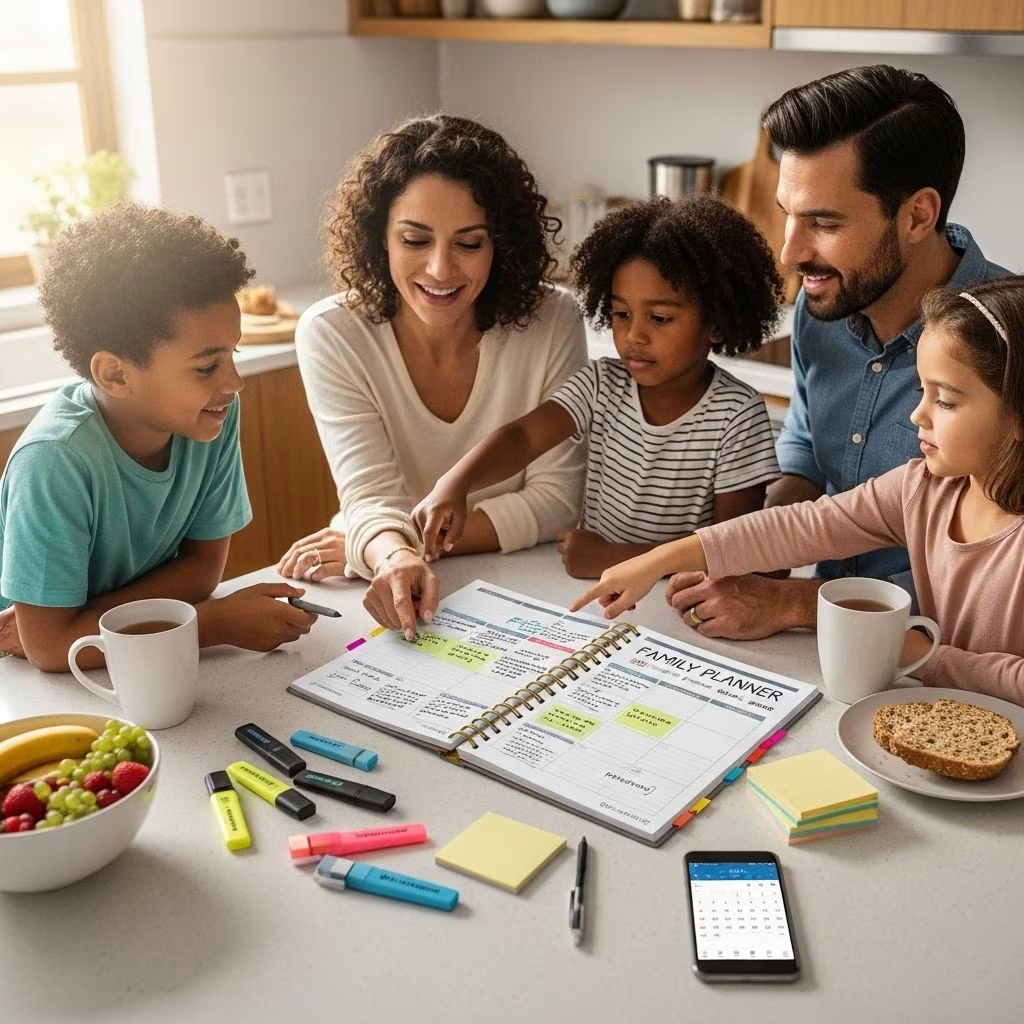
Parents and caregivers know that family life is full—and sometimes overwhelming. Building effective routines and schedules is one of the most powerful steps you can take for smoother family days. This comprehensive handbook explores why routines matter, what makes a great family schedule, and how to use visual tools to foster independence and reduce stress for everyone.
The Importance of Family Routines
Routines are more than just habits—they foster a sense of predictability and security for children and adults alike. For children, knowing what to expect throughout the day helps develop confidence and self-regulation, and can reduce anxiety or resistance to transitions.
- Promote independence: When children follow a familiar sequence of activities, they gradually learn to complete tasks on their own.
- Reduce daily stress: Predictable routines make it easier for everyone to know what’s coming next, minimizing surprises and power struggles.
- Strengthen family bonds: Shared routines—like breakfast together, storytime, or meal prep—create natural opportunities for connection.
- Support learning and time management: Children develop valuable life skills when taught to follow and eventually organize their daily activities.
Key Components of an Effective Family Schedule
No two families are alike, but effective schedules share common elements. Consider these pillars when building your own family routine:
- Consistency: Stick to regular start and end times for key activities—meals, homework, screen time, and bedtime.
- Flexibility: Allow room for occasional changes due to special events, holidays, or emergencies.
- Age-appropriate expectations: Adapt activities and responsibilities for each child’s developmental stage.
- Inclusion: Involve all family members in planning and share responsibilities—scheduling works best when everyone has a voice.
- Visual structure: Use charts, pictures, or color coding to make schedules accessible for every age and learning style.
Core Parts of the Day to Structure
- Morning Routine (getting up, dressing, breakfast, school preparation)
- Afternoon Routine (post-school activities, free play, homework, chores)
- Evening/Bedtime Routine (dinner, family time, hygiene, winding down for sleep)
Sample Table: Family Daily Schedule Structure
| Time Frame | Activity | Tips |
|---|---|---|
| 6:30-7:30 am | Wake up, personal care, breakfast | Use visual charts for morning steps |
| 7:30-8:00 am | School/daycare drop-off | Keep bag packed night before |
| 3:30-5:00 pm | Homework, snack, chores, playtime | Set a timer and checklist for focus |
| 5:30-7:30 pm | Dinner, family time, prepare for tomorrow | Let kids help prep meals or set table |
| 7:30-8:30 pm | Bedtime routine (bath, story, lights out) | Keep steps predictable; include family rituals |
Visual Schedules and Routine Charts
Visual schedules are powerful tools for children and adults—especially for younger children and those with unique learning needs. These tools use pictures, icons, or written checklists to clarify what comes next, helping make transitions easier and instructions clearer.
- Morning and bedtime charts: Visual guides for steps like brushing teeth, dressing, and reading before bed.
- Daily routine cards: Picture cards that represent each activity, easily swapped for different days or needs.
- Weekly planners: An overview chart showing activities and responsibilities for each family member across the week.
- Color coding and symbols: Use colors or icons for non-readers and neurodiverse children to make schedules more accessible.
- Checklists or stickers: Let children mark off completed tasks for a sense of achievement and motivation.
These charts can be displayed in high-traffic areas like the kitchen, hallway, or children’s bedrooms for quick reference by everyone in the household.
Customizing Schedules for Your Family
No single schedule works for every family. Success comes from creating routines tailored to your family’s unique needs, personalities, and obligations.
- Involve your children in designing and updating the schedule—ask about their favorite and least favorite times of the day, and what helps them stay on track.
- Personalize templates by adding your own tasks, family rituals, or motivational quotes.
- Adapt for age and ability: Younger children may need simpler checklists with visual cues, while older kids or teens might track their own tasks and responsibilities.
- Plan for busy and quiet days: Build in flexibility for days with extracurriculars and quieter family time.
- Consider individual needs: Children with autism, ADHD, or anxiety often thrive with clear, visual routines and predictable sequences.
Tips for Personalizing Schedules
- Add family-specific activities (pets, sibling care, religious observances)
- Blend academic, recreational, and chore time for a balanced day
- Include visuals, stickers, or personal photos for greater engagement
- Rotate activities or responsibilities to support skill building
Sample Routines: Morning, Afternoon, and Bedtime
Looking for concrete ideas to get started? Here are sample routines inspired by expert templates and family handbooks:
Sample Morning Routine (for school-age children)
- Wake up
- Bathroom: toilet and wash hands
- Get dressed (pick out clothes the night before)
- Brush teeth and hair
- Eat breakfast
- Pack backpack and put on shoes
- Review daily schedule (check calendar for special events)
Sample After-School Routine
- Snack and relaxation break
- Homework or reading time (set a timer or use a checklist)
- Chores or responsibilities (feed pets, set table, etc.)
- Extracurricular activities (sports, music, etc.) on set days
- Free play or screen time (as decided in advance)
- Family check-in about the day
Sample Bedtime Routine
- Turn off screens at least 30 minutes before bed
- Shower or bath
- Brush teeth, use the bathroom
- Put on pajamas
- Read a book or share a quiet story
- Say goodnight (include family gratitude or reflection)
- Lights out
Infant & Toddler Sample Daycare-Inspired Routine
| Time | Activity |
|---|---|
| 8:00 am | Drop-off, gentle transition, breakfast |
| 9:00 am | Free play / learning centers |
| 9:30 am | Circle time: stories and music |
| 10:00 am | Snack, then outdoor play |
| 11:30 am | Lunch |
| 12:00 pm | Nap/rest |
| 2:00 pm | Snack & art or sensory activity |
| 3:00 pm | Play, group games |
| 4:30 pm | Closing circle, pickup, goodbye |
Tips for Successful Routine Implementation
- Start small and build up: Introduce one routine at a time and gradually add more as everyone adjusts.
- Create reminder signals: Use alarms, timers, or music to signal transitions between activities.
- Be positive and patient: Praise effort, not just success. Expect setbacks and adjust routines as needed.
- Stick to visuals: Keep charts where kids can see and interact with them—visual schedules work best when accessible.
- Review and reflect: Talk openly about what is working and what needs adjustment during family meetings or check-ins.
- Allow for downtime: Factor in unstructured time—play, nature, rest—to support well-being and creativity.
Resources and Printable Templates
Many quality printable charts and routine planners are available to families at no cost. These are particularly useful as a starting point, offering ideas and reusable structures you can personalize:
- Daily Mom: Versatile routines for afterschool, weekly, and monthly planning, available with visual icons.
- Social Worker’s Toolbox: Checklists for mornings, evenings, and chores, including editable versions for family-specific needs.
- Conscious Discipline, PBS Kids, Lauren Tamm & Rachel Norman: Visual cards and charts for children of all ages.
- Etsy, Canva, and Pinterest: Customizable and design-friendly routines for different families, needs, and learning styles.
Frequently Asked Questions (FAQs)
Q: What should I do if my child resists the new routine?
A: It’s normal for children to resist change. Involve your child in creating and personalizing the routine. Use positive reinforcement (like praise or small rewards), and be consistent while remaining patient. Gradual transitions work better than sudden overhauls.
Q: How can I manage multiple children with different needs and schedules?
A: Use a master family calendar for shared activities and individual visual schedules for each child. Color code or use symbols so everyone can see which tasks and activities belong to them. Hold regular family check-ins to adjust and coordinate as needed.
Q: What if our day doesn’t go as planned?
A: Flexibility is key! A schedule is a guide, not a chain. Adapt as needed—talk about changes in advance when you can, and model positive responses to the unexpected. End the day with a quick review and celebrate what went well.
Q: Are visual schedules helpful for neurodiverse children?
A: Yes. Children with autism, ADHD, anxiety, or similar needs often thrive on visual schedules and clearly sequenced routines. Visual cues can reduce confusion, lower stress, and build independence.
Q: Where can I find free printable schedules?
A: Websites like Daily Mom, Social Worker’s Toolbox, and Conscious Discipline offer free printables for daily, weekly, and monthly routines. You can also personalize templates on sites like Canva or Pinterest.
References
- https://dailymom.com/nurture/free-printable-afterschool-schedule-template/
- https://www.socialworkerstoolbox.com/printable-visual-schedules-and-daily-routine-charts-for-children/
- https://mybrightwheel.com/blog/a-complete-guide-to-creating-a-daily-daycare-schedule
- https://tryingtogether.org/dap/how-to-create-a-family-schedule/
- https://info.mybrightwheel.com/templates/family-handbook-templates-for-childcare-centers-and-preschools
- https://adayinourshoes.com/free-printable-visual-schedules-for-home-and-daily-routines/
- https://www.teacherspayteachers.com/browse/free?search=daily+schedule+parents
- https://www.goodandbeautiful.com/blogs/inspiration/scheduling


