


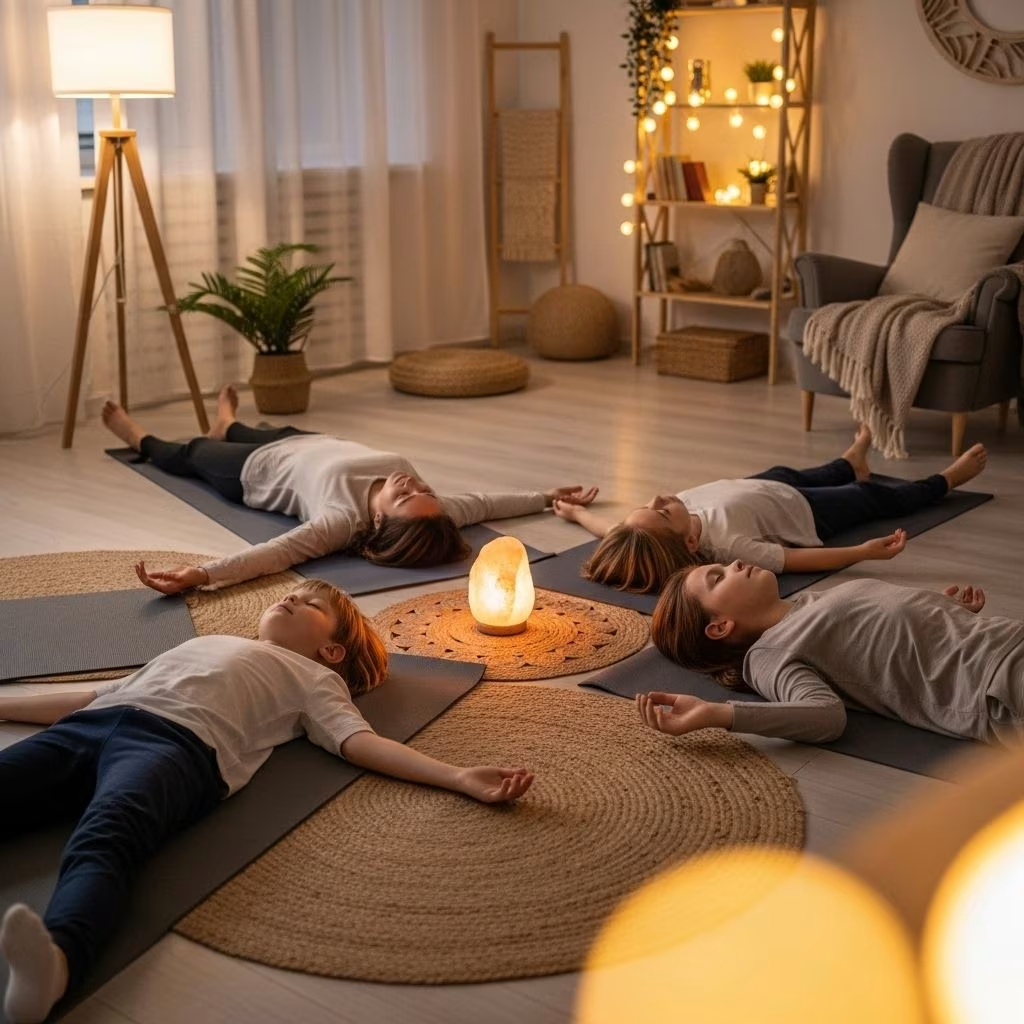
In our fast-paced world, families often find themselves juggling busy schedules, constant distractions, and heightened stress. Building mindful evening routines—especially those rooted in yoga, relaxation, and intentional connection—can dramatically improve mental health, sleep quality, and the feeling of togetherness. Family Savasana, inspired by the powerful yoga pose that brings physical and emotional tranquility, anchors an evening wind-down ritual that the entire family can enjoy. This guide explores the science and art behind Family Savasana, along with step-by-step instructions, practical tips, and advanced techniques for long-term family wellness.
What is Family Savasana?
Savasana (also called Corpse Pose) is a classic yoga asana practiced by lying supine, arms and legs gently extended, and consciously relaxing every part of the body while staying aware. Traditionally performed at the end of a yoga class, it integrates the effects of physical movement, but its benefits extend into daily life, especially when woven into home routines. Family Savasana refers to parents and children gathering together, intentionally winding down with this pose, cultivating calm, and deepening relational bonds.
Why Savasana for Families?
- Promotes mindfulness and emotional regulation for both adults and children.
- Helps reduce tension built up during the day.
- Creates space for meaningful connection before bedtime.
- Supports healthy sleep routines for all ages.
Scientific Benefits of Savasana and Relaxation
Extensive research highlights that savasana provides a scientifically-backed foundation for deep relaxation and nervous system balance. When practiced regularly, Savasana brings profound benefits:
| Physiological Benefits | Neurological & Psychological Benefits |
|---|---|
|
|
Overview: The Evening Wind-Down Routine
A comprehensive Family Savasana wind-down routine isn’t just about lying still at bedtime—it’s a holistic practice that integrates mindfulness, gentle movement, soothing sensory cues, and intentional connection. The ideal evening routine should:
- Begin 20-45 minutes before desired bedtime
- Include a gradual transition from stimulating activities to calm, quiet ones
- Encourage full family involvement, but be flexible for individual needs
- End with Savasana and/or guided relaxation
Suggested Sequence Outline
- Gentle movement or stretching (optional)
- Reduced lighting, soft music or nature sounds
- Digital devices off or set aside
- Personal hygiene routine (brushing teeth, changing clothes)
- Gathering in a shared space: mats, blankets, or soft bedding
- Guided Savasana (5–20 minutes)
- Closing words, gratitude, or family affirmations
Setting Up the Optimal Environment
Creating an atmosphere of safety and comfort significantly improves the wind-down experience:
- Temperature: Keep the room comfortably warm, but not stuffy.
- Lighting: Use dim lighting or candles to promote melatonin production.
- Surfaces: Soft mats, blankets, or carpet for comfort.
- Sound: Gentle music, white noise, or soothing nature sounds.
- Scents: Lavender or chamomile oil can enhance relaxation (avoid allergies).
- Distraction-free zone: Phones and electronics set outside the room.
Family Savasana: Step-by-Step Guide
- Find Your Space: Lie flat on your back, legs extended, arms relaxed at sides, palms up. Children can rest next to adults or with gentle physical contact for reassurance if desired.
- Settle the Body: Wiggle and stretch; then let the body become completely still. Allow eyes to close gently.
- Body Scan: Guide everyone through relaxing each part of the body, from toes to head. Invite slow breaths between each area.
- Breath Awareness: Focus gently on natural breathing. With each exhale, imagine stress and tension melting away.
- Release Mental Chatter: Encourage noticing thoughts with curiosity, then letting them drift by—like clouds in the sky.
- Optional Guided Visualization: Share calming imagery—a gentle river, a safe forest, a star-filled sky—or use a favorite guided audio.
- Silent Rest: Allow 3–15 minutes for peaceful stillness (adapt for children’s ages and patience).
- Gentle Transition: Invite small movements; roll onto sides; sit up slowly. Share words of gratitude or hugs.
Sample Script for Parents
“Close your eyes and feel your whole body resting softly…. Imagine a warm, gentle light touching your toes. Now your ankles… calves… knees… up to your heart. With each breath, let go a little more. If your mind is busy, that’s okay—just notice, and return to your breath. Let yourself be completely cared for, right here, right now.”
Adapting Savasana for All Ages
| Age Group | Recommended Adaptations |
|---|---|
| Babies & Toddlers | Short duration (1–5 min); gentle rocking; background lullabies or parental touch |
| Preschoolers | Body scan as a “magic relaxation” game; soft toys or cuddles; 3–8 min |
| Elementary Age | Visualization stories; practicing stillness as “body sleeping, mind awake”; 5–12 min |
| Teens | More independent practice; use guided meditation audio; encourage journaling afterward; 8–15 min |
| Adults | Full body scan; deeper breathwork; integrate gratitude or gentle self-reflection |
Supportive Practices to Enhance Wind-Down
- Gentle Stretching/Yoga: Simple movements before Savasana help release physical energy.
- Nadi Shodhana (Alternate Nostril Breathing): An Ayurvedic practice shown to calm the nervous system and improve focus before sleep.
- Reading or Storytelling: Choose calming, uplifting stories to foster emotional security.
- Journaling or Drawing: For older children and adults, expressing the day’s highlights or worries can clear the mind.
- Family Gratitude Sharing: Each person shares one thing they appreciate from the day.
- Soothing Herbal Teas: Chamomile or warm milk (avoid sugar/caffeine).
- Sensory Soothing: Use weighted blankets or soft pillows for additional comfort.
Frequently Asked Questions (FAQ)
Q: How many minutes of Savasana should families practice?
A: For families, 5-15 minutes is ideal. Younger children benefit from shorter durations; adults and teens may prefer longer sessions. Adapt as needed to maintain engagement.
Q: Is Savasana safe for all ages?
A: Yes, Savasana is safe for practically everyone. Always supervise young children; adjust the approach for physical limitations (using pillows, side-lying position, etc.).
Q: What if someone can’t stay still?
A: Fidgeting is normal, especially for children! Encourage gentle movement, focus on breath, or try visualization games. The goal isn’t perfect stillness but cultivating awareness and calm.
Q: Can Savasana help with sleep problems?
A: Research shows that evening Savasana soothes insomnia, calms anxiety, and improves sleep quality for all ages. Consistency is key.
Q: Does Savasana need to follow a yoga session?
A: Savasana works well at the end of yoga, but it’s equally beneficial on its own—especially before bed or after stressful days.
Troubleshooting Common Challenges
- Restlessness or boredom: Offer shorter sessions, try guided scripts, or pair Savasana with a calming activity (like soft music or cuddly stuffed animals).
- Resistance from teens: Allow privacy, use creative guided meditations, and encourage self-led relaxation without forced participation.
- Difficulty with silence: Incorporate gentle soundscapes, nature noises, or guided audio meditations.
- Lack of time: Even 3–5 minutes of Savasana can make a difference—prioritize consistency over duration.
- Physical discomfort: Use extra pillows, blankets, or experiment with side positions or reclined chairs.
Further Resources
- Apps for guided relaxation: Insight Timer, Headspace, Calm
- Recommended reading: The Science of Yoga (William Broad), Yoga Nidra (Swami Satyananda Saraswati)
- Yoga mats and props: Soft blankets, eye pillows, supportive bolsters
- Online classes: Family yoga on YouTube or local studios
- Ayurveda rituals: Gentle evening teas, essential oils, alternate nostril breathing
Summary: Building Consistency and Lasting Family Wellness
Integrating a Family Savasana evening wind-down routine transforms nights from hurried chaos into opportunities for peace and togetherness. Scientific evidence overwhelmingly supports the benefits of Savasana for stress reduction, improved sleep, physical and mental well-being, and emotional bonding. Begin with a simple routine and allow it to evolve, adapting to your family’s unique needs and preferences. Over weeks and months, these nightly rituals become cherished anchors for lifelong wellness and connection.
References
- https://indivyoga.com/the-scientific-benefits-of-savasana/
- https://www.icicilombard.com/blogs/health-insurance/mb/health-benefits-of-shavasana
- https://insighttimer.com/blog/savasana-meaning/
- https://dihickman.com/the-benefits-of-savasana-the-most-important-yoga-pose/
- https://www.lovemymat.com/blogs/yoga-info/corpse-pose-for-bedtime
- https://www.tuneupfitness.com/blog/savasana-yoga-insomnia
- https://www.headspace.com/meditation/yoga
- https://www.bajajallianz.com/blog/wellness/shavasana-yoga-guide-and-benefits.html
- https://www.saumya-ayurveda.com/post/6-ayurvedic-evening-rituals-for-a-calming-night


