


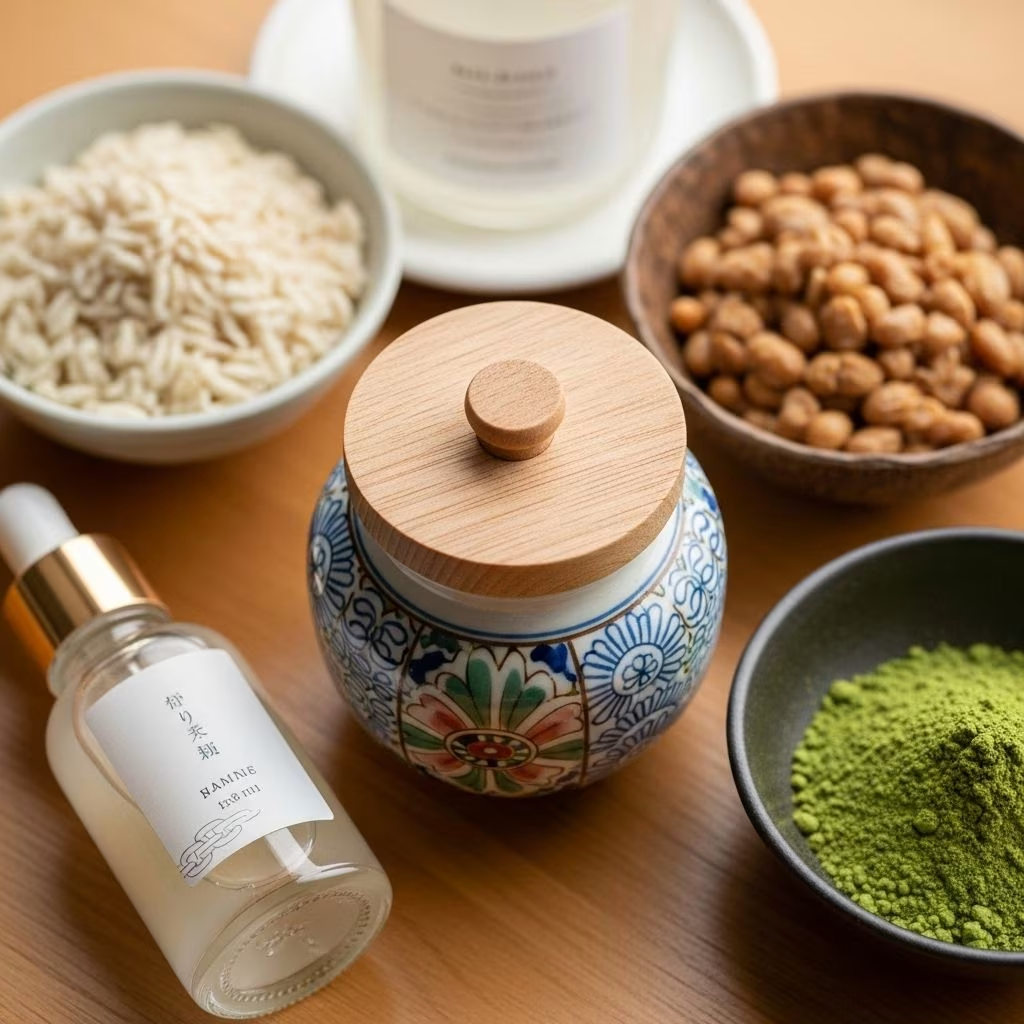
Japanese beauty, or J-Beauty, has captivated the global skincare community with its time-honored approach to achieving radiant, healthy skin. At the heart of this centuries-old tradition lies a fascinating process that transforms simple ingredients into powerful skincare allies: fermentation. This ancient technique, deeply woven into Japanese culture through food and beverage production, has emerged as one of the most innovative and effective approaches to modern skincare.
The Japanese philosophy of beauty extends far beyond superficial treatments, embracing a holistic perspective that connects inner wellness with outer radiance. Fermentation serves as the bridge between these two realms, offering benefits that work both topically and internally to promote lasting beauty. From the smooth hands of sake brewers to the luminous complexions of geishas who used fermented rice water, the evidence of fermentation’s transformative power has been observed for generations.
Understanding Fermentation in Japanese Beauty
Fermentation represents one of humanity’s oldest biotechnological processes, dating back at least 10,000 years. In its essence, fermentation is a metabolic process where microorganisms such as bacteria, yeast, and molds break down complex organic compounds into simpler substances. While this ancient practice was once shrouded in mystery and considered almost magical, modern science has illuminated the precise mechanisms that make fermentation so valuable for skincare.
In Japanese culture, fermentation holds a revered position that extends far beyond practical applications. Known as hakko in Japanese, fermentation is considered an art form that requires patience, precision, and deep respect for natural processes. This cultural appreciation has led Japan to become what many call “the land of fermentation,” where traditional fermented foods and beverages form the foundation of daily life and cuisine.
The application of fermentation to beauty products represents a natural evolution of this cultural heritage. Japanese beauty brands recognized that the same biological processes creating nutritious, flavorful foods could also unlock powerful skincare benefits. By applying fermentation techniques to ingredients like rice, soybeans, and fruits, formulators discovered they could create products with enhanced efficacy and gentler action on the skin.
The Historical Roots of Fermented Beauty
The story of fermented ingredients in Japanese beauty stretches back centuries, with origins rooted in careful observation and traditional wisdom. Japanese geishas, renowned for their flawless, porcelain-like complexions, traditionally used fermented rice solutions as the foundation for their lotions and toners. This practice, passed down through generations, demonstrated an intuitive understanding of fermentation’s benefits long before scientific validation existed.
A pivotal moment in the modern understanding of fermented beauty occurred in the 1970s when scientists in Akita, Japan made a remarkable observation. They noticed that sake brewers, despite working long hours in damp environments with their hands constantly exposed to water and harsh conditions, maintained extraordinarily smooth, youthful-looking hands well into old age. This phenomenon sparked intensive research into the properties of sake and the fermentation process itself.
The investigation revealed that daily exposure to fermented rice extracts, rich in nutrients and enzymes produced during the sake-making process, was responsible for the brewers’ remarkably supple skin. This discovery validated centuries of traditional practice and opened new avenues for incorporating fermented ingredients into commercial skincare products. The breakthrough led to increased research interest and eventually contributed to the development of groundbreaking products in the beauty industry.
The 1980s marked another significant milestone when Japanese beauty brand SK-II introduced Pitera, a proprietary ingredient derived from fermented yeast. This innovation brought fermented skincare into the mainstream beauty market and demonstrated the commercial viability of products based on traditional fermentation techniques. The success of these early adopters paved the way for the widespread acceptance and adoption of fermented beauty products globally.
The Science Behind Fermentation in Skincare
Understanding the scientific mechanisms behind fermented skincare helps explain why these products deliver such impressive results. The fermentation process fundamentally transforms ingredients at the molecular level, creating compounds with enhanced properties that benefit the skin in multiple ways.
Molecular Breakdown and Bioavailability
During fermentation, beneficial microorganisms act as biological catalysts, breaking down large, complex molecules into smaller, more manageable components. This process significantly increases the bioavailability of active ingredients, meaning they can more easily penetrate the skin’s protective barrier and reach the deeper layers where they exert their beneficial effects. Larger molecules often struggle to penetrate the stratum corneum, the outermost layer of skin, limiting their effectiveness regardless of their inherent benefits.
The breakdown of proteins into amino acids, polysaccharides into simple sugars, and lipids into fatty acids creates a collection of compounds that the skin can readily absorb and utilize. These smaller molecules don’t just penetrate more easily; they also require less energy for the skin to process and integrate into its natural functions, reducing the potential for irritation while maximizing benefits.
Enhanced Potency Through Transformation
Fermentation doesn’t merely make existing compounds more accessible; it creates entirely new beneficial substances through biochemical transformations. Microorganisms produce enzymes that catalyze reactions impossible to achieve through conventional processing methods. These reactions generate bioactive compounds including vitamins, antioxidants, and organic acids that weren’t present in the original ingredients.
For example, during rice fermentation, microorganisms produce kojic acid, a powerful skin-brightening compound that inhibits melanin production. They also generate increased concentrations of amino acids, which serve as building blocks for proteins like collagen and elastin, essential for maintaining skin firmness and elasticity. Additionally, fermentation produces organic acids such as lactic acid and gluconic acid, which provide gentle exfoliation and help maintain optimal skin pH.
Probiotic Benefits for Skin Health
Fermented skincare products often contain beneficial metabolites that support the skin’s microbiome, the community of microorganisms living on the skin’s surface. A balanced microbiome is essential for maintaining healthy skin barrier function, preventing infections, and regulating inflammation. The metabolites produced during fermentation can act as prebiotics, nourishing beneficial bacteria while inhibiting harmful microorganisms, thus promoting a healthier, more resilient skin ecosystem.
Key Fermented Ingredients in Traditional J-Beauty
Traditional Japanese beauty relies on several time-tested fermented ingredients, each offering unique benefits and applications. These ingredients represent the cornerstone of J-Beauty’s fermented skincare philosophy.
Sake and Rice Fermentation
Sake, the traditional Japanese rice wine, stands as perhaps the most celebrated fermented ingredient in J-Beauty. The fermentation process involves polishing rice, then fermenting it with water, yeast, and koji mold (Aspergillus oryzae). This complex process creates a rich mixture of amino acids, vitamins, minerals, and organic acids that deliver multiple skincare benefits. Sake naturally brightens the complexion, deeply hydrates the skin, and provides gentle exfoliation through its natural acid content. The amino acids present in sake help strengthen the skin barrier and improve moisture retention, while the fermentation byproducts offer antioxidant protection against environmental stressors.
Rice Bran (Komenuka)
Rice bran, the outer layer removed during rice polishing, becomes even more beneficial when fermented. Fermented rice bran contains high concentrations of vitamins B and E, minerals, and fatty acids. Traditional Japanese women have used rice bran for cleansing and exfoliating for centuries, often in small cloth pouches called nuka bukuro. The fermentation process enhances the bran’s ability to brighten skin tone, reduce hyperpigmentation, and provide gentle enzymatic exfoliation. Fermented rice bran also contains ferulic acid, a powerful antioxidant that protects against UV damage and premature aging.
Koji (Aspergillus Oryzae)
Koji mold represents a cornerstone of Japanese fermentation, used not only in sake production but also in making miso, soy sauce, and mirin. When applied to skincare, koji produces kojic acid, one of the most effective natural skin-brightening agents available. Kojic acid works by inhibiting tyrosinase, the enzyme responsible for melanin production, making it particularly effective for treating dark spots, uneven skin tone, and hyperpigmentation. Beyond brightening effects, koji fermentation produces enzymes that gently dissolve dead skin cells, promoting a smoother, more radiant complexion.
Fermented Soy
Soybeans, another staple of Japanese cuisine, yield remarkable skincare benefits when fermented. The fermentation process breaks down soy proteins into peptides and amino acids while increasing the concentration of isoflavones, plant compounds with estrogen-like properties. These compounds help improve skin elasticity, reduce the appearance of fine lines, and promote collagen production. Fermented soy also contains natural moisturizing factors that help the skin retain hydration and maintain its protective barrier function.
Amazake
Amazake, a traditional sweet fermented rice drink, has gained recognition as a beauty ingredient both for consumption and topical application. Rich in amino acids, vitamins, and natural sugars, amazake provides intense hydration and nourishment. The natural sugars act as humectants, drawing moisture into the skin, while the amino acids support skin repair and regeneration. Drinking amazake also supports digestive health and provides nutrients that contribute to skin radiance from within.
Beauty Benefits of Fermented Skincare
The transformative effects of fermented ingredients manifest across multiple dimensions of skin health and appearance. Understanding these benefits helps explain why fermented skincare has become increasingly popular worldwide.
Superior Hydration and Moisture Retention
Fermented ingredients excel at delivering and maintaining skin hydration through multiple mechanisms. The small molecular size of fermented compounds allows them to penetrate deeply into the skin, delivering moisture to the lower layers of the epidermis. Additionally, many fermentation byproducts act as natural humectants, attracting water molecules from the environment and binding them to the skin. The amino acids produced during fermentation strengthen the skin’s natural moisture barrier, preventing transepidermal water loss and maintaining optimal hydration levels throughout the day.
Brightening and Even Skin Tone
One of the most celebrated benefits of fermented J-Beauty ingredients is their ability to promote a brighter, more even complexion. Multiple compounds produced during fermentation contribute to this effect, including kojic acid, arbutin, and various organic acids. These substances work through different pathways to reduce hyperpigmentation, fade dark spots, and prevent future discoloration. The gentle exfoliating action of fermented acids removes dulling dead skin cells, revealing the fresher, brighter skin beneath. Regular use of fermented products can significantly improve overall skin luminosity and create the coveted translucent quality associated with Japanese beauty ideals.
Anti-Aging and Collagen Support
Fermented ingredients provide powerful anti-aging benefits through their rich concentration of antioxidants, amino acids, and bioactive peptides. Antioxidants neutralize free radicals that accelerate aging and cause cellular damage. Amino acids serve as building blocks for collagen and elastin synthesis, helping maintain skin firmness and elasticity. Some fermented ingredients also contain compounds that inhibit enzymes responsible for breaking down collagen, preserving the skin’s structural integrity. The combination of these effects helps reduce the appearance of fine lines and wrinkles while preventing new signs of aging from forming.
Gentle Yet Effective for Sensitive Skin
Despite their potency, fermented skincare products are notably gentle and well-tolerated, even by sensitive skin types. The fermentation process creates naturally occurring compounds that soothe inflammation and calm irritation. The smaller molecular size of fermented ingredients means the skin requires less effort to process them, reducing the likelihood of adverse reactions. Additionally, the probiotic effects of fermented products support a healthy skin microbiome, which plays a crucial role in managing sensitivity and maintaining barrier function.
Enhanced Skin Barrier Function
A healthy skin barrier is essential for maintaining overall skin health, protecting against environmental stressors, and preventing moisture loss. Fermented ingredients strengthen barrier function through multiple mechanisms. The ceramides and fatty acids produced during fermentation help repair and reinforce the lipid matrix that holds skin cells together. Amino acids support the production of natural moisturizing factors that keep the barrier supple and functional. This enhanced barrier function not only improves immediate skin appearance but also increases resilience against external aggressors like pollution, UV radiation, and harsh weather conditions.
Fermented Foods for Internal Beauty
The Japanese philosophy of beauty emphasizes that true radiance comes from within, and consuming fermented foods plays a crucial role in this holistic approach. The connection between gut health and skin appearance has been increasingly validated by modern research, confirming what traditional Japanese wisdom has long recognized.
The Gut-Skin Connection
The relationship between digestive health and skin condition is profound and multifaceted. The gut microbiome influences inflammation levels throughout the body, affects nutrient absorption, and modulates immune function, all of which directly impact skin health. An imbalanced gut microbiome can manifest as various skin issues including acne, eczema, rosacea, and premature aging. Fermented foods support digestive health by introducing beneficial bacteria, improving nutrient bioavailability, and producing compounds that nourish the intestinal lining.
Traditional Japanese Fermented Foods
Japanese cuisine incorporates fermented foods into daily meals, creating a dietary pattern that naturally supports both digestive and skin health. Miso, a fermented soybean paste, provides probiotics, amino acids, and minerals while adding rich umami flavor to soups and marinades. Natto, fermented soybeans with a distinctive texture and strong flavor, contains vitamin K2, probiotics, and nattokinase, an enzyme with various health benefits. Tsukemono, or Japanese pickles, offer probiotics and enzymes while adding variety and nutrition to meals. Shoyu (soy sauce) and mirin, while used in smaller quantities, contribute additional fermented elements to the diet.
For those without access to traditional Japanese fermented foods, many cultures offer their own fermented products with similar benefits. Yogurt, kefir, sauerkraut, kimchi, and kombucha all provide probiotics and beneficial compounds that support the gut-skin axis. The key is regular, consistent consumption of these foods as part of a balanced diet.
Beauty from Within Philosophy
The Japanese concept of beauty encompasses both external care and internal nourishment, recognizing that lasting beauty requires attention to overall health and wellness. This philosophy, often summarized as “you are what you eat,” emphasizes that the foods we consume directly affect our appearance. Fermented foods exemplify this principle, offering benefits that manifest both immediately through improved digestion and gradually through enhanced skin quality. Regular consumption of fermented foods can help regulate the intestinal microbiome, addressing issues like rough skin texture, dullness, and inflammation at their source rather than merely treating surface symptoms.
Modern Applications of Traditional Wisdom
While fermented ingredients have ancient roots in Japanese beauty traditions, modern technology and scientific understanding have expanded their applications and accessibility. Contemporary J-Beauty brands have successfully merged traditional fermentation knowledge with cutting-edge skincare science.
Evolution of Fermented Beauty Products
The journey from traditional homemade rice water preparations to sophisticated commercial formulations represents decades of research and development. Modern brands employ controlled fermentation processes that optimize the production of specific beneficial compounds while maintaining consistency and safety. Advanced extraction and preservation techniques ensure that the delicate bioactive ingredients remain stable and effective throughout the product’s shelf life. This technological evolution has made fermented skincare more accessible and reliable without compromising the traditional wisdom that inspired it.
Contemporary product formulations often combine multiple fermented ingredients, creating synergistic effects that enhance overall efficacy. Brands also integrate fermented ingredients with other active compounds, such as hyaluronic acid, vitamin C, and peptides, to address multiple skin concerns simultaneously. This approach maintains the gentle, skin-compatible nature of fermented ingredients while expanding their capabilities.
Sustainability and Natural Beauty
Fermented beauty aligns perfectly with growing consumer demand for sustainable, natural skincare solutions. Fermentation is an inherently eco-friendly process that requires minimal energy input and often utilizes agricultural byproducts that might otherwise be wasted, such as rice bran or sake lees. The process creates potent ingredients without harsh chemical processing or synthetic additives, appealing to consumers seeking cleaner beauty options.
Many J-Beauty brands emphasize their use of locally sourced ingredients and traditional fermentation methods, supporting regional communities and preserving cultural heritage. This commitment to sustainability extends beyond ingredient sourcing to include eco-friendly packaging and ethical business practices, creating a comprehensive approach to responsible beauty.
Incorporating Fermented Products into Your Routine
Successfully integrating fermented skincare into your routine requires understanding how to select appropriate products and use them effectively for optimal results.
Choosing the Right Products
When selecting fermented skincare products, consider your specific skin concerns and current routine. Fermented essences and toners work well as foundational hydrating layers, preparing the skin to absorb subsequent products more effectively. These lightweight formulations suit all skin types and can be layered multiple times for increased hydration. Fermented serums and ampoules deliver higher concentrations of active ingredients, making them ideal for targeting specific concerns like hyperpigmentation, fine lines, or loss of firmness.
For those new to fermented skincare, starting with a single product allows you to assess how your skin responds before building a complete fermented routine. Look for products that clearly list their fermented ingredients and explain the fermentation process, as transparency often indicates a quality formulation with genuine benefits.
Application Techniques
Maximize the benefits of fermented products through proper application techniques. After cleansing, apply fermented toners or essences to slightly damp skin, gently patting them in to enhance absorption. The Japanese technique of layering, applying multiple thin layers of the same product, can intensify hydration and beneficial effects. When using fermented serums, warm a small amount between your palms before pressing it into the skin, which helps with absorption and ensures even distribution.
Fermented products work well both morning and evening, though some ingredients like kojic acid may increase photosensitivity, making sunscreen application essential during daytime use. Allow each fermented product to absorb fully before applying the next layer to prevent pilling and ensure maximum efficacy.
Combining with Other Ingredients
Fermented ingredients generally play well with other skincare actives, though some combinations require caution. The gentle nature of most fermented products makes them excellent companions for potentially irritating ingredients like retinol or acids, as they can help buffer irritation while maintaining efficacy. However, avoid combining multiple exfoliating products in the same routine, as fermented ingredients often contain natural acids that provide gentle exfoliation.
When building a routine around fermented products, maintain the basic structure of cleansing, treating, moisturizing, and protecting. Fermented ingredients can fulfill multiple roles throughout this sequence, from hydrating toners to nourishing serums to barrier-supporting moisturizers.
Frequently Asked Questions
Q: Are fermented skincare products suitable for all skin types?
A: Yes, fermented skincare products are generally suitable for all skin types, including sensitive skin. The fermentation process creates smaller molecules that are easily absorbed and typically well-tolerated. The gentle nature of fermented ingredients makes them particularly beneficial for sensitive or reactive skin, while their efficacy addresses concerns across all skin types from dry to oily.
Q: How long does it take to see results from fermented skincare?
A: Initial hydration benefits from fermented products can be noticed within days of consistent use. More significant improvements in brightness, texture, and tone typically become visible after 4-6 weeks of regular application. Anti-aging benefits and improvements in skin barrier function develop gradually over 8-12 weeks as the skin undergoes its natural renewal cycle.
Q: Can I make fermented skincare products at home?
A: While simple fermented rice water can be made at home for topical use, creating stable, effective fermented skincare products requires controlled conditions to prevent contamination and ensure beneficial microorganism growth. Commercial products undergo testing for safety and efficacy, making them the recommended choice for regular use. If experimenting with homemade fermented rice water, use it fresh and store it refrigerated for no more than a few days.
Q: Do fermented products have a strong smell?
A: Fermented skincare products may have a subtle fermented scent, though most commercial formulations are refined to minimize strong odors. The natural scent is typically mild and dissipates quickly after application. Some products add pleasant fragrances to mask fermentation notes, while others embrace the natural aroma as part of the authentic experience.
Q: What is the difference between Korean and Japanese fermented skincare?
A: Both Korean (K-Beauty) and Japanese (J-Beauty) traditions value fermented ingredients, though their approaches differ slightly. J-Beauty tends to emphasize sake, rice bran, and koji, reflecting Japanese culinary traditions, while K-Beauty often features fermented ingredients like galactomyces and bifida. J-Beauty typically focuses on simplicity and prevention, while K-Beauty may incorporate fermented ingredients into more elaborate multi-step routines. Both approaches offer effective fermented options.
Q: Should I refrigerate fermented skincare products?
A: Unless specifically indicated on the product packaging, most commercial fermented skincare products do not require refrigeration. They are formulated with preservatives that maintain stability at room temperature. However, storing products in a cool, dark place away from direct sunlight helps preserve their potency. Some people prefer refrigerating certain products for a cooling, soothing sensation upon application.
Q: Can fermented skincare help with acne?
A: Fermented ingredients can help manage acne through multiple mechanisms. Their probiotic effects support a balanced skin microbiome, which plays a role in preventing acne. The gentle exfoliating acids produced during fermentation help prevent pore congestion. Anti-inflammatory compounds soothe existing breakouts. However, fermented products work best as part of a comprehensive acne-management approach alongside appropriate cleansing and targeted treatments.
Q: Are fermented beauty products vegan?
A: Many fermented beauty products are vegan, as fermentation often uses plant-based ingredients like rice, soy, and fruit fermented with microorganisms. However, some formulations may contain honey, silk proteins, or other animal-derived ingredients. Always check ingredient lists if following a vegan lifestyle, as formulations vary by brand and product.
The resurgence of interest in fermented ingredients represents more than a passing trend; it reflects a deeper appreciation for time-tested beauty wisdom validated by modern science. Traditional J-Beauty’s emphasis on fermentation offers a sustainable, effective approach to skincare that honors natural processes while delivering measurable results. By embracing both topical fermented products and fermented foods, we can adopt a truly holistic approach to beauty that nourishes skin from the outside in and inside out, achieving the radiant, healthy complexion that defines Japanese beauty ideals.
References
- https://bijo.paris/en/blogs/blog/la-fermentation-dans-la-beaute-japonaise
- https://shikobeauty.com/blogs/culture/why-j-beauty-uses-fermented-skincare
- https://shikobeauty.com/blogs/ingredients-showcase/sake-for-skin-the-fermented-secret-behind-a-radiant-complexion
- https://www.madebyjarvis.com/jarvis-news/skin-care-trends-2022-fermented-beauty/
- https://japanwithlovestore.com/blogs/blogs/fermented-skincare
- https://madewithine.com/blogs/news/fermented-rice-water-guide
- https://www.japanhousela.com/articles/japan-the-land-of-fermentation/
- https://tokion.jp/en/2022/02/26/j-beauty-report-from-europe-vol2/


