


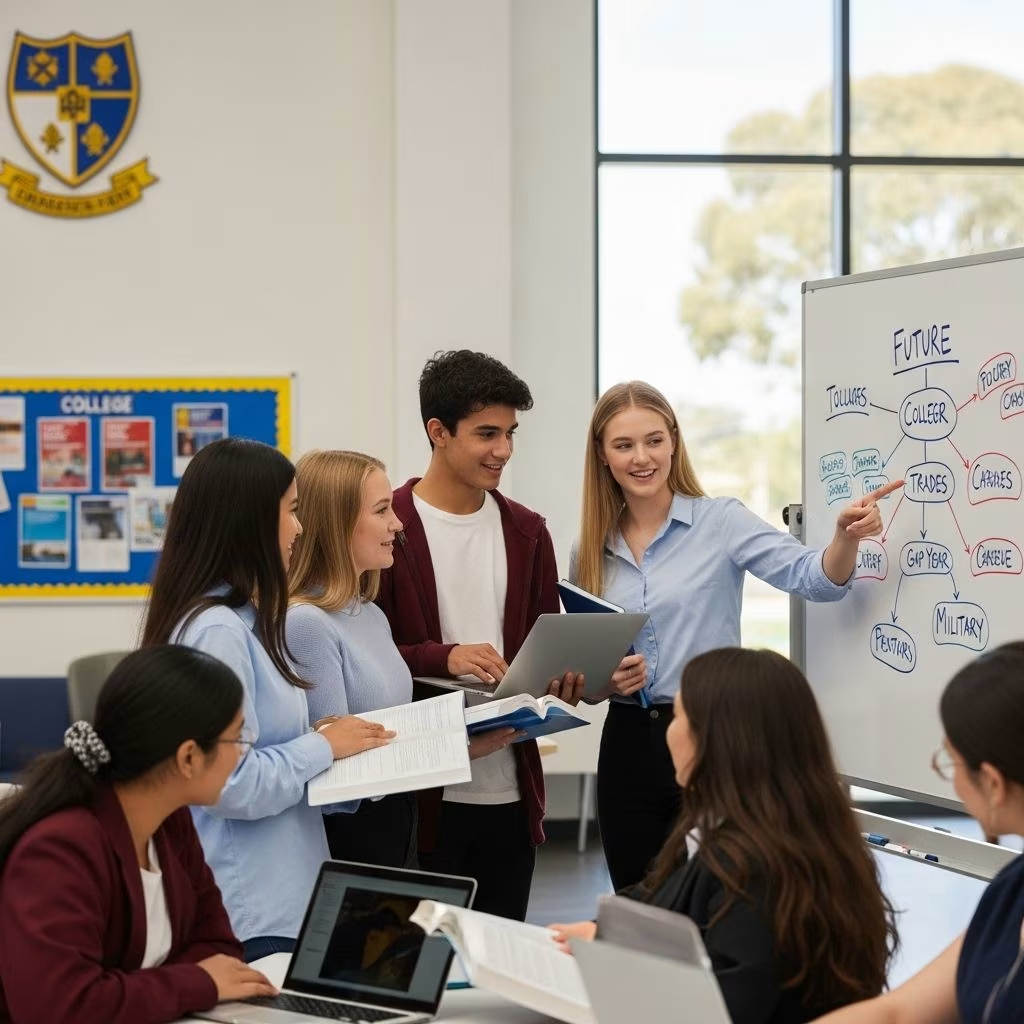
Introduction to Future Planning for High School Students
Planning for the future is an essential skill for high school students, especially during their tween years. It’s a period of growth where students can explore various interests and set the stage for their post-secondary education and career paths. Early planning helps students stay focused, motivated, and prepared for the challenges and opportunities that lie ahead. This article provides a comprehensive guide on how to create a future planning routine tailored to high school students.
Benefits of Early Future Planning
Early planning has numerous benefits for high school students. It helps them align their academic choices with their career goals, build a strong academic record, and stay motivated throughout their high school journey. Additionally, it provides a clear direction, reducing uncertainty about the future and encouraging students to take initiative in their personal and professional development.
Table of Content
- Creating a Vision Board
- Four-Year High School Plan
- Career Exploration
- Volunteering and Community Involvement
- Financial Planning for College
- Frequently Asked Questions
Creating a Vision Board
Creating a vision board is a powerful visual tool for high school students to outline their goals and aspirations. It involves gathering images, words, or phrases that represent their desired future outcomes in academics, careers, and personal life. Here are steps to create an effective vision board:
- Identify Goals and Aspirations: Spend time reflecting on what you want to achieve in high school and beyond.
- Research Careers and Colleges: Use resources like the Career Quiz and College Quiz to explore potential careers and colleges that align with your interests.
- Collect Images and Words: Gather images and words that evoke feelings of excitement and motivation related to your goals.
- Arrange Your Vision Board: Arranging your materials in a way that inspires you can help visualize your future more clearly.
- Regularly Review and Update: Regularly review your vision board to track progress and update it as your goals evolve.
Four-Year High School Plan
A four-year high school plan is essential for organizing coursework, extracurricular activities, and career exploration. It helps ensure that students meet graduation requirements while preparing for college or career opportunities. Here’s how to create a four-year plan:
- Meet with a School Counselor: Discuss your interests and career aspirations to select the right courses and electives.
- Schedule Core Classes: Ensure you’re on track to meet graduation requirements by scheduling core subjects like English, math, science, and social studies.
- Include Electives and Advanced Courses: Incorporate electives that align with your interests and consider advanced courses like AP or Concurrent Enrollment classes to enhance your academic profile.
- Plan Extracurricular Activities: Engage in clubs, sports, or volunteer work that develop skills and showcase commitment to colleges and employers.
Career Exploration
Career exploration is a critical component of future planning for high school students. It involves learning about different careers, their requirements, and the skills needed to succeed in them. Here are some ways to explore careers:
- Job Shadowing: Spend time with professionals in careers that interest you to gain firsthand experience.
- Volunteer Work: Use volunteer opportunities to explore different fields and build relevant skills.
- Research Online Resources: Websites like the Bureau of Labor Statistics can provide detailed information about various careers.
Volunteering and Community Involvement
Volunteering and community involvement are vital for high school students as they help build character, develop empathy, and gain practical skills. Here are some benefits and ways to get involved:
- Builds Empathy and Understanding: Engaging with different communities can broaden your perspective and foster empathy.
- Develops Skills: Volunteering helps develop important life skills such as communication, teamwork, and problem-solving.
- Enhances College Applications: Including volunteer work in college applications can demonstrate commitment and responsibility.
Financial Planning for College
Financial planning is crucial for high school students aiming to attend college. Here are some steps to prepare financially:
- Open a College Savings Account: Start saving early to benefit from compound interest.
- Explore Scholarships: Research and apply for scholarships, including those available to freshmen.
- Understand Financial Aid Options: Familiarize yourself with federal and state financial aid programs.
- Develop a Budget: Create a future budget to manage college expenses effectively.
Frequently Asked Questions (FAQs)
Q: How early should I start planning for college?
A: It’s never too early to start planning for college. Early planning helps align your high school coursework with your future academic goals.
Q: What are some ways to stay motivated in planning for the future?
A: Staying motivated involves setting achievable goals, regularly reviewing progress, and seeking support from peers and mentors.
Q: How can I balance schoolwork and extracurricular activities?
A: Effective time management is key. Prioritize tasks, set realistic goals, and maintain a healthy work-life balance.
Q: What are some common mistakes to avoid in future planning?
A: Common mistakes include procrastination, lack of flexibility in planning, and not considering alternative paths like vocational training or apprenticeships.
Conclusion
Future planning is an essential skill for high school students, helping them navigate their academic and career paths effectively. By starting early, staying committed, and seeking resources, students can achieve their goals and build a strong foundation for their future success.
References
- https://bigfuture.collegeboard.org/plan-for-college/stand-out-in-high-school/how-to-start-thinking-about-your-future-in-9th-grade
- https://greencanyon.ccsdut.org/counseling/year-by-year-planning-checklist
- https://www.connectionsacademy.com/support/resources/article/5-tips-for-helping-teens-plan-ahead-for-a-sizzling-future/
- https://floridatradeacademy.org/future-planning-for-high-school-students-tips-for-guiding-your-teen/
- https://www.spinabifidaassociation.org/wp-content/uploads/Planning-for-the-Future_-Tips-for-High-School-Students-1-1_compressed.pdf
- https://counselingessentials.org/borrowed-lessons-reach-high-future-planning/
- https://reachhighermontana.org/plan-your-future


