


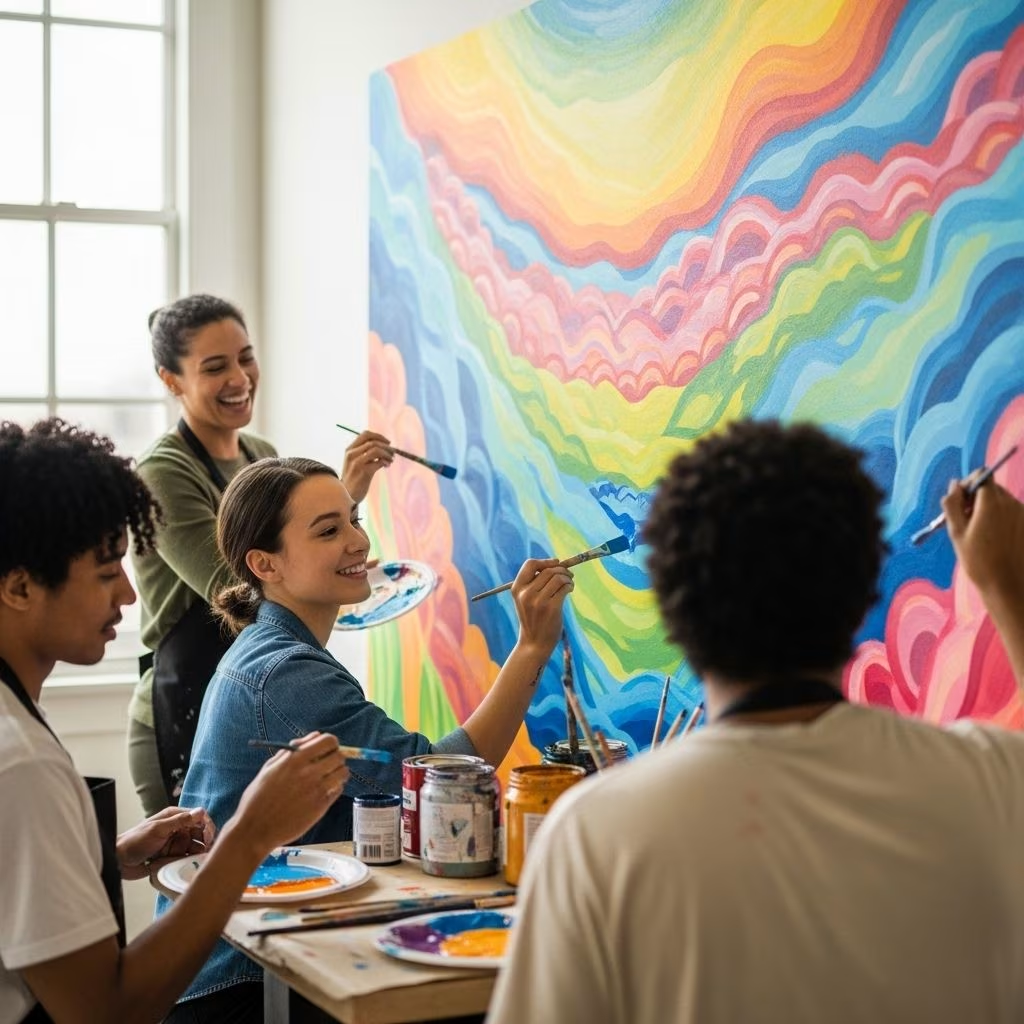
Group mural painting is rapidly gaining recognition as a powerful method for reducing social anxiety and promoting emotional healing. By providing opportunities for creative collaboration, self-expression, and community building, group mural projects offer unique benefits that address the root causes of social anxiety and contribute to long-term well-being. This article offers a comprehensive guide to the science and practice of group mural painting for social anxiety relief, synthesizing research evidence, therapeutic insights, and practical recommendations for individuals, facilitators, and organizations.
Introduction: Understanding Social Anxiety
Social anxiety is characterized by a persistent fear of negative evaluation or judgment in social situations. People with social anxiety often experience intense discomfort, avoidance of group activities, and impaired functioning in daily life. According to psychological research and clinical studies, chronic social anxiety can lead to depression, isolation, and reduced quality of life.
- Symptoms include excessive self-consciousness, avoidance of eye contact, difficulty speaking in groups, rapid heartbeat, and feelings of embarrassment in social settings.
- Social anxiety is common among both youth and adults and may be triggered or exacerbated by trauma, bullying, or chronic stress.
Limitations of Traditional Approaches
While individual therapy and medication are often used to treat social anxiety, these methods may not address underlying issues of isolation and lack of community support. Recent evidence points to the effectiveness of group-based interventions for mental health and well-being.
The Role of Art as Therapy
Art therapy utilizes creative processes to help people express feelings, improve self-awareness, and promote psychological healing. By engaging participants in visual, tactile, and symbolic communication, art therapy can bypass barriers to verbal expression and provide holistic relief from anxiety.
- Art therapy groups create safe spaces for self-expression and mutual support.
- Collaborative projects such as mural painting encourage shared experiences and reduce feelings of isolation.
- Art-making offers sensory and cognitive engagement that helps regulate emotions and build resilience.
How Group Mural Painting Works
Group mural painting involves designing and creating a large-scale visual artwork in collaboration with others. Typically, participants contribute ideas, sketches, and painting efforts over a series of facilitated sessions. The resulting mural reflects shared themes and experiences, offering a visual narrative of the group’s journey.
| Process Stage | Description |
|---|---|
| Planning & Theme Selection | Group discusses themes relevant to their collective experiences, brainstorms ideas, and agrees on concepts for the mural. |
| Design & Layout | Participants sketch or map out the visual components and story of the mural. Roles and tasks are collectively assigned. |
| Painting Sessions | Group members contribute to the mural by painting sections, blending colors, and working side-by-side. Emotional support and feedback are exchanged throughout the process. |
| Reflection & Sharing | Group discusses what the mural represents, shares personal insights, and celebrates achievements. |
| Community Display | The mural is publicly displayed, reinforcing group pride and showing the power of collective healing. |
Research Evidence and Case Studies
Systematic Reviews
A 2024 meta-analysis involving 39 controlled studies found that group arts interventions produced a moderate reduction in depression and anxiety, with effect sizes comparable to pharmacological and activity-based treatments. The benefits were especially pronounced in care-home settings, suggesting that group art activities can address both symptoms and underlying causes of anxiety.
- The sense of community and sustained engagement in group mural projects are key factors in mental health improvement.
Qualitative Case Studies
Testa & McCarthy (2004) studied a psychiatric inpatient group of preadolescents who painted a memorial mural in response to trauma. The mural-making process provided a safe, supportive space that helped group members discuss painful feelings, reconstruct traumatic memories, and develop mutual attachment. The activity fostered self-efficacy and reduced disruptive behaviors typical in traditional verbal therapy.
Stevenson (2016) described how a group mural project in a geriatric psychiatric hospital improved self-esteem, communication, and community among participants with diverse diagnoses. The collaborative painting process increased active participation, facilitated emotional discussion, and enhanced the physical environment.
Therapeutic Benefits of Group Mural Painting
- Reduced Social Anxiety: Safe group environments lower barriers to participation, encourage sharing, and build confidence to interact with others.
- Enhanced Self-Esteem: Completing a shared creative project fosters pride, accomplishment, and positive recognition.
- Identity Development: Participants explore personal narratives and see themselves as part of a supportive group, strengthening both individual and collective identities.
- Emotional Regulation: Painting offers a calming, structured activity that reduces feelings of overwhelm and provides sensory grounding.
- Conflict Resolution: Working on a mural requires cooperation, negotiation, and mediation, helping participants develop important social skills.
- Community Building: The mural becomes a lasting symbol of shared experience, unity, and collective resilience.
Why is Collaboration Effective?
Collaborative art projects require open communication and mutual support. By working together, group members overcome the fear of judgment and rejection that lies at the heart of social anxiety. The shared goal focuses attention outward, helping individuals build trust and friendships.
Steps and Best Practices for Facilitators
- Preparation: Assess participants’ needs, clarify objectives, and gather appropriate materials.
- Creating a Safe Space: Establish group agreements, promote respect, and ensure psychological safety for all involved.
- Facilitated Discussion: Guide theme selection, encourage all voices, and model inclusive communication.
- Structured Collaboration: Design the mural layout together, assign roles based on interests and abilities, and foster teamwork.
- Supportive Supervision: Offer gentle guidance during painting, provide positive feedback, and intervene if conflicts arise.
- Reflective Practice: Organize group discussions to process experiences, celebrate achievements, and explore lessons learned.
- Community Integration: Plan a display or unveiling of the mural to acknowledge the group’s journey and connect with the broader community.
Designing an Inclusive and Supportive Mural Project
- Adapt sessions for diverse age groups, abilities, and backgrounds.
- Integrate trauma-informed practice by recognizing triggers and providing emotional support.
- Promote accessibility by considering physical space, mobility needs, and sensory accommodations.
- Encourage both individual and group contributions to the mural narrative.
Sample Mural Themes for Social Anxiety Relief
- “Growth and Transformation”
- “Strength in Diversity”
- “Overcoming Challenges Together”
- “Resilience and Hope”
- “Rooted in Community”
Addressing Common Challenges
- Reluctance to Participate: Normalize anxiety, offer non-painting roles, and encourage gradual involvement.
- Interpersonal Conflicts: Use mediation and group agreements to address issues respectfully.
- Difficult Emotions: Allow space for difficult feelings and facilitate supportive dialogue.
- Perfectionism and Self-Doubt: Emphasize process over product and highlight the value of each contribution.
- Resource Limitations: Choose flexible materials and adaptable mural surfaces.
The Lasting Impact: Beyond the Mural
Group mural painting can have long-lasting effects that endure beyond the completion of the artwork:
- Continued Social Connectedness: Participants often maintain friendships and support networks formed during the project.
- Community Empowerment: Public murals raise awareness about mental health and promote collective action.
- Replicable Model: Organizations can use mural projects to foster healing, inclusion, and resilience in a wide range of settings.
Frequently Asked Questions (FAQs)
Q: Who can benefit from group mural painting for social anxiety relief?
A: People of all ages and backgrounds can benefit, from children and adolescents to older adults. Group mural painting is particularly effective in settings such as schools, care homes, community centers, and psychiatric facilities.
Q: Do I need to be an artist to participate?
A: No artistic experience is required. Facilitators encourage all forms of creative participation, and the emphasis is on collaboration and self-expression rather than technical skill.
Q: How many sessions does a group mural project typically require?
A: Projects can range from one-day workshops to weekly sessions over several months, depending on the group’s needs and goals. Most studies suggest that structured multi-session programs produce stronger therapeutic outcomes.
Q: Can mural painting help with trauma or depression in addition to social anxiety?
A: Yes, collaborative mural painting can address a range of mental health concerns, including trauma, depression, and grief, by fostering safe spaces, connection, and creative expression.
Q: What if group members don’t want their work displayed publicly?
A: Facilitators should respect privacy and autonomy; murals may be displayed only within the group or in private spaces if preferred.
Q: Are there risks to participating in a group mural project?
A: Risks are minimal when projects are facilitated by trained professionals with a focus on safety and emotional support. Challenges such as interpersonal conflict or emotional distress can be addressed through group agreements and trauma-informed practice.
Conclusion
Group mural painting offers a compelling, research-supported approach for relieving social anxiety and promoting psychological well-being. By harnessing creativity, collaboration, and the power of visual narrative, mural projects foster healing, self-esteem, and community resilience. For individuals, facilitators, and organizations seeking effective and inclusive strategies for social anxiety relief, group mural painting stands out as a transformative intervention.
References
- https://pmc.ncbi.nlm.nih.gov/articles/PMC11896886/
- https://digitalcommons.lesley.edu/cgi/viewcontent.cgi?article=1087&context=expressive_theses
- https://www.qmul.ac.uk/media/news/2025/science-and-engineering/se/the-art-of-well-being-group-activities-shown-to-ease-depression-and-anxiety-in-older-adults.html
- https://pmc.ncbi.nlm.nih.gov/articles/PMC11260852/
- https://mindfulhealthsolutions.com/9-amazing-therapeutic-benefits-of-art-for-anxiety-management/
- https://www.unsw.edu.au/newsroom/news/2024/04/lost-words-research-shows-art-therapy-brings-benefits-mental-health
- https://pdxscholar.library.pdx.edu/cgi/viewcontent.cgi?article=2458&context=honorstheses
- https://unyoked.co/wellness/art-therapy-for-anxiety


