


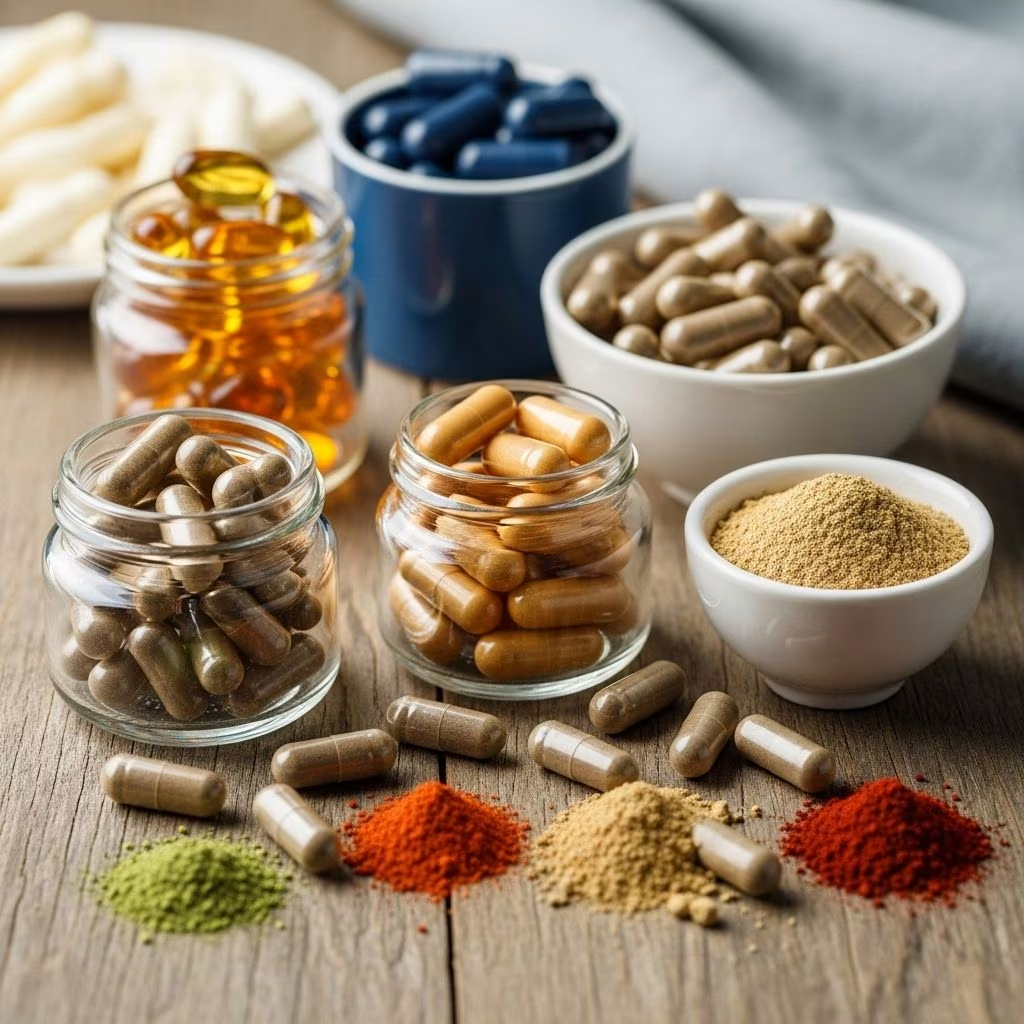
The intricate relationship between the gut microbiome and the skin barrier has become a focal point in modern integrative dermatology. Emerging research reveals that nurturing the gut’s microbial ecosystem can profoundly influence skin health, resilience, and appearance. This article offers a thorough exploration into the gut-skin axis, the science behind their interactions, and evidence-backed supplements designed to optimize both gut and skin function.
Introduction to the Gut-Skin Axis
The gut-skin axis refers to the sophisticated, bidirectional communication network that connects gastrointestinal health with skin homeostasis. Both organs function as dynamic barriers guarding the body from external threats, enriched with complex immune, microbial, and neuroendocrine pathways that coordinate their responses and regulate inflammation.
Emerging data indicate that disturbances in the gut microbiome—known as dysbiosis—and impaired gut barrier function can initiate systemic inflammation and immune activation, undermining the protective capacity of the skin and predisposing individuals to dermatological disorders.
Science of the Gut Microbiome
The gut microbiome encompasses trillions of microorganisms—bacteria, fungi, viruses, and archaea—that inhabit the human gastrointestinal tract. These microbes influence:
- Digestion and absorption of nutrients
- Production of short-chain fatty acids (SCFAs), such as butyrate, acetate, and propionate, essential for gut and immune health
- Synthesis of vitamins (e.g., vitamin K, B vitamins)
- Barrier integrity through modulation of tight junction proteins
- Regulation of the mucosal immune system
The composition and diversity of the gut microbiome are shaped by genetic, dietary, and environmental factors, with profound implications for systemic and skin health.
Understanding the Skin Barrier
The skin barrier is primarily formed by the outermost epidermal layer (stratum corneum), appendages like hair follicles and sebaceous glands, and a rich community of commensal microbes. Its main functions include:
- Defending against environmental insults and pathogens
- Retaining moisture to prevent dehydration
- Facilitating immune interactions
- Housing a unique skin microbiome
Disruption of this barrier—whether by physical, chemical, microbial, or immune factors—can result in inflammation, increased susceptibility to infection, and cutaneous disease.
Mechanisms of Gut-Skin Communication
The crosstalk between the gut and skin involves several overlapping pathways:
- Systemic Immunity: The gut houses up to 80% of immune cells, modulating immune tolerance and inflammatory responses both locally and at distant sites, including the skin.
- Microbial Metabolites: SCFAs (produced by beneficial gut bacteria) and other compounds cross the gut barrier, circulate in the bloodstream, and exert anti-inflammatory effects on the skin.
- Neuroendocrine Signaling: Gut microbes interact with the nervous system, influencing stress hormones like cortisol, which can impact skin inflammation and repair.
- Intestinal Permeability: Loss of gut barrier integrity (“leaky gut”) allows translocation of microbial components (e.g., lipopolysaccharides), fueling systemic and skin inflammation.
The diagram below illustrates this interplay:

Skin Conditions Linked to Gut Dysbiosis
A growing body of research links gut microbiome imbalances with common dermatologic diseases, including:
| Skin Condition | Gut Microbiome Role | Key Findings |
|---|---|---|
| Acne | Reduced microbial diversity, increased inflammation, and altered metabolite profiles | Dysbiosis promotes systemic inflammation and influences sebum production |
| Atopic Dermatitis (Eczema) | Decreased beneficial bacteria (e.g., Faecalibacterium prausnitzii) | Loss of gut integrity associates with increased skin inflammation and reactivity |
| Psoriasis | Altered gut flora, notably in butyrate-producing bacteria; higher gut permeability | Gut-derived Th17 responses amplify skin inflammation |
| Rosacea | Links to SIBO (small intestinal bacterial overgrowth) | Improvements reported after gut-directed therapy |
| Urticaria | Lower microbial richness and diversity | Potential benefit from probiotic intervention |
Supplements to Optimize the Gut-Skin Axis
Targeted supplementation can restore gut microbial balance, support barrier function, and attenuate skin inflammation. Research points to several categories of supplements with strong potential:
Probiotics
- Lactobacillus species – Especially L. rhamnosus, L. plantarum, and L. paracasei; shown to lessen atopic dermatitis, acne severity, and UV-induced skin reactions.
- Bifidobacterium species – B. longum and B. breve promote gut lining integrity and reduce skin reactivity.
- Other notable strains: Streptococcus thermophilus and Faecalibacterium prausnitzii support anti-inflammatory states both in the gut and skin.
Prebiotics
- Inulin, oligofructose, galactooligosaccharides (GOS): Non-digestible fibers that feed beneficial bacteria and increase production of SCFAs, which play a role in skin barrier repair.
- Polyphenols (from berries, green tea): Enhance the growth of protective microbes and improve immune tolerance.
Synbiotics
- Combination formulas of probiotics and prebiotics demonstrate synergistic effects, including higher bacterial survival, improved colonization, and comprehensive anti-inflammatory action beneficial for the skin barrier.
Postbiotics
- Supplements containing inactivated microbial cells, metabolites (like butyrate), or cell-wall fragments can deliver direct anti-inflammatory and immune-educating effects without the need for live bacteria.
Key Nutrients and Bioactives
- Omega-3 Fatty Acids: Regulate inflammation, promote membrane fluidity, and support skin integrity. Sourced from fish oil, algal oil, chia, and flaxseed.
- Zinc: Crucial for skin structure and immune regulation. Zinc carnosine also supports mucosal repair in the gut.
- Vitamin D: Modulates immunity along the gut-skin axis. Supplementation may lower dermatitis and psoriasis risk, especially in those with low serum levels.
- Collagen Peptides: Support skin elasticity, hydration, and wound healing while indirectly supporting gut lining structure.
- Glutamine: An amino acid essential for gut barrier cell repair and maintenance, with secondary benefits to the skin.
Evidence-Based Supplemental Strategies
When selecting supplements to support the gut-skin axis, consider these points:
- Choose multi-strain probiotics with well-documented skin or gut effects (ideally 109 – 1011 CFUs per serving).
- Look for prebiotics that list clinically studied fibers, such as chicory root inulin or partially hydrolyzed guar gum.
- Omega-3 supplements should supply at least 500 mg of EPA/DHA daily for anti-inflammatory benefits.
- Check that vitamin D supplements provide at least 1000 IU for adults, or as guided by serum 25(OH)D levels.
- For gut healing, glutamine powders (5g/day) may expedite intestinal recovery in chronic skin disorders with gut involvement.
Combination Therapy Table
| Supplement | Main Actions | Skin Barrier Effects |
|---|---|---|
| Probiotic Blend (Lactobacillus + Bifidobacterium) | Restores gut flora, modulates immune tolerance | Reduces atopic dermatitis, calms redness, supports hydration |
| Prebiotic Fiber (Inulin, GOS) | Feeds beneficial bacteria, increases SCFA production | Enhances skin barrier repair, lessens TEWL (transepidermal water loss) |
| Omega-3 Fatty Acids | Lowers inflammation systemically and locally | Reduces flare-ups, soothes dry/scaly patches |
| Vitamin D | Balances immune responses | Lowers dermatitis and psoriasis activity |
| Collagen Peptides | Increases elasticity, supports healing | Improves texture, recovers skin injuries faster |
Lifestyle and Dietary Support
For optimal results, supplementation should complement fundamental lifestyle and dietary choices:
- Diversify your diet to include fiber-rich fruits, vegetables, legumes, whole grains, and fermented foods (yogurt, kefir, sauerkraut).
- Minimize sugar and ultra-processed foods that encourage dysbiosis and inflammation.
- Stay hydrated and avoid excessive alcohol, which weakens mucosal and skin barriers.
- Manage stress via mindfulness, exercise, and adequate sleep, as chronic stress disrupts microbial and skin balance.
- Protect skin integrity using gentle cleansers, barrier creams, and sunscreen.
Frequently Asked Questions (FAQs)
Q: Can probiotics help all types of skin problems?
A: Probiotics show the most evidence for dermatitis, acne, and some cases of psoriasis, but their benefits can vary depending on the underlying cause and your individual gut-skin axis profile.
Q: How long does it take for supplements to affect my skin?
A: Improvements are often seen after 4–12 weeks of consistent use, as gut microbial changes and skin turnover both require time.
Q: Are there risks to taking gut-targeted supplements for the skin?
A: Most supplements are safe for healthy adults when used as directed. However, those with immune disorders or on immunosuppression should consult a healthcare provider before starting new probiotics or high-dose nutrients.
Q: Can diet alone replace the need for supplements?
A: A whole-food, diverse diet is foundational, but targeted supplements offer measurable benefits, especially in those with identified deficiencies or ongoing skin concerns tied to gut dysbiosis.
Q: Do topical products influence the gut-skin axis?
A: While topical products directly support the skin barrier, only oral or dietary interventions impact the gut-skin axis from within.
Final Takeaway
The science behind the gut-skin axis reveals a new frontier in holistic skin care. By strategically supporting the gut microbiome through evidence-based supplements and lifestyle shifts, individuals can unlock resilient, radiant skin from the inside out. Always consult with a qualified healthcare provider to personalize your gut-skin optimization plan, especially if you have chronic or complex health concerns.
References
- https://www.owlstonemedical.com/about/blog/2024/oct/01/how-the-gut-microbiome-influences-skin-health-exploring-the-gut-skin-axis/
- https://pmc.ncbi.nlm.nih.gov/articles/PMC9654002/
- https://www.tandfonline.com/doi/full/10.1080/19490976.2025.2473524
- https://pubmed.ncbi.nlm.nih.gov/36361857/
- https://www.aveeno.com/journal/the-gut-skin-and-microbiome
- https://www.science.org/doi/10.1126/science.abo0693


