


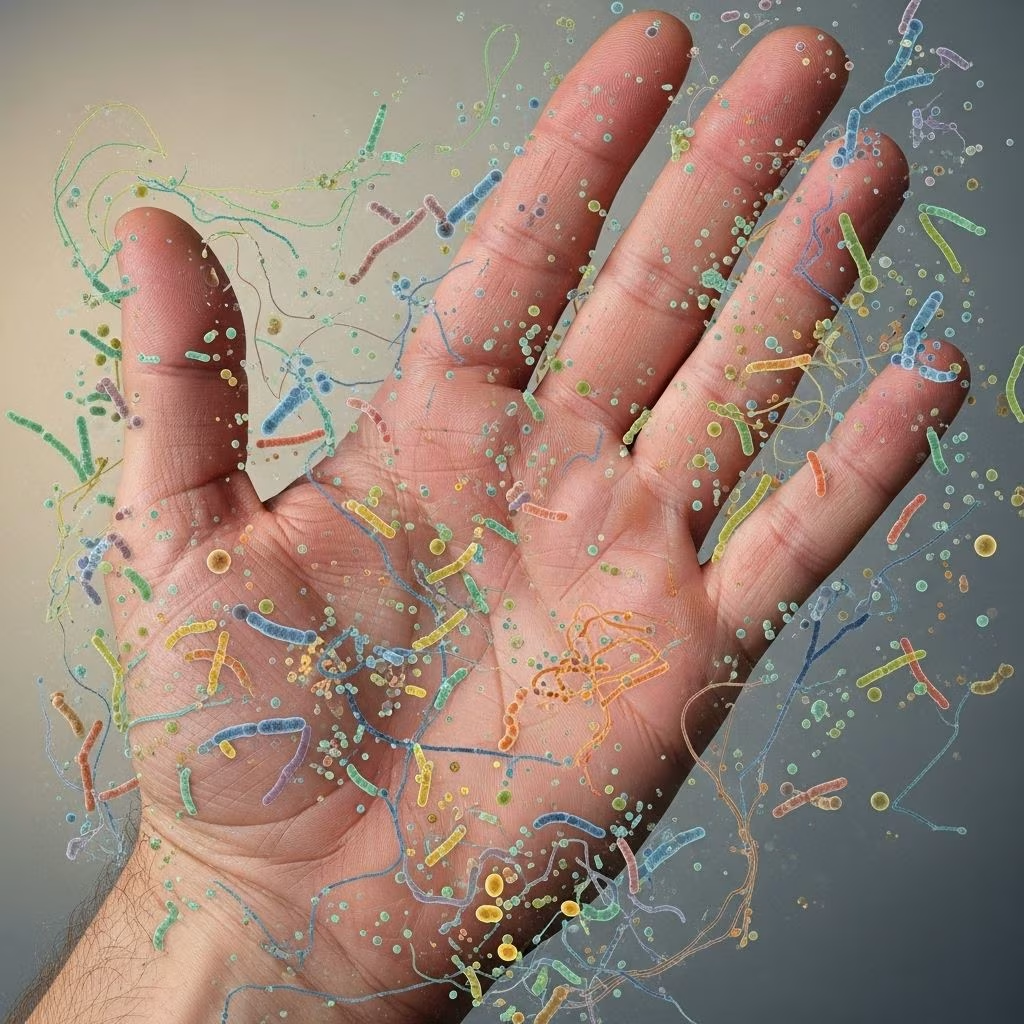
Hand eczema is a chronic, relapsing inflammatory skin disorder seen in millions globally. Recent scientific advances have unveiled a crucial link between the integrity of the skin microbiome—its diversity and balance—and the onset and persistence of hand eczema. Disruption of this balanced microbial ecosystem, known as dysbiosis, has emerged as both a marker and potential driver of this burdensome disease.
Introduction
Cutting-edge research has positioned the skin microbiome—a bustling community of bacteria, fungi, and viruses—as a prominent determinant of skin health and disease. Hand eczema, a model inflammatory skin disease, provides a unique lens through which to study the relationship between microbial composition and chronic inflammation. This article explores the emerging landscape of microbial diversity, dysbiosis, and hand eczema, focusing on evidence-based connections and clinical implications.
Skin Microbiome: Basics of Microbial Diversity
The skin microbiome refers to the diverse assemblage of microorganisms that reside on the skin surface. These include:
- Bacteria: Common genera include Staphylococcus, Corynebacterium, Propionibacterium (now Cutibacterium), and Pseudomonas.
- Fungi: Dominated by Malassezia species, but also includes Candida and others.
- Viruses: Such as bacteriophages, which infect bacteria, and human viruses like papillomaviruses.
- Mites and other rare eukaryotes.
A healthy skin microbiome maintains microbial diversity, outcompeting pathogens and regulating the local immune response. Disturbances to this balanced state can be detrimental.
Bacterial and Fungal Diversity
- Most healthy skin flora is non-pathogenic and provides a protective barrier against invaders.
- Bacterial composition varies by body site, age, and sex.
- The mycobiome (skin fungi) is less well-characterized but key, especially in certain diseases.
Understanding Hand Eczema
Hand eczema (also known as hand dermatitis) is characterized by recurrent cycles of redness, flaking, fissuring, itching, and sometimes oozing on the hands. It frequently affects people exposed to irritants or performing frequent hand-washing, such as healthcare workers and food handlers.
- Etiology: Multifactorial, including genetic predisposition, irritants, allergens, occupational exposure, and immune dysregulation.
- Prevalence: Affects up to 10% of the population at some point.
- Impact: Major consequences for quality of life, work, and social function.
Dysbiosis and Skin Health
Dysbiosis refers to an imbalance in the composition or function of the microbial ecosystem. On the skin, this can manifest as:
- Loss of beneficial commensals
- Overgrowth of pathogenic species (e.g., Staphylococcus aureus, Candida spp.)
- Reduced microbial diversity
A growing body of research shows that skin dysbiosis can drive or exacerbate inflammatory skin conditions, including atopic dermatitis, psoriasis, and hand eczema.
Signs of Skin Dysbiosis in Eczema
- Relative rise in Staphylococcus and reduction of Cutibacterium/Propionibacterium and other normal skin residents.
- Increased fungal diversity, especially expansion of non-Malassezia fungi such as Candida in severe cases.
- Reduced overall microbial richness compared to healthy controls, but sometimes, certain dysbiotic states may have higher or more chaotic diversity.
Mechanisms Linking the Microbiome and Hand Eczema
Several mechanisms may explain how skin microbial diversity influences hand eczema:
- Barrier Disruption: Eczema-affected skin is less effective at retaining moisture and more permeable, allowing microbes deeper access.
- Immune Modulation: Dysbiosis can trigger inappropriate immune responses, driving ongoing inflammation.
- Bacterial Toxins/Enzymes: Some strains (e.g., S. aureus) release toxins that worsen eczema and delay healing.
- Cycle of Inflammation: Chronic inflammation damages the barrier further, creating a loop that perpetuates eczema symptoms.
Recent Research Highlights
| Aspect Studied | Key Findings | Sources |
|---|---|---|
| Microbial shifts over time | Alpha diversity of the hand microbiome increased over 6 years, but individuals with hand eczema showed increased Staphylococcus abundance, consistent with dysbiosis. | |
| Severity of atopic lesions | Severe atopic dermatitis (a key type of eczema) shows more pronounced microbial dysbiosis and increased fungal diversity, with greater relative expansion of Staphylococcus and Candida species. | |
| Skin barrier and microbiota | Hand eczema is associated with an altered barrier that enables pathogenic microbes to thrive, perpetuating a feedback loop of inflammation and barrier breakdown. | |
| Gut-skin axis | Gut microbiome composition may influence skin inflammation, suggesting a broader concept of dysbiosis that includes gut and skin. |
Influencing Factors: Hygiene, Moisturizers, and Lifestyle
Several daily habits and environmental exposures can shift the skin microbiome and potentially contribute to dysbiosis in hand eczema:
Hand Hygiene Practices
- Frequent hand washing—particularly with harsh soaps—can strip lipids and normal flora, encouraging dysbiotic changes.
- High washing frequency is associated with lower alpha diversity and increased levels of Staphylococcus, Corynebacterium, Finegoldia, and Pseudomonas, but decreased Propionibacterium and Pelomonas.
- Time elapsed since handwashing impacted the microbiome: more time passing allowed for greater microbial diversity to redevelop.
Use of Moisturizers
- Regular moisturizer use, often encouraged in eczema management, can alter microbial composition: associated with lower alpha diversity and increased abundance of Pseudomonas.
- Different gender-related patterns in moisturizer and hygiene practices may influence microbial shifts.
Additional Influences
- Antibiotic or antimicrobial use can drive dysbiosis, sometimes fostering resistant strains.
- Occupational exposures and lifestyle factors (gloves, chemicals, climate) play significant roles.
Microbiome-Targeted Therapies and Management
Managing hand eczema increasingly recognizes the value of preserving or restoring microbial balance:
- Gentle Cleansing: Limit harsh soaps; favor mild cleansers that preserve skin barrier and commensals.
- Emollients: Select barrier-supporting moisturizers potentially formulated with prebiotics or substances supporting commensal flora.
- Targeted Antimicrobials: Reserve systemic and topical antibiotics for overt infection due to risk of microbiome disruption.
- Probiotics and Prebiotics: Evidence is emerging for their use, particularly strains supporting skin or gut health.
- Lifestyle Modifications: Manage exposure to irritants and increase time between washes where feasible.
Future research may further support interventions such as:
- Microbiome transplants (bacteriotherapy): Direct application of beneficial bacteria to restore balance.
- Customized skincare regimens: Formulated based on an individual’s microbiome profile.
Frequently Asked Questions (FAQs)
Q: What exactly is skin dysbiosis, and how does it relate to hand eczema?
Skin dysbiosis is an imbalance in the skin’s microbial community, often marked by overgrowth of disease-associated organisms like Staphylococcus aureus and loss of beneficial bacteria. In hand eczema, dysbiosis appears to fuel inflammation and worsen symptoms, creating a cycle of flare-ups.
Q: Can handwashing actually make hand eczema worse due to microbial shifts?
Yes. Vigorous or frequent handwashing can strip the skin’s protective oils and resident commensals, making it easier for pathogenic organisms to dominate and setting the stage for dysbiosis.
Q: Do probiotics help hand eczema?
Evidence is still emerging, but some probiotics and prebiotics have shown potential in restoring microbiome diversity, especially by reducing harmful bacteria and supporting skin health by modulating inflammation.
Q: Is the gut microbiome relevant to hand eczema?
Yes. The gut-skin axis links intestinal microbial health to skin inflammation, with increasing research suggesting that gut dysbiosis can influence the risk and severity of eczema conditions, including on the hands.
Q: Are all eczema patients affected by dysbiosis in the same way?
No. There are significant individual and even gender-based differences in skin microbiome response, hygiene habits, and eczema severity. Personalized approaches are often most effective.
Conclusion
The interplay between microbial diversity and hand eczema underscores the importance of skin barrier and microbiome integrity. Dysbiosis—characterized by reduced beneficial bacteria, increased pathogenic microbes, and altered fungal populations—plays a fundamental role in triggering and perpetuating hand eczema. With deeper understanding, the future of eczema care will likely feature microbiome-preserving and -restoring strategies, ultimately aiming to break the cycle of inflammation and support lifelong skin health.


