


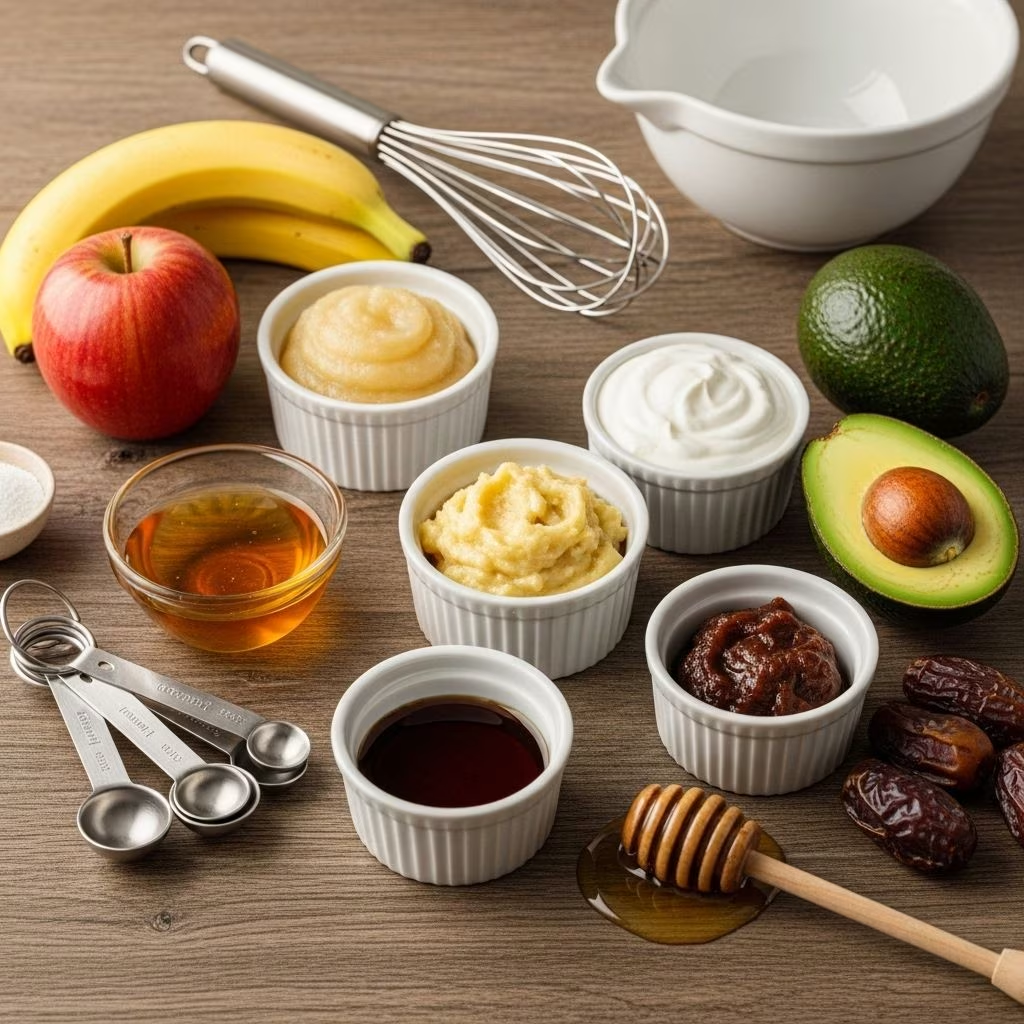
Baking is cherished worldwide for producing sweet, comforting treats, but traditional recipes often rely on generous amounts of sugar and butter. With health-conscious eating on the rise, home bakers are seeking ways to make their cakes, cookies, and breads both nutritious and delicious. This article examines the most effective and popular healthy substitutions for sugar and butter in baking, offering guidance, recipes, and practical tips for making your favorite bakes lighter and better for you.
Why Consider Healthy Substitutions?
Sugar and butter add flavor, texture, and moisture to baked goods, but their excessive consumption has well-documented health risks. High intake of refined sugar is linked to increased rates of obesity, diabetes, and heart disease, while butter’s saturated fat can also impact cardiovascular health. By making smart substitutions, you can:
- Lower calorie and saturated fat content
- Boost fiber, vitamins, and minerals
- Reduce blood sugar spikes
- Make treats suitable for a wider range of diets (vegan, diabetic, low-fat, etc.)
Let’s explore the best substitutions for butter and sugar to keep baking both tasty and wholesome.
Healthy Alternatives to Butter
Butter provides richness, tenderness, and moisture, but its high saturated fat has made it a target for substitution. Here are some science-backed alternatives, their nutritional benefits, and their best uses:
Fruit Purees
- Mashed Bananas: 1:1 substitute for butter. Ideal for cakes, brownies, and muffins. Adds natural sweetness, fiber, potassium, and vitamins. Yields a soft, cakey texture.
Best for recipes that tolerate extra moisture and work with banana’s flavor profile. - Unsweetened Applesauce: 1:1 ratio in cakes, muffins, quick breads, and spice cakes. Lowers fat and calories, adds fiber, and subtle apple sweetness.
- Pumpkin or Sweet Potato Puree: Works well in autumn-inspired bakes, brownies, spice cakes. Adds fiber, vitamins A and C, and unique flavor.
- Fig or Prune Puree: Best for chocolate desserts, enhances flavor while providing antioxidants and natural moisture.
Vegetable Oils
- Olive Oil or Vegetable Oil: Replace melted butter with an equal amount of oil. Olive oil adds a fruity touch to cakes, muffins, and cookies; vegetable oil has a neutral flavor.
Not suitable for recipes requiring solid butter like icings; manage additional liquids to avoid sogginess.
Dairy-Based Substitutes
- Greek Yogurt: Substitute up to 1 cup in place of butter or oil for protein, calcium, and fewer calories. Best for cakey and muffin recipes, imparts a signature tang.
- Cream Cheese/Full-fat Mayonnaise: Adds rich moisture, suitable for specific recipes that benefit from mild tang and creaminess.
Plant-Based Fats
- Avocado: Replace butter 1:1 for creamy, nutrient-rich cakes. Adds healthy monounsaturated fats, fiber, and vitamins.
- Coconut Oil: Solid at room temperature, mimics butter’s texture in cookies and cakes. Contains medium-chain triglycerides (MCTs), but higher in saturated fat.
- Nut Butters (Almond, Cashew, Peanut): Replace butter 1:1 in recipes for a creamy, protein-rich substitute. Adds subtle nutty flavor and heart-healthy fats; may change the final taste.
Healthy Alternatives to Sugar
Refined sugar is used for sweetness, caramelization, and softness, but its high glycemic index and empty calories prompt the search for smarter alternatives. Here are top choices and how to use them:
Natural Sweeteners
- Honey: Provides antioxidants, subtle flavor, and a lower glycemic index than sugar. Sweeter than sugar, so use less (about 3/4 cup honey to 1 cup sugar). Caramelizes quickly and gives a moist, rich finish.
- Maple Syrup: Offers vitamins and minerals like calcium, iron and potassium, with a distinct flavor profile. Sweeter than sugar; use 3/4 cup to replace 1 cup sugar and reduce liquid slightly.
- Agave Nectar: Extremely sweet, so you’ll need less (use 2/3 cup for 1 cup sugar). Non-crystallizing and ideal for soft baked goods; lower glycemic index.
Fruit-Based Sweeteners
- Applesauce: Adds moisture and natural sweetness with fewer calories. Works in muffins, cakes, and breads; also allows you to reduce the amount of added sugar.
- Mashed Bananas, Dates, or Prune Puree: All provide natural sugars, minerals, and fiber while enhancing flavor in select recipes.
Sugar Alcohols and Zero-Calorie Sweeteners
- Xylitol: Diabetic-friendly, lower-calorie option with dental benefits. Cannot caramelize like sugar, so not suitable for all recipes.
- Stevia, Monk Fruit: Natural, zero-calorie plant extracts. Intensely sweet, so a small amount goes a long way; may affect texture and volume in baking.
Additional Sweetness Boosters
- Cacao Nibs: Naturally bitter, add crunchy texture and antioxidants as a chocolate chip replacement.
- Yogurt Chips, Raisins, or Nuts: These add natural sweetness and texture in place of traditional chocolate chips or sugary inclusions.
Tips for Successful Substitution in Baking
Healthy substitutions in baking can be rewarding, but require planning and experimentation to avoid unexpected texture and flavor changes:
- Start slowly: Replace 1/3 to 1/2 the butter or sugar first, then gradually increase as you perfect the balance.
- Consider texture: Fruit purees and liquid sweeteners may add extra moisture. Adjust flour and leavening agents as needed.
- Mind sweetness and ratios: Most natural sweeteners are sweeter than refined sugar, so scale down quantitatively and reduce added liquids.
- Flavor awareness: Strong-tasting substitutions (like olive oil or nut butters) can shift the outcome. Use neutral alternatives for versatile recipes.
- Monitor browning and caramelization: Natural sweeteners and sugar alcohols may brown faster or not at all; adjust baking temperature and time.
- Use leavening agents: Nut-based flours, fruit purees, and dense substitutions may require extra baking powder or soda to achieve desired lift.
Other Nutrient-Boosting Baking Swaps
Making baked goods healthier doesn’t stop at sugar and butter. Here are other popular ingredient swaps to amplify nutritional value:
Whole Grain & Alternative Flours
- Whole Wheat Flour: Higher in protein, fiber, and B-vitamins than white flour. Swap incrementally (start with 1/3) and add liquid to avoid dryness.
- Nut-Based Flours (Almond, Coconut, Oat): Gluten-free, packed with fiber, healthy fats, and minerals. ¾ cup nut flour to replace 1 cup white flour; may require extra leavening.
- Pureed Black Beans: 1 cup of beans for 1 cup of flour in brownies, boosting protein and density.
- Buckwheat Flour: Gluten-free, rich in minerals and antioxidants, with hearty flavor for rustic breads or pancakes.
Chocolate Chip & Inclusion Swaps
- Cacao Nibs: Add antioxidants and crunch with minimal sugar.
- Yogurt Chips: Boost protein while maintaining sweetness.
- Raisins/Nuts: Increase fiber, vitamins, and healthy fats.
Bread Crumb Substitutes
- Rolled Oats: Provide fiber, protein, and a similar texture.
- Ground Flaxseed: Adds omega-3 fats and binds mixtures.
- Chopped Nuts: Use in coatings for extra nutrition.
Comparison Table: Sugar & Butter Substitutes
| Substitute | Use Instead Of | Replacement Ratio | Benefits | Ideal For |
|---|---|---|---|---|
| Mashed Bananas | Butter, Sugar | 1:1 | Natural sweetness, potassium, fiber | Muffins, cakes, brownies |
| Unsweetened Applesauce | Butter, Sugar | Up to 1:1 | Low fat, dietary fiber | Quick breads, spice cakes |
| Olive/Vegetable Oil | Melted Butter | 1:1 | Heart-healthy fats, lowers cholesterol | Cakes, muffins, cookies |
| Greek Yogurt | Butter, Oil | Up to 1:1 | Protein, calcium, tang | Muffins, carrot cakes |
| Honey | Sugar | 3:4 | Antioxidants, moist texture | Cakes, muffins, cookies |
| Maple Syrup | Sugar | 3:4 | Minerals, distinct flavor | Pancakes, breads |
| Xylitol | Sugar | 1:1 | Dental health, low glycemic | Cookies, cakes |
| Nut Butters | Butter | 1:1 | Protein, heart-healthy fats | Cookies, bars |
Frequently Asked Questions (FAQs)
Q: Can I substitute butter with oil in any recipe?
For most cakes and muffins, olive or vegetable oil can replace melted butter 1:1, but solid butter is essential in recipes like pastries and icings for proper texture. Consider recipe requirements before substituting.
Q: Which sugar alternative works best for diabetes?
Xylitol and stevia are generally best as they have low to zero impact on blood sugar levels and calories, but check recipe suitability for caramelization and texture.
Q: Will using fruit purees affect the flavor of baked goods?
Yes, purees like banana and applesauce add their own taste. They pair best with recipes where their flavor complements or enhances the bake, such as banana bread or spice cake.
Q: How can I adjust recipes for extra moisture from healthy substitutes?
Reduce liquid (milk, water) slightly when using high-moisture substitutes, and consider adding extra flour or leavening for improved structure.
Q: Are these swaps suitable for gluten-free baking?
Most sugar and butter substitutions are gluten-free, but flour changes (like oat or almond flour) should be paired with proper binding agents for structure.
Conclusion
Transforming classic baking recipes into healthier versions does not mean compromising taste or texture. With natural sweeteners, fruit purees, plant-based oils, and nutrient-rich flours, you can prepare delicious treats that align with modern nutrition goals. Start experimenting, adjust recipes incrementally, and enjoy the process of discovering new favorites with every healthy bite.
References
- https://www.skh.com/blog/healthy-baking-substitutions/
- https://www.bakingmad.com/baking-tips/butter-substitutes
- https://www.masoncash.co.uk/inspire-me/free-from-baking-substitutes/
- https://blog.contrave.com/healthy-ish-baking-swaps-for-sugar-butter-and-flour
- https://www.medicalnewstoday.com/articles/323697


