


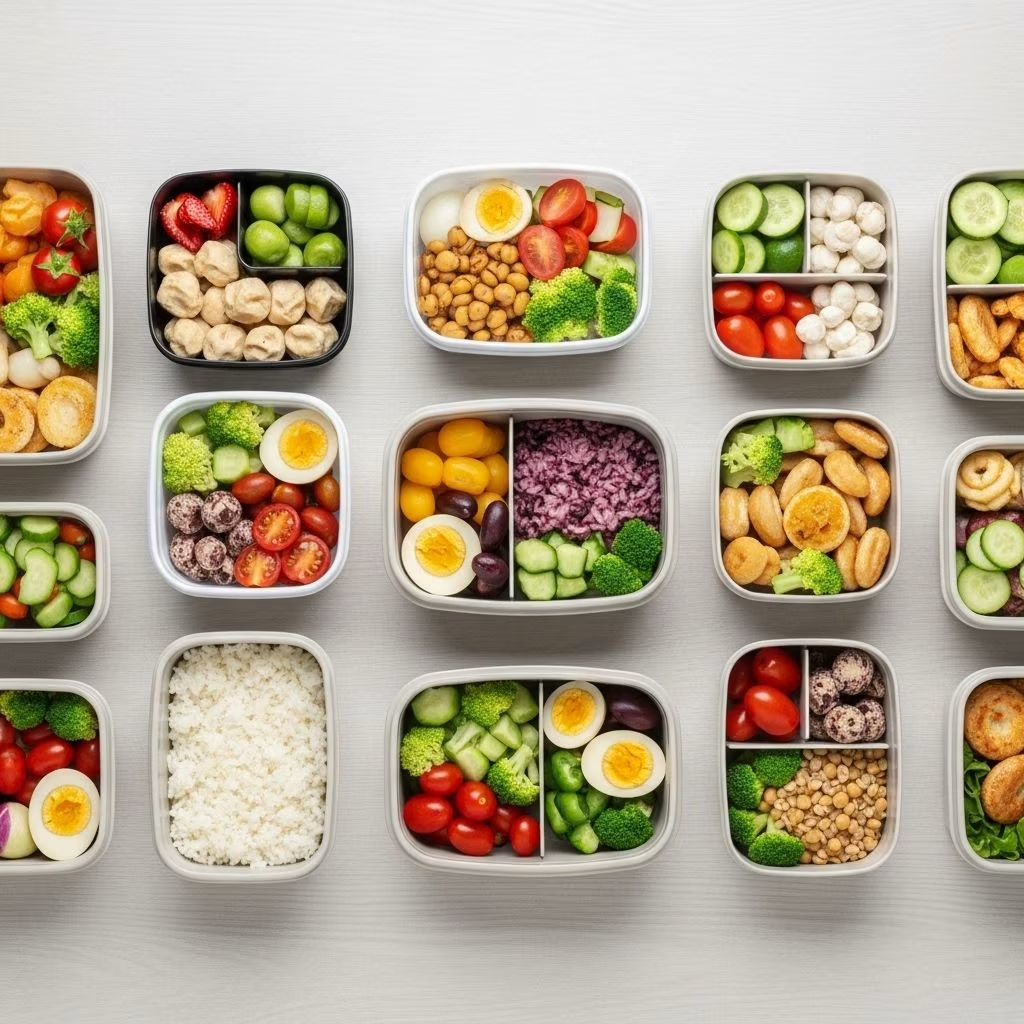
Busy weekends spent at kids’ sports tournaments often challenge even the most organized families. Beyond practices, travel, and game schedules, fueling young athletes with nutritious, convenient, and balanced meals is essential to maximize their energy, focus, and athletic performance. This comprehensive guide explores proven strategies, recipes, and practical tips for preparing healthy meals and snacks for children during long tournament days.
Why Nutrition Matters During Tournaments
Kids’ bodies demand top-quality fuel, especially during tournaments stacked with multiple games in one day. Meals and snacks consumed before, during, and after match play directly impact:
- Physical performance: The right nutrition maximizes strength, endurance, and reaction times.
- Cognitive function: Well-nourished brains stay focused and strategic through the final whistle.
- Recovery and injury prevention: Balanced meals help minimize muscle fatigue, speed up recovery, and reduce the risk of injury.
- Overall well-being: Continued proper nutrition supports both the immune system and growth in active children.
Tournament Nutrition Timeline
Planning nutrition across the days leading up to the tournament—not just game day—delivers the best results. A typical timeline includes:
- A Week Before: Gradually reduce heavy training intensity but start optimizing diet for ample carbohydrate intake, lean proteins, and plenty of vegetables.
- 2–3 Days Before: Focus on complex carbs (pasta, rice, potatoes) to build muscle glycogen stores, paired with vegetables and moderate protein. This increases stored energy available for tournament day.
- 24 Hours Before: Increase hydration, avoid new, spicy, or fatty foods, and plan a light evening snack (granola bar, yogurt, or sandwich) for extra glycogen.
- Game Day: Eat a balanced breakfast 1–2 hours before the first game, then snack every 2–3 hours between games to sustain energy.
Essential Nutrients for Young Athletes
Young athletes need a carefully designed balance of:
- Carbohydrates (energy): Whole grains, fruits, and starchy vegetables quickly replenish muscle fuel.
- Proteins (recovery & sustained energy): Lean meats, beans, dairy, eggs, or nuts help muscles repair and grow.
- Healthy Fats (focus & satiety): Nuts, seeds, sunflower butter, hummus, avocado, and cheese provide lasting fullness and concentrated energy (in moderation).
- Vitamins & Minerals (immunity, fluid balance): Fruits (berries, oranges), veggies (carrots, peppers), and dairy/fortified products support overall health.
- Fluids (hydration): Water, milk, and diluted natural juices ensure proper hydration and temperature regulation.
Smart Meal Prep Strategies
Preparing meals for tournaments doesn’t need to be overwhelming, but it does require a strategy to keep food nourishing, safe, and portable:
- Plan ahead: Use the weekend to map out meals for the week. Incorporate both main meals and snack breaks.
- Batch cook essentials: Cook proteins (chicken, turkey, boiled eggs), grains (brown rice, quinoa), and prep fruits/veggies in advance for easy assembly.
- Deconstruct meals: Store components in separate containers—kids can mix & match or assemble wraps/lunchboxes on-site.
- Choose portable options: Favor foods that travel well, require minimal refrigeration, and can survive rough handling (see recipe ideas below).
- Get kids involved: Children are more likely to eat what they help prepare, so give age-appropriate prep tasks.
- Invest in equipment: Use sturdy lunchboxes, ice packs, thermoses, and stackable, leakproof containers.
Healthy Breakfast Ideas
Breakfast fuels the first game or activity. Opt for balanced, easy-to-eat, and low-sugar options:
- Overnight oats: Whole oats with berries, nuts, and Greek yogurt.
- Fruit smoothies: Blend bananas, berries, milk, nut butter, and a scoop of oats for a filling shake.
- Whole grain muffins: Banana or zucchini muffins with minimal added sugars.
- Egg muffins or wraps: Eggs baked with vegetables and cheese in muffin tins, or rolled in whole wheat tortillas.
- Whole grain toast with nut butter: Serve with apple slices or banana for natural sweetness.
Sample Tournament Breakfast Table
| Option | Carbs | Protein | Fat | Portable? |
|---|---|---|---|---|
| Overnight oats with berries & yogurt | ✔️ | ✔️ | ✔️ | ✔️ |
| Breakfast smoothie | ✔️ | ✔️ | ✔️ | ✔️ |
| Egg muffins | Limited | ✔️ | ✔️ | ✔️ |
| Whole grain toast + nut butter + banana | ✔️ | ✔️ | ✔️ | With prep |
Lunch and Dinner on the Go
Tournament days often run morning to evening, making portable, room-temperature meals vital. Balanced lunch and dinner options include:
- Wraps and sandwiches: Whole wheat wraps stuffed with grilled chicken, turkey, or hummus, layered with spinach, cheese, and grated carrots. Avoid mayonnaise or easily spoiled fillings without refrigeration.
- Cold pasta or grain salads: Whole grain pasta, brown rice, or quinoa with beans, diced veggies, and simple vinaigrette.
- Mason jar salads: Stack ingredients in jars (protein at bottom, greens on top); pour dressing when ready to eat.
- Meal ‘Lunchables’: Whole grain crackers, cheese, lean lunch meat, and sliced fruit, portioned in bento boxes for easy assembly.
- Boiled potatoes or sweet potato wedges: Provide long-lasting energy and pair well with string cheese or roasted chickpeas.
- Nut butter sandwiches: Peanut or seed butter with sliced bananas or berries on whole grain bread.
- Chicken salad: Cooked, shredded chicken mixed with Greek yogurt, grapes, celery, and a dash of salt and pepper, served with whole grain pita or crackers.
Nutrition Tip:
Every meal should include a carbohydrate, a protein, a healthy fat, and a source of vitamins/minerals (fruits/veggies). This helps maintain steady energy and stable blood sugar between games.
Quick and Nutritious Snack Solutions
Frequent small snacks help maintain energy and focus. The best snacks are:
- Easy to transport (safe at room temperature for hours)
- Minimal preparation
- Balanced in carbs, protein, and some healthy fat
Popular options include:
- Fresh fruit (grapes, apple slices, berries, orange segments, melon)
- Cut-up veggies (pepper strips, carrots, cucumber) with hummus dip
- String cheese or cheese cubes
- Low-sugar yogurt tubes or pouches
- Trail mix (nuts, seeds, raisins, dried cranberries – avoid if nut-free required)
- Whole grain cereal or granola bars
- Rice cakes or popcorn
- Pretzels with nut or seed butter
Staying Hydrated
Hydration impacts stamina, concentration, and recovery. Throughout tournament day:
- Encourage athletes to drink water regularly, not just during games or when thirsty.
- Start hydrating at breakfast and continue consistently; don’t rely solely on postgame fluids.
- Opt for water, low-fat milk, or low-sugar sports drinks (for events >60 minutes or during hot weather).
- Avoid high-sugar sodas, energy drinks, or undiluted fruit juices.
- Pack personal labeled water bottles and refill as needed.
Safe Meal Transport and Food Safety
- Use insulated lunch bags and ice packs for perishable foods like meat, eggs, or dairy.
- Pre-wrap or pre-portion snacks to limit repeated hand contact.
- Consider shelf-stable options (unsweetened apple sauce, whole fruits, roasted chickpeas) for snacks that may not stay chilled.
- Always wash hands or use hand sanitizer before eating.
- Store coolers out of direct sunlight and keep closed as much as possible.
Engaging Kids in Meal Prep
- Assign age-appropriate tasks: Young kids can wash fruit, fill snack bags, and select sandwich toppings.
- Let kids build their own lunchboxes: Lay out healthy components buffet-style for personal choice and variety.
- Discuss nutrition basics: Briefly explain how each meal or snack helps their body play or recover.
- Theme meals: Let kids name their own snack combos (“Power Bites,” “Game Changer Salad”) to make it fun and memorable.
Frequently Asked Questions (FAQs)
What are the best foods to avoid on tournament days?
Heavy, fatty, fried, or spicy foods as well as creamy sauces slow down digestion, can cause discomfort, and sap energy. Stick to simple, familiar, and lightly seasoned dishes.
How often should my child eat during a tournament?
A balanced breakfast before the first game, a meal between games, and a snack every 2–3 hours works well. Encourage small portions so they’re never overly full or hungry.
Are store-bought snacks healthy in a pinch?
Prepackaged options can work if you read labels—choose low-sugar granola bars, unsweetened applesauce, yogurt with minimal additives, and avoid snacks high in salt, sugar, and artificial colors.
What if our child has food allergies?
There are many allergy-friendly, portable snack ideas such as rice cakes, sunbutter, roasted chickpeas, fruit, and oat-based bars. Prep at home to limit cross-contamination and always read labels carefully.
How can we encourage picky eaters at tournaments?
Get them directly involved in meal prep—let them choose fruits, help assemble wraps, or create themed snack boxes. Involve familiar flavors and easy-to-eat finger foods.
Quick Tournament Meal Ideas List
- Overnight oats with berries
- Turkey and cheese wraps
- Mason jar salads (protein, grains, veggies)
- Grapes, string cheese, and pretzels
- Homemade energy bites (oats, nut/seed butter, honey, dried fruit)
- Cold pasta with chickpeas and spinach
- Chicken salad with whole grain crackers
- Rice cakes with sunbutter and sliced strawberries
Key Takeaways
- Balanced nutrition—carbs, protein, healthy fat, vitamins, and fluids—sustains energy and maximizes performance.
- Smart planning, batch prep, and using portable meal options are vital for busy tournament days.
- Encourage kids’ involvement; make healthy meals part of the tournament fun!
References
- https://creatingbutterflies.com/simple-way-to-prepare-healthy-foods-for-sport-tournaments/
- https://eatyourselfbrilliant.co.uk/tournament-nutrition-for-children/
- https://www.nationwidechildrens.org/family-resources-education/700childrens/2015/01/healthy-meals-and-snacks-for-the-busy-athlete
- https://truesport.org/nutrition/dump-go-meals-youth-sports/
- https://moveunitedsport.org/truesport-7-tips-for-meal-prep-to-fuel-young-athletes-for-the-week/
- https://sweetsavoryandsteph.com/healthy-on-the-go-meals-for-sports-seasons/


