


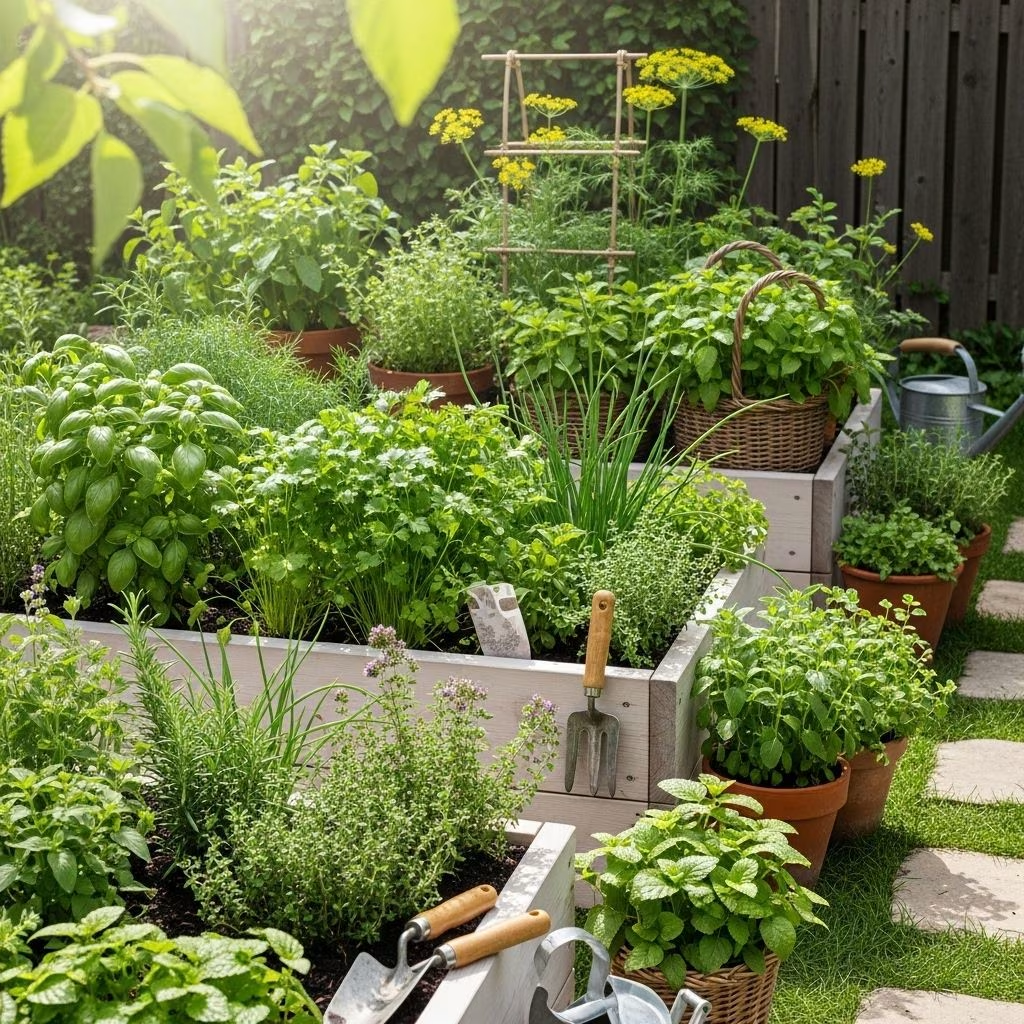
Herb Garden for Low-Sodium Living
Reducing sodium in your family’s meals can be challenging, especially when taste is a priority. However, cultivating an herb garden offers a natural, easy, and delicious way to enhance flavor—without the need for extra salt. Herbs like basil, rosemary, oregano, thyme, and mint bring a world of taste to your dishes, making it easy to cut back on sodium while keeping meals appealing to everyone at the table.
Herb gardens can thrive indoors or outdoors, require minimal space, and provide fresh ingredients year-round. By leveraging the aromatic and health-promoting properties of herbs, families can achieve flavorful, heart-healthy eating habits that last a lifetime.
Why Reduce Sodium in Family Meals?
Sodium is essential for bodily functions, but excessive intake is linked to high blood pressure, heart disease, and stroke. Many processed foods and even home-cooked meals rely on salt as a primary seasoning, making it easy to exceed the recommended daily limit.
- Children and adults alike benefit from a lower-sodium diet, supporting long-term cardiovascular health.
- Reducing sodium intake can help manage blood pressure and reduce the risk of chronic diseases.
- Herbs and spices can compensate for reduced salt, ensuring meals remain flavorful and satisfying.
Top Herbs for Flavor Without Salt
Herbs are a powerhouse of aroma, taste, and health benefits. Many herbs contain antioxidants, anti-inflammatory compounds, and digestive aids, making them a smart addition to your diet. Here are the best herbs to use instead of salt:
| Herb | Flavor Profile | Best Used In | Health Benefits |
|---|---|---|---|
| Basil | Sweet, slightly peppery, hints of mint and anise | Italian dishes, salads, soups | Digestion, anti-inflammatory |
| Rosemary | Piney, fragrant, robust | Roasted vegetables, meats, breads | Memory, circulation |
| Thyme | Earthy, slightly minty | Soups, stews, marinades | Respiratory health, antioxidant |
| Oregano | Warm, slightly bitter, peppery | Mediterranean, Italian, grilled foods | Antioxidant, antimicrobial |
| Mint | Cool, refreshing | Salads, drinks, desserts | Digestion, calming |
| Parsley | Fresh, slightly bitter | Salads, garnishes, sauces | Detoxifying, vitamin C |
Mixing these herbs in different combinations can create complex flavors in your meals, reducing reliance on salt while enhancing nutritional value.
Growing Your Own Herb Garden
Starting an herb garden is a rewarding way to ensure a steady supply of fresh, flavorful additions to your meals. Herbs can be grown in pots, raised beds, or even windowsills, making them accessible for apartment dwellers and homeowners alike.
Selecting Herbs to Grow
Choose a mix of your favorite culinary herbs based on your family’s tastes and the dishes you cook most often. Basil, rosemary, thyme, oregano, mint, and parsley are excellent starters due to their versatility and ease of growth.
Planting and Care Tips
- Sunlight: Most herbs thrive in full sun (at least 6 hours per day).
- Soil: Use well-drained, loamy soil. Pots should have drainage holes.
- Watering: Herbs prefer even moisture but dislike soggy roots. Water when the soil feels dry to the touch.
- Harvesting: Regularly prune herbs to encourage new growth and prevent flowering, which can make leaves less flavorful.
Indoor Herb Gardens
No outdoor space? No problem. Many herbs grow well indoors with adequate sunlight or under grow lights. A windowsill herb garden is a great project for kids and a convenient way to always have fresh herbs on hand.
Cooking with Herbs: Tips and Techniques
Fresh herbs can transform even simple ingredients into a feast for the senses. Here’s how to make the most of them in your kitchen:
- Add Fresh Herbs at the End: Delicate herbs like basil, parsley, and cilantro add vibrant flavor when stirred in just before serving.
- Oils and Marinades: Infuse olive oil with rosemary, thyme, or garlic for dipping bread or drizzling over roasted vegetables.
- Herb Rubs and Mixes: Create salt-free seasoning blends using dried herbs, garlic powder, onion powder, paprika, and pepper for meats, fish, and vegetables.
- Herb-Butter Spreads: Blend softened butter with chopped herbs for a tasty spread on bread or steamed veggies.
- Herb Garnishes: Sprinkle fresh herbs over finished dishes for a burst of color and flavor.
Low-Sodium Herb-Infused Recipes
Here are a few family-friendly, low-sodium recipes that highlight the power of homegrown herbs.
Low-Sodium Oven Roasted Vegetables with Rosemary
This recipe showcases how roasting intensifies natural flavors, reducing the need for salt.
Ingredients:
- 1 lb Yukon Gold potatoes, cut into 1-inch pieces
- 4 medium carrots, peeled & cut into 1-inch pieces
- 4 medium zucchini, cut into 1-inch pieces
- 1 large red bell pepper, cored, seeded & cut into 1-inch pieces
- 1 large Vidalia onion, peeled & cut into 1-inch pieces
- 8 cloves garlic
- 3 tbsp extra virgin olive oil, divided
- ½ tsp fresh cracked black pepper, divided
- 2 tbsp fresh rosemary, chopped & divided
- 2 medium beets, peeled & cut into 1-inch pieces
- 3 sprigs fresh rosemary for garnish
Method:
- Preheat oven to 400°F. Place oven racks in the bottom two positions.
- Lightly coat two baking sheets with cooking spray.
- In a large bowl, toss potatoes, peppers, carrots, zucchini, garlic, and onion with 2 tbsp oil, half the pepper, and half the rosemary until well coated.
- In a separate bowl, toss beets with remaining oil, pepper, and rosemary (to prevent staining other veggies).
- Spread veggies and beets evenly on the baking sheets. Roast for 20 minutes.
- Stir, flip veggies, rotate pans, and roast another 20–25 minutes until golden and tender.
- Transfer to a serving dish, garnish with rosemary sprigs, and serve immediately.
Herb-Infused Tabouli Bulgur Wheat Salad
This refreshing salad is naturally low in sodium and packed with fresh herbs.
Ingredients:
- 1 cup dry bulgur wheat
- 1 cup hot water
- ½ cucumber, chopped
- 2 stalks celery, chopped
- 1 tomato, chopped
- 4 green onions, chopped
- ¼ cup fresh mint (or cilantro), chopped
- 1 cup fresh parsley, chopped
- 1 clove garlic, minced (or ⅛ tsp garlic powder)
- ¼ cup lemon juice
- 3 tbsp olive oil
- Freshly ground black pepper to taste
Method:
- Place bulgur in a bowl, pour hot water over, cover, and let sit for 30 minutes.
- Fluff bulgur with a fork, then add cucumber, celery, tomato, green onions, mint, parsley, and garlic.
- Whisk lemon juice, olive oil, and pepper together, pour over salad, and toss.
- Chill before serving for best flavor.
No-Salt Seasoning Blend
Make a versatile, heart-healthy seasoning mix to keep on hand.
Ingredients:
- 5 tsp onion powder
- 1 tbsp garlic powder
- 1 tbsp paprika
- 1 tbsp dry mustard
- 1 tsp dried thyme
- ½ tsp pepper
- ½ tsp celery seed
Method:
Mix all ingredients and store in an airtight container. Use as a general seasoning for meats, vegetables, and soups.
Frequently Asked Questions
Q: Can I use dried herbs instead of fresh?
A: Yes, dried herbs are convenient and have a longer shelf life. Use about one-third the amount of dried herbs as you would fresh, since their flavors are more concentrated.
Q: Which herbs are easiest to grow for beginners?
A: Basil, parsley, mint, and rosemary are among the easiest herbs to grow. They tolerate a range of conditions and are forgiving for new gardeners.
Q: How do I store fresh herbs for maximum freshness?
A: Rinse and dry herbs thoroughly, then store in a damp paper towel in a resealable bag in the fridge. Alternatively, place stems in a glass of water, cover loosely with a plastic bag, and refrigerate.
Q: Are herb gardens expensive to start?
A: No—herb gardens can be started inexpensively with seeds, small pots, and basic soil. Many herbs can be grown from cuttings of store-bought produce, further reducing costs.
Q: Can children help with herb gardening and cooking?
A: Absolutely! Children enjoy planting, watering, and harvesting herbs. Involving them in cooking with homegrown herbs can encourage healthy eating habits from a young age.
Conclusion
An herb garden is a simple, sustainable way to enhance the flavor of family meals while reducing sodium intake. By growing your own herbs, you gain access to fresh, aromatic ingredients that make every dish more delicious—without extra salt. Whether you roast vegetables with rosemary, toss a tabouli salad with mint and parsley, or create custom herb blends, your meals will be healthier, tastier, and more memorable. Start small, experiment with flavors, and enjoy the journey toward heart-healthy, low-sodium family eating.
References
- https://www.hackingsalt.com/low-sodium-oven-roasted-vegetables-rosemary/
- https://www.backyardboss.net/use-5-herbs-to-season-food-instead-of-salt/
- https://blogs.cornell.edu/cceschuylerblog/2020/06/25/herbs-more-flavor-less-salt-plus-easy-summer-recipe/
- https://www.uaex.uada.edu/counties/miller/news/fcs/herbs-spices/Using-Herbs-in-Cooking.aspx
- https://recipeland.com/recipes/herb?nut=low-sodium&ready_in=onetofourhours


