


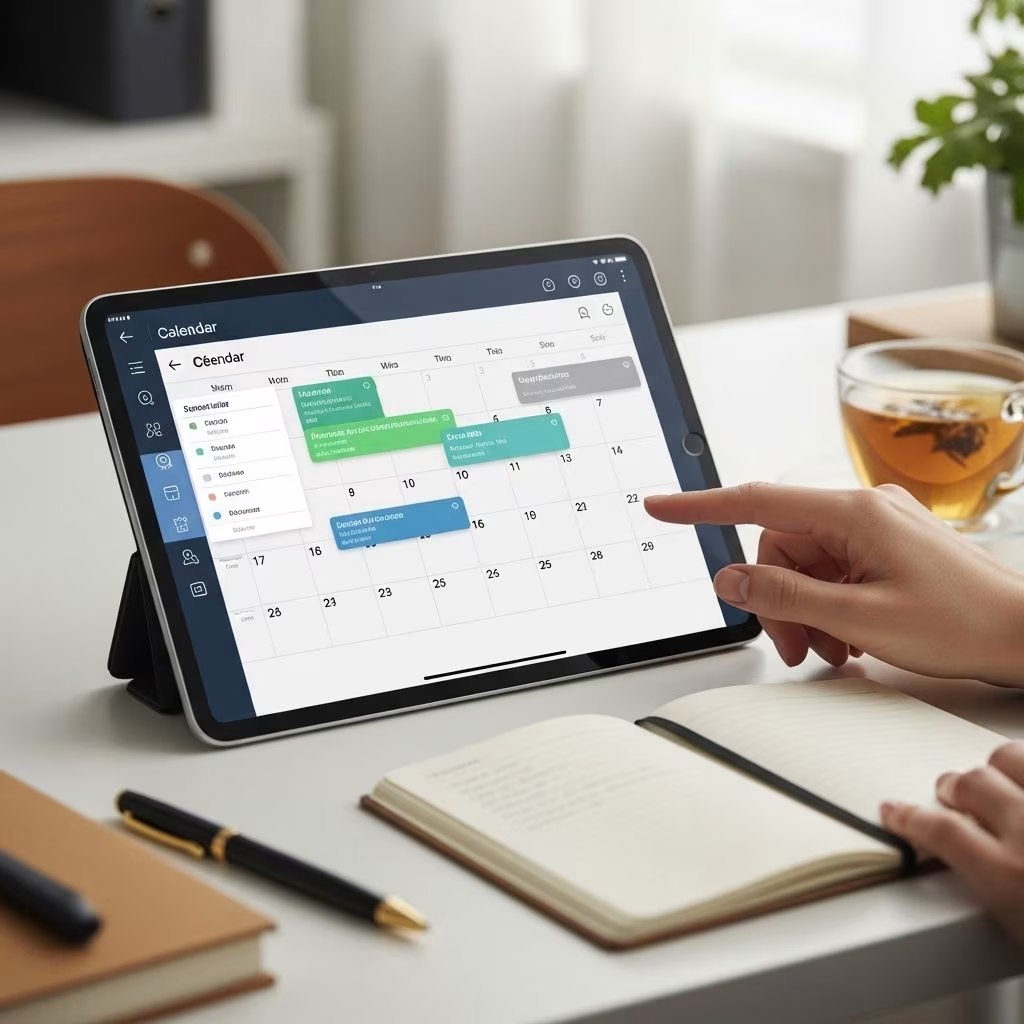
With the increasing reliance on digital devices to manage daily tasks and appointments, the humble device calendar has become an indispensable tool for modern life. However, beneath its convenience and efficiency, the digital calendar can also hide a source of stress for many users. This article delves into how device calendars contribute to stress and explores strategies for mitigating this issue.
Introduction
The rise of digital calendars has revolutionized how we organize our lives. From scheduling appointments to setting reminders, these tools have made it easier to stay on top of tasks. However, the same features that make them useful can also contribute to increased stress levels. Tight schedules, constant reminders, and the pressure to stay organized can all contribute to feelings of anxiety and overwhelm.
Sources of Stress in Digital Calendars
Several factors make digital calendars a potential source of stress:
- Time Pressure and Scheduling Conflicts: The pressure to fit in multiple tasks and appointments often leads to scheduling conflicts. This can result in stress as users try to manage their time effectively.
- Reminders and Notifications: Constant reminders and notifications can be both helpful and stressful. If not managed properly, they can lead to anxiety and feelings of overwhelm.
- Information Overload: Digital calendars often contain a wealth of information, including detailed descriptions of events, attendees, and locations. This bombardment of details can sometimes feel overwhelming.
Impact on Mental Health
The stress caused by digital calendars can have a significant impact on mental health. Chronic stress can lead to anxiety, depression, and burnout. It can also affect sleep quality and overall well-being.
Using Calendars for Stress Management
Interestingly, digital calendars can also be used as tools for stress management. By integrating with large language models (LLMs), calendars can provide personalized, context-aware stress support. This approach leverages the calendar data to deliver timely and relevant stress management messages.
Integrating LLMs with Calendars
Recent studies have shown promise in using LLMs to generate stress management messages based on calendar events. These messages are tailored to the user’s schedule, providing support when it is most needed. For instance, if a user has a busy day ahead, the system might send a message recommending a short break to reduce stress.
By analyzing calendar data, LLMs can identify moments when users are most likely to feel stressed and provide targeted interventions. This could include sending motivational quotes, reminders to practice mindfulness, or suggestions for taking brief breaks during hectic schedules.
Wearable Devices and Stress Monitoring
Wearable devices, such as health-tracking rings, have been used to monitor stress levels in university students. These devices can track physiological markers like heart rate and sleep patterns to identify periods of increased stress. This data can be used to inform stress management interventions and provide personalized support.
Frequently Asked Questions (FAQs)
Q: How can I reduce stress related to my digital calendar?
A: You can reduce stress by setting realistic goals, prioritizing tasks, turning off unnecessary notifications, and scheduling breaks throughout the day.
Q: Can wearable devices help manage stress?
A: Yes, wearable devices can help monitor stress by tracking physiological markers and providing insights that can inform stress management strategies.
Q: How do LLMs help with stress management through calendars?
A: LLMs can generate personalized stress management messages based on calendar events, providing timely and relevant support to users.
Conclusion
In conclusion, while digital calendars can be a source of stress, they also hold the potential to be powerful tools for stress management when integrated with innovative technologies like LLMs and wearable devices. By understanding the sources of stress and leveraging these tools, individuals can better manage their stress levels and maintain a healthier work-life balance.
References
- https://www.arxiv.org/pdf/2505.23997
- https://ceur-ws.org/Vol-3728/paper4.pdf
- https://arxiv.org/html/2402.11823v1
- https://pmc.ncbi.nlm.nih.gov/articles/PMC10486660/
- https://pmc.ncbi.nlm.nih.gov/articles/PMC10491487/
- https://medicine.yale.edu/news-article/yale-study-probes-connection-between-excessive-screen-media-activity-and-mental-health-problems-in-youth/
- https://www.frontiersin.org/journals/computer-science/articles/10.3389/fcomp.2025.1575404/full


